
- What is ammonium sulfate?
- Composition and properties of fertilizer
- Instructions for use
- Deadlines for contributions
- Recommended dosage
- Interaction with soil
- Advantages and disadvantages
- What crops is it suitable for?
- Greens and fruits
- Fruit trees and berry bushes
- Vegetable crops
- Flower crops
- Fertilizing berries
- Winter crops and lawn
- Storage conditions and periods
Ammonium sulfate fertilizer has found application throughout the agricultural sector. Crystalline salt is applied in the spring to provide plants with essential nutrients and valuable elements for rapid growth and high-quality harvests. It's worth noting that this chemical is completely safe for humans and non-toxic to the environment. Let's explore these features in detail.
What is ammonium sulfate?
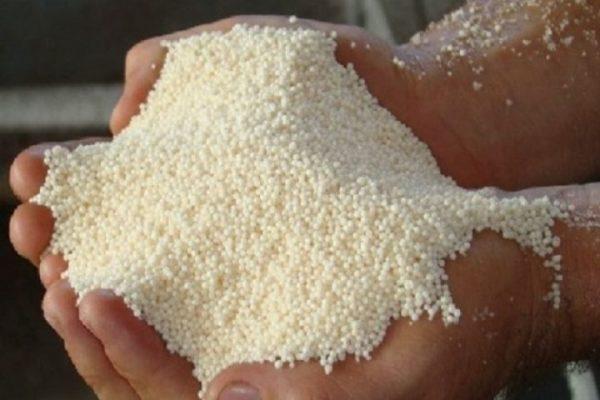
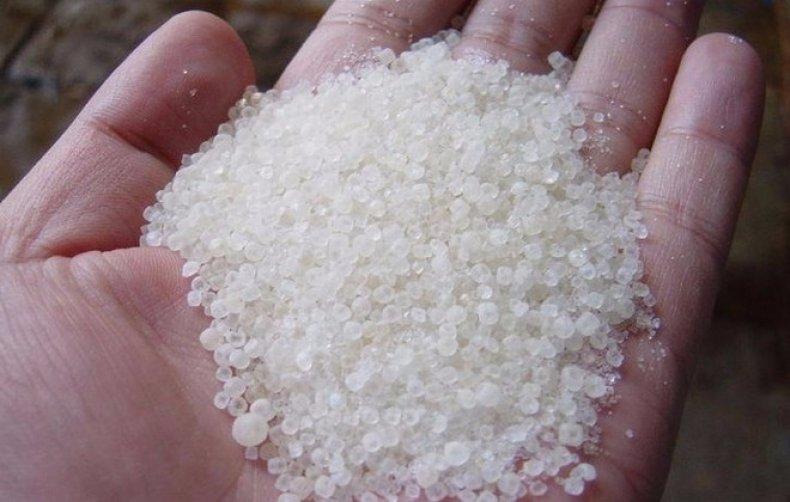
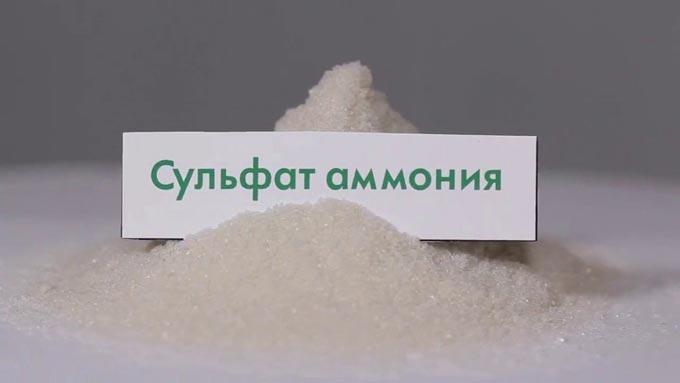
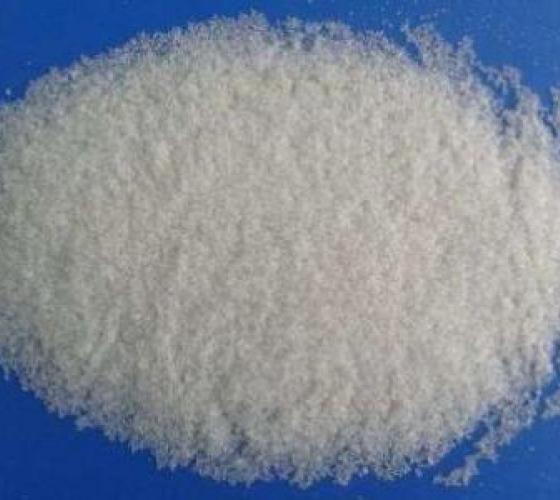
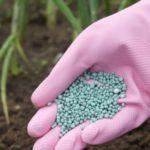
Ammonium sulfate is a mineral fertilizer, also known as ammonium sulfate. It is a colorless substance consisting of crystals or white granules that are easily soluble in liquid. Its chemical formula is (NH4)2SO4. It is often used as a component in water chlorination.
Composition and properties of fertilizer
The fertilizer contains valuable elements such as sulfur and nitrogen, essential for the proper development of vegetable crops. These components act as building blocks, regulating intracellular processes and improving yield and crop viability. Fertilizing also promotes intensive shoot and root development.
Instructions for use
This fertilizer is suitable for most vegetable, fruit, and cereal crops. There are no contraindications or weather or climate requirements.
Deadlines for contributions
Typically, the fertilizer mixture is applied several times—in early spring and again in the fall. The sulfuric acid is applied in dissolved form or added directly to the soil:
- potatoes - after the first shoots;
- cabbage and cruciferous vegetables – before planting seedlings or sowing in the ground;
- Green crops – before sowing; or you can resort to the second option – fertilize the space between the rows after the first shoots emerge. Fertilization of the soil stops two weeks before harvest;
- tomatoes, peppers, eggplants - before planting the seedlings, or immediately after the seedlings have taken root.
It is also recommended to use nitrogen-containing mixtures and potassium salts dissolved in liquid.
Recommended dosage
The recommended rate of mineral fertilizer is 20 to 40 grams. However, the following dosages apply to each crop:
- Cabbage and other cruciferous vegetables – 50.
- Radishes, tomatoes, parsley, carrots and turnips – up to 35.
- Ornamental shrubs, strawberries, berry crops – 50.
- Fruit trees – 40.
- Grapes – 60.
- Potatoes – 70.
The amount is given in grams per square meter. Excessive application of fertilizer does not negatively affect plants, but it does make the garden soil acidic.
Interaction with soil
When ammonium ions enter the soil, they combine with soil colloids and become immobile. After a certain period of time, nitrification is activated, converting nitrogen ions into nitrates. This reaction produces nitric and sulfuric acids. Nitrification enables plants to better absorb nitrogen.
In addition, the bioavailability of other valuable microelements – calcium, potassium and magnesium – is significantly improved.
The rate of nitrification directly depends on external factors: soil type, acidity, moisture, and degree of cultivation. It's worth noting that the fertilizer mixture is not suitable for acidic soils, as it slows down the nitrification process, making it extremely ineffective and dangerous.
Fertilizing moist sandy loams and neutral loams is advisable. However, after a couple of years, the carbonate reserves are depleted, and the soil becomes over-acidic. Therefore, constant acidity monitoring and the application of lime fertilizers are necessary. The greatest effectiveness is observed in light, sandy soils with adequate moisture. Chernozem and chestnut soils are not susceptible to acidification.
Advantages and disadvantages
Ammonium fertilizer has a number of positive characteristics that distinguish it from other fertilizer mixtures:
- remains in the soil for a long time and is not washed away by rain or irrigation water;
- quickly absorbed by plant crops;
- has a long shelf life and does not cake;
- provides plants with valuable elements that are necessary for the synthesis of amino acids;
- low cost;
- safe, does not contain nitrates;
- there is no risk of overdose.
However, it's worth noting some significant drawbacks: the effectiveness of the fertilizer mixture directly depends on external factors (soil type, pH, temperature), soil acidification cannot be ruled out, and periodic liming and humus addition will be required. It's worth noting that nitrogen is volatile, so after application, it must be incorporated into the soil.
What crops is it suitable for?
Not all plant crops respond equally to ammonium sulfate fertilization. However, most plants respond positively to this fertilizer mixture.
Greens and fruits
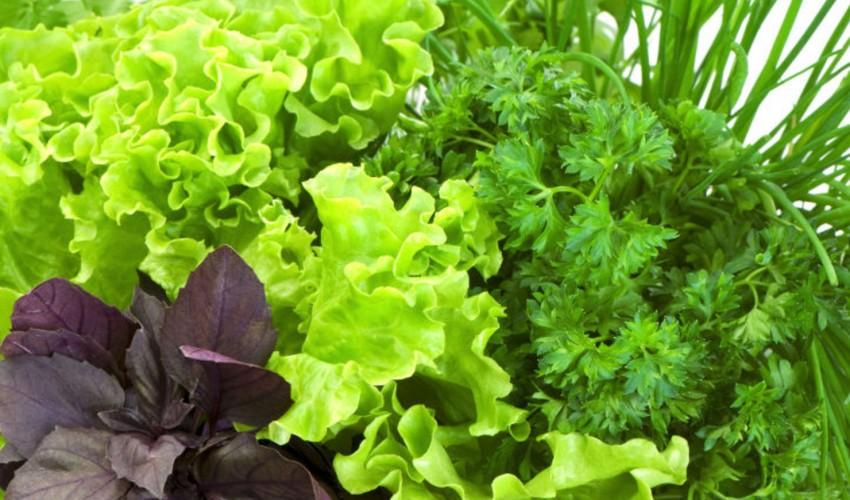
Fertilizer is often used for all types of acid-loving crops—sorrel, cranberries, blueberries, hydrangeas, and so on. Mineral fertilizer not only provides nitrogen but also adds acidity to the soil. For greens, 20 grams of fertilizer per square meter is required. Fertilization can be carried out at any time of year; stop fertilizing a couple of weeks before harvest.
Fruit trees and berry bushes
Fruit trees urgently need adequate amounts of nitrogen-containing fertilizers. The use of ammonium sulfate improves yield, promotes regular fruiting, and encourages normal vegetative growth.
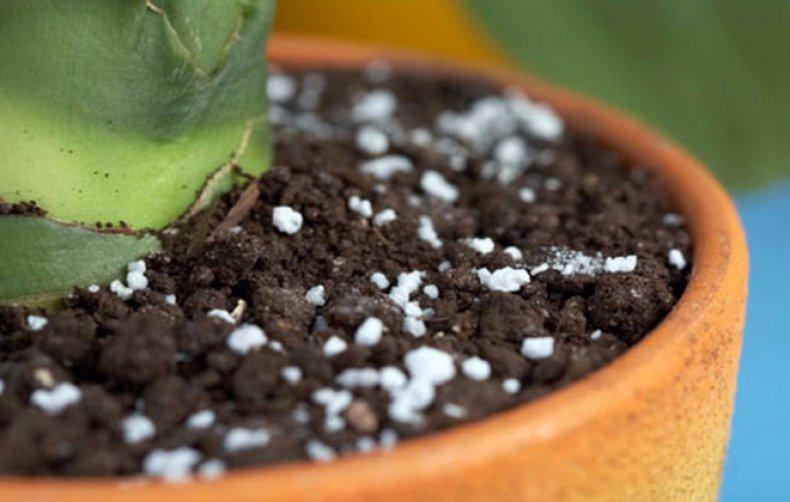
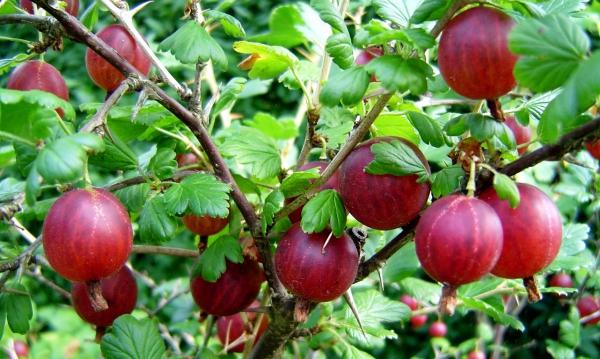
A dry fertilizer mixture is scattered around the entire perimeter of the tree trunk, and then the soil is dug up. For best results, combine organic fertilizers with mineral salt. Fertilizing is also recommended for gooseberries and raspberries, as it improves growth and fruiting quality.
Vegetable crops
Ammonium sulfate is ideal for all types of cruciferous vegetables (cabbage, radishes, and so on). They require sulfur-containing fertilizers to prevent clubroot and other diseases. They also require a high nitrogen content.
As for potatoes, mineral salt promotes the formation of healthy potato tubers, prevents high nitrate levels and the development of scab, and extends shelf life. Furthermore, application is necessary when growing zucchini and pumpkins.
Flower crops
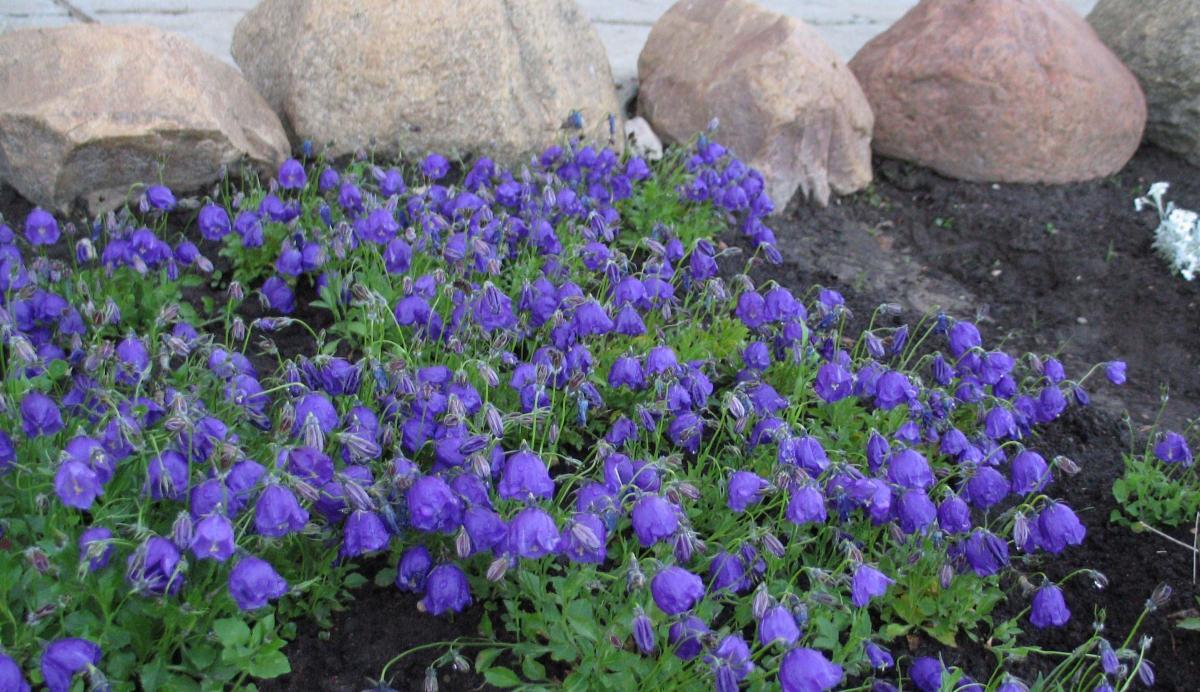
Ammonium sulfate is used for almost all types and varieties of flowers. Typically, the fertilizer mixture is combined with organic fertilizers (for example, bird droppings). The pre-selected mixture is diluted with liquid, and then ammonium sulfate is added. About three liters per square meter is sufficient. This is necessary to stimulate growth and strengthen the plant's immunity.
Fertilizing berries
It's recommended to add a mineral mixture to the soil before replanting strawberry bushes and after the plants have established themselves. The recommended watering rate is one tablespoon per bucket of water. Adding some mullein is a good idea.
Winter crops and lawn
By applying ammonium sulfate, you can maximize the protein content of wheat grains. This mineral is also essential for crops that require sulfur (buckwheat, rapeseed, and spring wheat). It is recommended to apply the fertilizer in early spring and then a second time in the fall to ensure even distribution of the valuable components throughout the field.
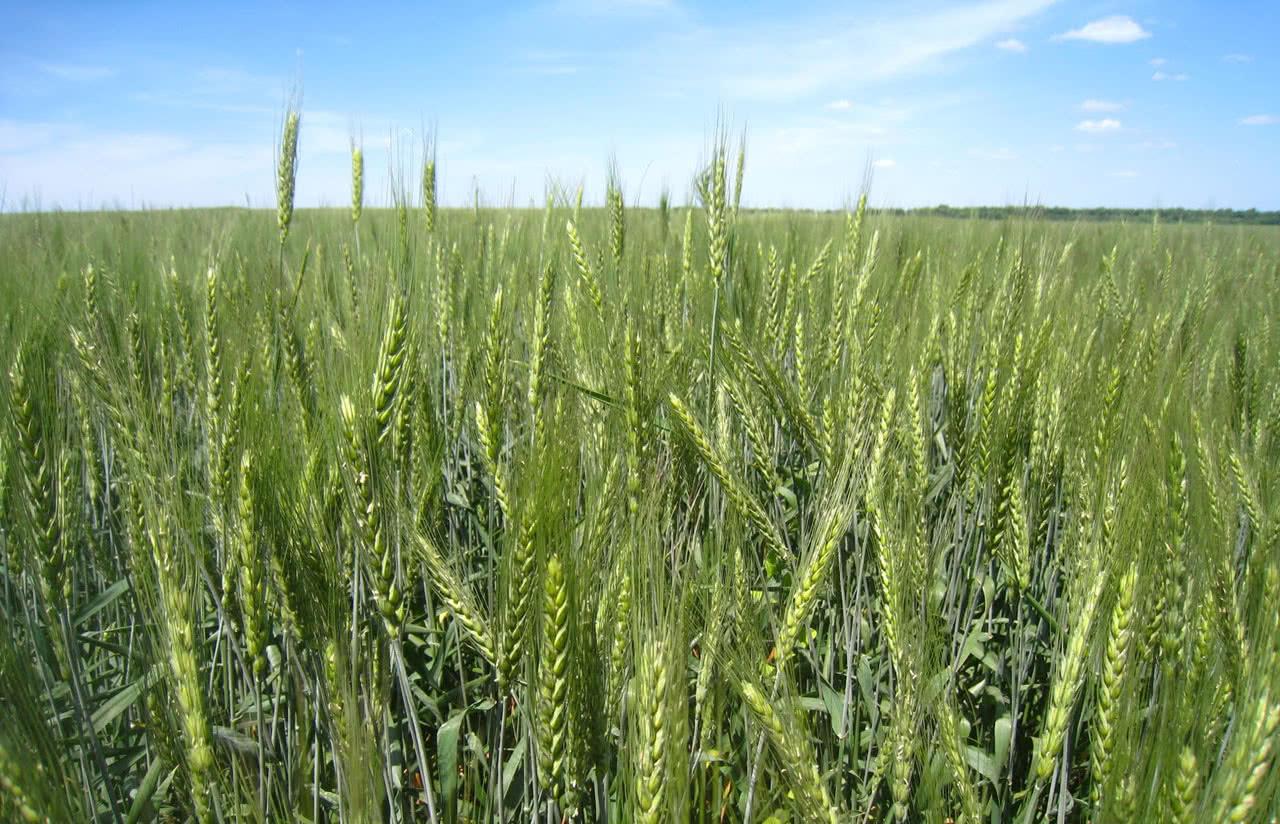 A minimum of 60 kilograms per hectare of field is used. If the lawn is mowed regularly, a nitrogen-containing mixture should be applied twice a day. The recommended rate is 35 grams per square meter.
Storage conditions and periods
Ammonium salt should be stored in a closed, dry, clean, and well-ventilated area. The fertilizer mixture does not absorb water vapor from the air, and therefore does not become damp. It can be stored close to ammonium phosphate and potassium chloride. There is no shelf life limit, but the effectiveness and concentration of the product decrease over time.
Related posts:
 Description of ammonium nitrate and the formula of saltpeter, rules of application
 How to feed and what fertilizers are best for blueberries, soil acidification
 Instructions for the use of ammonium molybdate and its purpose
 Description of varieties of sowing peas and cultivation, to which family they belong
 Ammophoska composition and purpose, instructions for use of the fertilizer
 What is the best way to feed cucumbers during flowering and fruiting?
 The best grape varieties for growing in the Urals, planting and care rules in summer
 Types and names of nitrogen fertilizers, their importance and use at home