
Manganese is an essential element required for plant growth. A deficiency of this nutrient disrupts growth and development. Therefore, using manganese sulfate can achieve a wide range of results. This substance helps improve crop development and increase yields, which are essential parameters to maintain when using the product.
Description of the substance and its physical properties
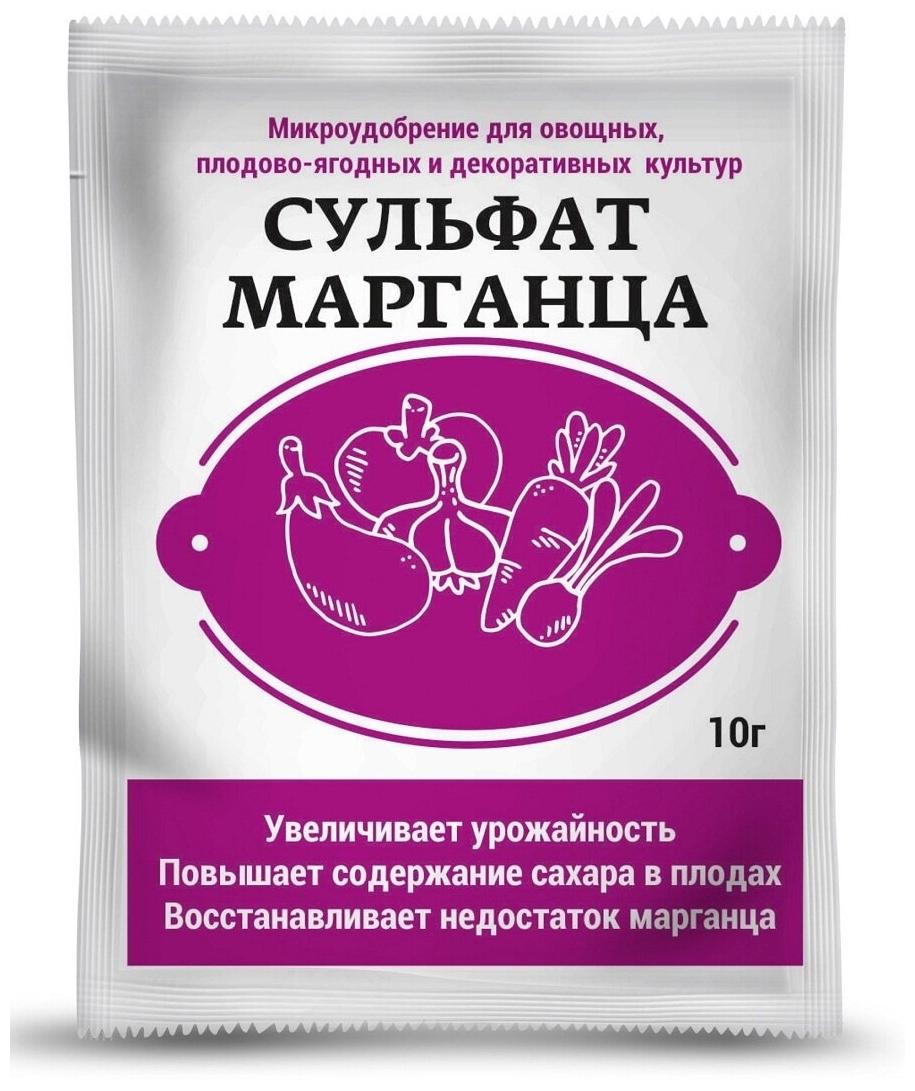
Manganese sulfate is an inorganic compound. It is also known as manganese sulfate. The fertilizer is 96% sulfur and manganese. These components have a complex effect on plants:
- Manganese is an enzyme activator involved in photosynthesis and respiration. It participates in reduction and oxidation reactions. It optimizes the absorption of ions from the environment. It helps retain moisture in tissues and cells. It stimulates the synthesis of vitamin C, carotene, and glutamine. It affects the sugar and starch content of fruits.
- Sulfur is involved in the formation of enzymes and oils. It directly influences the process of plant cell regeneration, initiates photosynthesis, and influences the overall development of vegetative parts of plants. This substance also increases resistance to fungal infections, counteracts scab and powdery mildew, and provides protection against pests such as spider mites, aphids, and wireworms.
Additional impurities include chlorides, iron, and calcium. Insoluble components and sodium are also included. Potassium permanganate is used as a fertilizer to enrich nutrient soil solutions. It is also used in micronutrient complexes that combine well with sulfur. This combination is indispensable when there is a severe manganese deficiency in the soil's structural elements.
Take a look Also
What are its chemical properties?
The chemical formula of the product is MnSO4. A distinctive feature of the substance is its high manganese content—over 31%. It also contains a significant amount of sulfur. This product dissolves quickly and completely in water. It is available as a white or pink crystalline powder.
When growth slows, fruit size decreases, and lower leaves become lighter, manganese sulfate is needed. This fertilizer is characterized by the following symptoms:
- The technical name for aqueous mixtures based on the substance is “manganese sulfate”.
- The drug is a weakly colored crystal.
- The substance is miscible with water. It is insoluble in ethers or alcohol.
- The aqueous solution has a light pink color.
- Maximum solubility is observed at a water temperature of at least +23-25 degrees.
- In nature, the sources of the substance are minerals such as ilesite, smikite, and mallardite.
- The substance interacts with oxidizing agents, alkalis, and metal oxides.
- In the chemical industry, the composition is used as micronutrient fertilizer.
- If storage conditions are met, the drug has an unlimited shelf life.
Advantages and disadvantages
The main advantages of manganese sulfate include the following:
- can be used to restore manganese content in soil;
- good compatibility with other fertilizers;
- can be used for all crops and different types of soil;
- increase in yield by 15% in the first season of application;
- increasing the sugar content of fruits and increasing the level of starch in grains;
- stimulation of the development of generative shoots;
- increase in shelf life by 10-15%.
Terms of Use
Manganese sulfate can be used alone to quickly restore manganese levels in the soil. It is usually combined with other fertilizers. They are applied as root waterings and foliar sprays to crops grown outdoors and in greenhouses. Fertilizer dosages vary depending on the crop and soil conditions.
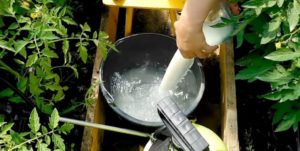
To prepare a working solution, add water to the required volume of the product and mix thoroughly. Water and spray crops with the fresh solution. Treatments should be carried out in dry, windless weather. It is recommended to apply during the day or evening. Continue treatment until the foliage is completely wet.
How to apply this fertilizer
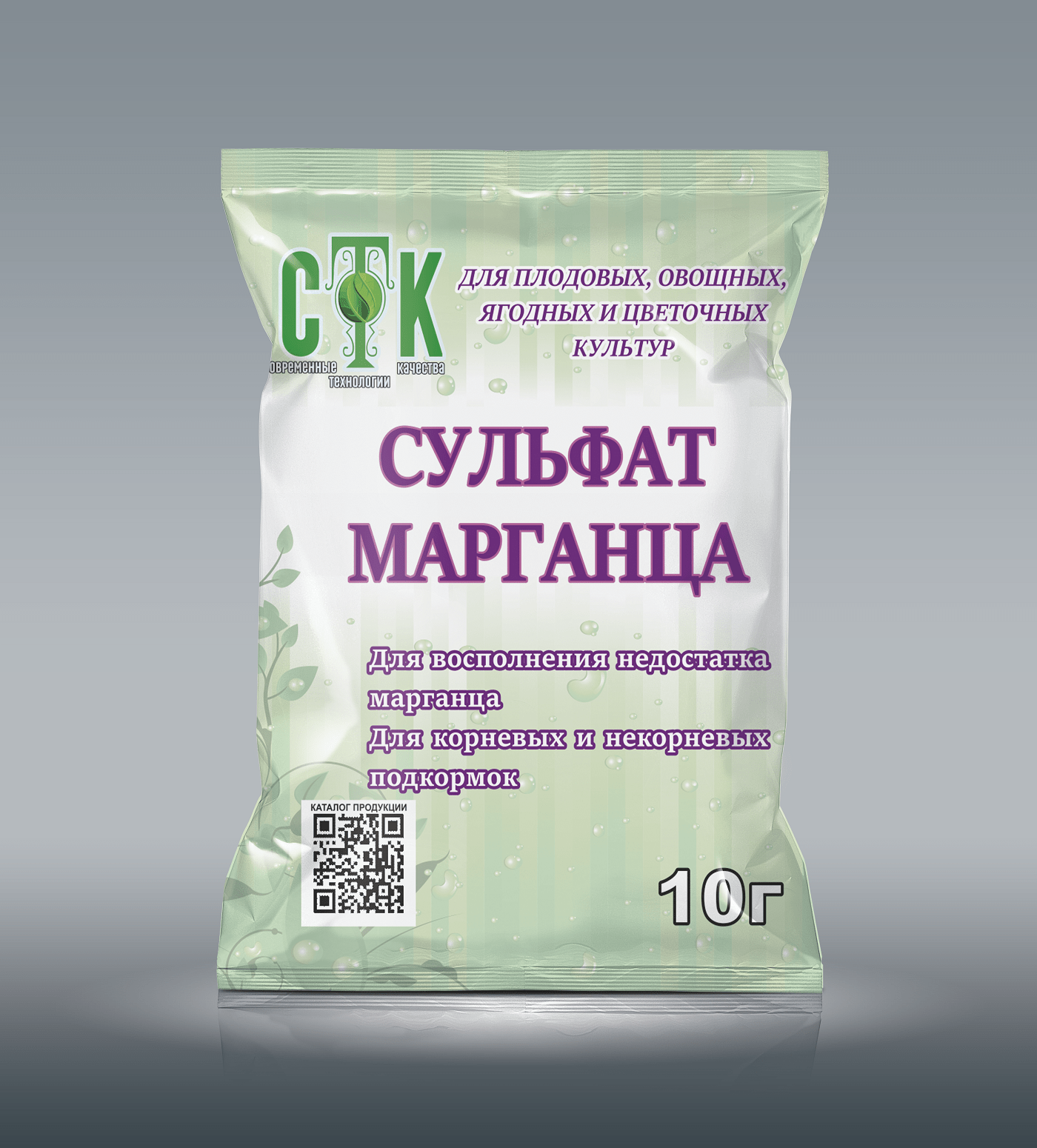
To ensure manganese sulfate is effective, it can be applied in the following ways:
- seal into the soil in dry form;
- water plants with a liquid solution;
- perform sprinkling;
- carry out spraying.
Manganese sulfate combines well with other fertilizers. However, seasonal factors must be taken into account:
- In spring, the preparation should be combined with nitrogen and phosphorus additives.
- In autumn, the substance should be combined with phosphorus preparations.
The consumption rate of the product depends on the crops being grown:
- For tomatoes and cucumbers, you need to use 5-10 grams of the product per 10 square meters.
- For berry bushes, vegetable plants and flowers, apply 12-14 grams per 10 square meters.
- Fruit trees require an average of 3-4 grams of the product per square meter. The product should be applied to the tree trunks.
Safety precautions
Manganese sulfate is toxic. Contact with skin causes eczema and dermatitis. Droplets and dust coming into contact with eyes and mucous membranes can cause burns. Accidental ingestion can cause severe poisoning, which can damage the nervous system, digestive organs, and brain. Therefore, it is important to use personal protective equipment when working with the product.
Manganese sulfate is an effective fertilizer that improves the growth of a wide variety of crops. It can be applied alone or combined with other fertilizers. In any case, it's important to follow the instructions carefully.