
- Composition and purpose of Ammophoska
- Advantages and disadvantages
- Behavior in soil
- Ammonium ion
- Sulfate ion
- Phosphate ions
- Potassium ion
- Application on various soil types
- Sod-podzolic soil types
- Ordinary, carbonate, southern chernozems
- Chestnut soils, sierozems
- Impact on plants
- Flowers
- Potato
- Peppers
- Tomatoes
- Pear
- Seedling
- Ornamental plants
- Legumes, sugar beet
- Wheat
- Sunflower, soybeans, rapeseed
- Maximum consumption standards
- How to use
- How to store?
- Security measures
- Compatibility with other fertilizers
Complex fertilizers Ammophoska is considered the most effective. Its components are better absorbed by plants and produce immediate results. Its use affects vegetation, flowering, and crop yield.
Composition and purpose of Ammophoska
Ammophoska is a unique mineral source of essential plant nutrients. This fertilizer is called complex because it contains not one, but three essential substances:
- nitrogen (represented by ammonium sulfate);
- potassium (potassium sulfate);
- phosphorus (ammonium or potassium phosphate).
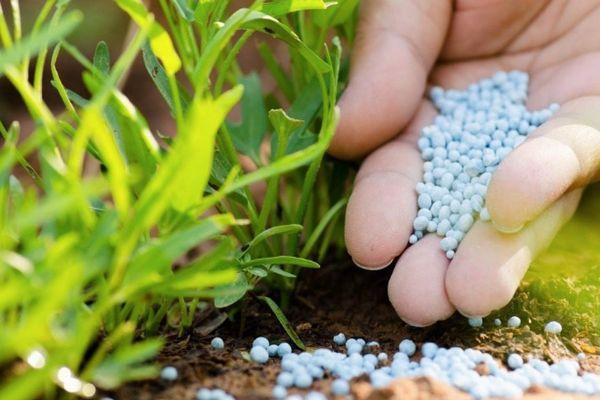
Each manufacturer determines the ratio of these elements differently. The following ratios are common:
- nitrogen - 16%;
- potassium - 16%;
- phosphorus - 16%.
And also:
- nitrogen - 9-10%;
- potassium - 20-25%;
- phosphorus - 20-25%.
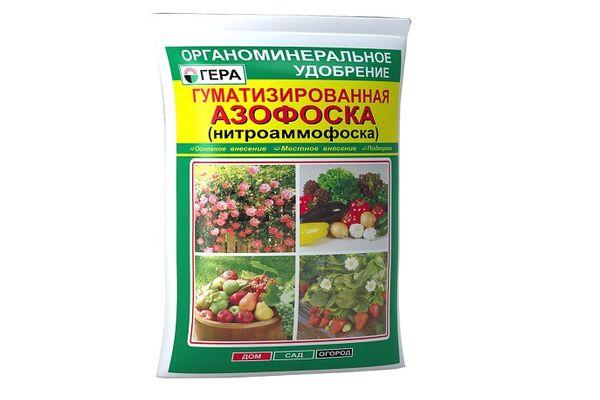
The ratio can also be like this:
- nitrogen - 15%;
- potassium - 12%;
- phosphorus - 15%.
The most optimal and versatile fertilizer is one with approximately equal amounts of the main elements. Ammophoska should be applied periodically throughout the season. The application rate varies for each crop.
Advantages and disadvantages
Ammophoska and other complex fertilizers began to be produced in the USSR in the 1960s and 1970s. Their pros and cons were identified in practice. The main advantages of this mineral fertilizer are as follows:
- Convenience. It simultaneously applies nitrogen, phosphorus, and potassium to the soil. Some manufacturers add sulfur, calcium, and magnesium to Ammophoska. Mineral fertilizers are easier to handle, transport, and store. They are more compact than organic ones.
- Water solubility. It dissolves well in water; if applied during digging, it dissolves in the soil.
- Versatility. Equally suitable for fruit, berry, vegetable, and ornamental crops. The only difference is the application rate.
- Balanced. Ammophoska is known to reduce nitrate levels in fruits and berries.
- All-season application. Can be applied virtually year-round. This fertilizer is unique in that it doesn't break down at sub-zero temperatures; it can even be scattered on frozen ground and still work. It's not recommended to apply it early in winter, on snow, as the nitrogen will evaporate over time.
- Ammophoska is equally effective in both open and closed soil. Not all fertilizers offer this quality.
- Absence of chlorine and sodium, which are harmful to the soil.
Take a look Also
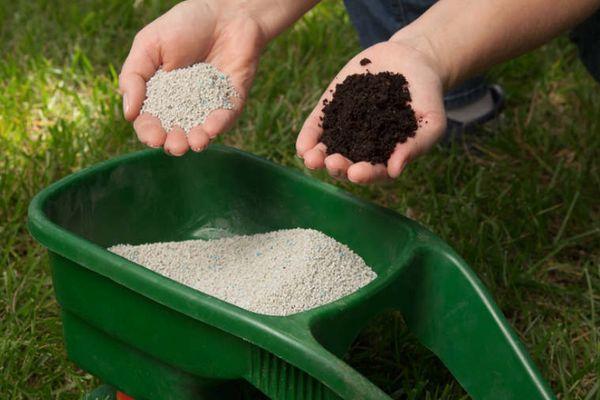
Disadvantages include the dangers of fertilizer as a chemical substance. When used in large doses, it can affect people, animals, and the environment.
Although Ammophoska belongs to hazard class 4, the substances of which are characterized as low-hazard, the destruction of the ecological balance still occurs.
After applying this fertilizer, complete soil restoration occurs within three years, including the pH balance. Regular application of Ammophoska results in slight acidification of the soil.
Behavior in soil
Ammophoska is produced in granular form that gradually dissolves in the soil. Their size precisely matches the dissolution time and action of the minerals they contain, which are converted into ions in the soil. Plant roots absorb the nutrients in ionic form.
Ammonium ion
Nitrogen is an essential element for plant life. The soil's nitrogen levels can be determined by the condition of the above-ground parts of the plant, including normal growth and leaf color.
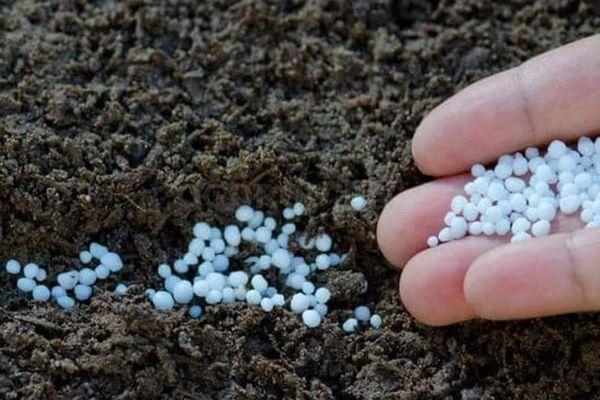
The form in which nitrogen is supplied to a particular plant is very important. The ammonium ion, whose formula is NH4+, when interacting with soil colloids, it forms ammonium salts. These remain in the soil for a long time, nourishing the plant, and are absorbed by plants more quickly than nitrates.
Sulfate ion
Sulfate ion, which makes up the majority of the mixture, is highly retained in the soil and is poorly leached, minimizing nitrogen loss.
Phosphate ions
Dissolving well in water, phosphorus compounds are converted into those characteristic of a given type of soil.
Potassium ion
Participates in the processes of exchange and non-exchange absorption.
Application on various soil types
Ammophoska performs well in all soils. It has an advantage over other fertilizers when used on saline soils. A gradual increase in soil acidity is also observed with regular use.
Sod-podzolic soil types
Sod-podzolic soils are not as poor as podzolic soils, but they still require regular fertilization. These soils benefit from a comprehensive fertility improvement program using organic and inorganic fertilizers. Podzol is naturally acidic, and the use of ammophoska increases the soil's acidity. This problem requires annual liming.
Ordinary, carbonate, southern chernozems
Chernozem is a rich, fertile soil type. It is characterized by high nutrient content, a dark color, and a thick humus layer. The application of ammophoska has a positive effect on the yield and quality of crops grown on such soils. Chernozem is a virtually neutral soil; slight changes in acidity have no effect on it. It quickly restores its balance.
Chestnut soils, sierozems
Chestnut and sierozem soils are characterized by a low humus content, meaning they have low nutrient content. The use of complex fertilizers on these soils is justified, as it improves vegetation quality and, ultimately, increases the humus layer. Many of these soils have a slightly alkaline reaction, which justifies the use of ammophoska.
Impact on plants
Improves the metabolism of various crops, stimulates growth and flowering, and increases the quantity and quality of fruits. This complex fertilizer boosts plant immunity, which impacts crop yields.
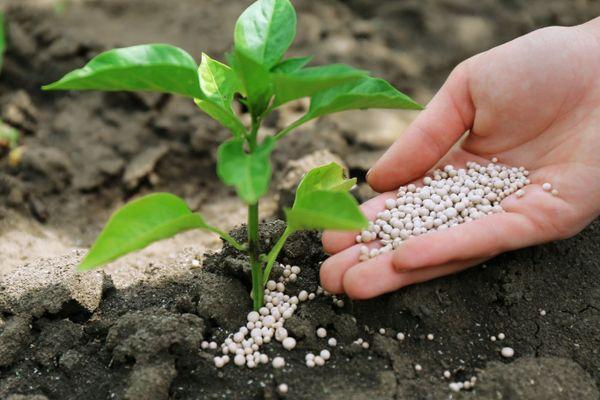 The use of Ammophoska has a positive effect on all types of plants.
Flowers
Flowers and other ornamental plants can be fertilized throughout the season, starting in early spring. Fertilizing affects not only the number and size of flowers but also the quality of their blooms. Flowers become more vibrant and attractive.
Potato
When planting potatoes, add the granules to the existing hole. This ensures long-term nutrition for the tubers. Initially, the plant requires nitrogen, then phosphorus and potassium to develop the root system and increase yield.
Peppers
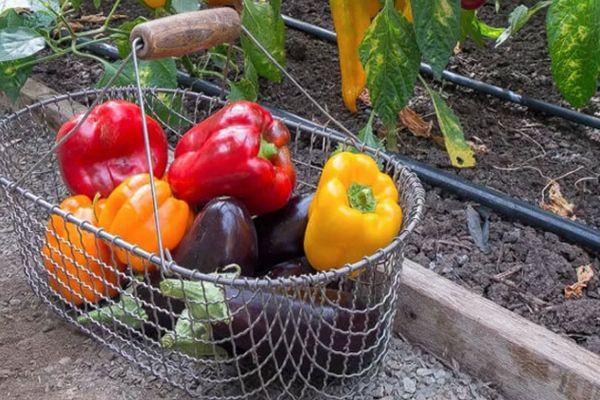
Peppers need to be fed in several stages: during the seedling stage, when planting outdoors or indoors, and during flowering. None of these crucial stages should be skipped. When transplanting seedlings into the ground, be sure to add a teaspoon of granules to each hole. Further feeding is necessary when the peppers begin to form buds.
Tomatoes
Tomatoes, like peppers, require several stages of fertilization. Furthermore, they should be fed during fruit set. The potassium found in Ammophoska has a positive effect on the fruit's flavor.
Pear
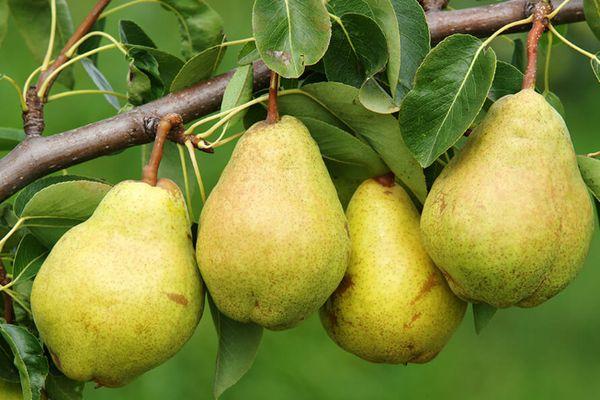
Fertilize the pear tree at a rate of 15 grams per square meter. Dig around the fruit tree in a circle, and add the granules into the resulting hole. This procedure should be done in early spring, as the soil still contains plenty of moisture, which facilitates the dissolution of the granules.
Nitrogen is needed in spring for active growth. Nitrogen is depleted faster than phosphorus and potassium, which are essential for maintaining normal pear growth. You can fertilize the tree again in June.
Seedling
Seedlings are fed with an aqueous solution of ammophoska. Firstly, it is better absorbed and provides the plant with nutrition. Secondly, it is impossible to calculate the amount of granules needed for each cup of seedlings, as the consumption rate for young plants is very low. For liquid root feeding, take 5 grams of fertilizer and dissolve it in a liter of water. This solution is then used to water the seedlings.
Ornamental plants
Ornamental plants also require fertilizing. Fertilizing makes them appear fresher and brighter, which is especially noticeable in ornamental foliage plants. Ammophoska can be applied directly to the planting hole or watered with a prepared solution.
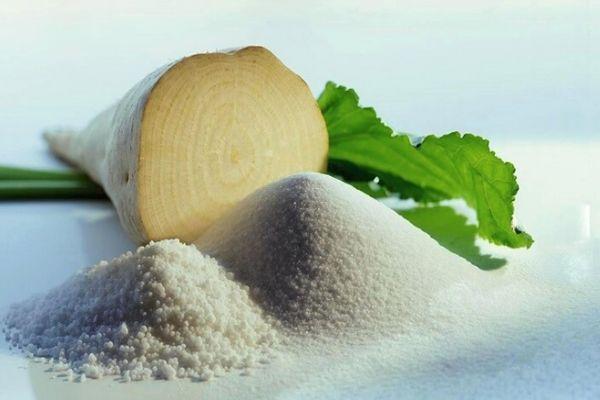
Legumes, sugar beet
Affects the taste, size and color intensity of vegetable crops.
Wheat
The application of ammophoska increases yields, improves ear maturation, and improves wheat composition. The gluten content increases.
Sunflower, soybeans, rapeseed
Increases the oil content of these crops. Apply during spring tillage and during the growing season.
Maximum consumption standards
Fertilizer application rates vary for each crop. Calculations are based on area. The following rates should be applied per square meter:
- fruit trees - 75-95 grams;
- vegetable crops - 20-30 grams, depending on the type;
- berries - 15-20 grams;
- ornamental plants - 20 grams.
When applying fertilizer during spring plowing, use the first number (for example, for vegetables, 20 grams). The granules are scattered and then incorporated into the soil. When used indoors, the rate is increased.

How to use
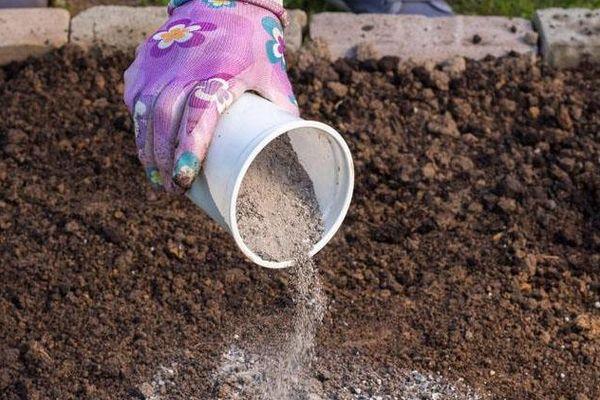
When using chemical fertilizers, it's important to follow the instructions for use. Application to open ground should only be done in calm, dry weather. If large areas need to be treated, wear a respiratory protection bandage.
How to store?
Store in a completely or partially dark place with a constant positive temperature. If the packaging is damaged, use it as quickly as possible, as some of the nitrogen will evaporate.
If unopened and exposed to no significant temperature fluctuations, bags can be stored for 2 years.
Security measures
Wear waterproof gloves when handling. Afterward, thoroughly wash your hands, face, and other exposed body parts with soap and water. In case of accidental poisoning, be sure to call an ambulance after first emptying your stomach. If it gets into your eyes, rinse them with clean water. It's worth noting that ammophoska is considered low-hazard in the hazard classification system.
Compatibility with other fertilizers
Ammophoska can be mixed with any organic matter: slurry, green manure, or chicken manure. However, care must be taken to avoid excess nitrogen.
Related posts:
 The best eggplant varieties for growing in a polycarbonate greenhouse: planting and care
 How to control carrot flies with medications and folk remedies
 Is it possible to grow an apricot tree from a seed in your garden? How to plant and care for it?
 Nitrophoska composition and instructions for use of fertilizer, errors
 Carrot care guidelines for outdoor cultivation to ensure a good harvest
 How to properly grow a peach tree from a seed at home, planting and care
 Causes and treatment of eggplant pests and diseases, how to combat them at home
 How to properly plant peas in a greenhouse and open ground