
- Description of the product
- What physical properties does it exhibit?
- Solubility
- Compound
- How the substance is obtained
- Basic chemical properties
- Rules for use as a fertilizer
- Application rates for different plants
- Fertilizing winter crops
- Application against weeds
- When to apply to soil
- Safety precautions
- Pros and cons
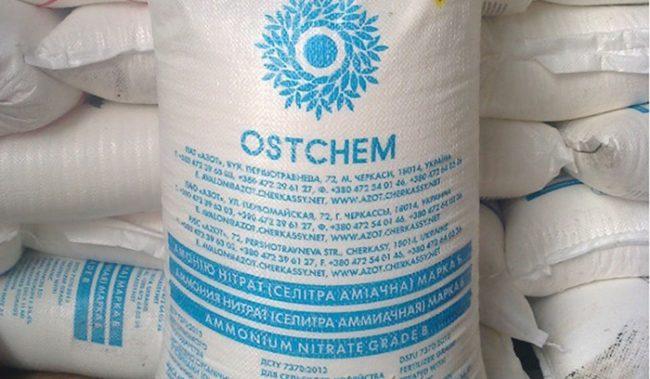
- How to store
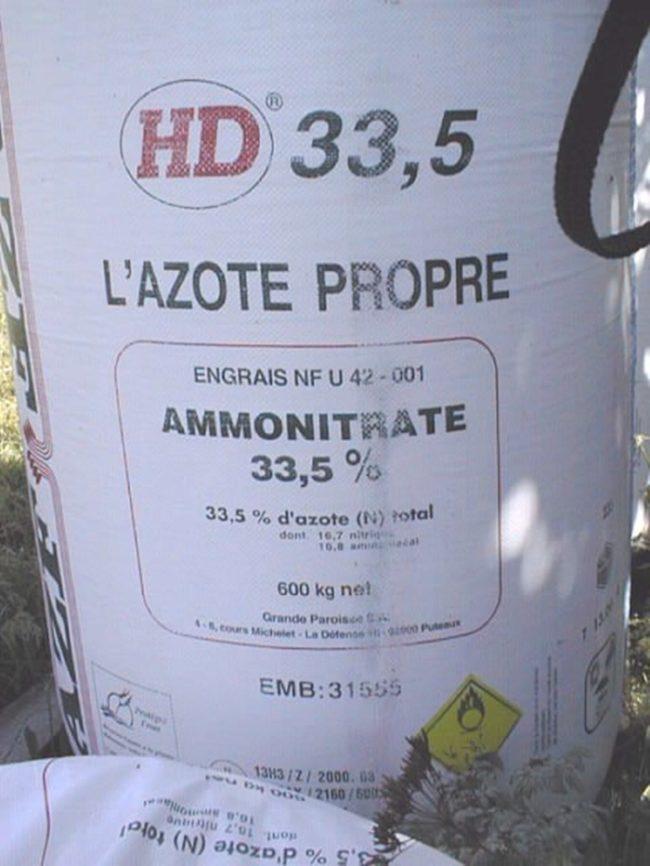
Achieving high yields in agriculture without fertilizers is extremely difficult. Nitrogen fertilizers promote active plant growth at the beginning of the season. Ammonium nitrate stimulates the development of green mass. It absorbs moisture well, does not harm the soil or crops, and is quickly absorbed by plants. It is important to follow the manufacturer's instructions when using it.
Description of the product
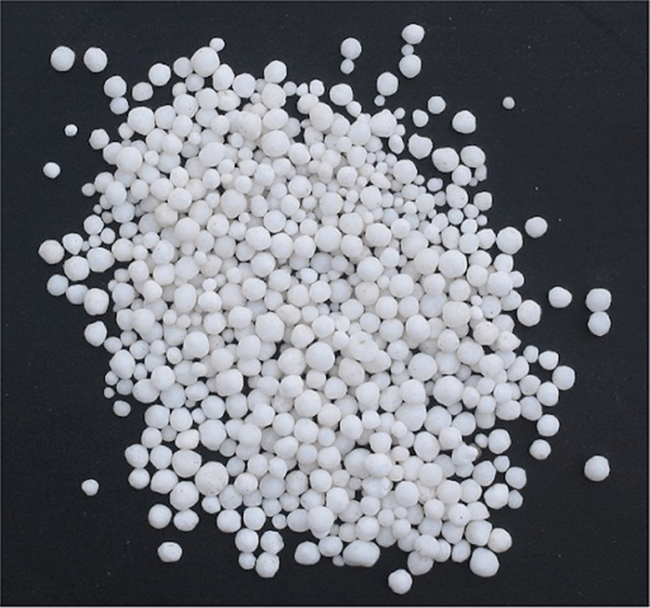
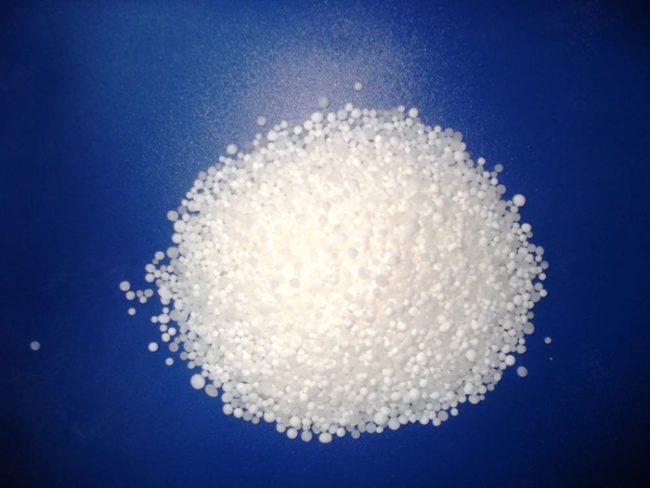
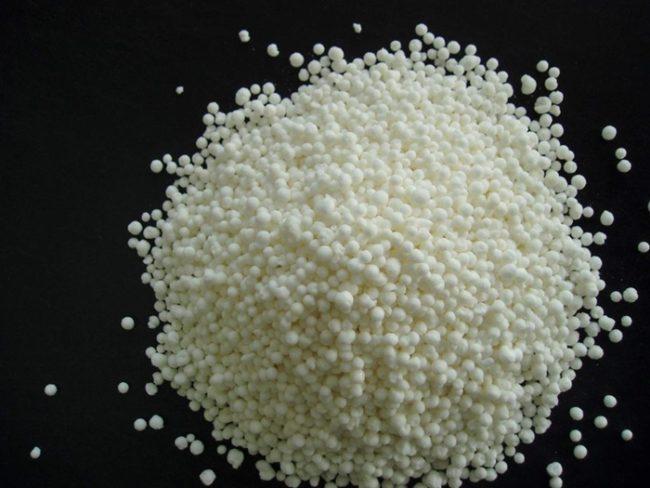
Nitrate (formula NH₄NO₃) is a white crystal. It is used in agriculture as a nitrogen fertilizer. The fertilizer's older name is saltpeter. It is most often applied during tillage as a primary fertilizer at a rate of 10-20 g per square meter. If ammonium nitrate is simply sprinkled over the surface of a garden bed, it must be thoroughly watered.
Ammonium nitrate should not be mixed with sawdust, straw, peat and other organic materials, as there is a high risk of spontaneous combustion.
What physical properties does it exhibit?
When using any substance, its physical properties (color, concentration, density, boiling point) must be taken into account.
Solubility
During the dissolution of crystals, significant heat absorption occurs, slowing dissolution. Approximate rates of saltpeter decomposition in water, depending on the liquid temperature: 0°C – 119 g/ml, 50°C – 346 g/ml, 100°C – 1024 g/ml.
Compound
Ammonium nitrate consists of several elements, the proportions of which can vary. Common contents are: nitrogen – 35%, oxygen – 60%, and hydrogen – 5%. However, sometimes the fertilizer contains 26-34% nitrogen and 3-14% sulfur.
Nitrogen is an essential nutrient for plant growth. It promotes the healthy development of crops and participates in photosynthesis. Plant development is negatively impacted by both a nitrogen deficiency (reduced crop quality and shortened shelf life) and an excess (slower plant growth at the end of the season, leading to decreased frost resistance).

How the substance is obtained
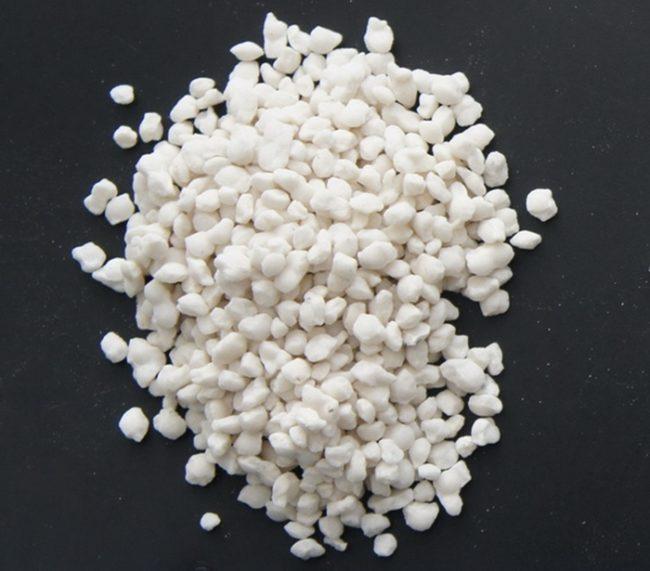
Ammonium nitrate is produced using concentrated nitric acid and anhydrous ammonia. Excess water is evaporated from the concentrated solution, producing a molten substance containing 95-99% ammonium nitrate.
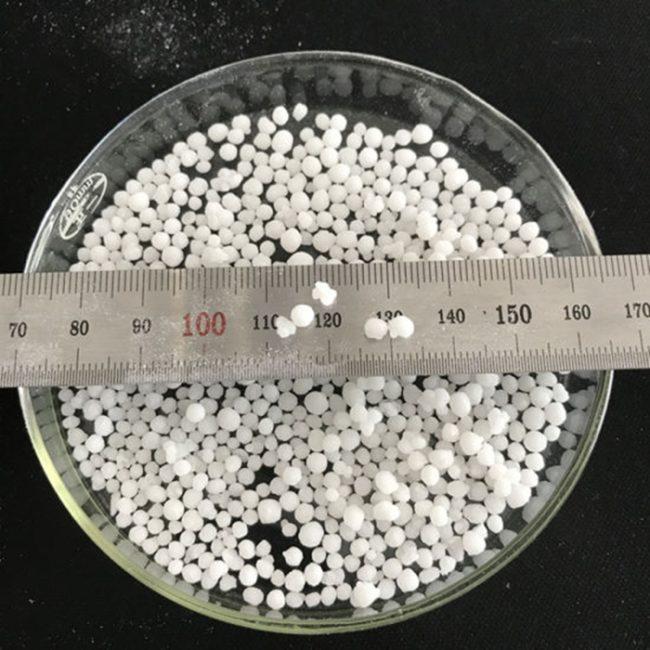
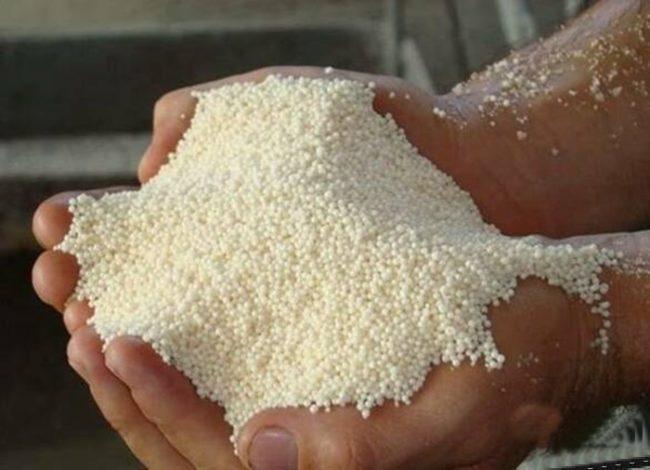
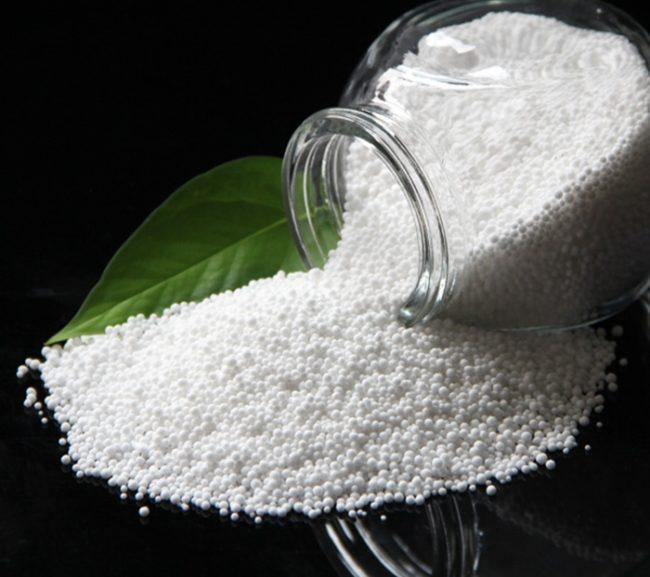
To obtain the fertilizer, the melt is granulated in special equipment, dried, cooled, and coated with special compounds that prevent the granules from sticking together/caking.
Basic chemical properties
Ammonium nitrate dissolves readily in alcohols (methyl and ethyl), water, acetone, and liquid ammonia. Moreover, its solubility increases significantly with increasing temperature. Chemists also note that ammonium nitrate is a strong oxidizer for a number of organic and inorganic compounds. The explosive potential of the granules increases significantly upon recrystallization, which can occur with increased humidity and elevated temperature.
Rules for use as a fertilizer
The preparation can be used on various types of soil; however, it is advisable to adhere to certain restrictions regarding the choice of plant crops.
Since saltpeter is explosive, safety precautions must be followed when using it.
Application rates for different plants
When fertilizing agricultural plants, it is important to follow the manufacturer's recommendations to avoid negative effects of the fertilizer.
| Processing object | Consumption rate | Features of application |
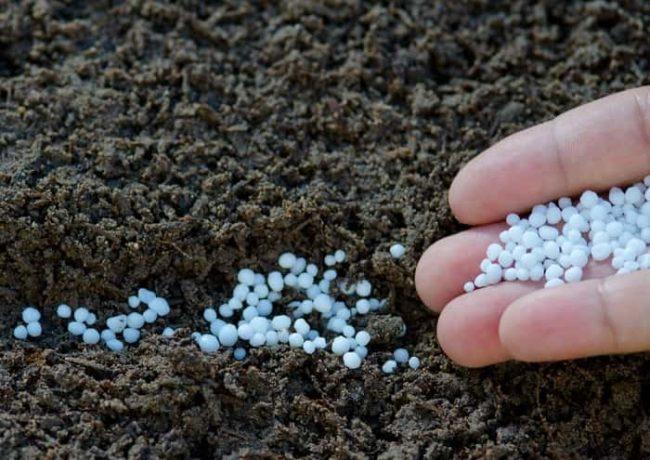
| Seedlings of tomatoes, peppers, and white cabbage | 25-30g per sq. m beds | It is recommended to scatter the granules into prepared holes during planting, lightly covering them with soil. |
| Roots | 5 g per square meter | Apply once 2.5-3 weeks after germination. Sprinkle the granules between rows and cover with soil before watering. |
| Potato | working solution: 30-35g of granules per bucket of water | During the first hilling, the solution is poured under the roots |
| Garden trees | 30-50 g of granules per square meter | Fertilizer is scattered around the tree trunk before watering |
| Berry bushes | 15-20 g per bush | at the beginning of the growing season |
| Strawberry | 10-15 g per sq. m | at the beginning of the growing season |
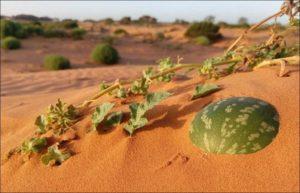
Since the fertilizer can burn foliage and stems if it comes into contact with green plants, it should not be used when growing cucumbers, squash, or melons to prevent nitrate accumulation in the fruit.
Fertilizing winter crops
Ammonium nitrate is considered the most readily available and safest plant fertilizer. When applying fertilizer, consider the start of the growing season and the condition of the crops. For the first application, apply 25-30% of the full nitrogen rate to areas with well-developed, dense shoots. If shoots are sparse and weak, reduce the application rate.
Fertilizer is applied again at the boot stage. When determining the application rate, pay attention to the condition of the leaves and take into account the dose of the first application. Typically, 45-50% of the total nitrogen requirement is applied. The third application of nitrate is at the earing stage, when the grains are fully filled, which helps enhance photosynthesis and increase grain weight.
Application against weeds
Since overdosing on fertilizer can inhibit plant growth, it can be used to control weeds. When preparing a working solution, it is recommended to apply 2-2.5 times the recommended amount of granules. To avoid damaging the growing crops, weed control should be applied to the beds after harvesting or a few days before sowing or planting seedlings.
When to apply to soil
The product is quickly absorbed by plants. It's best to apply the granules to open soil before plowing, while the soil remains moist. Ammonium nitrate is most effective from early spring to mid-summer, when crops are actively developing green mass.
The basic requirement for using fertilizer is to apply it to prepared holes and cover them with a thin layer of soil to prevent root burn. A single application of saltpeter per season is sufficient. Fertilizing in the fall is not recommended to avoid stimulating active green growth.
Safety precautions
Based on its impact on the body, the drug is classified as moderately hazardous. However, safety precautions should be strictly observed to prevent harm to health:
- all work is carried out using personal protective equipment (respirator, safety glasses, special clothing, rubber gloves and shoes);
- During the work process, drinking, smoking, eating and removing personal protective equipment are prohibited.

For extended work, it's recommended to take 5-10 minute breaks after half an hour of wearing a respirator. A shower with soap is recommended after finishing work.
Pros and cons
When using any chemicals for plant care, it's important to consider the pros and cons of each product. The benefits of nitrate include:
- the soil is quickly saturated with active nitrogen;
- stimulates the development of stem and leaf cells;
- suitable for feeding annual and perennial plants;
- ease of use, budget cost.
Negative aspects of using ammonium nitrate: exceeding the dosage leads to the accumulation of nitrates in fruits; if the substance comes into contact with green plant matter or exposed areas of the body, it can cause burns and explosion hazard.
How to store
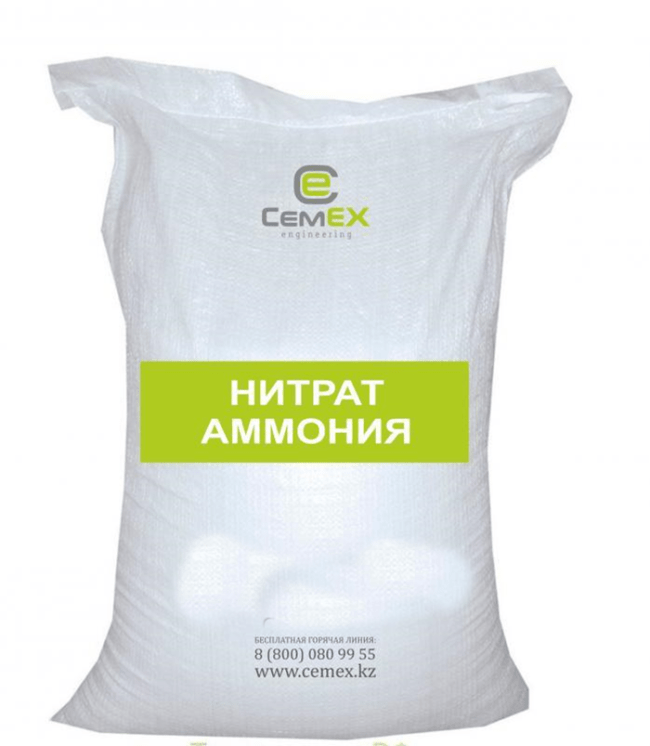
Since the product is highly hygroscopic, a separate, dry, ventilated room is allocated for storing the granules. Recommended storage conditions: air temperature no higher than 29-30°C, humidity no higher than 45-50%.
To prevent spontaneous combustion, do not store sawdust, straw, or peat briquettes in the area. Also, do not store flammable liquids/objects, food, animal feed, drinking water, or household items nearby. Store unused fertilizer in a hermetically sealed, labeled container (glass or plastic containers are suitable).
Ammonium nitrate is a universal nitrogen fertilizer widely used for crop care in garden plots, agriculture, and indoor growing. The key considerations when using it are adherence to application rates and safety regulations.