
- What micronutrients do cucumbers need for a bountiful harvest?
- The nuances of fertilizing bushes during flowering and fruiting
- Timing and frequency of fertilizing bushes
- How to apply fertilizers?
- Under the root
- Foliar fertilization
- Norms and dosages of drugs
- How to feed plants during flowering and fruit formation
- Folk recipes
- Yeast
- Bread
- Ash
- Serum
- Chicken manure
- Iodine
- Infusion of rotted hay
- Herbal infusion
- Baking soda
- Biological growth stimulants
- Healthy Garden
- Baikal EM1-1
- AgroMax
- BioGrow
- Complex mineral fertilizers
- Phosphate rock flour
- Superphosphate
- Urea (carbamide)
- Potassium magnesium sulfate
- Potassium nitrate
- Ammonium nitrate
- Sodium nitrate
- Azofoska
- Ammonium sulfate
- What to do in case of overdose
Cucumbers are a finicky vegetable crop. Their shallow root system poorly absorbs nutrients from the soil. It's important to know which elements of the periodic table are best absorbed and how they are absorbed. Cucumbers need a balanced mineral supply to ensure they'll provide a crisp, crunchy treat. It's important to learn the proper nutritional guidelines for cucumbers during flowering and fruiting before planting.
What micronutrients do cucumbers need for a bountiful harvest?
Before a gardener selects the right fertilizer for cucumbers, they'll have to do some research. It takes time and effort. Some fertilizers can cause leaves to turn yellow or fall off, while others can cause plants to wilt or even die. It's important to find the right balance—the right combination of chemicals needed for healthy development and growth.
To understand what mineral or microelement cucumbers need, you need to monitor them:
- If the foliage becomes bright green with a rich tint, then the cucumbers require nitrogen.
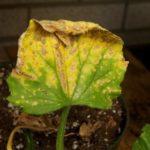
- When plants lack calcium, the leaves curl downwards, and their edges lose their pointed edges and become round.
- When a lighter colored border appears on the leaves, this indicates a potassium deficiency.
- Magnesium deficiency is recognized by whitish veins on the leaves.
Nitrogen is an essential element for cucumber growth. When it's adequate, the plant actively develops green mass, which is essential in the first days of life. Phosphorus plays a role in fruit set and growth. Without it, cucumbers wilt and fail to thrive. Potassium is responsible for shoot growth and abundant fruiting, so it's needed most.
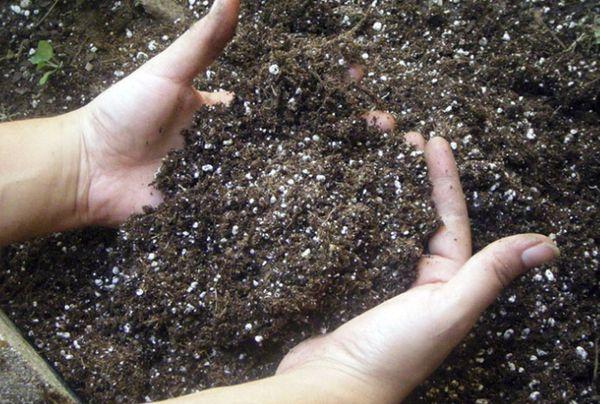
When providing cucumbers with balanced nutrition, it's important to add zinc, boron, and manganese to the fertilizer. Alternatively, you can purchase ready-made mineral complexes that contain all the ingredients.
The nuances of fertilizing bushes during flowering and fruiting
If you don't follow the rules for applying fertilizers to cucumbers, you may lose your harvest or get a poor-quality one.
Timing and frequency of fertilizing bushes
Fertilization timing is determined by the gardener, who constantly monitors the cucumbers to determine any mineral deficiencies. However, it's also important not to skip regular root and foliar feedings intended for vegetables.
The standard type of fertilizer application is carried out in several stages:
- 14 days after planting seedlings or emergence of shoots in the soil.
- Before the first flowering.
- When the first young cucumbers began to appear.
- At the last stage of fruiting.
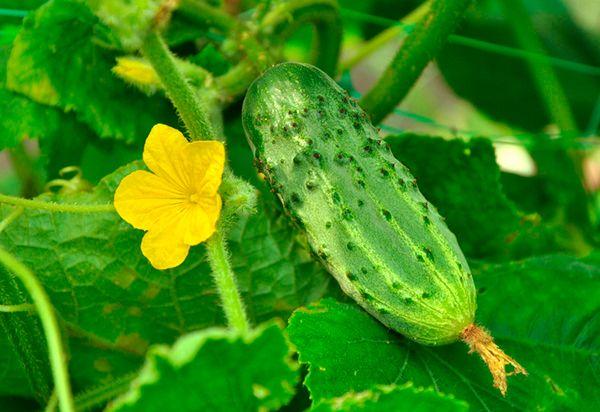
If cucumbers are in excellent condition in any weather, two feedings are sufficient: before flowering and during fruit set. During rainy weather and low temperatures, foliar feeding is used in addition to root feeding. Inclement weather impedes root development and leaves use up their nutrient reserves more quickly. Spraying with small amounts of fertilizer solutions morning and evening will help maintain growth and further development.
How to apply fertilizers?
There are two ways to add nutrients to cucumbers: watering them at the roots and spraying them with a mineral solution.
Under the root
The concentration of fertilizers applied under the root should be no more than 0.7%, unless otherwise specified in the instructions. Mineral complexes are applied to pre-moistened soil to avoid burning the root system. Fertilizers are applied to the roots using a watering can without a spray nozzle or through a drip line.
Foliar fertilization
Foliar feeding involves providing the plant with micro- and macronutrients through the upper vegetative parts, namely the leaves and stems, as well as the roots, without watering them with a working solution. For this purpose, dry mineral complexes are scattered on the soil surface; as the soil becomes wet, they dissolve and percolate into the soil. Another option for foliar feeding is spraying with a fine mist sprayer or atomizer.

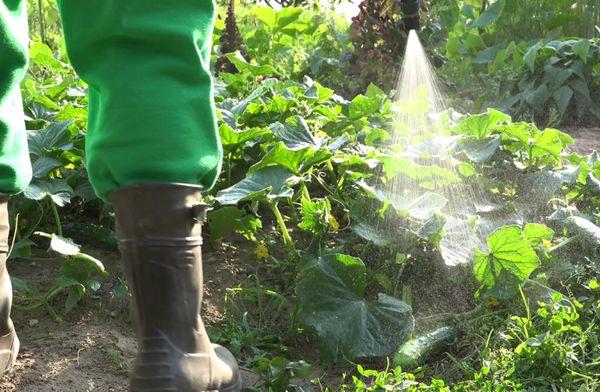
Foliar feeding is usually done in conjunction with regular root feeding. If cucumbers are experiencing problems, a single application is made, adding the element they are deficient in.
Norms and dosages of drugs
The first root feeding is done when the third or fourth leaf appears. For this, dilute the following in a 10-liter container:
- double superphosphate - 25 g;
- potassium sulfate - 20 g;
- ammonium nitrate - 15 g.
This amount is enough to treat a bed with 10 cucumber vines. After two weeks, when the plant begins to bloom and set fruit, fertilize again, but with a different solution, using organic matter:
- ½ l of fresh mullein;
- 1 tablespoon of nitroammophoska;
- 250 g wood ash;
- 0.5 g boric acid;
- 0.5 manganese sulfate.
All ingredients are diluted in 10 liters of water. Apply according to the following formula: 3 liters per 1 m2.
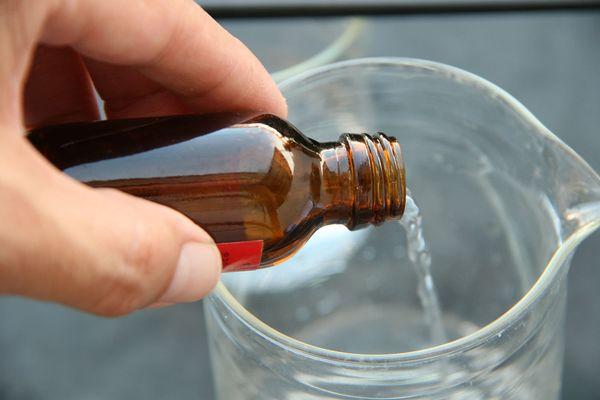
The third root feeding looks like this:
- Mix 20 g of nitrophoska and potassium nitrate with a glass of ash and dilute in a bucket of water.
- Water the solution at the roots.
- Pour clean water on top.
The fourth root feeding is carried out when fruiting begins in earnest. For this, you can use the previously prepared solutions from the first or second feeding.
How to fertilize plants without watering:
- When 3-4 leaves appear, as well as during the first flowering and formation of ovaries, dry nitroammophoska is scattered over the soil at a rate of 40 g/m2.
- You can spray plants with the following solution: for 10 liters of water take 60 g of superphosphate, 30 g of potassium nitrate, 1 g of boric acid, 0.1 g of manganese sulfate and zinc.
- When fruiting is abundant, cucumbers are sprayed with a solution of ammonium nitrate, 10 g of fertilizer per 10 liters of water.
- Dry ash can be added every two weeks, followed by loosening.
When applying fertilizer to the soil or to a bush, be sure to monitor the condition of the plants.
How to feed plants during flowering and fruit formation
Cucumbers respond positively not only to chemicals, but also to organic preparations that can be made from home-grown ingredients.
Folk recipes
The following products and substances can be used to prepare folk remedies.
Yeast
Cucumbers are fed with a yeast solution at least twice a season. The mixture is prepared as follows:
- Dissolve one packet of yeast and 0.5 kg of sugar in 3 liters of water.
- The container with the solution is placed in a dark, warm place and left to infuse for about three days.
- One glass of the working mixture is poured into a bucket and the plant is watered under the bush with 2 glasses.
- The resulting infusion is also used to treat green mass from an agricultural syringe.
The infusion for spraying is filtered.
Bread
Bread, like yeast, has a positive effect on the growth of green mass. Bread is used to make sourdough by steeping it in water.
When the starter interacts with the soil, microbacteria form, enriching the soil with nitrogen. They also release substances that stimulate root growth. Cucumbers experience a significant acceleration of vegetative growth, leading to earlier ripening.
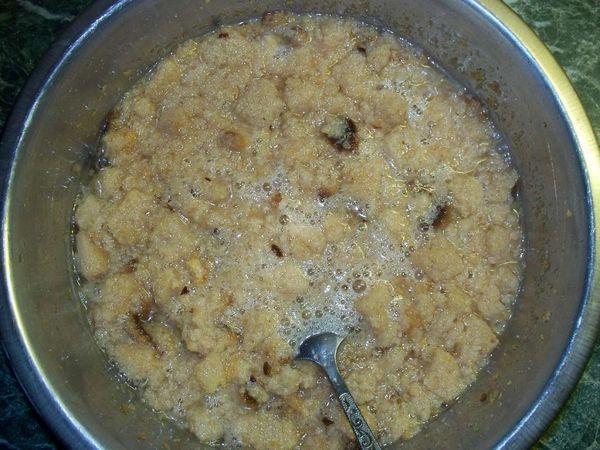
Throughout the year, don't throw away bread crumbs and bits; they'll be useful for summer fertilizer. Dry them and place them in a cloth bag. In summer, crush the bread crumbs and add water. Let them steep for a week, then water the cucumbers at a rate of 1 cup of starter culture per bucket of water.
Ash
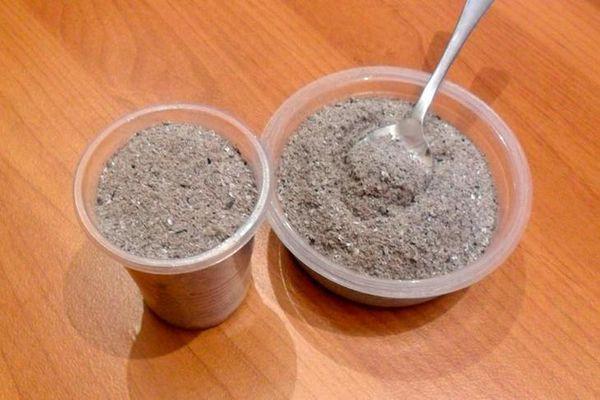
In this case, ash acts as a source of potassium and phosphorus, as well as a number of micronutrients. However, ash contains no nitrogen at all. A lack of potassium will cause cucumbers to lose their yield. A low phosphorus level will cause cucumbers to stop developing their roots, their growth will decline, and the plant will begin to wilt.
Ash is added to the hole before planting seedlings, at a rate of ½ cup per hole. It is then scattered over the soil when flower buds appear and young cucumbers begin to set. Ash is also used to dust the soil after watering to prevent the growth of viral microbes.
Serum
Serum is used to treat plants against anthracnose, powdery mildew, and downy mildew. It is used in combination with iodine. Dissolve one liter of serum and 40 drops of iodine in 9 liters of water. The water must be warm (28 degrees Celsius), and the serum must be fresh. Kefir or sour milk can be substituted for the serum. Spray the foliage with a spray bottle.
Chicken manure
Chicken manure has been used for all plants without exception since time immemorial. This fertilizer contains a large amount of live nitrogen and a minimum of weed seeds. However, it must be applied correctly to avoid burning cucumbers.
Place a bucket of manure and three buckets of water in a large container. Let it sit for a week, stirring occasionally. Then add chopped green grass and let it sit again. After fermentation has occurred, dilute the manure solution with water at a ratio of 1:20 and water the hole once every 14 days.
Iodine
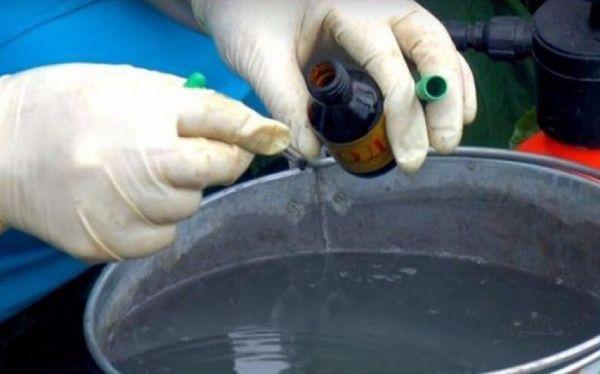
Pharmaceutical iodine will help ensure a good harvest and protect plants from pests. Typically, add 5 to 10 drops of a 5% solution per bucket. Then water the roots or spray the foliage. White bread, whey, milk, and brilliant green can be added to the fertilizer. Apply it as a fertilizer between the 2nd and 3rd leaf stages and at any other time to disinfect the plants.
Infusion of rotted hay
This fertilizer works like a green manure. Furthermore, the infusion helps prevent certain diseases of cucumber tops. The solution is prepared using a ratio of 1 part hay to 10 parts water. Crushed chalk or lime should be added to reduce the solution's acidity. The water should be hot. The hay bacillus that forms on the surface is a valuable biological material that serves as a foliar fertilizer.
Herbal infusion
Herbal infusion is an excellent green fertilizer. Place all the herbs from the garden in a large container and add water. Cover the container with a lid and let it steep for several weeks. When the herbs develop an unpleasant odor, add ash, eggshells, bread scraps, yeast, sour milk, and other food scraps to enrich the infusion with micronutrients.
Dilute in water in a ratio of 1 part infusion and 20 parts water, and then feed the plant by spraying or under the root
Baking soda
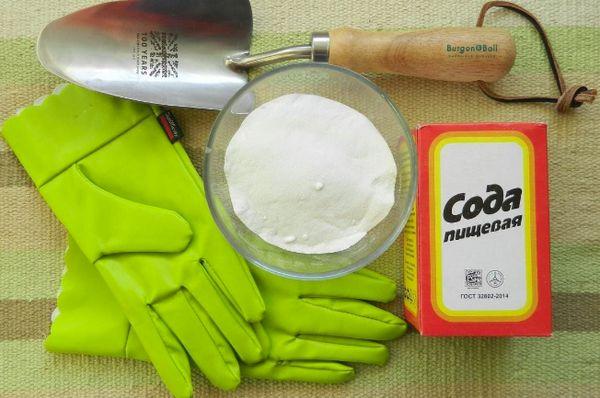
Natural sodium hydroxide is used to disinfect crops from pests. It is used preventatively to prevent insect attacks. To eliminate aphids from cucumbers, spray them with a soda solution in the evening. Treat the plants for three days until the aphids disappear.
Biological growth stimulants
Today, growth stimulants have become increasingly popular, especially in industrial cucumber growing conditions.
Healthy Garden
A complex based on sugar granules. It is used for spraying healthy cucumber plants once a month and twice a month for weaker ones. To prepare a solution, dilute two granules of the product in 100 ml of water, then add another 900 ml and spray the plants.
Baikal EM1-1
The formula contains only natural ingredients: yeast, nitrogen-fixing bacteria, lactic acid bacteria, and photosynthetic bacteria. It can be used for any type of fertilization: root, foliar, and soil. This stimulator increases the green mass of cucumbers, improves the taste of the fruit, and promotes the removal of nitrates from the crop.
AgroMax
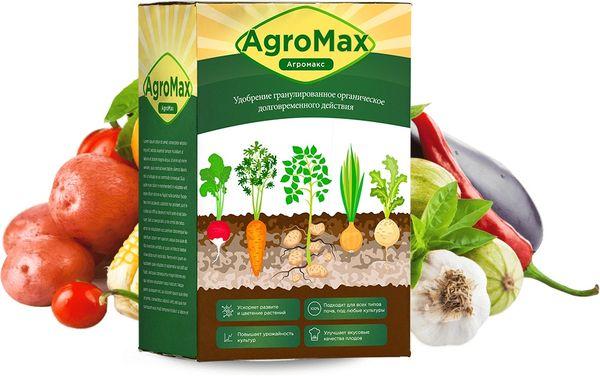
This stimulant is used to water plants, spray them, and soak seeds in the solution. AgroMax's composition is completely natural. It's relatively easy to use and the least expensive of all the stimulants. It helps cucumbers bloom and begin to bear fruit faster.
BioGrow
Consists of:
- active water;
- FLAO bacteria;
- flour concentrate;
- wood ash;
- humic acids.
It is available in paste and liquid form. The active ingredient should be prepared according to the instructions, which specify dosages and application schedules.
Complex mineral fertilizers
These fertilizers are pre-formulated with all the necessary nutrients for cucumbers. Each has its own composition, application method, and application period.

Phosphate rock flour
It can act as an alternative to superphosphate, but is used less frequently, as the effects are only visible the following year. It is applied to the soil in the fall by digging at a rate of 40 g per 1 m.2This fertilizer also normalizes soil acidity.
Superphosphate
It is available in several names depending on the amount of phosphorus it contains:
- simple - gray powder used with compost;
- granulated - used independently for scattering on the ground and for preparing a solution for spraying;
- Double - granules with a high phosphorus content, used according to the instructions, as it can harm cucumbers;
- ammoniated - in addition to phosphorus, contains potassium.
The dosage and application methods can be found in the instructions. When preparing the solution, use personal protective equipment.
Urea (carbamide)
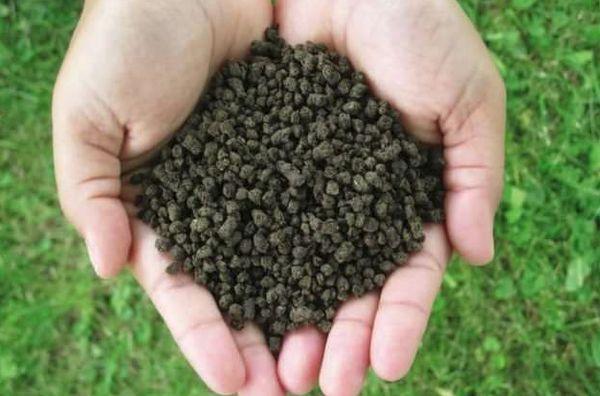
It is used as a standalone fertilizer, as well as in the preparation of complex fertilizers. Available in tablet or granule form. Application methods:
- watering the roots with a liquid solution during the active growth phase;
- application and subsequent sealing into holes before planting;
- spraying during the flowering period.
Potassium magnesium sulfate
Available in powder and granule form. Contains magnesium, sulfur, and potassium. It is used for spring or fall soil preparation for cucumbers. The fertilizer is applied in the required amount and then dug in. A second application is made during flowering.
Potassium nitrate
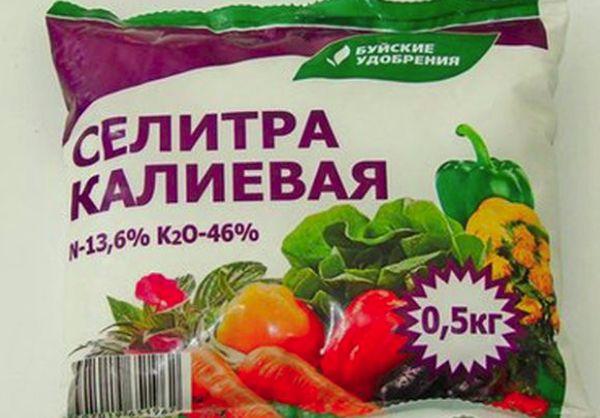
A combination of potassium and nitrogen, with the latter comprising only 14%. It is used during mass fruiting and is applied in liquid form through irrigation at the roots. This type of fertilizer should not be mixed with organic matter; it is diluted only with water.
Ammonium nitrate
A nitrogen fertilizer that's very popular among gardeners and quite inexpensive. It's used only for root watering. The first application is after planting the seedlings, and the second at the beginning of flowering.
Sodium nitrate
This type of nitrogen fertilizer is used in acidic soils when no other soil conditions are available for cucumber growth. It is not suitable for fertilizing plants grown under cover; it is only suitable for open ground. The active nitrogen content of the fertilizer is 15%.
Azofoska
This complex contains nitrogen, phosphorus, sulfur, and potassium. It is very well absorbed by cucumbers. Available in pink granules, this fertilizer promotes vigorous growth, increased yields, and improved fruit set. Cucumbers fed with azophoska have a better shelf life.
Ammonium sulfate
A nitrogen fertilizer that can be applied in the fall during tilling, in the spring before planting, or when cucumbers begin to grow in the soil. The dry application rate is 40 g per 1 m.2This nitrogen fertilizer is very easily absorbed by cucumbers.

What to do in case of overdose
Everything is good in moderation. Excess organic matter and minerals negatively affect cucumbers. But the problem can be solved:
- Don't make up your own formulations. All dosages must be followed according to the instructions.
- A generous watering will help flush out excess fertilizer and infuse it into the lower soil layers. Sometimes, two buckets per square meter will be required.2.
- If the plant is small, you can replant it and replace the soil in the previous place.
But it's not always possible to replant cucumbers, especially if side shoots have appeared. However, flushing the plants can help resolve the situation.
Fertilizing cucumbers is a science in itself. It's important to know all the nuances of fertilizing, as improper application can cost a gardener their harvest.
Related posts:
 Description of unusual methods for planting and growing cucumbers
 Description of the best varieties of Chinese cucumbers, planting, growing and care
 How to plant cucumbers in open ground under film: timing and cultivation technology
 How to properly plant cucumbers in open ground with seeds, and at what depth
 Why cucumber leaves are drying out and what to do, how to treat them in a greenhouse and in the ground
 Description of the best varieties of bee-pollinated cucumbers, rules for their formation and care
 How to care for cucumbers in open ground from planting to harvesting
 How to water cucumbers in a greenhouse and open ground, timing and water consumption rates