
- Is it possible to feed cucumbers with saltpeter?
- Fertilizer characteristics
- Benefits of using calcium and ammonium nitrate for fertilizing cucumbers
- How do fertilizers affect the growth and fruiting of bushes?
- Compositions and proportions for preparing fertilizers
- Preparing a calcium solution
- Preparing ammonium nitrate for fertilizing
- Timing and frequency of introducing saltpeter bait
- Technology of correct application
- What fertilizers are prohibited for use together?
- Safety precautions when working with substances
- Reviews of the product from experienced gardeners and vegetable growers
- Conclusion
It's no secret that cucumbers need micronutrients for normal growth, which have a beneficial effect on yield and plant development. Some gardeners feed their plants with calcium nitrate, a fertilizer specifically designed for cucumbers.
Is it possible to feed cucumbers with saltpeter?
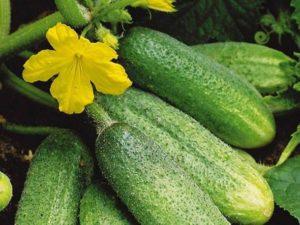
Before fertilizing cucumbers, you need to determine whether a saltpeter mixture can be used. Some vegetable growers claim that saltpeter should not be used when growing cucumber bushes, but this is not true. This fertilizer promotes vegetable growth because it contains many beneficial nutrients. It enriches the soil with potassium, calcium, nitrogen, sodium, and magnesium.
To ensure that the nitrate fertilizer does not harm the planted vegetables, it must be used correctly and the dosage must be observed.
Fertilizer characteristics
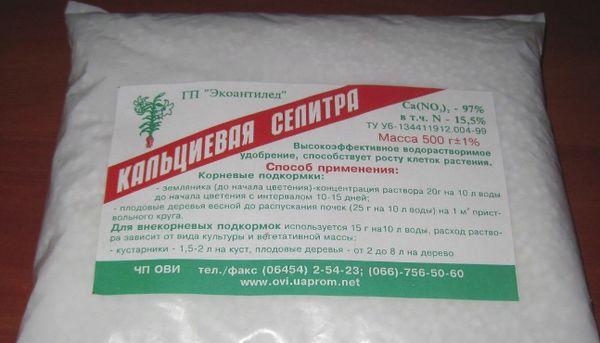
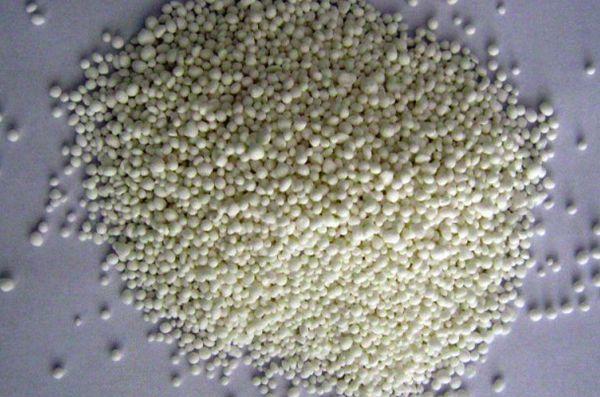
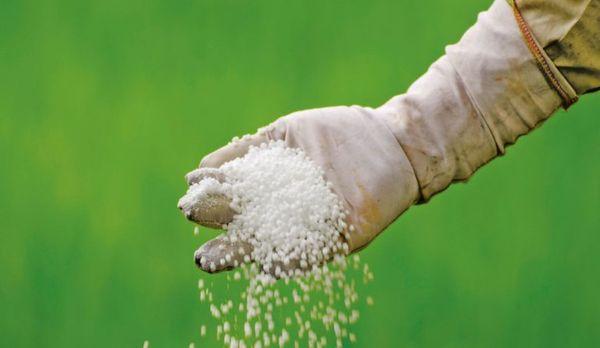
Calcium nitrate is a fertilizer mixture that contains a significant amount of nitrogen. It appears as small white granules or crystals that must be mixed with water before use. The fertilizer is sold in special sealed bags because it is hygroscopic. Experts recommend using powdered fertilizer, as it dissolves better in water.
Some gardeners rarely use this fertilizer because it contains virtually no phosphorus. However, despite this, cucumbers should be periodically fertilized with saltpeter, as it quickly provides the plant with calcium, which is essential during the early stages of the growing season. Calcium strengthens the root system of cucumbers and accelerates the ripening of the crop several times.
Benefits of using calcium and ammonium nitrate for fertilizing cucumbers
Before using ammonia or calcium compounds, it's important to understand their main advantages. The benefits of nitrate include the following:
- Accelerating photosynthesis. This allows seedlings to develop faster and prevents their leaves from turning yellow.
- Increased yield. The saltpeter mixture contains microelements that not only accelerate plant growth but also increase yield.
- Rapid germination. If you water the soil with calcium nitrate before planting, the seeds will germinate a week earlier.
- Increased resistance to insects and common diseases. Cucumbers regularly watered with a saltpeter mixture are almost never affected by diseases.
- Improving taste. Using this fertilizer makes ripe cucumbers juicier and tastier.
Take a look Also
How do fertilizers affect the growth and fruiting of bushes?
Many gardeners are interested in how saltpeter mixtures affect the fruiting and development of vegetable crops. These fertilizers promote the growth of bushes and fruits, and therefore, fertilizing cucumbers with saltpeter is often used to increase their yield.
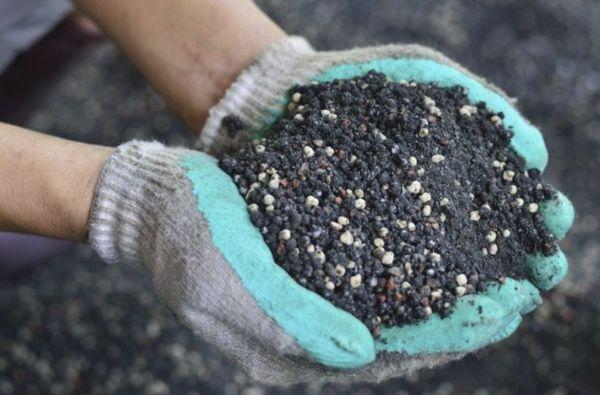
Experienced gardeners recommend using calcium fertilizer when growing cucumbers with poor yields to improve their fruiting. The fertilizer should be added to the soil not only after the seedlings emerge but also before planting. This will help maintain optimal nitrogen and calcium levels in the soil.
Compositions and proportions for preparing fertilizers
Before using fertilizer, you need to understand the specifics of preparing ammonia and calcium fertilizers.
Preparing a calcium solution
It's no secret that calcium fertilizer can be purchased at any store that sells fertilizers and gardening supplies.
However, some gardeners are swayed by the cost of such fertilizers and decide to make their own. This requires purchasing ammonium nitrate and boiling it. It's recommended to do this in a well-ventilated area, as the mixture emits an unpleasant odor. When preparing the fertilizer, it's best to wear a respirator and gloves to protect your skin.
To prepare cucumber fertilizer, add 400 grams of nitrate and 700 grams of lime to 5 liters of water. Bring the solution to a boil, then simmer for another 30-35 minutes. Once the mixture no longer emits an unpleasant odor, remove it from the stove and let it steep for 1-2 hours until it cools completely.
Preparing ammonium nitrate for fertilizing
Before using a potassium solution, you'll need to learn how to prepare it properly. To create an effective fertilizer mixture, add 65 grams of wood ash, 10 grams of urea, and 15 grams of saltpeter to a five-liter container of water. Mix the ingredients thoroughly and let it steep for an hour and a half, after which you can water the plants.
Timing and frequency of introducing saltpeter bait
It's recommended to research in advance the best time to apply a potassium fertilizer solution when growing cucumbers. When choosing the optimal time for fertilizer application, it's important to keep in mind that the plants need to be supplied with nutrients throughout the growing season. This is the only way to harvest a delicious cucumber crop.
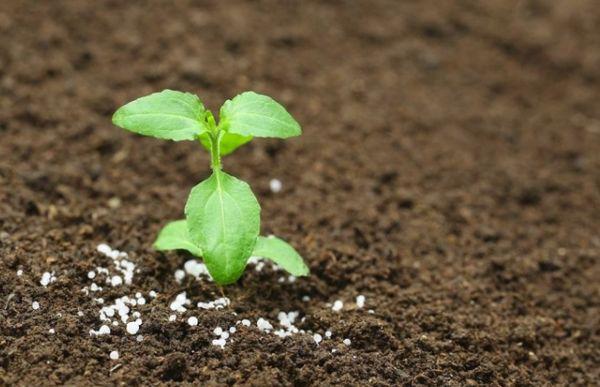
The initial feeding should be done in the spring, before early July. This is when cucumbers begin to actively develop green tops. Some gardeners apply saltpeter for the first time when planting seedlings. In this case, the timing of the application will depend on the time the plants are planted. Repeated applications of saltpeter-based fertilizers are made during flowering.
Technology of correct application
It's recommended to familiarize yourself with the technology of applying saltpeter to the soil in advance to properly fertilize planted cucumbers. Fertilizing with saltpeter mixtures is carried out:
- Before planting vegetables in the garden, fertilizers are added to the soil dry and not mixed with water. Nitrate is added to each hole at a rate of 8-10 grams. It is then thoroughly mixed with the soil to avoid burning the roots.
- During the growing season. During the growing season, use fertilizer diluted with water. To do this, add 35 grams of saltpeter powder to 15 liters of hot water. Pour 1-2 liters of liquid under the roots of each plant.
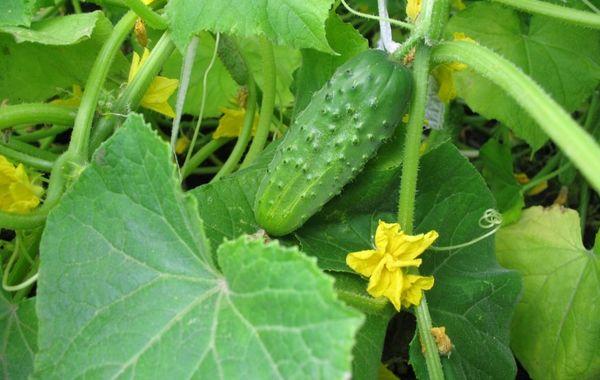
- During fruit formation. When the first cucumbers appear on the bushes, foliar feeding is started. The liquid is sprayed onto the leaves in the evening and morning. This prevents the development of diseases and boosts immunity.
What fertilizers are prohibited for use together?
Some vegetable growers believe that saltpeter is compatible with all types of fertilizers, but this is not true. There are certain fertilizers that should not be used with saltpeter mixtures. They should not be combined with:
- straw;
- sawdust;
- phosphate;
- manure;
- with chalk.
It is also contraindicated to mix saltpeter with phosphorus-containing fertilizers and superphosphate.
Experts recommend combining calcium and ammonia fertilizers with wood ash and urea. Watering with a mixture of these components increases yield and strengthens the roots of the plants.
Safety precautions when working with substances
Nitrate is not classified as a toxic fertilizer, and therefore poses no harm to human health. It doesn't even cause allergic reactions in humans. However, this doesn't mean safety precautions should be ignored when working with the substance.
When working with the mixture in the greenhouse, wear thick rubber gloves to protect your skin from liquid contact. Experts also recommend using a respirator for additional respiratory protection.
Reviews of the product from experienced gardeners and vegetable growers
Alexander, 35: "Last year, I decided to plant cucumbers in my garden so I could enjoy homegrown vegetables in the summer. While growing them, I ran into trouble choosing the right fertilizer. I tried various fertilizers, but most were ineffective. I only saw positive results with saltpeter. After using this fertilizer, the fruits began to ripen much faster."
Tatyana, 40: "Last spring, my husband and I built a greenhouse to plant and grow early-ripening cucumbers. While growing them, we encountered slow growth. We managed to overcome this problem with calcium nitrate."
Conclusion
Planted without the use of fertilizer mixtures cucumbers will grow slowly and poor fruiting. Calcium nitrate is most often used for fertilizing. Before using it, it's important to understand the fertilizer's properties and the specifics of its use.
Related posts:
 The best eggplant varieties for growing in a polycarbonate greenhouse: planting and care
 Using calcium nitrate for cabbage, how to feed it and the application rate
 How to use and prepare manure as a fertilizer, its types and composition
 Description and characteristics of the best seeds of pea varieties and types
 What is the best way to feed tomato seedlings to make them plump?
 Is it possible to soak treated cucumber seeds before planting and how to do it correctly?
 The use of calcium nitrate for fertilizing peppers and the rules of procedure
 How to feed and what fertilizers are best for blueberries, soil acidification