
- Why shape bushes?
- What happens if you don't shape cucumbers?
- What varieties of cucumbers can be grown in a single stem?
- Advantages of formed bushes in one stem
- Basic rules
- Garter
- Leaf removal
- Removing lateral shoots
- Topping
- How to Properly Form Cucumbers in a Polycarbonate Greenhouse: Optimal Timing and Scheme
- Nuances of plant formation depending on the variety
- Parthenocarpic
- Bee-pollinated and branched
- Proper care of the plant after the procedure
- Experienced gardeners' reviews of the method
The question is, How to form cucumbers into a single stem, arises among gardeners who need to increase their yield. There are several ways to get plenty of fruit of the right quality. It's important not only to choose the right plant variety but also to learn how to care for it properly to avoid disappointment in farming.
Why shape bushes?
If you've decided to grow cucumber plants in your garden, familiarize yourself with the care instructions. In addition to watering and weeding, you'll need to shape the plants. Failure to do so increases the risk of the following problems:
- Cucumber thickets create a favorable environment for the development of diseases, and the lack of sunlight will also lead to an increased risk of pests appearing on the site.
- The shoots take away strength, as a result of which the number of ovaries decreases, for this reason it is recommended to shape the bushes.
- When the crown is too wide and spreading, the process of photosynthesis is disrupted, sunlight does not penetrate to the stems and roots, which reduces the yield.
If a gardener begs for a plant that is pollinated by bees, it will be difficult for insects to reach the flowers, resulting in a significant reduction in the number of fruits.
So why do they form bushes into one stem?
- in order to increase the crop yield;
- protect cucumbers from pests and diseases;
- prevent the appearance of barren flowers on the site.
You must admit, it's not a very pleasant situation when the efforts expended bring no results and, standing in the garden, the gardener watches as cucumbers bloom in vain in the bed or greenhouse.
What happens if you don't shape cucumbers?
Bush formation plays a significant role in the process of growing cucumbers in a garden plot. If this procedure is ignored, the likelihood of various problems developing increases.
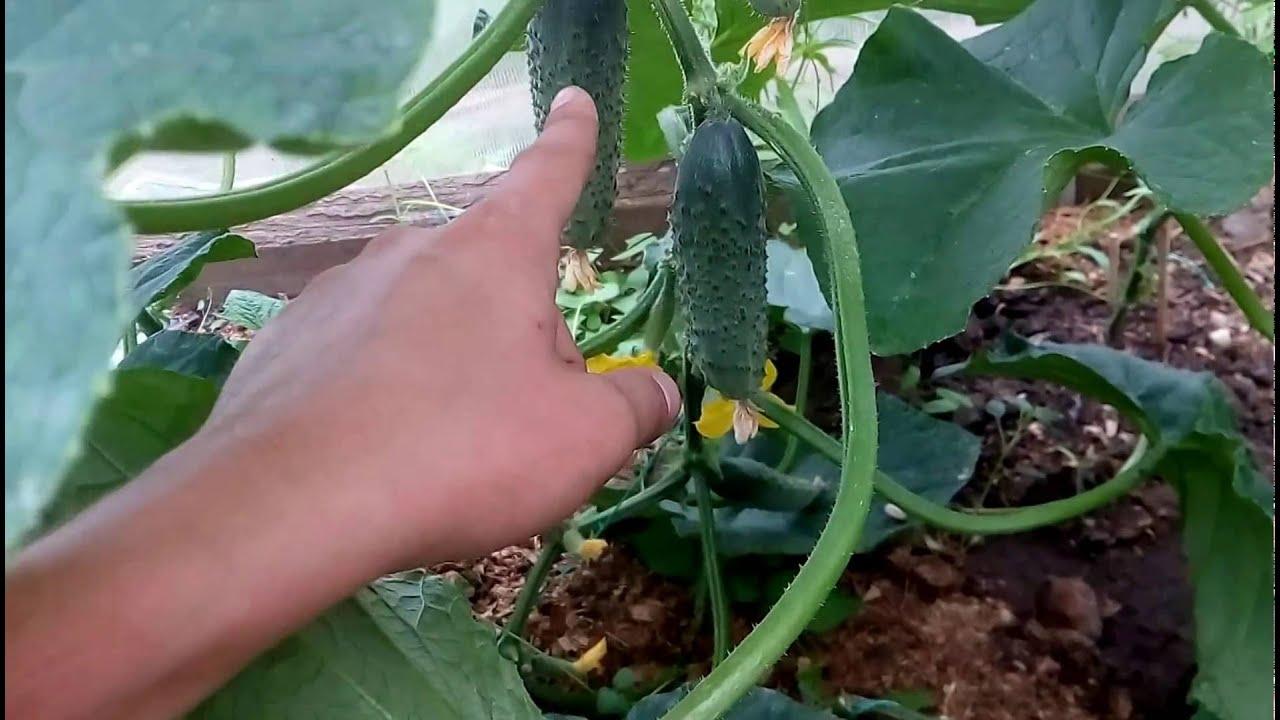
Most often, summer residents encounter:
- With a low yield, that is, there is a supply, but the cucumbers simply do not have enough strength to form fruit.
- The resulting cucumbers are small in size and do not meet the gardener's requirements. These cucumbers may be unsuitable for preserves, and even unsuitable for fresh consumption.
- The plant, or rather its fruits, will become “easy prey” for pests, which will be able to feast on them while hiding behind the thickets of cucumber foliage.

Simply put, if you don’t take care of the plant, it will:
- will not produce the expected harvest, and the fruits will be small in size;
- more likely to be affected by diseases or pests.
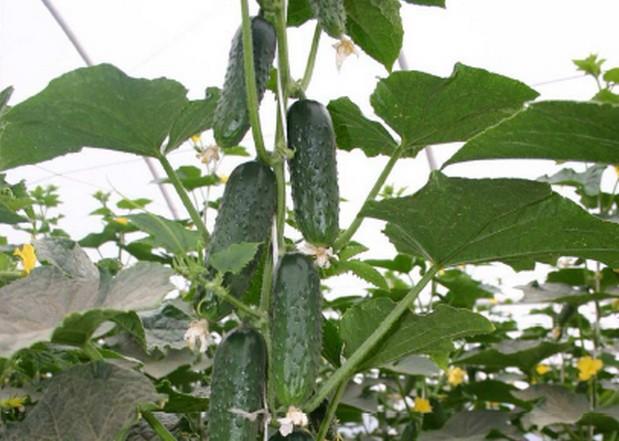
If you don't shape the stems and remove the ovaries, the cucumbers won't die. But you're unlikely to get a decent harvest that will surprise and delight you.
What varieties of cucumbers can be grown in a single stem?
Growing various crops in a garden is undoubtedly a challenging task. It's even more challenging when you need to select the right varieties for planting. Let's look at the main varieties of cucumbers:
- When planting an F1 hybrid in a greenhouse or soil, it is impossible to obtain seeds that retain their characteristics.
- A varietal cucumber can be left for seeds; its characteristics will not change – they will be preserved.
In addition to the classification described above, cucumbers can be divided into:
- self-pollinating, as well as those that do not require pollination at all;
- There are also plants that are pollinated by insects, they are called bee-pollinated.
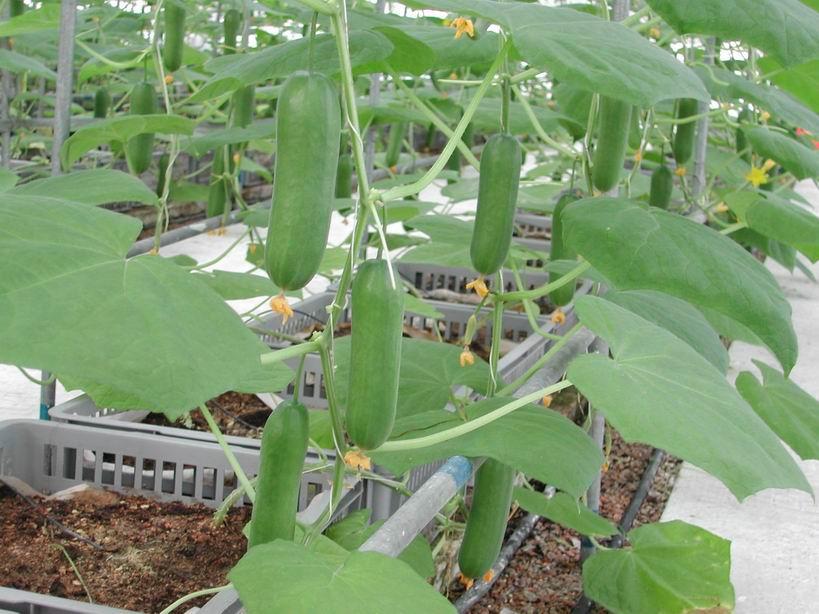
Knowing how to shape a bush is essential for growing any plant, but it's especially useful for those planting hybrids and growing them in greenhouses.
Advantages of formed bushes in one stem
Growing and shaping cucumbers into a single stem has a number of advantages and allows you to avoid:
- The appearance of twisted, small fruits with low taste qualities on the branches.
- The quality of the fruit increases; if you don’t pick off the leaves, they will shade the root system.
- It will be easier for bees to get to the flowers and pollinate them.
- The process of caring for cucumbers is simplified; it will be easier for the gardener to weed, loosen the soil, and water.
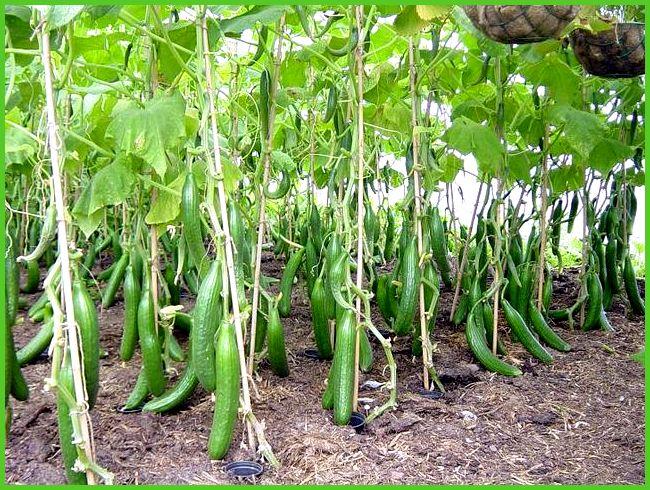
Note: This type of shaping improves the plant's immunity, preventing the rapid spread of disease or reducing the risk of pest exposure.
All maintenance procedures are simplified, reducing effort and increasing yields. Gardeners won't have to wade through thickets to harvest the desired fruit.
Basic rules
The most important rule, which should not be neglected under any circumstances, is the advice "don't twist the vines." If the stem is damaged during tying, the cucumber will stop growing and gradually dry out.
Garter
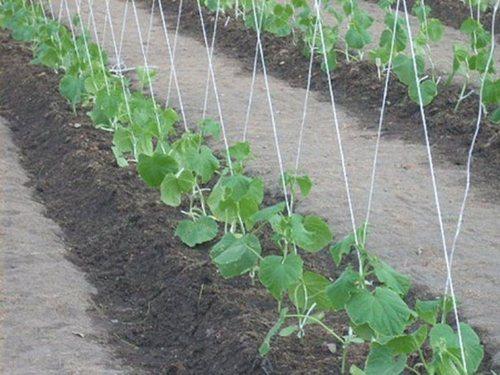
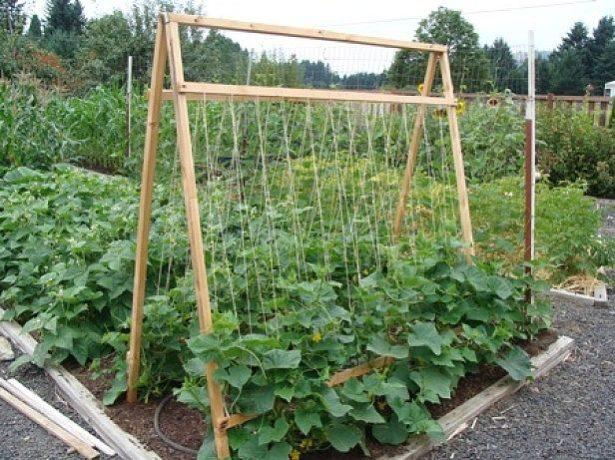
If you plan to grow cucumbers in a greenhouse, you can use vertical trellises. The plants are tied to them. For cucumbers grown outdoors, you can use vertical stakes. Staking should be done immediately after planting the seedlings in the greenhouse or in the soil or garden bed.
Leaf removal
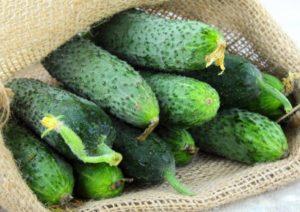
Shoots are pruned because they drain the plant's strength and energy. This is done in the following manner:
- it is necessary to remove the side leaves;
- remove flowers in the first axils of 3 leaves.
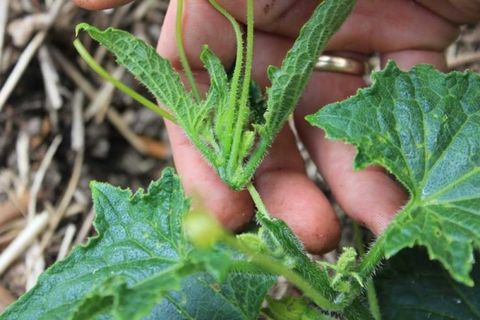
Remove all female shoots, then begin pinching the bush. Any shoots that appear in the upper axils can be left. However, be careful—some bushes in the lower part are developing female shoots.
Removing lateral shoots
You'll need to remove all lower shoots; those at the top are left in place. This procedure is recommended when the side shoots reach 3 centimeters in length. However, pruning all shoots risks losing the harvest, as some varieties tend to produce female flowers at the bottom and male shoots in the center.
Topping
This procedure is performed when the stem reaches the top of the trellis or other support. It is positioned at the level of 3-4 leaves. As the bush grows and develops, you can wrap the cucumber vine around the wire and pinch it.
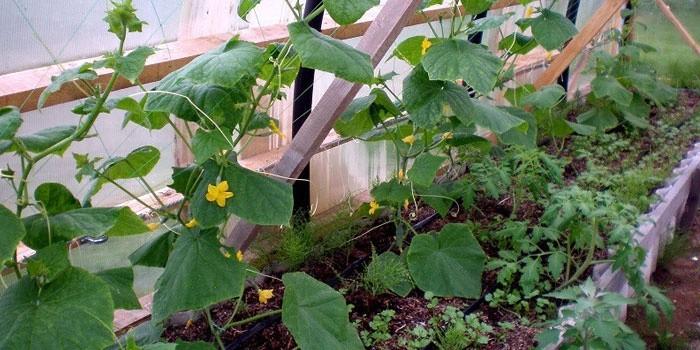
How to Properly Form Cucumbers in a Polycarbonate Greenhouse: Optimal Timing and Scheme
The table will help you to review the process step by step or analyze the action plan:
| First stage: | We tie the plant to a vertical support, leaving the lower leaves alone for now. |
| Second stage: | We completely free the stem from the lower and lateral shoots. |
| Third stage: | We remove the flowers, but do not touch those in which ovaries have already formed, otherwise there will be no harvest. |
| Stage Four: | We shorten the shoots in the middle part of the bush, and leave up to 3 nodes in the upper part. |
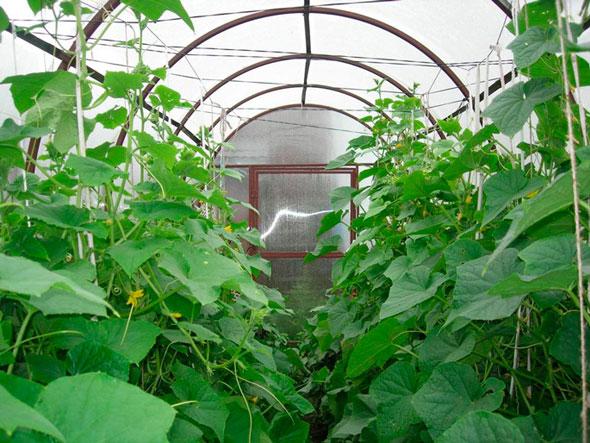
| The final stage: | When the bush reaches a height of 2 meters, it is left; if the height of the greenhouse does not allow this, then the cucumber is pinched at the 8th leaf and released along the wire. |
At the bottom, the main growth points are plucked out, which eliminates the possibility of infection with root rot.
If a gardener is not prepared for such plant care methods or is rarely on site, then he should consider choosing a variety that does not require pinching.
Nuances of plant formation depending on the variety
There are certain tricks that are specific to different types of cucumbers, and they are actively used by gardeners with specific skills.
Parthenocarpic
These varieties produce a large number of shoots, most of which are female. However, no more than one-fifth of these shoots bear fruit. Several shoots may emerge from a single ovary, which is considered a characteristic feature of the species.
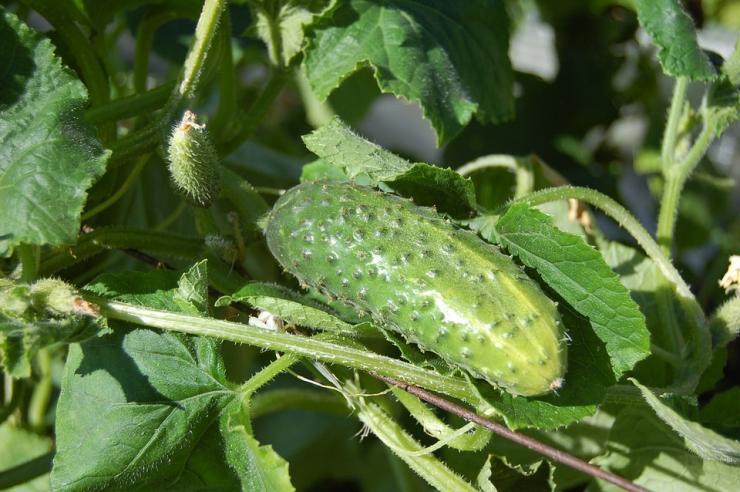
The remaining shoots will fall off and dry out, which can happen for various reasons, including a lack of nutrition or warm water. Therefore, it's crucial not to miss the moment and begin shaping them promptly.
Bee-pollinated and branched
It's not a good idea to train bushes this way, as the main stem consists primarily of male shoots, with female shoots growing on the sides. Removing the side shoots can result in a missed harvest. Pollination of such plants is impossible without the help of insects.
Proper care of the plant after the procedure
The step-by-step method is also used after the procedure—it involves following specific advice and helps avoid various problems. Here's what to do:
- Pick off ovaries and shoots in the morning; by evening, the plant will have recovered from the damage, significantly reducing the risk of infection.
- In a polycarbonate greenhouse or hothouse, when removing side shoots, it is forbidden to turn the vines over – the cucumbers will not survive this.
- Remove dried leaves and shoots so that the plant receives enough light.
- Don't forget to remove shoots that are no longer bearing fruit - they can cause infection.
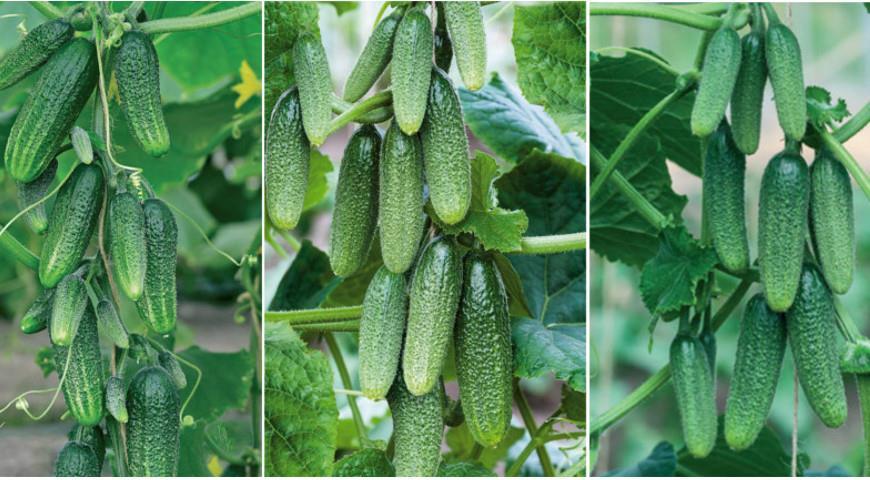
Advice: If you missed the pinching timely, it's best to leave the plant as is, at its full height. Removing the plant's growing point will doom it.
Experienced gardeners' reviews of the method
Gardeners say the method is quite effective. The following reviews confirm their opinion:
- Viktor Senin: "I trained cucumbers into a single stem, resulting in a record harvest. It required little effort, but the results were impressive."
- Arina Isaeva: "I was plucking out the side shoots and damaged several bushes. They all died and dried out. It's a shame."
- Alina Maslova: "My mother constantly plucks the leaves from her cucumbers, saying that it helps them set fruit faster."
Forming cucumbers into a single stem is a simple yet highly effective procedure, with its own nuances and rules. Try to adhere to these guidelines, as this can negatively impact yield.
Related posts:
 How to prepare pickled cucumbers in adjika for the winter without sterilization and Caucasian style: recipes
 Description of the best varieties of Chinese cucumbers, planting, growing and care
 How and with what to cover cucumbers from the cold in open ground, what to do for protection
 How to plant cucumbers in open ground under film: timing and cultivation technology
 TOP 30 best varieties of cold-resistant cucumbers with descriptions and characteristics
 TOP 30 best determinate cucumber varieties with descriptions
 Description of the best varieties of bee-pollinated cucumbers, rules for their formation and care
 35 Best Powdery Mildew-Resistant Cucumber Varieties with Descriptions