
- The advantage of disease-resistant varieties
- Best varieties and growing tips
- The most popular varieties of cucumbers
- Gerasim F1
- Noble F1
- Grandson F1
- Sigurd F1
- Bogeyman F1
- Lenara F1
- Arctic F1
- Thumbelina F1
- Baby F1
- Baby Krepyshok F1
- Crispy Bed F1
- Fugue F1
- Lance Corporal F1
- Amurchonok F1
- Zki 104 F1
- Grandfather's Granddaughter F1
- Spring whim
- Early ripening cucumbers
- Diva
- Masha
- Tom Thumb
- Early ripening varieties
- Nightingale
- Princess
- Martin
- Mid-early and medium varieties
- Chinese disease resistant
- Goosebumps
- Natalie
- Pasadena
- Phoenix Plus
- Lancaster F1
- Benefit
- Sir
- Mid-late crops
- Fontanelle
- Darling
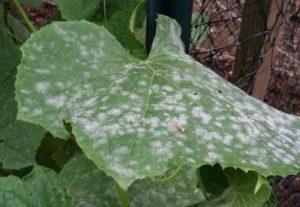
After sudden temperature fluctuations and prolonged rains, the immunity of vegetable crops is weakened, making them unable to fight off pathogens. Cucumber leaves become coated with a film, quickly turn yellow, and dry out; without immediate action, the plants die. Fungi are very difficult to control; they don't respond well even to biological fungicides or chemicals. Vegetable growers try to plant cucumber varieties resistant to powdery mildew. Many hybrids are resistant to viruses and are not susceptible to downy mildew.
The advantage of disease-resistant varieties
Reading the description and characteristics of the plant on the packets in which the seeds are sold, one can conclude that all of them are immune to powdery mildew, but most varieties are vulnerable to fungal infection.
However, recently, new varieties have emerged that are truly resistant to the disease, which can quickly destroy entire cucumber crops. The advantage of these hybrids and varieties is that even during an epidemic, the leaves do not turn yellow or dry out, and the bushes continue to set fruit, fruiting continues, and yields decline only slightly.
Best varieties and growing tips
Cucumber hybrids based on the Japanese varieties Cascade, Erofey, and Kit, as well as Krepysh, Brunet, and Debut, bred in the Moscow region, are resistant to powdery mildew.
To protect vegetables from fungal infection, it is recommended:
- Observe crop rotation; return the crop to its place no earlier than after 2 years.
- Plant cucumbers in a sunny area that is protected from the wind.
- Plants should be sprayed repeatedly with Fitosporin to prevent diseases; if signs of infection appear, they should be treated with fungicides.
- Provide ventilation to the bushes by placing the vines in one row.
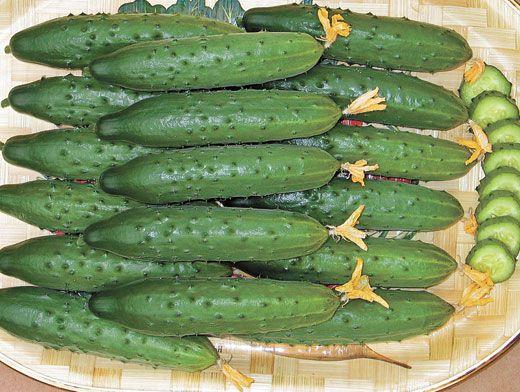 Sow seeds in open ground when the soil warms up to 15°C. Add humus or compost to the hole prepared for the seedlings.
The most popular varieties of cucumbers
In addition to disease resistance, gardeners and farmers who grow heat-loving vegetables are interested in the plant's yield, fruit flavor, and culinary qualities.
Not only naturally pollinated varietal cucumbers are popular among gardeners, but also parthenocarpic hybrids, whose cucumbers are suitable for pickling.
Gerasim F1
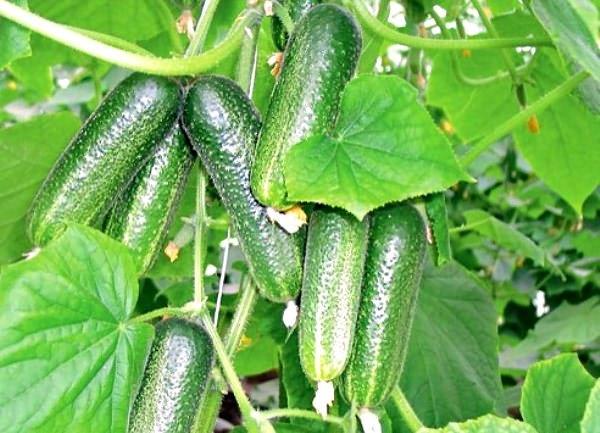
A plant with female flowers, produced several at a time per node and requiring no pollinator, produces a high yield of cucumbers with short, light stripes alternating with spots. The Gerasim hybrid produces cylindrical, vitamin-rich fruits weighing 110 g each, ripening in 38–40 days.
Noble F1
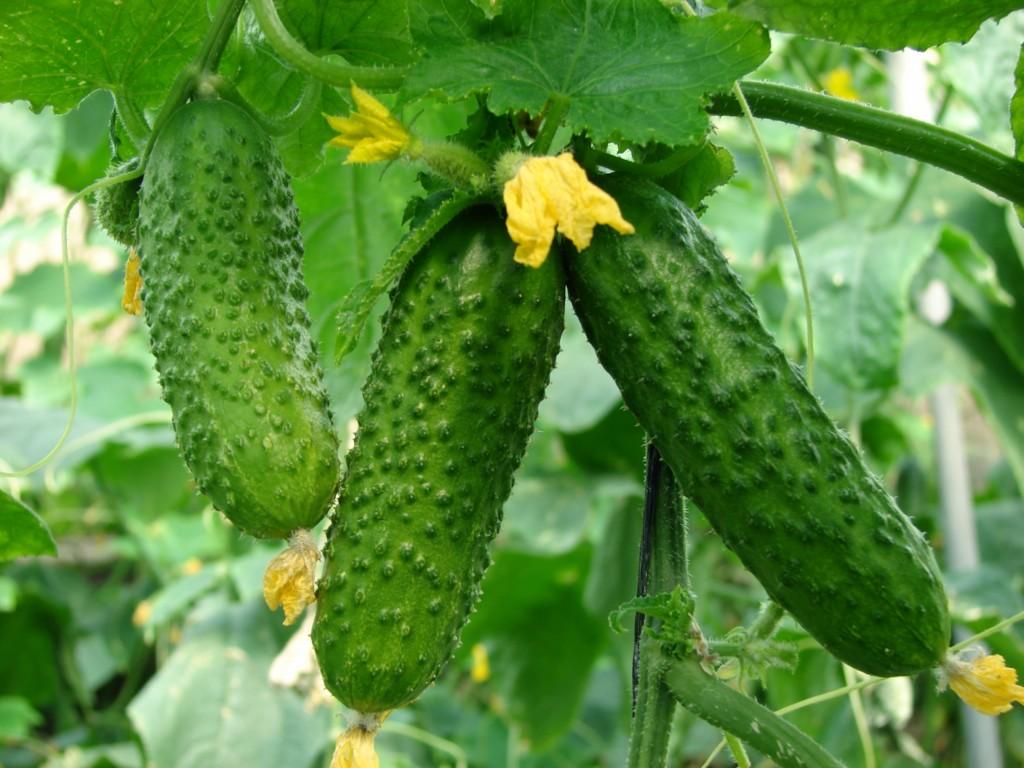
An early-ripening hybrid is planted under plastic and in open ground. Bees are attracted to pollinate its flowers. Cucumbers with small tubercles and white spines grow up to 13 cm in length. Gardeners enjoy growing the Dvoryansky variety because neither the leaves nor the shoots are affected.
- powdery mildew;
- anthracnose;
- spotting.
The green cucumbers, which ripen within a month and a half, are suitable for pickling. After processing, the fruits remain crunchy.
Grandson F1
This cucumber, developed by Russian breeders, produces clusters of female flowers. This variety is suitable for commercial cultivation, with farmers harvesting up to 450 centners of vegetables per hectare. The Vnuchok hybrid boasts a long fruiting season. The cucumbers are 7 or 8 cm long, weigh 70 g, and feature white stripes at the base, as well as white spines.
Sigurd F1
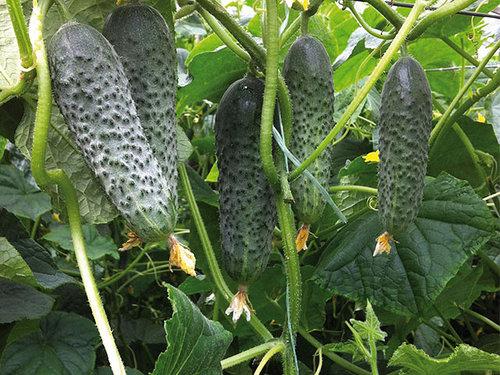
The parthenocarpic hybrid's bushes have powerful roots and form a single stem. The plant is surprisingly productive. The Sigurd variety yields over 22 kg of gherkins from a one-square-meter plot.
- spindle-shaped;
- with a uniform dark color;
- with a large number of tubercles.
The short, tasty cucumbers weigh 100 grams. The plant is resistant to powdery mildew and viruses.
Bogeyman F1
Tall, self-pollinating bushes with female flowers produce clusters of several gherkins. The Babayka hybrid delights with its yield of early, beautiful fruits:
- with thin, delicate skin;
- with small tubercles;
- with dense pulp.
The plant is resistant to root rot and is immune to downy mildew. This variety is suitable for open ground cultivation and thrives under plastic film.
Lenara F1
One of the new varieties to hit the vegetable market has impressed with its characteristics—high yields and resistance to weather extremes. The Lenara F1 hybrid boasts strong roots and produces robust shoots.
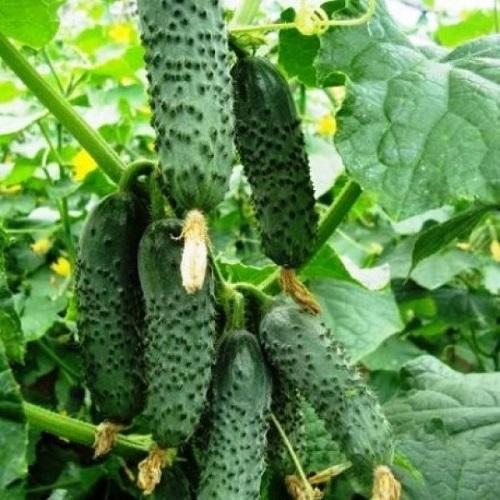 The 12 cm long, cylindrical gherkins are decorated with light stripes and sparsely covered with white spines.
Arctic F1
This variety is attractive for its very early ripening cucumbers. The first fragrant greens are harvested on the 35th day. This hybrid is based on Korean selection; the leaves on the Arctic bushes are covered with a coating that protects them from pests.
Thumbelina F1
This climbing indeterminate plant yields up to 18 kg of cucumbers in garden plots. The female flowers do not require bees for pollination. The Thumbelina hybrid produces spindle-shaped, rounded fruits weighing 90 g. The green skin, in addition to the bumps, is dotted with spots.
Baby F1
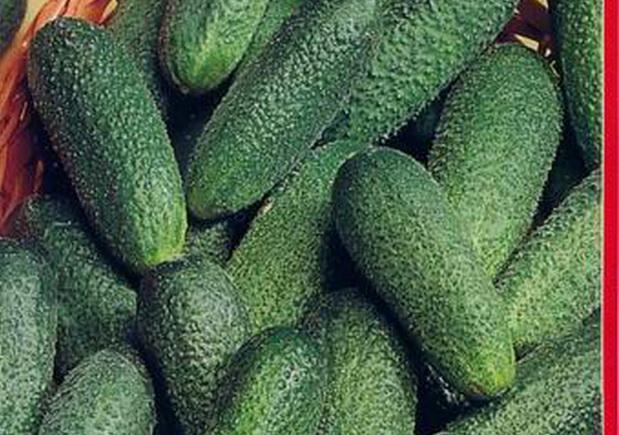
Among the first to be picked in garden plots are the large-tuberculate cucumbers of this super-early hybrid, which requires insect assistance during flowering. The fruits ripen in 40 days and produce a steady harvest. Krokha cucumbers possess:
- attractive oval shape;
- rich color;
- excellent taste.
The long cucumbers weigh 80g, are not bitter, and are ideal for pickling. The plant boasts a stable yield.
Baby Krepyshok F1
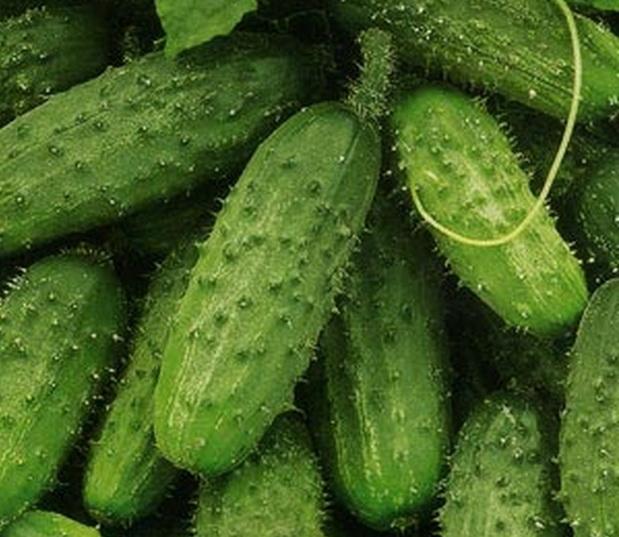
A new self-pollinating variety has attracted gardeners with its resistance to powdery mildew and its beautiful, miniature fruits. The parthenocarpic hybrid Malyshok Krepyshok, which develops several per node, grows barely 8 cm in length, has sweetish flesh, and is completely free of cavities.
Crispy Bed F1
This early-ripening hybrid bears fruit until frost. Its tall bushes produce clusters of ovaries, and after six weeks, the cucumbers ripen into richly colored, spiky cucumbers. When planted correctly, a single Khrustyashchaya Gryadka bush yields 7 kg of fruit.
Fugue F1
This variety, developed by Dutch breeders, is easy to grow, as the compact, half-meter-tall bushes produce a small number of shoots. The large fruits of the Fuga F1 hybrid, which ripen in 40 days, have a smooth surface and rich flavor, but are not suitable for pickling.
Lance Corporal F1
A parthenocarpic cucumber whose flowers are pollinated without the help of insects, it produces tuberculate fruits that ripen simultaneously. This variety is suitable for growing under plastic, in greenhouses, and in open beds. It is resistant to root rot and is immune to powdery mildew.

Amurchonok F1
The seeds of this hybrid, bred from the Russian Avangard variety, boast a surprisingly high germination rate of nearly 100%. The plant is immune to the most common diseases. Amurchonka's crisp, smooth cucumbers delight with their flavor and ripen even in waterlogged soil and sudden cold snaps.
Zki 104 F1
On the vigorous bushes of this variety, which does not require pollination and produces numerous lateral shoots, dark green fruits ripen in 40 days. These fruits are valued for not being bitter, not overgrown, not turning yellow, not deforming during transportation, and are suitable for processing.
Grandfather's Granddaughter F1
In a sunny bed in a plastic greenhouse, the hybrid's fruits ripen early. Two or three cucumbers form in the place of the female flowers. The cucumbers of "Grandfather's Granddaughter," reaching 14 cm in length, are covered with white spines. The plant is resistant to fungal infections.
Spring whim
Tall, indeterminate cucumber bushes with female flowers in the leaf axils produce three fruits. The Vesenniy Kapriz hybrid cucumbers are harvested six weeks after sowing. When ripe, they grow up to 20 cm in length, with tubercles appearing on their thin skin. One square meter yields 10–12 kg of aromatic vegetables, used in salads.
Early ripening cucumbers
In small plots, gardeners grow root vegetables and beans, tomatoes and cabbage, but even in a polycarbonate greenhouse, they always leave room for early cucumbers.
Diva
The climbing bushes of this early-ripening hybrid, bred in Russia, produce abundant fruit in loggias, on windowsills, and balconies, not just in greenhouses. Clusters of 3–8 cucumbers form in the leaf axils.
 The first Prima Donna cucumbers ripen in 35 days, weigh 80–85 g, and new fruits form until autumn.
Masha
A popular self-pollinating variety among gardeners, it resists powdery mildew, tolerates cold temperatures, and boasts high yields. The Masha hybrid's yield declines in autumn, but the gherkins, which grow in clusters, have an excellent taste.
Tom Thumb
Many gardeners love this early-ripening variety with female flowers, which is resistant to mosaic, downy mildew, and powdery mildew. These miniature, oblong gherkins weigh only 50 grams, crunch in pickles, and are delicious.
Early ripening varieties
Not all ultra-early hybrids thrive in open ground or are suitable for harvesting, and gardeners often plant cucumbers that are harvested a little later.
Nightingale
This domestic variety thrives in the hot sun. The fruits develop a rich green color, ripen 49–50 days after sowing, and are oblong in shape, weighing 70 g.
Princess
This indeterminate hybrid produces a high yield in greenhouses; in open ground, productivity is reduced by half. Knyazhny's short, knobbly cucumbers are decorated with long, light stripes, covered with white spines, and are excellent for pickling.
Martin
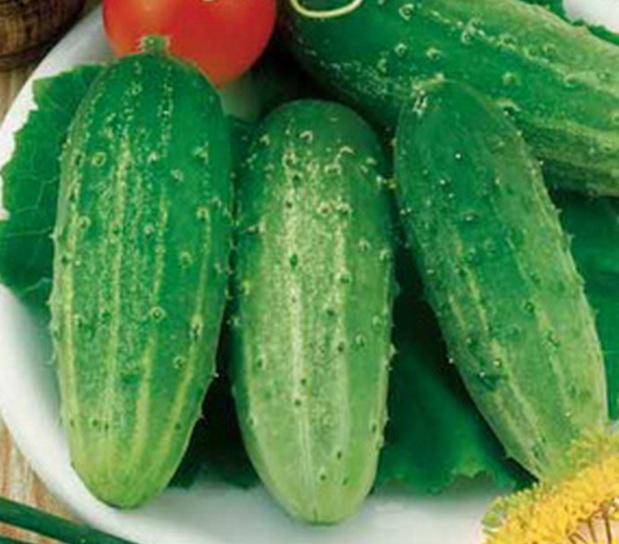
The description of this variety, whose seeds appeared on the market several years ago, has attracted the interest of vegetable growers who love experimenting. Three dozen black-spined fruits are harvested from a single Lastochka bush, and the greens ripen in 35 days.
Mid-early and medium varieties
Pathogenic fungi become active at any stage of the growing season, and breeders are creating hybrids with high immunity, the fruits of which ripen at different times and do not rot or dry out from powdery mildew.
Chinese disease resistant
Recently, seeds of a variety with interesting, sweet cucumbers appeared in stores. The cucumbers have a melon-like flavor and grow up to half a meter in length. The dark skin is studded with small spines, and the crisp flesh is rich in:
- mineral salts;
- organic acids;
- vitamins.
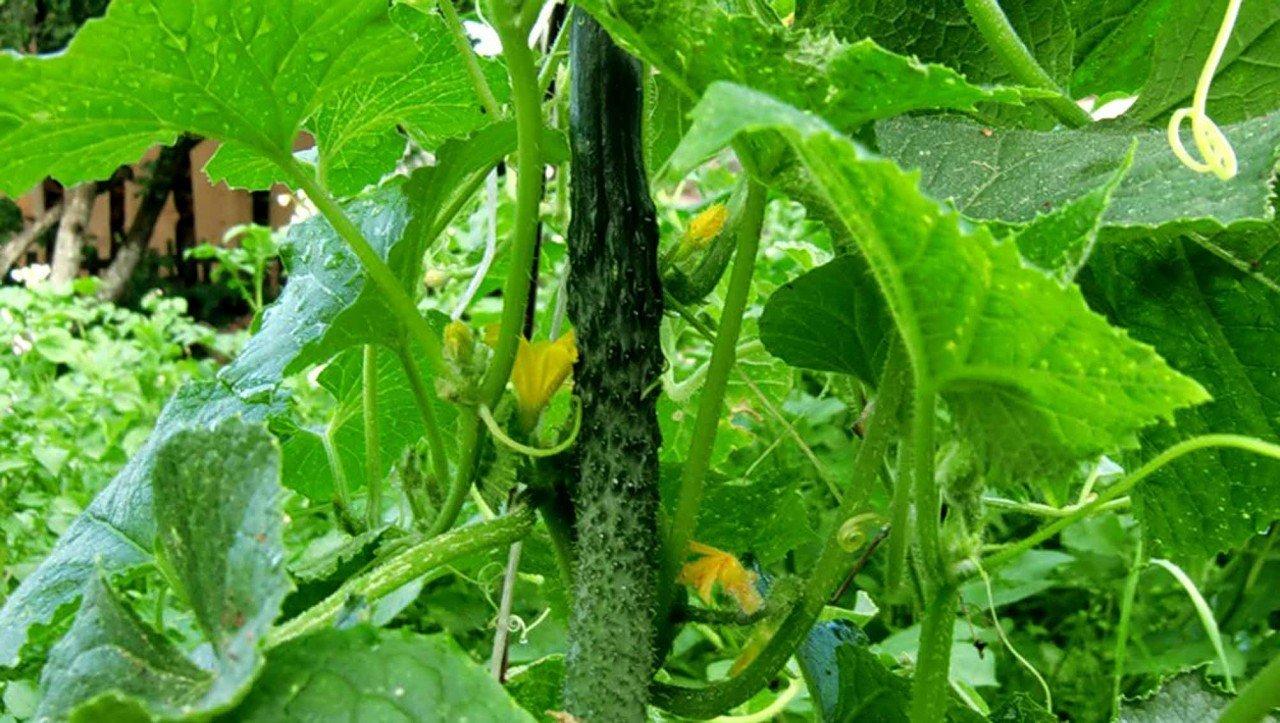 A single bush yields up to 5 kilograms of fruit, which homemakers preserve in pieces like fruit. The hybrid is resistant to rot and late blight.
Goosebumps
This self-pollinating variety thrives in open gardens, is resistant to anthracnose, and tolerates sudden weather changes. The 10-12 cm long, bumpy cucumbers begin to harvest after six weeks. Gardeners appreciate the Murashka variety because, even in hot weather, the fruits don't taste bitter and have a distinct aroma.
Natalie
A hybrid bred 20 years ago in Russia, it is cultivated by farmers and planted by gardeners. The long-stemmed cucumbers, which produce female flowers, ripen quickly. Their surface is distinguished by blurred stripes, and the dense flesh is full of air.
Pasadena
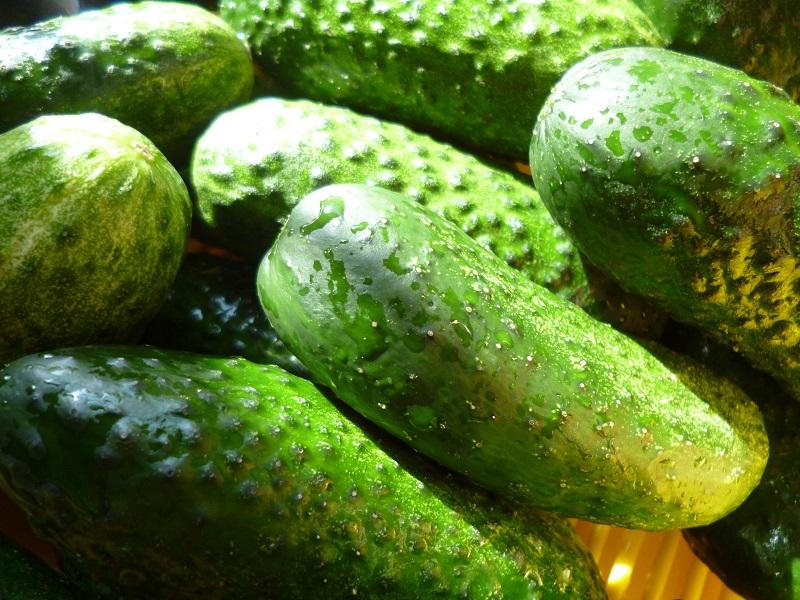
This Dutch variety boasts long-lasting fruiting, resistant to viruses and fungal diseases. The densely foliated bushes produce fruit without bee pollination, weighing less than 90 g at maturity and reaching 6 cm in length.
Phoenix Plus
This variety is known to all summer residents; it loves warmth, feels comfortable in hot weather, is not afraid of drought, and grows outdoors.
Late-ripening cucumbers have a beautiful oval shape and are light in weight.
Lancaster F1
This productive hybrid, developed in Holland, hasn't yet gained popularity among gardeners. However, anyone who has tried growing Lancaster cucumbers raves about the small, crisp-fleshed cucumbers, which are even more delicious when pickled.
Benefit
A bush of this hybrid variety with female flowers yields up to 8 kg of firm cucumbers, with up to four in a single axil. The dark-colored fruits are not bitter, transport well, and retain their attractive appearance for a long time.
Sir
Cylindrical, bright green cucumbers on climbing bushes with a robust root system ripen in 50 days. This variety recovers quickly from cold snaps and is resistant to excess moisture and damp weather. The bumpy fruits of the Sudar hybrid do not change color and are suitable for processing.

Mid-late crops
Early cucumbers are rarely used for winter preservation, as they are eaten fresh. Later varieties grown outdoors are best for canning.
Fontanelle
This hybrid, developed in Moldova several decades ago, has become a favorite among gardeners for its low-maintenance characteristics, high yield, and excellent cucumber flavor. Many gardeners, having tried growing other varieties, are now planting Rodnichok again. The long-vineed fruits begin to ripen in July and are prized for:
- for the same size;
- light color;
- crispy pulp;
- absence of bitter taste.
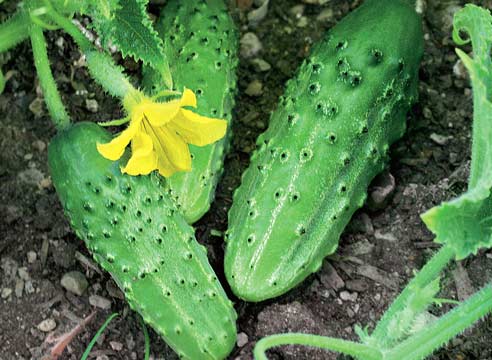
Cucumbers, which weigh only 90 g, are salted and pickled.
The plant is not afraid of cold weather, is practically disease-free, and is not inferior in yield to parthenocarpic hybrids.
Darling
This variety, developed 20 years ago on the Crimean Peninsula, is resistant to powdery mildew and doesn't attract pests. The bushes form long vines, the flowers are pollinated by bees, and the leaf nodes produce abundant fruit. The Golubchik hybrid cucumbers are distinguished by their spindle-shaped form, with skin decorated with blurred stripes, spots, and bumps.
Related posts:
 TOP 30 best varieties of cold-resistant cucumbers with descriptions and characteristics
 Description of the best varieties of pickling and barrel cucumbers for greenhouses and open ground
 Top 50 Best Cucumber Varieties for Polycarbonate Greenhouses with Descriptions
 TOP 40 best late-season cucumber varieties for open ground with descriptions
 80 Best Eggplant Varieties for Different Regions with Descriptions and Characteristics
 TOP 30 best determinate cucumber varieties with descriptions
 Description of the best, most productive and new varieties of cucumbers for 2025
 TOP 20 best varieties of indeterminate cucumbers with descriptions