
The Emelya f1 cucumber is designed for growing in well-heated greenhouses. This variety tolerates cold temperatures well, producing decent yields. Cucumbers of this type have a medium ripening period. They are consumed fresh and in salads. The hybrid tolerates transportation well over any distance.
Some information about the plant and its fruits
Characteristics and description of the Emelya cucumber variety:
- A full harvest can be obtained 40-45 days after the first shoots appear.
- Cucumber bushes reach a height of 2-2.5 m. Short internodes form on the stems, with 7 to 10 fruits appearing on each internode.
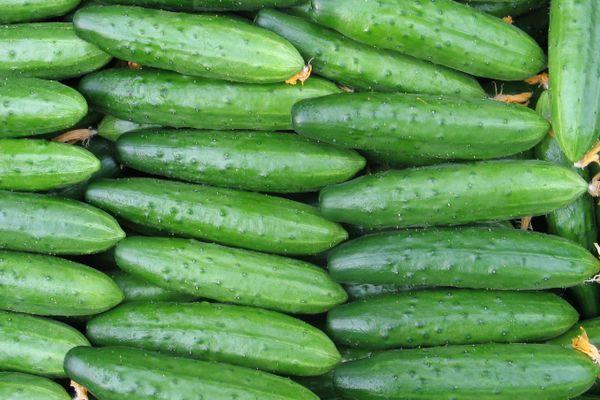
- Cucumbers range in length from 130 to 150 mm with a diameter of up to 3.4 cm. The shape of the fruit resembles a green cylinder. The entire surface of the cucumber is covered with large tubercles and short spines.
- Fruit weight is within 0.12-0.15 kg.

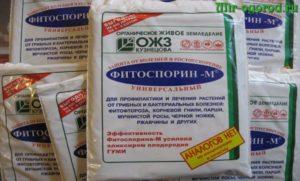
Reviews from farmers growing the Emelya hybrid indicate that its yield ranges from 12 to 16 kg per square meter of garden bed. Although Emelya is immune to some diseases, it requires seed and soil treatment with special antifungal and antibacterial agents.
If this is not done, the plant may die from powdery mildew or root rot. Gardeners should keep in mind that this hybrid grows throughout the entire growing season. It does not require pollination, so it does not produce seeds. Gardeners must purchase planting material every year; it is impossible to obtain seeds themselves.

How to grow hybrid seedlings
Purchased seeds are planted in boxes or pots. The seeding depth is 15 to 20 mm. The seedlings are watered with warm water. The first sprouts appear in approximately 5-6 days. They are fed with mineral fertilizer and watered with warm water once every 4 days. When the seedlings are 30 days old, they are transplanted to their permanent location.
Gardeners should be aware that the Emelya hybrid has delicate roots that are easily damaged. Therefore, experts recommend planting seeds in peat pots, which will allow for easy transplanting of seedlings into the greenhouse.
Before planting young bushes in permanent soil, the beds are loosened. Organic fertilizers (manure, chicken manure) are added to the soil. Wood ash is also sprinkled into the holes.
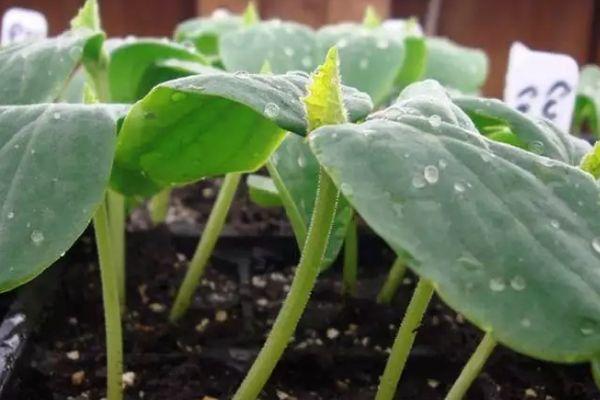
Plants should be planted so that the root collar does not penetrate the soil. Failure to do so will result in the hybrid dying from root rot. It is recommended to tie all bushes to a trellis immediately. The planting format is 0.6 x 0.6 m. The planting density of the Emelya hybrid should not exceed 3 plants per 1 m² of planting area. Experts advise against removing side shoots, as these are relatively short and produce ovaries that produce numerous fruits.
Caring for cucumbers in a greenhouse
Plants should be watered daily with warm water that has been left to stand in the sun. This is best done late in the evening. To maintain normal plant growth, the soil moisture should be between 60-80%.
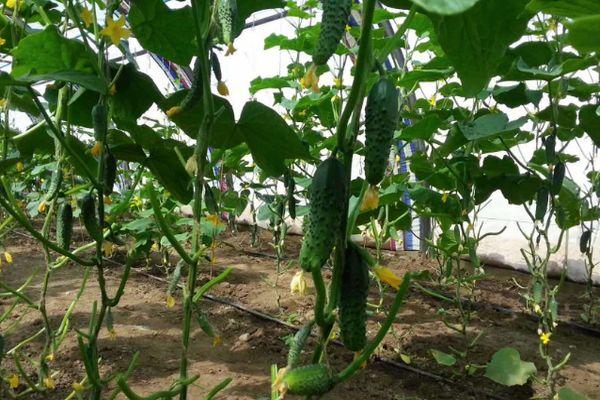
Although cucumber plants don't like drafts, regular ventilation of the greenhouse is recommended. This helps maintain a microclimate that accelerates plant growth.
Loosening the soil and mulching it allow for aeration of the plant's root system. This additional oxygen supply to the roots improves their ability to extract essential micronutrients from the soil. Plants also develop increased immunity to bacterial, viral, and fungal infections.
Soil aeration creates unfavorable conditions for parasites living on the hybrid's roots. As a result, they die or abandon their nesting sites. It's best to loosen the soil immediately after watering.
Weeding the beds is necessary to reduce the risk of cucumbers being affected by weed-borne diseases. This procedure also eliminates garden pests that nest in weeds and then spread to the vegetables. Weeding is performed once every 10 days.
Fertilizers are applied 4-5 times throughout the growing season. During the bush growth stage, plants are fed with organic or nitrogen fertilizers. When the hybrid begins to bloom, the bushes are fed with phosphorus mixtures. During the formation of the first fruits, the hybrid is fed with complex fertilizers containing nitrogen and potassium. Gardeners should avoid overfeeding the plants, otherwise the yield will decrease sharply.
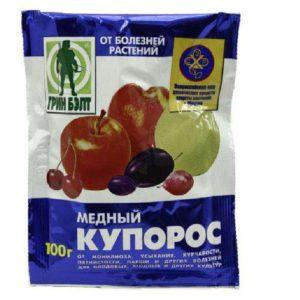
To eliminate the risk of infection, which Emelya has no protection against, experts recommend spraying the bushes with medicinal preparations.
If aphids, mites, or other winged garden pests appear in the greenhouse, they are controlled with chemicals. If these fail, it's recommended to try folk remedies, such as garlic infusion.
Related posts:
 TOP 30 best varieties of cold-resistant cucumbers with descriptions and characteristics
 TOP 40 best late-season cucumber varieties for open ground with descriptions
 Description of the best Dutch tomato varieties for greenhouses and open ground
 The best eggplant varieties for growing in a polycarbonate greenhouse: planting and care
 Description of the best tomato varieties for greenhouses in the Kirov region
 Description and characteristics of the 30 best hazelnut varieties, cultivation
 Description of the best varieties of gherkin cucumbers for open ground and greenhouses
 TOP 30 best determinate cucumber varieties with descriptions