
- What are gherkins?
- What's good about them?
- Are there any disadvantages to culture?
- Review of varieties for greenhouses and hotbeds
- Filippok F1
- Brownie F1
- Children's F1
- Nastya F1
- Red mullet F1
- Patti F1
- Mels F1
- Sweet crunch
- A friendly family
- Recommended varieties for open ground
- Moravian gherkin F1
- Children's F1
- Moth F1
- Filippok F1
- Thumbelina F1
- Son of the Regiment
- Madam
- Moscow
- The most productive varieties of gherkins
- The best varieties of mini gherkins
- Melothria
- Far Eastern 27
- Micron
Gherkins are the finest cucumbers, prized worldwide and renowned for their delicious flavor. Their main characteristic is their small size. Gardeners grow them for both raw consumption and for pickling and salting. But before choosing a variety to grow, it's worth familiarizing yourself with their distinctive features, pros, and cons.
What are gherkins?
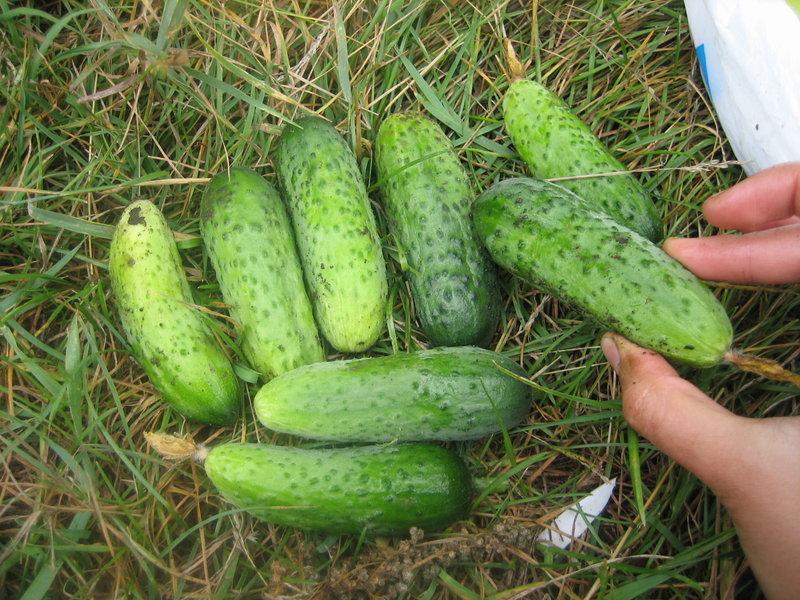
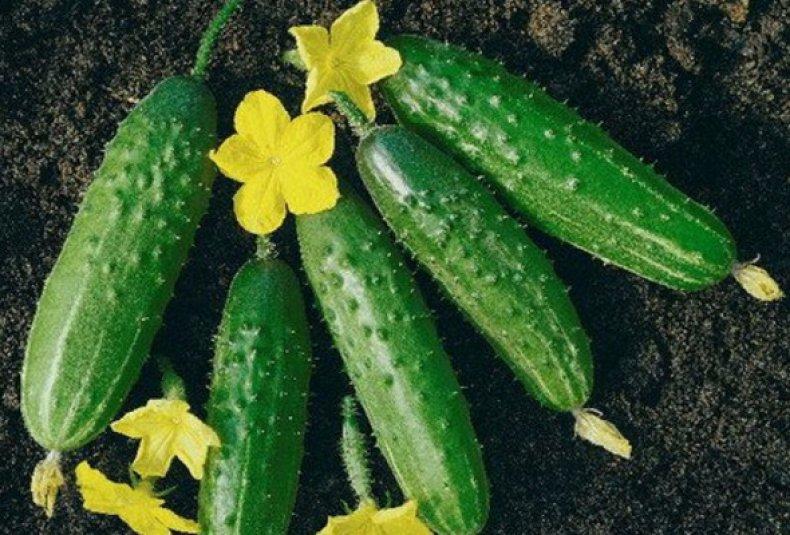
Small, crisp cucumbers first gained popularity in France due to rapid advances in breeding. Gherkins are more a function of fruit size than variety, as many believe. They can be picked from any crop at an early stage of ripening, but salad varieties are best, as they are the juiciest and crispiest.
The surface of gherkins is characterized by large or small bumps, and can be mixed or smooth. The skin also has simple, complex, or mixed pubescence, which can be white, brown, or black. The fruits are solid and dense, making them ideal for winter preserves. Compact-sized vegetables are divided into the following varieties:
- Gherkins (up to 9 cm).
- Mini gherkins (up to 7 cm).
- Pickles (up to 5 cm).
To grow high-quality gherkins, it's important to fertilize the plant frequently, water it properly, maintain the right temperature in the greenhouse, and choose the right location outdoors. By following all the proper care instructions, you can reap a delicious harvest.
What's good about them?
Gherkins have a number of advantages that make them a popular choice in garden beds:
- excellent taste;
- high yield rates;
- compact fruit size;
- versatility in application.
Their rich flavor and unique crunch when eaten will amaze even the most discerning gourmets.
Are there any disadvantages to culture?
The crop has a relatively small list of drawbacks. The main things to pay attention to are proper care and fertile, nourishing soil. Some varieties are also prone to overripening, necessitating pollination and the need for annual seed purchases.
Review of varieties for greenhouses and hotbeds
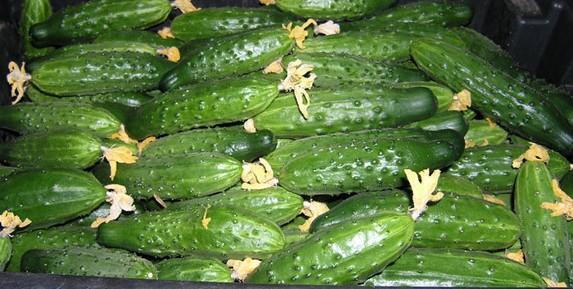
If you have a greenhouse and want to grow a rich harvest of cucumbers in it, you should carefully select a variety that grows well in greenhouse conditions and is not suitable for open soil, as it can be damaged by the scorching sun and winds.
Information about gherkin cucumber varieties will help gardeners make the right choice.
Filippok F1
A mid-early hybrid, indeterminate variety. Ripens 50 days after flowering. Its cylindrical fruits reach 6-8 cm in length, with a coarsely tuberculated surface. Large green leaves adorn the bushes. The fruits of the Filippok F1 variety are universal. The flesh is firm and crunchy. Advantages: high yield, decent flavor, and resistance to powdery mildew.

Brownie F1
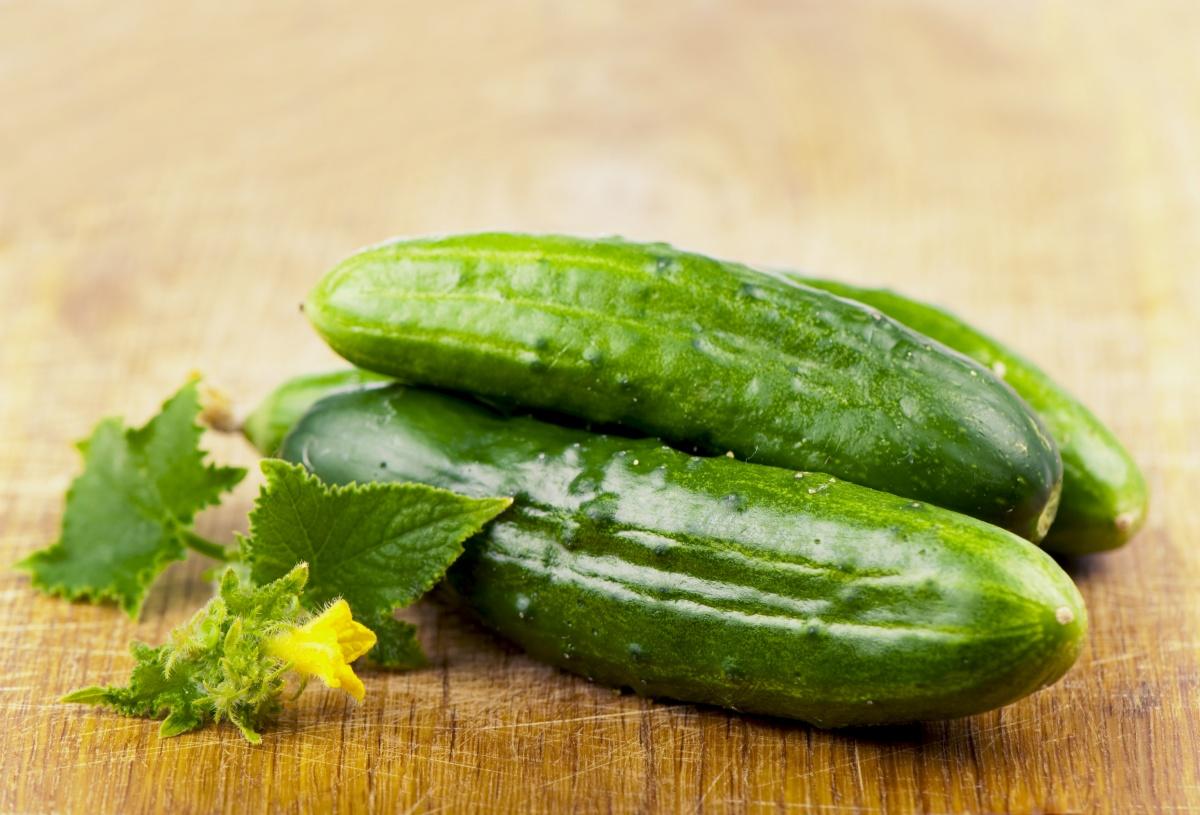
An early-ripening hybrid characterized by long fruiting and the ability to set ovaries in clusters. The short, cylindrical fruits retain their original appearance for a long time after picking. Pros: high-quality fruit, no bitterness, abundant fruiting. Cons: requires careful care and requires fertile, well-drained, organically rich soil.
Children's F1
A self-pollinating hybrid with long stems and small leaves. The cucumbers are finely tuberculated, bright green, and cylindrical. Harvesting begins 50 days after germination. This variety is recommended for fresh consumption and canning. Pros: high yield, disease resistance, and lack of bitterness. Cons: demanding soil and care requirements.
Nastya F1
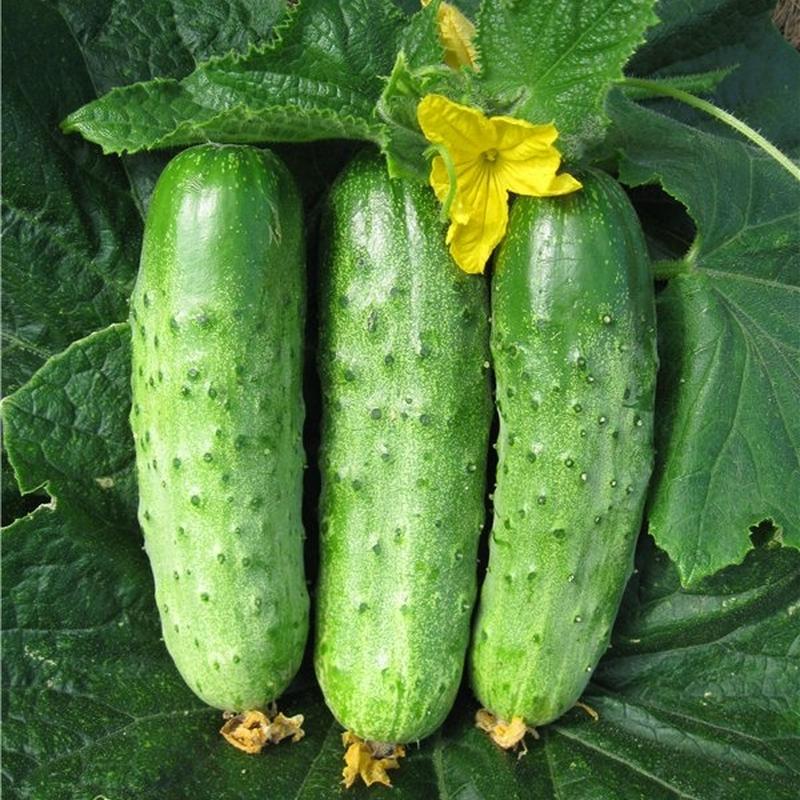
An early self-pollinating hybrid. Harvesting begins 40 days after germination. This variety is characterized by long fruiting. Shoots are weakly developed. The oval-cylindrical fruits are firm, crisp, and not bitter.
Advantages: high yield, resistant to powdery mildew, and suitable for industrial use. Disadvantages: frost intolerance.
Red mullet F1
An early parthenocarpic hybrid, it belongs to the indeterminate varieties. The growing season is one and a half months. The fruits are light green with subtle white lines and are excellent fresh and for pickling.
Positive aspects: versatility, taste and juiciness, independence from climate conditions, resistance to viral and fungal infections.
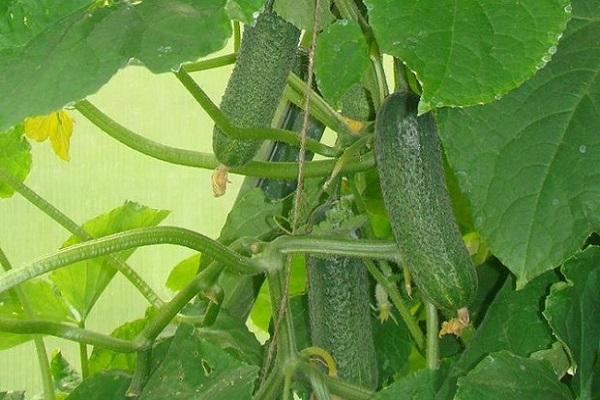
Disadvantages: the variety requires proper watering and nutrient addition.
Patti F1
A mid-early hybrid that requires no pollination. The plant is medium-vigorous, with a tangled habit and clustered ovaries. It will produce a harvest 40-45 days after germination. The short fruit is cylindrical and has dark stripes, no hollowness or bitterness. Suitable for winter preserves.
Advantages: abundant fruiting, presentable appearance, immunity to diseases, resistance to weather changes and long transportation.
Mels F1
A self-pollinating early hybrid that is harvested 40 days after germination. It has female flowering. Pollination is not required for this plant. Richly green gherkins, 8 to 10 cm in size, form abundantly on the bushes. The fruits are completely free of voids and do not taste bitter.
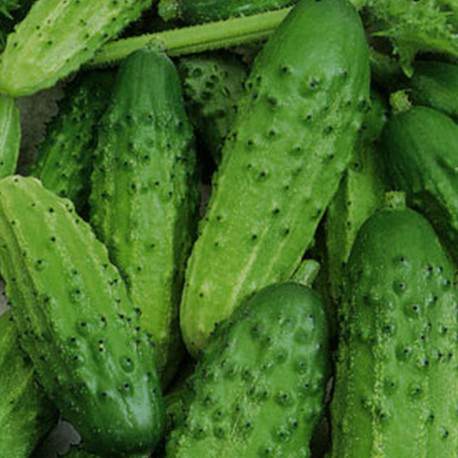
Advantages: disease resistance, tolerance to climate change, high yield, excellent flavor and fresh aroma. Disadvantages: prefers a moist environment and requires fertilization.
Sweet crunch
A mid-season gherkin. Its surface is light green, almost white. The fruits are large and sparsely tuberculated with black spines, weighing 60-70 g. They have a crisp bite. Prefers sunny areas, requires regular weeding and watering, and is pollinated by bees.
Pros: disease resistance, attractive appearance and long-distance transport capabilities.
A friendly family
A popular mid-early greenhouse variety. Fruiting begins 43-45 days after shoot emergence. The fruits are green, cylindrical, with a medium-sized, tuberculate surface and white spines.
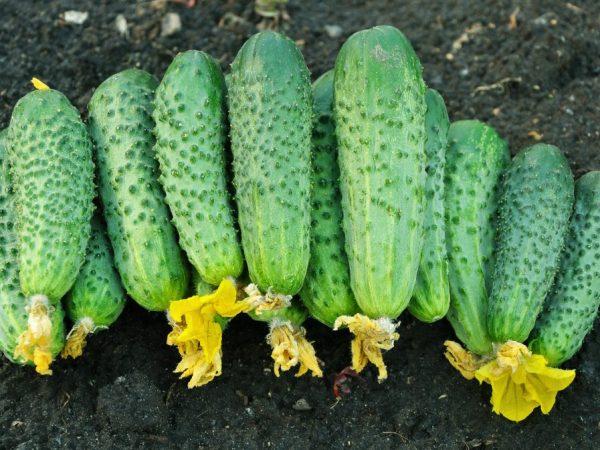
Advantages of the variety: long fruiting period, high yield, excellent taste, versatility as a vegetable, resistance to fungal and viral infections.
Disadvantages: it is not possible to collect seed material, since parthenocarpic plants do not form seeds, and the fertilization process does not occur.
Recommended varieties for open ground
Every gardener strives to harvest their own homegrown gherkins as early as possible. Therefore, they often wonder which varieties are best for outdoor cultivation.
Moravian gherkin F1
An early-ripening, versatile hybrid with attractive, spindle-shaped fruits. It's often used for pickling and preserving. It's planted in well-warmed soil by the end of May. It requires timely fertilizing and proper watering. The harvest begins in 50-55 days.
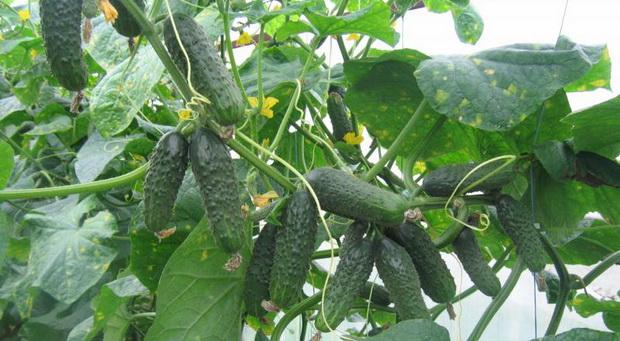
Pros: stable yield, excellent taste, resistance to fungal diseases, high yield of marketable products.
Children's F1
An early-ripening hybrid capable of self-pollination. A vigorous bush. The oval-cylindrical fruits with dense white spines are versatile. And the pleasant flavor and firm flesh leave no one indifferent.
Advantages: high-quality fruits, capable of withstanding long transportation, high yield, disease resistance.
Moth F1
A mid-early hybrid, pollinated by bees, suitable for fresh salads, pickles, and winter preserves. Recommended for sowing after the threat of frost. This cucumber has a large, tuberculate surface and firm, crisp flesh.

Advantages: disease resistance, high yield.
Disadvantages: tasty greens require daily picking, otherwise they quickly outgrow.
Filippok F1
A mid-season hybrid characterized by female flowering. The fruits are short, cylindrical, dark green, and striped with white stripes. Harvest at least three times a week once the fruit reaches 5 cm.
Pros: cucumbers are resistant to overgrowth and yellowing, produce abundant fruit, have improved marketability, and are resistant to disease.
Thumbelina F1
An ultra-early hybrid that is partially self-pollinating and guarantees a 99% germination rate with proper care. It can be grown both outdoors and in greenhouses. The fruit is a rich green, oval-cylindrical, and non-bitter.
Pros: high yield, pleasant taste and aroma, long fruiting period, resistance to diseases such as powdery mildew and olive spot.
Son of the Regiment
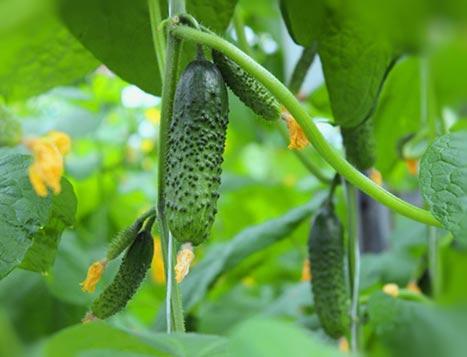
A mid-early variety, ripening 40 days after sprouting. The cucumbers are cylindrical, widening at the stem. The surface is covered with small tubercles. Care is minimal. Pollinated by insects. The bush is medium-sized, with a moderately vining habit.
Positive characteristics: yield, marketable appearance, good taste, immunity to diseases.
Madam
An early-ripening, universal hybrid pollinated by bees. Prized for its crisp, firm, cylindrical fruit with finely tuberculated ridges. The bush is medium-sized. Fruiting occurs 40 days after germination.
Advantages: disease resistance, high marketability, excellent taste, high yield.
Moscow
A mid-season hybrid capable of self-pollination. The long bushes bear fruit 80 days after sprouting. The cylindrical fruit is characterized by a soft, bumpy skin. There is no noticeable bitterness when eaten. Advantages of the Moskovsky variety: versatility, disease resistance, and good commercial qualities.
The most productive varieties of gherkins
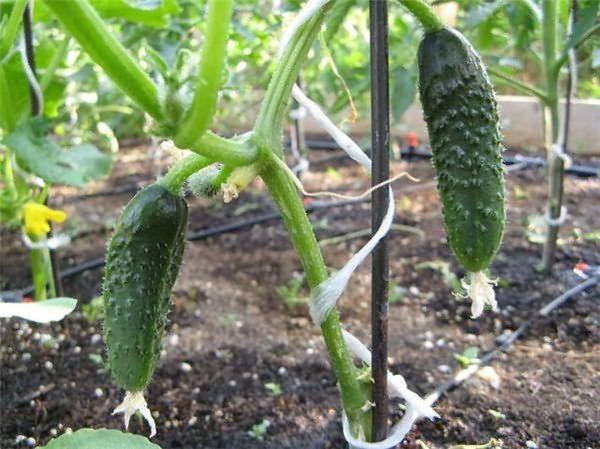
Breeders are constantly developing new, unique cucumber varieties. The following are considered productive gherkins:
- Parisian gherkin;
- Prima Donna F1;
- Fun company F1;
- Advance F1;
- Gerda F
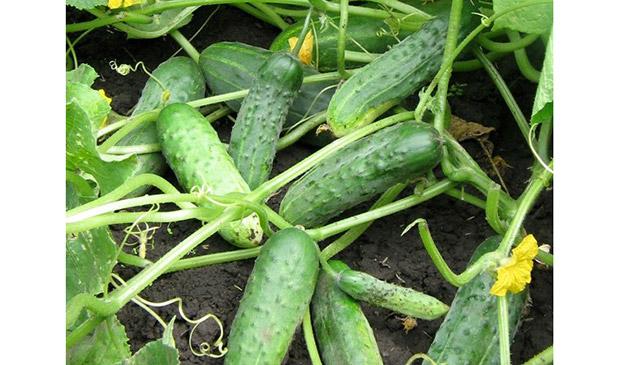
Gherkins are ideal for winter preservation.They fit easily even into the smallest jars with narrow necks.
The best varieties of mini gherkins
Miniature pickled cucumbers are rightfully considered a true delicacy. Gardeners often wonder which varieties of mini gherkins are popular and successful in cultivation.
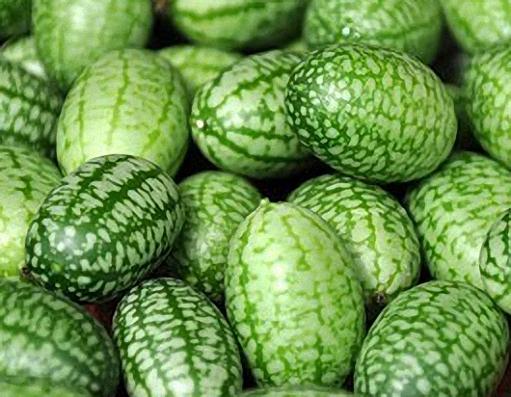
Melothria
An early-ripening, versatile hybrid with numerous positive reviews. Harvesting begins 45 days after germination. The fruits are watermelon-like in color, oblong in shape, and rough in texture. Advantages of this variety include attractive appearance, high yield, tolerance to temperature fluctuations, and ease of transport.
Far Eastern 27
A mid-season hybrid that bears fruit in just 50 days after germination. The fruits are green, with a slight waxy coating, and are distinguished by the presence of black spines.
Pros: Good flavor profile, long shelf life without losing flavor or marketability. Cons: May develop bitterness due to insufficient watering.
Micron
This early-ripening, versatile variety owes its name to its compact size. The bush is medium-sized and indeterminate. The fruits are 6 cm in size, large-tuberculate, elliptical, and have firm, crisp flesh that lacks bitterness.
Advantages of the Mikron variety: productivity, disease resistance, excellent taste.
These gherkin varieties have proven themselves and are prized for their compact size, generous yield, and excellent flavor. Homegrown vegetables make a delicious ingredient in a variety of nutritious dishes.
Related posts:
 80 Best Eggplant Varieties for Different Regions with Descriptions and Characteristics
 The best grape varieties for growing in the Urals, planting and care rules in summer
 Description of the best varieties of pickling and barrel cucumbers for greenhouses and open ground
 What varieties of tomatoes are best to plant in a polycarbonate greenhouse?
 TOP 40 best late-season cucumber varieties for open ground with descriptions
 Description of the best tomato varieties for greenhouses in the Kirov region
 Description of the best varieties of black tomatoes for open ground and greenhouses
 Description of the best Dutch tomato varieties for greenhouses and open ground