
- Climatic features of the region
- Variety requirements for the Leningrad region
- The best self-pollinating cucumber varieties
- Tchaikovsky
- Emelya
- Cuckoo
- Fast and Furious
- Openwork
- Our Dasha
- Juventus
- Greenhouse varieties
- Pinocchio F1
- White Night F1
- Herman F1
- Amur F1
- Miranda F1
- Lilliput F1
- Crops for planting in open ground
- Madagascar
- Claudius
- Athos
- How to plant and grow cucumbers: planting times and plant care instructions
- Growing cucumbers in a greenhouse and hothouses
- Planting and care in open ground
Growing cucumbers outdoors or in a greenhouse (hotbed) in the Leningrad Region has a number of unique features. In rainy and cool summers, it's best to plant varietal or hybrid cucumbers. These cucumbers are less susceptible to disease and produce excellent fruit, regardless of the weather. The vegetables can be sown as seedlings beforehand. When planted directly in the garden, cucumbers will grow 1-2 weeks later.
Climatic features of the region
The Leningrad Region enjoys a temperate continental climate. Various cucumber varieties (early, mid-season, and late) are grown here. The best time to sow seeds or plant slightly grown seedlings in the garden is the last week of May. By late spring, temperatures rise to 15°C (59°F), soil warms to 10°C (50°F), and the risk of night frosts is low.
Summers in this region are rainy but warm. These weather conditions are ideal for growing cucumbers not only in greenhouses but also in garden beds. The soil in the Leningrad region is nutrient-poor and acidic. To successfully grow cucumbers, it is necessary to reduce soil acidity and add organic and mineral fertilizers.
Variety requirements for the Leningrad region
To ensure a bountiful cucumber harvest in your garden, it's advisable to purchase varieties specifically bred for your specific region. It's recommended to purchase hybrid seeds from reputable and reputable producers.
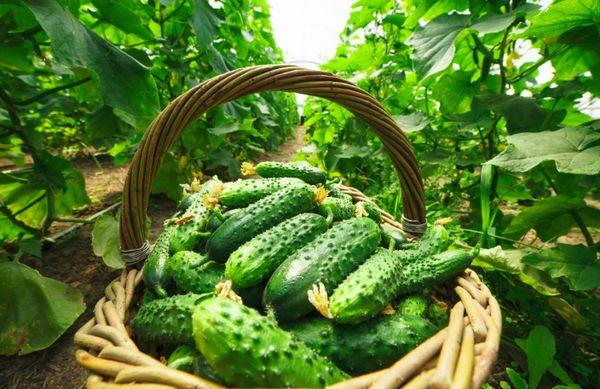
Criteria that varieties must meet for cultivation in the Leningrad Region:
- cold resistance;
- early maturity;
- undemanding to soil quality;
- self-pollination;
- disease resistance;
- viability in all weather conditions.
If gardeners want to harvest in early summer, they need to purchase early hybrid varieties and sow the seeds for seedlings in late April. It's best to purchase seed from specialized stores.
To guarantee a harvest, it's advisable to plant several hybrid varieties in a single bed. The selected crops should bear fruit within 45 days. Growers always provide planting dates on the paper bags.
Self-pollinating crops are recommended. However, bee-pollinated varieties can be planted. To ensure that vegetable yields are not affected by the vagaries of the weather, gardeners are advised to build greenhouses—small structures made of plastic and an arched frame.
The best self-pollinating cucumber varieties
Vegetables of this type do not require pollination by bees. They adapt well to any weather conditions, producing fruit even in rainy or dry summers. Some varieties can bear fruit from June to September. Early-ripening cucumbers (no more than 35 days) can be planted twice: in late spring and mid-summer. These varieties will produce fruit throughout the season.
Tchaikovsky
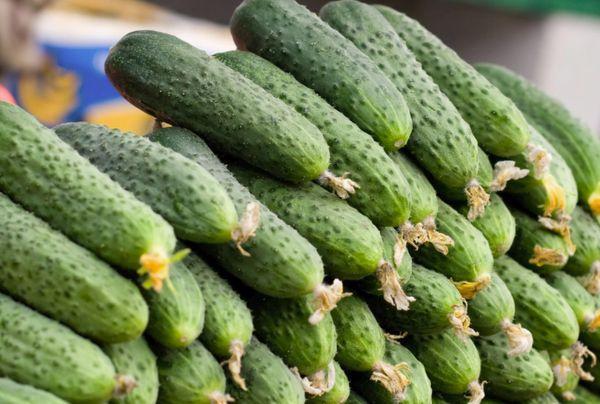
A hybrid variety. It begins bearing fruit as early as 43 days after planting. The plant requires support; tying the stem to a trellis is recommended. The ripened vegetable is 8-12 centimeters long and weighs 80 grams. The skin is dark green, with numerous small spines. The flesh is juicy, crisp, and without bitterness.
Emelya
An early hybrid developed by Mytishchi breeders. Ripe cucumbers are 12-15 centimeters long and weigh 140 grams. The growing season is approximately 38-42 days. The fruits are very juicy, crisp, and without bitterness. The variety bears fruit on the main and lateral stems. Up to ten fruits can form in a single node.
Cuckoo
A hybrid developed almost 40 years ago. Mature cucumbers reach 20 centimeters in length, weighing approximately 190 grams each. They ripen 46 days after planting. The crop bears fruit reliably in all weather conditions.
Fast and Furious
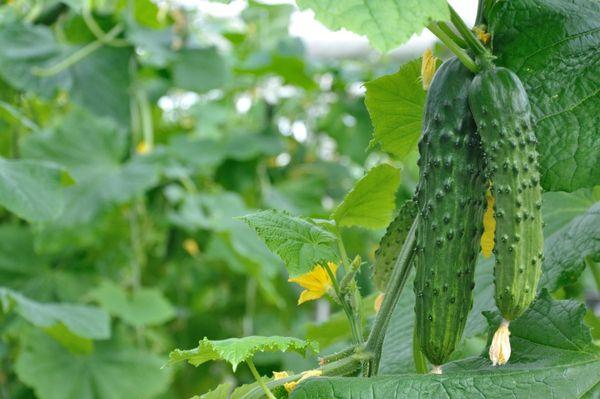
A hybrid early variety bred by Russian botanists in 2004. The harvest ripens 45 days after planting. It is best grown from seedlings. The stem grows up to 2 meters in length. Mature vegetables weigh 150 grams and reach a length of up to 15 centimeters.
Openwork
A disease-resistant hybrid crop. It begins bearing fruit 42 days after sowing. Mature fruits are 8-11 centimeters long. The plant has a strong stem, with three fruits per node. This crop bears fruit for a long time.
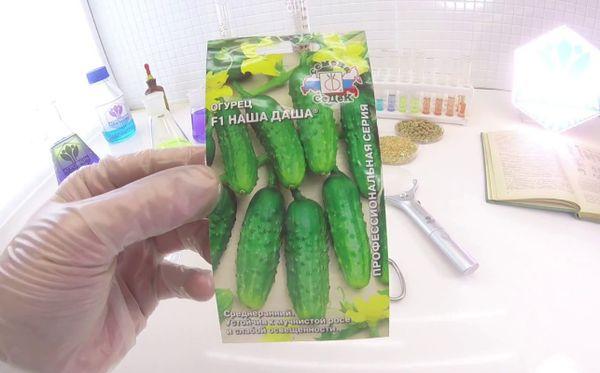
Our Dasha
A hybrid plant that begins bearing fruit 45 days after planting. The stem grows upward and requires support. Mature cucumbers are 11-12 centimeters long and weigh 120 grams. This crop is rarely susceptible to powdery mildew. It produces a good harvest even in adverse weather and low light conditions.
Juventus
A mid-season hybrid crop. Recommended for growing in greenhouses during the winter and spring. The stem grows up to 1.5 meters long. Mature vegetables weigh 220-280 grams and are 27 centimeters long.
Greenhouse varieties
Vegetables in the Leningrad Region are grown in plastic greenhouses, glass, or polycarbonate structures. Cucumber seeds for greenhouses are first sown for seedlings. Seeds can also be sown directly into the greenhouse bed.
Pinocchio F1
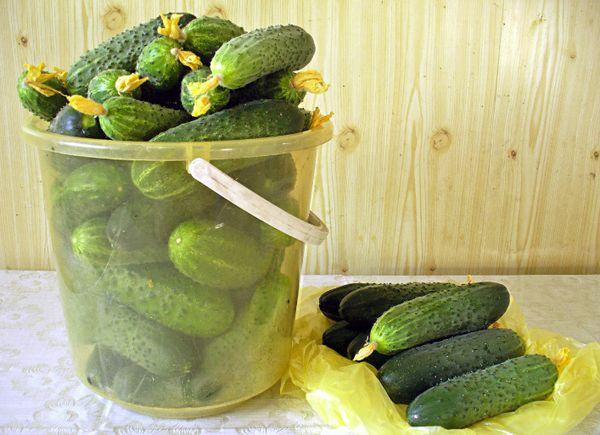
A hybrid crop that matures 44 days after planting. Mature fruits reach 11 centimeters in length. They are slightly bumpy, with sparse spines and thin, dark green skin. Once picked, the fruits can retain their marketable appearance for a long time even at low temperatures.
White Night F1
A hybrid plant that requires no pollination. The harvest is ready 42 days after planting. When ripe, the fruit is 9 centimeters long and slightly curved. It rarely suffers from diseases and produces fruit reliably.
Herman F1
A hybrid that does not require bee pollination. The harvest is 36 days after germination. The ovaries form in numerous clusters on the main stem. Up to nine fruits can grow in a single cluster. With proper cultivation, the plant yields over 10 kilograms. Each pod weighs 81 grams and reaches a length of up to 12 centimeters. This variety has a very long stem and is best grown on a trellis.

Amur F1
An ultra-early hybrid, ripening 37 days after planting. The plant forms a long stem that requires support. Pollination is not required. The fruits grow up to 15 centimeters long, weighing approximately 110 grams each. This variety is rarely susceptible to powdery mildew or root rot. It produces fruit abundantly for a long time.

Miranda F1
An early crop that doesn't require pollination. The vegetables begin to ripen 40 days after planting. This is an indeterminate hybrid. Up to three ovaries form in a single axil. Mature vegetables reach 12 centimeters in length, weighing 109.5 grams each. These vegetables are not bitter and are excellent for salads and canning.
Lilliput F1
An early hybrid that doesn't require bees for pollination. Harvesting begins 38 days after sowing. Mature fruits are 7 centimeters long and weigh 65 grams. Ideal for canning.
Crops for planting in open ground
Early varieties of cucumbers You can sow directly into a prepared and fertilized bed. Vegetables with a longer ripening period are best grown from seedlings.
Madagascar
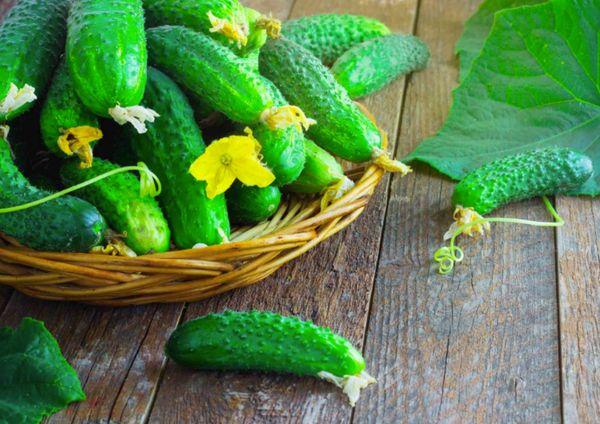
An early hybrid that forms a strong main stem. It begins bearing fruit after 42 days. The ripe fruit is approximately 11 centimeters long and weighs 90 grams. The cucumbers can be harvested once a week (on weekends). They are eaten fresh or used for canning and pickling.
Claudius
This indeterminate hybrid is resistant to many diseases. The fruit grows to 11 centimeters in length and weighs 80 grams. The fruits are not bitter and have a delicate flavor. The plant is demanding of soil. It is recommended to fertilize the soil with organic matter. This is an ideal variety for canning.
Athos
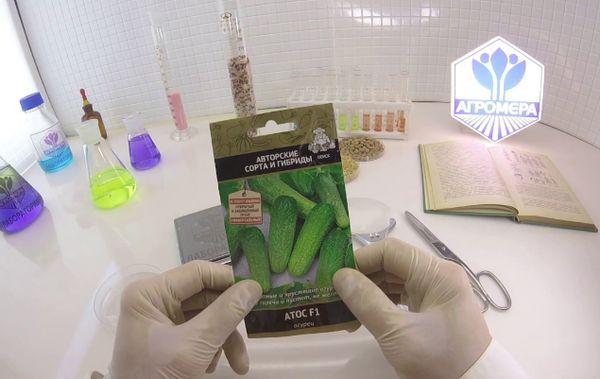
A hybrid, early variety with a long stem, the crop begins to bear fruit 40 days after sowing. Mature vegetables reach approximately 9 centimeters in length. The plant is rarely susceptible to powdery mildew and cucumber mosaic.
How to plant and grow cucumbers: planting times and plant care instructions
Cucumbers are planted directly in the garden or by preparing the seedlings in late spring. Before sowing, the seeds are disinfected by soaking them in a pink solution of potassium permanganate for several hours. Hybrid varieties are sold already treated with growth stimulants and do not require soaking. It is best to plant cucumbers in partial shade; they do not tolerate full sun. The recommended soil is loam, enriched with organic and mineral substances.
Growing cucumbers in a greenhouse and hothouses
Cucumbers are grown in two ways: without seedlings or with transplants. With the without-seedling method, cucumbers are planted in a greenhouse at the end of May, when the air temperature warms up to 15-16 degrees Celsius. In a greenhouse, cucumber seeds can be sown as early as the first or second week of May.
Seeds for seedlings are sown in late April or early May in special peat pots or plastic cups. It's best to sow one seed in each container. The plants germinate very quickly—as early as the second day.
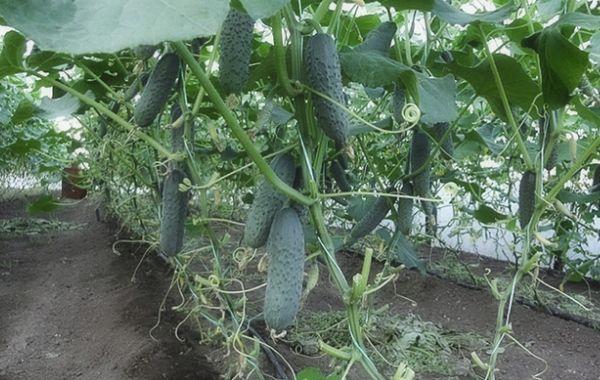
No more than 20 days should pass before transplanting the seedlings to a hotbed or greenhouse. During this period, the seedlings should grow to 15 centimeters tall and have four true leaves. Water the seedlings regularly, ensuring the soil in the pot does not dry out. Do not transplant cucumbers. Once grown, transplant the seedlings to their permanent location, along with the root ball, taking care not to damage the roots, in late May or early June.

Planting and care in open ground
Pre-sprouted seedlings are transferred to the garden when the air temperature warms to 15-16 degrees Celsius. This temperature typically sets in at the end of May or the beginning of June. At this time, cucumbers can be sown directly into the garden bed. The harvest will ripen two weeks later than when grown from seedlings. However, the plants will be stronger, more viable, and will produce an excellent vegetable harvest.
Cucumbers are planted 35 centimeters apart from adjacent crops. The distance between rows should be approximately 1 meter. Two to four plants can grow per square meter. Before planting, prepare the soil: add 1 bucket of rotted manure and 30 grams each of superphosphate and potassium sulfate. This is the recommended fertilizer dose per square meter. To reduce soil acidity, add 500 grams of wood ash or dolomite flour (slaked lime).
Cucumbers are watered generously immediately after planting. As they develop, it's important to ensure the soil doesn't dry out too much, otherwise the yield will decrease or the vegetables will grow small and bitter. During dry summers, cucumbers are watered daily, sprinkling the soil around the plants. Watering should be done early in the morning or late in the evening.
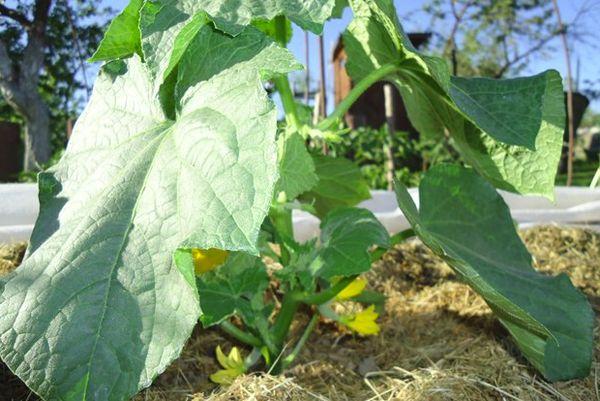
It's best to fertilize cucumbers several times during the season. The first application is made two weeks after planting. Fertilize the plants with a solution of liquid mullein (1 kilogram of organic matter per 10 liters of water) or ammonium nitrate (30 grams per 10 liters of water). Add 0.5 liters of fertilizer under each plant. During flowering, add 25 grams of potassium sulfate and double superphosphate. Dissolve the fertilizer in 10 liters of water. Add 1 liter of solution under each stem.
To ensure a bountiful harvest, cucumber plants are tied to a support. The plants should be kept upright, but the stems can also be laid horizontally in the garden bed. Growing cucumbers vertically will maximize sunlight, prevent rot, and produce larger fruits.
If not properly cared for, cucumbers often become diseased and susceptible to pest attacks. To prevent disease, crops are sprayed with a solution of Bordeaux mixture, potassium permanganate, or copper sulfate. Pests are controlled with insecticides or home remedies (such as soap solution, tobacco or garlic tincture, or lime).
Related posts:
 Description of the best varieties of bee-pollinated cucumbers, rules for their formation and care
 The best cucumber varieties for open ground in the Moscow region and their cultivation
 Description of the best varieties of Chinese cucumbers, planting, growing and care
 Description of unusual methods for planting and growing cucumbers
 Which tomato varieties are best for open ground?
 TOP 30 best determinate cucumber varieties with descriptions
 What varieties of tomatoes are best to plant in a polycarbonate greenhouse?
 30 Best Dutch Cucumber Varieties with Descriptions and Characteristics