
- Advantages of Dutch varieties
- The most popular varieties
- Self-pollinating varieties
- Herman F1
- Prestige F1
- Angelina F1
- Crispina F1
- F1 Pro
- Platinum F1
- Children's Mini
- Karina
- Magdalena F1
- Monolith F1
- Athena F1
- Pollinated by bees
- Levina F1
- Madita cucumber F1
- F1 pioneer
- Sonata F1
- The best cucumber varieties for open ground
- Angelina F1
- Satin F1
- Hector F1
- Ajax F1
- For greenhouses and hotbeds
- Pasadena F1
- Bettina F1
- Ceres F1
- Ecole F1
- Baby
- Karin
- Features of growing and caring for Dutch crops
Dutch cucumber varieties are distinguished by their pleasant, mild flavor and wide variety. Thanks to these qualities, they have long been considered the most popular among gardeners worldwide. Let's explore the different types of Dutch cucumbers and why they are preferred when choosing cucumber seeds for planting.
Advantages of Dutch varieties
Cucumbers developed by Dutch breeders have the following advantages that distinguish them from other competitors:
- strong immunity;
- high yield;
- versatility;
- no bitterness;
- various methods of pollination.
The most popular varieties
Dutch breeders have done a great job, creating a wide variety of varieties with interesting characteristics. Dutch cucumbers can be:
- self-pollinating;
- not requiring pollination;
- pollinated by insects.
The following varieties are distinguished:
- Angelina F1;
- Herman F1;
- Bettina F1;
- Hector F1;
- Dolomite F1.
We will discuss their features in more detail below.

Self-pollinating varieties
Bees are not required for ovary formation. These include:
- Prestige;
- Hermann;
- Angelina.
Herman F1
Distinctive features include:
- strong immunity;
- pleasant taste;
- versatility;
- the complete development cycle, from the emergence of sprouts to the formation of the crop, takes 38 days;
- The weight of one fruit is 100 grams, and the average size is around 12 centimeters.
 The downside is that obtaining seeds for seedlings yourself will be extremely difficult. You'll likely have to buy them again from the store.
Prestige F1
This variety stands out among other Dutch-bred varieties for its high yield. With proper care, it can yield up to twenty kilograms of vegetables per square meter. At least 45 days should pass between the emergence of the first shoots and harvest. It is similar in size to the German F1, but slightly lighter. A single Prestige F1 fruit weighs approximately 90 grams.
Angelina F1
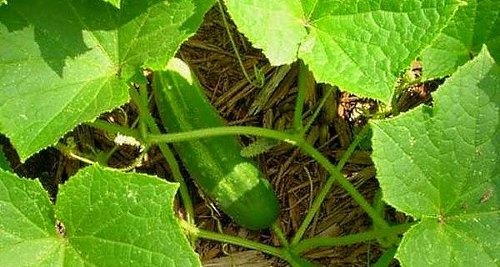
A self-pollinating variety that produces a large harvest. It requires little attention from the gardener when growing. The mature fruit is 15 centimeters long. The flesh is juicy and crisp, and the skin is thin and not bitter. It grows reliably even in shady areas. It has a strong immune system.
Crispina F1
It has the following characteristics:
- the weight of one cucumber is 100 grams;
- fruit size – no more than 12 centimeters;
- tolerates heat and cold well;
- strong immunity;
- there are few seeds, the skin is thin but dense;
- up to ten kilograms of vegetables are collected from one square meter;
- does not deform during long-distance transportation.

F1 Pro
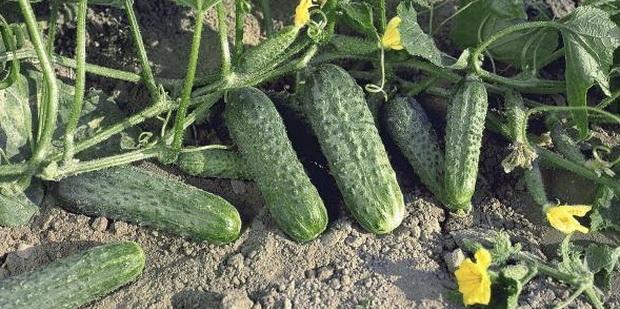
Profi gherkins exhibit good yields and stable growth rates. Among their advantages are:
- resistance to external stimuli;
- taste;
- good when salted;
- strong immunity.
Platinum F1
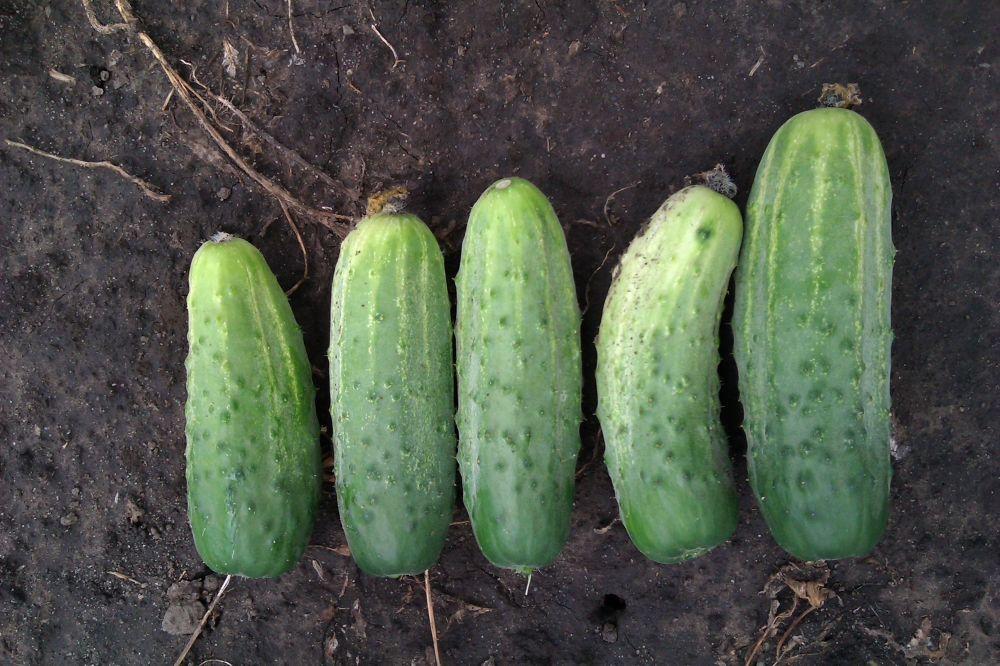
The Platina F1 variety ripens in 47 days. In addition to abundant yields and strong immunity, it boasts the following advantages:
- strong regeneration;
- does not taste bitter;
- universal;
- the average fruit size is 10 centimeters;
- 300 centners of vegetables are collected from one hectare;
Children's Mini
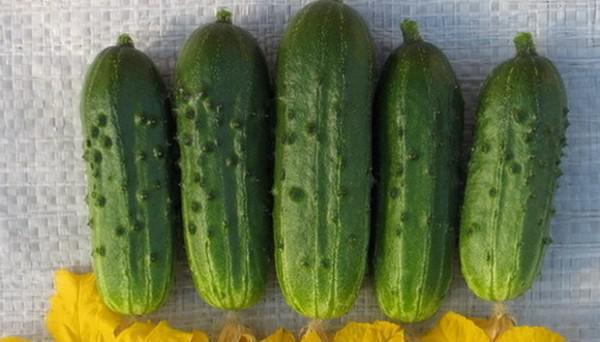
The growing season is 51 days—quite a long one compared to other varieties. The fruits are juicy and aromatic.
Parameters:
- weight – up to 160 grams;
- size – 9 centimeters.
Strong immunity allows you not to worry about crop death and harvest loss.
Karina
Distinctive features of the Karina variety:
- ripens quickly;
- abundant harvest;
- no bees are required for pollination;
- the length to thickness ratio is 3.2:1;
- universal;
- high regeneration;
- dark green skin;
- can be used in any form.
Magdalena F1
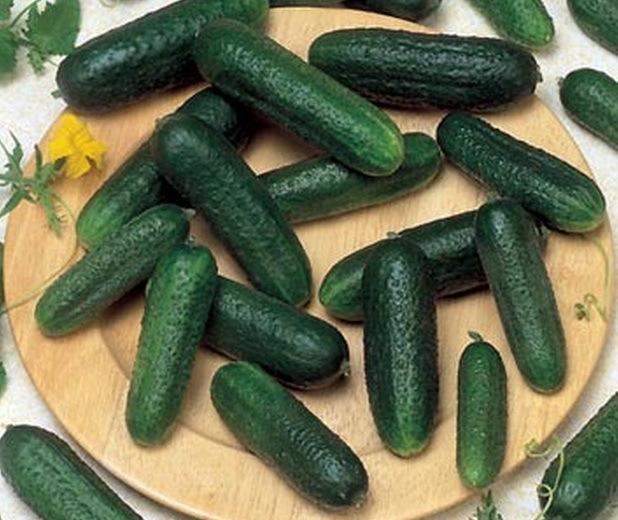
Magdalena is used when growing gherkins or pickles in a plot. Pickles are harvested after 35 days. Up to 8 kilograms of cucumbers can be harvested from one square meter of soil. The cucumber is cylindrical, no more than 8 centimeters in size. The flesh is firm and does not taste bitter. It has a pleasant appearance and produces consistent yields even during poor seasons.
Please note! Pickles are varieties of cucumbers no larger than 3-5 centimeters. Gherkins are vegetables that range from 3 to 8 centimeters in size.
Monolith F1
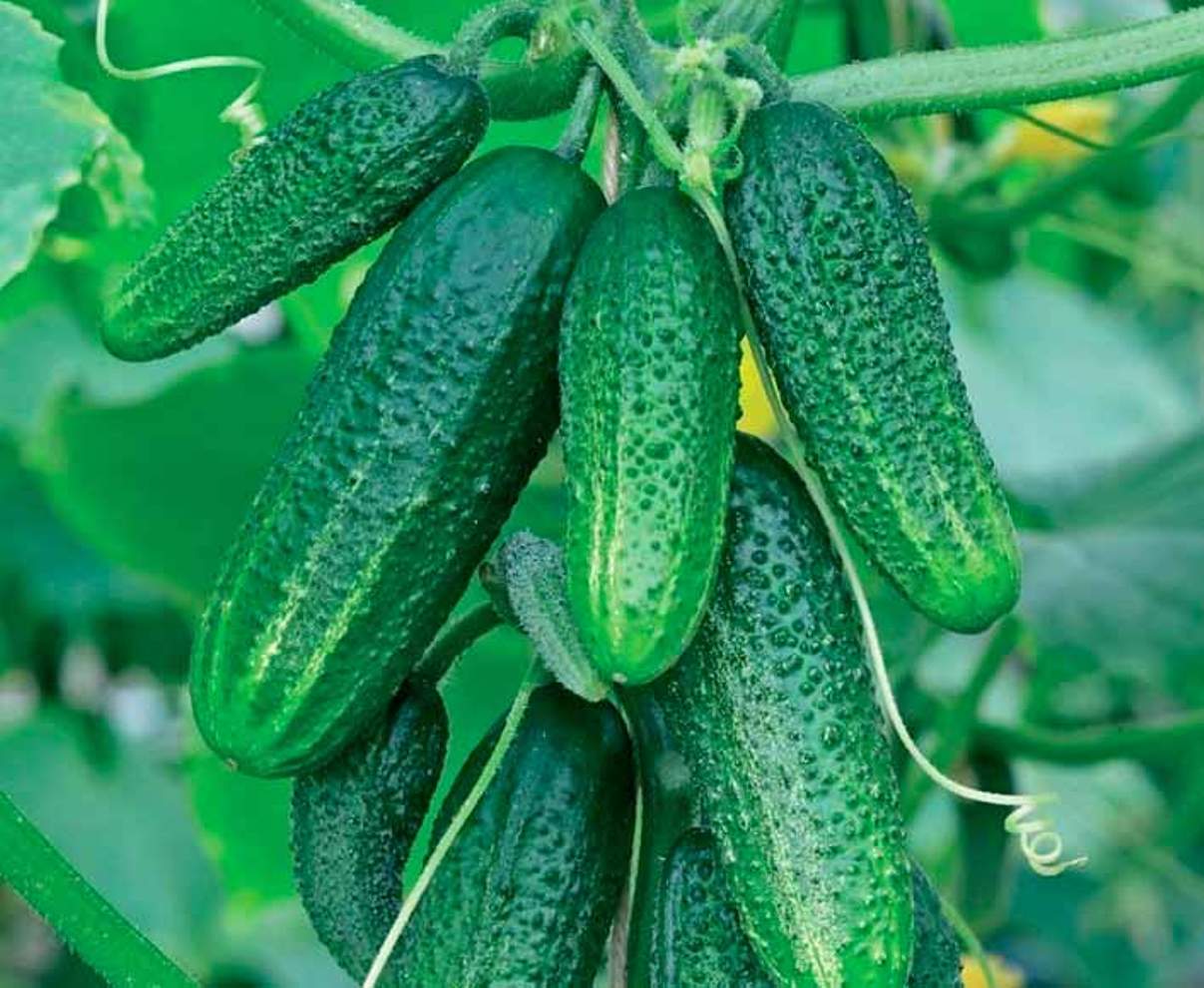
Another self-pollinating variety, this open-growing cucumber allows gardeners to easily harvest cucumbers from the garden. Monolith's fruits have green, firm skin with small light stripes. The cucumber's texture is firm yet juicy.
Specifications:
- product weight – up to 100 grams;
- length – from 10 to 12 centimeters;
- diameter - around 3.5-4 centimeters;
- matures within 40 days;
- weather has little effect on growth rates;
- strong immunity.
Athena F1
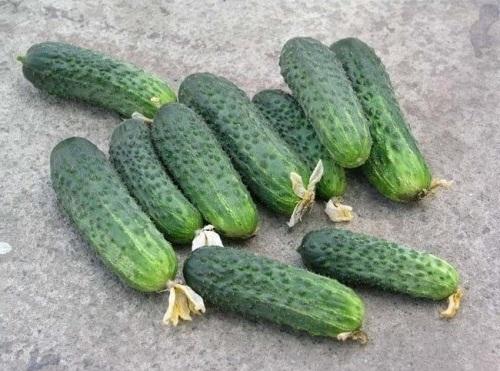
This hybrid was developed in 2005 thanks to the efforts of Dutch breeders, and was added to the Russian State Register of Plants in 2008. Bees are not required for pollination. The cucumber size ranges from 10 to 12 centimeters, with an average weight of 90 grams. The yield is consistently high, as is the resistance to disease.
Among the advantages are:
- good taste;
- vegetable transportability;
- rapid ripening.
Pollinated by bees
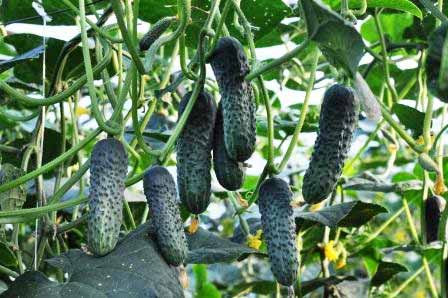
Not all Dutch cucumbers are self-pollinating. Some varieties require bees to reproduce, which carry pollen from one flower to another. Bee-pollinated cucumbers include:
- Levina F1;
- Madita Kukumber F1;
- Pioneer F1;
- Sonata in F
Levina F1
It has a mid-season ripening period and is recommended for growing in garden beds. This cucumber has the following characteristics:
- cucumber color - green;
- weight – 75 grams;
- size – 11 centimeters;
- the taste is soft and pleasant;
- does not taste bitter.
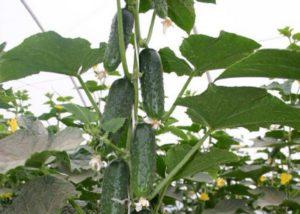
Ripening occurs 57 days after mass germination. Strong immunity.
Madita cucumber F1
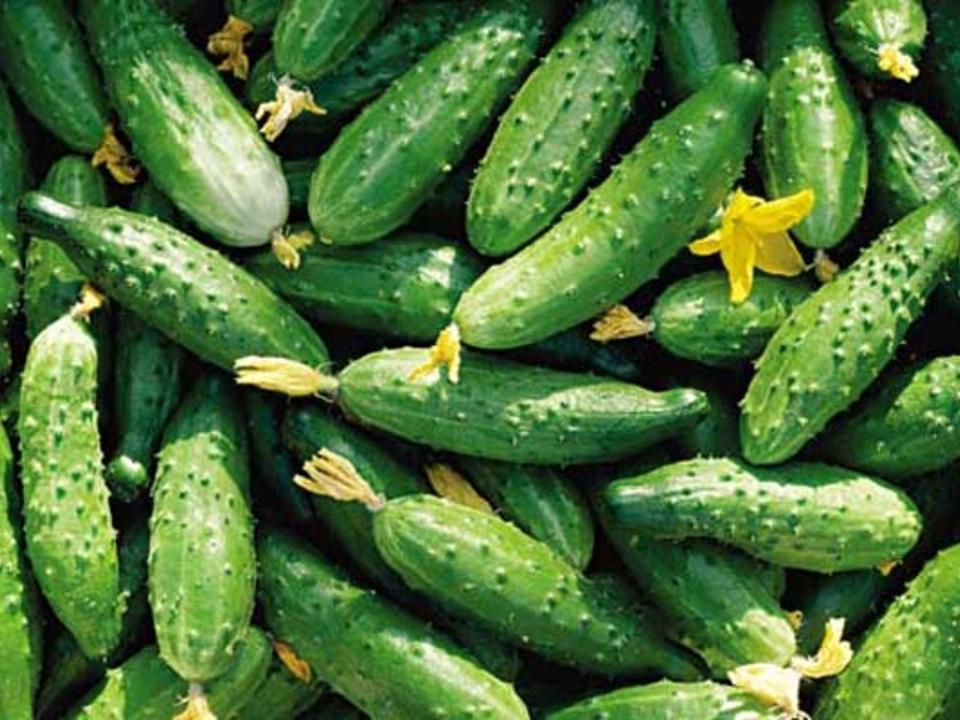
Madita cucumber requires bees to produce fruit. Keep this in mind if you grow them in a greenhouse. In addition to strong immunity, it has a rich, mild flavor. Description of the variety's characteristics:
- weighs up to 100 grams;
- size – 11 centimeters;
- color - green.
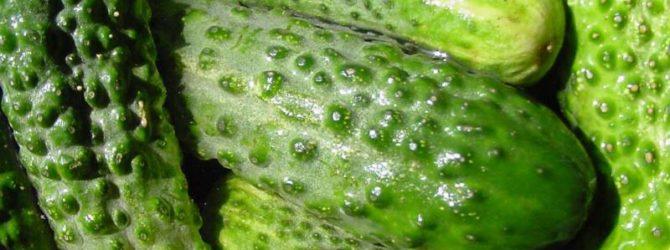
The skin is uneven, with many bumps. It does not taste bitter when eaten.
F1 pioneer
Its average ripening speed, compared to other varieties, is offset by its undemanding growing conditions. It is not self-pollinating.
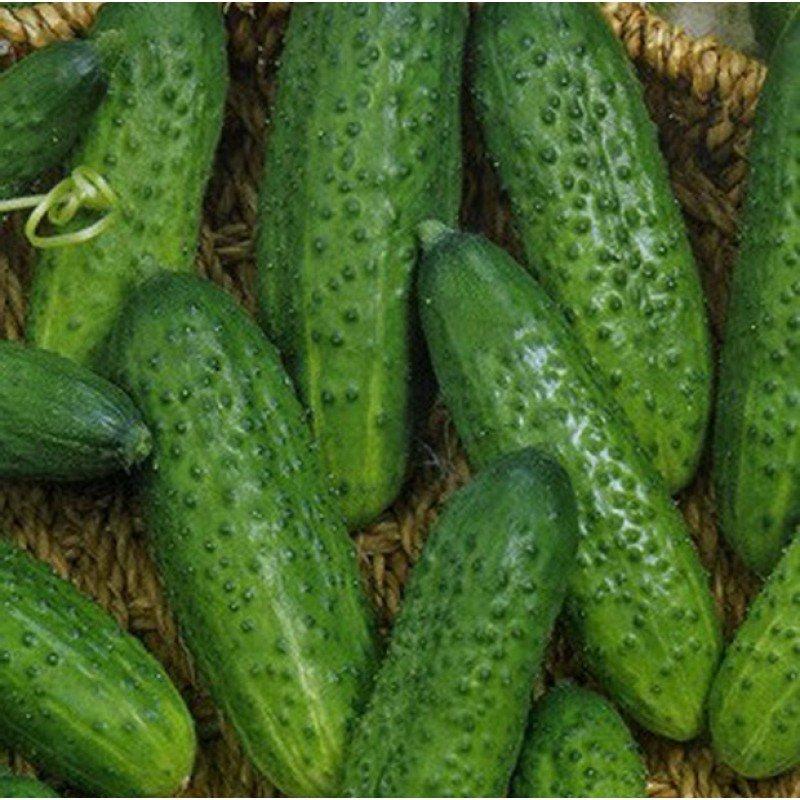
Specifications:
- bush height – more than 2 meters;
- the crop is ready for harvesting in 54 days;
- size – no more than 11 centimeters;
- weight – 85 grams.
The yield per square meter is 6 kilograms. These figures are not high, but they are stable and do not fluctuate over time.
Sonata F1
A low-growing bush with numerous vines. Bees are required for pollination. It requires full sunlight. Yields are 11 kilograms per square meter. The cucumbers are tasty and juicy, with a pleasant crunch. Average sizes range from 8 to 10 centimeters, weighing 100 grams. The fruiting period is 48 days.
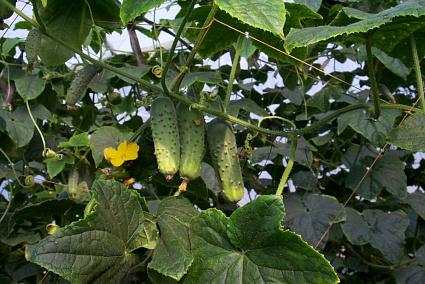 Please note! It tolerates low temperatures well and, if necessary, can be sown in the attic for seedlings in late March or early April.
The best cucumber varieties for open ground
Among the favorite varieties most often sown in open ground are:
- Angelina F1;
- Satin F1;
- Hector F1;
- Ajax F
Angelina F1
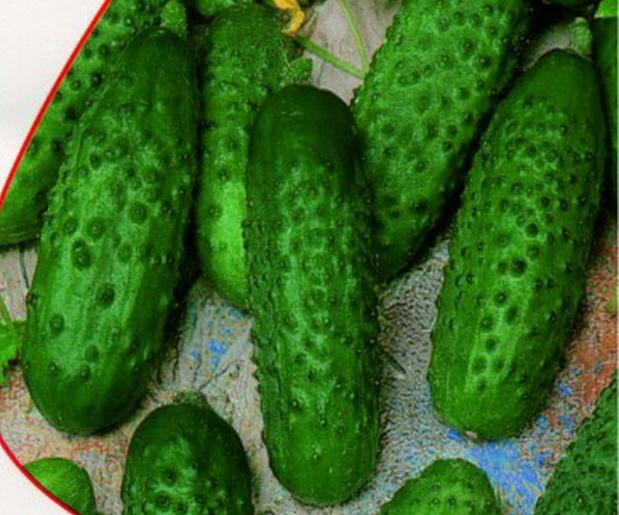
A versatile, self-pollinating cucumber, its maximum yield is achieved when planted in beds. It doesn't require much sunlight and thrives even in shaded areas. Its strong immunity reduces the risk of crop loss due to unexpected disease. The fruits are medium-sized and, when fully grown, don't exceed 12-14 centimeters in length.
Satin F1
Satin cucumbers They do not require pollinators to produce fruit. They are grown on large farms and for personal use. Fruits begin to form 40 days after sprouting. A single cucumber weighs around 110 grams. The seeds are small and soft, almost imperceptible when eaten.
Hector F1
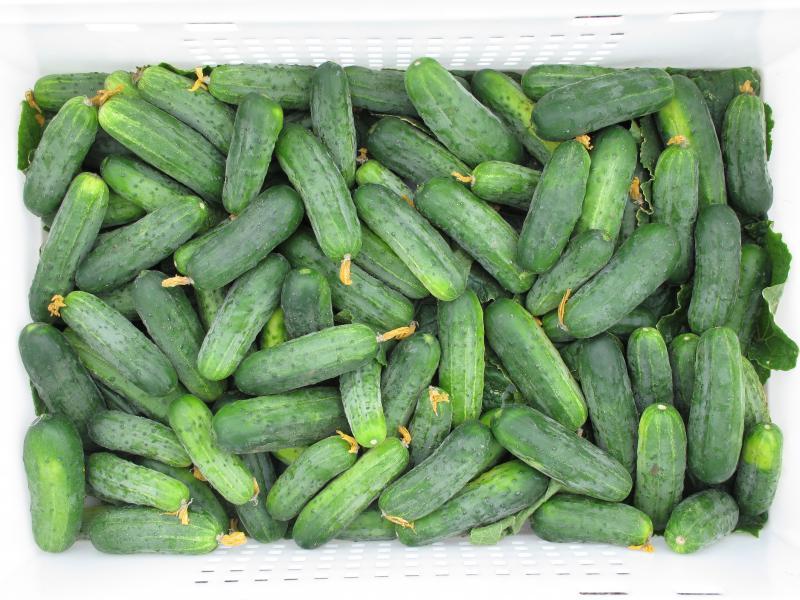
This hybrid is pollinated exclusively by bees. A mature bush reaches 80 centimeters in height. It is undemanding to the environment and is grown in many regions of Russia. The fruit weighs up to 100 grams and is 11 centimeters long.
Ajax F1
It has a large bush with numerous vines. It is pollinated by bees. It ripens early, producing cucumbers weighing 100 grams. Up to 5 kilograms of produce can be harvested from one square meter.
For greenhouses and hotbeds
When conditions don't allow for growing vegetables outdoors, purchase seeds of varieties that thrive in greenhouses. Among Dutch cucumbers, the following varieties are considered suitable.

Pasadena F1
Specifications:
- the first cucumbers are formed on the 49th day after emergence;
- medium-sized bush;
- It is preferable to grow in greenhouses, but if necessary it can also be grown in open ground;
- The yield reaches up to 14 kilograms.
It has a pleasant, fresh taste and aroma.
Bettina F1
Key indicators:
- harvesting begins 38 days after emergence;
- the weight of one cucumber is 75 grams;
- size – 8 centimeters;
- rich, slightly sweet taste.
Ceres F1
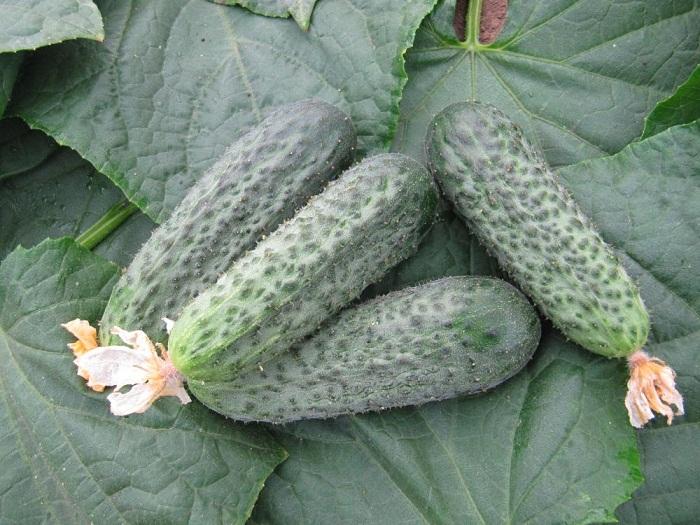
They have a unique appearance and size. Their skin is covered with small wrinkles, creating grooves along the entire length of the vegetable. Each fruit reaches 35 centimeters in length and weighs up to 290 grams.
Ecole F1
Bees are not required for pollination of Ecole cucumbers and fruit formation. Cucumbers are small, no more than 9 centimeters tall, weighing around 65 grams. They are grown in greenhouses in all regions except the North Caucasus. Ripening occurs 45 days after sprouting.
Baby
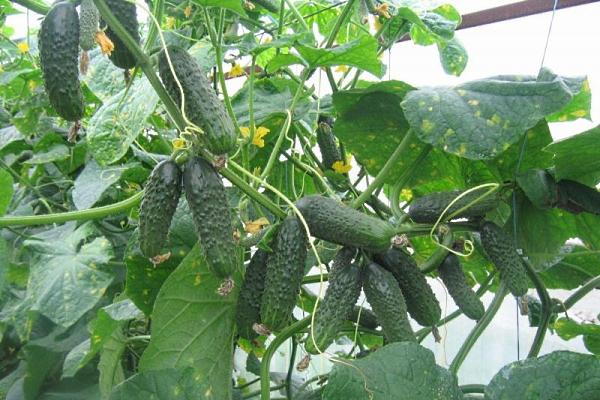
Baby Mini is a salad gherkin variety that doesn't require natural pollinators to produce fruit. It's a high yielder, yielding up to 16 kilograms per square meter. The maximum weight is 160 grams. Its length doesn't exceed 11 centimeters. It has received positive reviews from experienced gardeners who grow cucumbers for their own use.
Karin
Karin is an early cucumber variety, ripening 40 days after germination. When grown in favorable conditions, it yields up to 14 kilograms per square meter. Each cucumber weighs 70 grams and measures 10 centimeters.
Features of growing and caring for Dutch crops
The following are some of the features of growing Dutch cucumber varieties:
- Most varieties require moderate access to sunlight.
- They do not tolerate strong drafts well.
- It is not recommended to plant cucumbers in soil with high acidity.
- If pumpkins were grown in the planned planting area last year, it is better to abandon the site and look for another plot.
- Prepare and fertilize the soil where the beds will be in the fall.
- Leave a distance of at least 40 centimeters between bushes.
- When planting in open ground, the distance between beds should be at least 50 centimeters.
Related posts:
 Description of the best varieties of bee-pollinated cucumbers, rules for their formation and care
 Description of the best pepper varieties for greenhouses and open ground in 2025
 TOP 30 best varieties of cold-resistant cucumbers with descriptions and characteristics
 The best cucumber varieties for open ground in the Moscow region and their cultivation
 Description and properties of the 50 best varieties of asparagus beans, benefits and harms
 TOP 30 best determinate cucumber varieties with descriptions
 Growing cucumbers in open ground and greenhouses in the Leningrad region and varieties
 What varieties of tomatoes are best to plant in a polycarbonate greenhouse?