
- Bee-pollinated cucumbers: advantages and disadvantages of the crop
- Which cucumbers are better: bee-pollinated or self-pollinated?
- Growing and care in a greenhouse
- When to sow and plant seedlings
- Seating charts
- What crops can be planted together with cucumbers?
- Is it possible to plant self-pollinating and bee-pollinated crops together?
- Frequency of watering and fertilization
- Formation of cucumbers
- How to pollinate in a greenhouse
- Planting and caring for the plant in open ground
- How to attract bees to pollinate cucumbers in an open area?
- The best bee-pollinated hybrids
- Fontanelle F1
- Garden Boys F1
- Libelle F1
- Lord F1
- Kumanek F1
- Brownie F1
- Children on the F1 branch
- Hector F1
- Faithful Friends F1
- No Hassle F1
- baby bison
- Moscow delicacy
- Twixy
- Hope
- Rita
- Nugget
- Moringa
- Erofey
- Experienced gardeners' reviews of self-pollinating crops
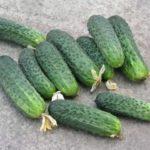
No dacha can be imagined without bee-pollinated cucumbers. Our ancestors have been planting these crops in their gardens since time immemorial. Recently, many new hybrids have been developed that rarely produce barren flowers and tolerate the vagaries of weather well. Cucumbers are planted in a garden bed or a greenhouse, and care is taken to ensure pollination of the female flowers during flowering.
Bee-pollinated cucumbers: advantages and disadvantages of the crop
Insect-pollinated cucumbers are nothing new. These plants have been grown in our temperate continental climate for many years. Recently, new varieties have been developed that allow for the earliest possible harvest. Early-ripening cucumbers typically begin to bear fruit after 40-45 days. The fruits have soft skin, white spines, and juicy flesh, and are 10-12 centimeters in size.
Many early cucumbers are salad cucumbers, their length differs from the usual ones - they are slightly oblong (about 27 centimeters).
True, some early varieties have thicker skin, dark spines, and can be eaten fresh or used for pickling.
Medium or late varieties of cucumbers Gherkins come in various lengths. Tiny gherkins grow to 5-9 centimeters. Hybrid varieties are distinguished by clustered ovaries, with fruits 9-12 centimeters long. These varieties produce a large harvest. However, the seeds of their fruits cannot be used to grow cucumbers with similar qualities. The vegetables ripen only in 50-60 days. All late-ripening varieties are mainly grown for canning or pickling.
Advantages of insect-pollinated varieties:
- excellent taste characteristics;
- disease resistance;
- cold resistance;
- good yield under favorable weather conditions;
- you can get seed material.

Cons:
- dependence on the presence of insects;
- in the sun, with little watering, cucumbers become bitter;
- The yield may decrease due to unfavorable weather conditions.
It's recommended to plant early, mid-season, and late varieties in the garden. This way, you can harvest throughout the season. Gardeners should know that there are two types of cucumbers. Some grow on low bushes that don't require much attention. Others form tall stems that require constant care. First, remove side shoots, shape the stem, and finally, pinch off the top.
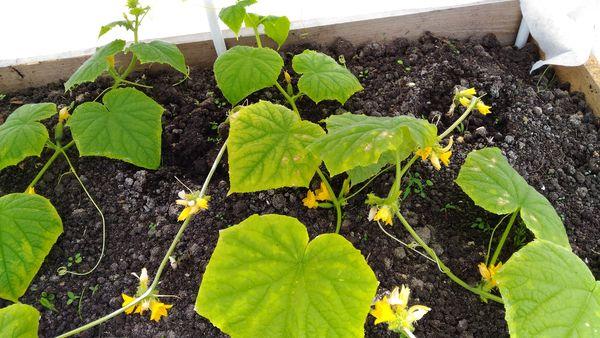
Long-stemmed crops require support; they are usually trained to climb a trellis. Bee-pollinated cucumbers are usually planted in an open bed. However, they can be grown in a plastic greenhouse or hothouse. It's best to keep the plant completely exposed to insects during flowering.
Which cucumbers are better: bee-pollinated or self-pollinated?
Sometimes, due to cool, rainy weather or a lack of insects, all cucumber flowers fail to pollinate, meaning pollen from the male flowers doesn't reach the female flowers. Ovaries don't fully develop, which reduces yield. However, breeders have developed new hybrid varieties—parthenocarpic cucumbers.
The plants produce only female flowers, and the ovaries form without pollination. These crops are typically grown in greenhouses.
There's another type of cucumber—self-pollinating. They have both pistils and stamens in a single flower, meaning pollination occurs when pollen from the stamens lands on the pistil. The plant pollinates itself, without the help of any insects. Fruits subsequently form, each containing seeds. Self-pollinating crops are typically grown in plastic greenhouses, on balconies, and even on windowsills.
Take a look Also
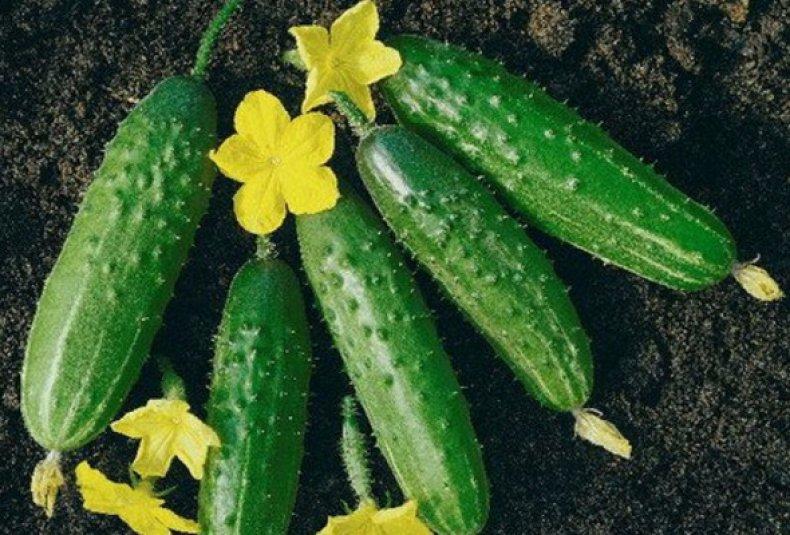
When comparing the flavor of different cucumber varieties, insect-pollinated ones are superior. They are crisp, juicy, not bitter, and have a pleasant cucumber aroma. However, self-pollinating varieties produce higher yields, as ovaries form regardless of the presence of insects or weather conditions.
Growing and care in a greenhouse
Insect-pollinated crops can be grown in a greenhouse, but attracting bees will be challenging. It's advisable to open the windows and doors wider during flowering, or remove the plastic covering completely.
When to sow and plant seedlings
It takes 20-25 days from sowing the seeds to transplanting the seedlings to the garden bed. The plants will then develop for another 20 to 30 days. If you sow the seeds in early May, you can transplant the seedlings into the greenhouse by the end of that month, and harvest them in June.
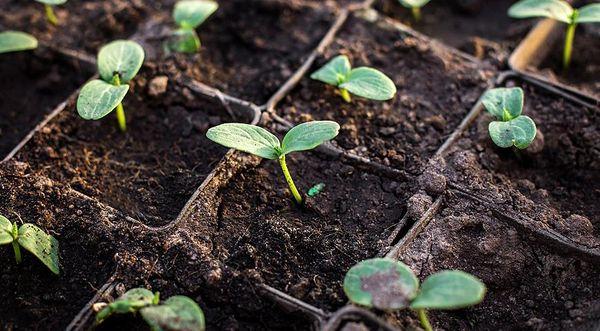
It is not advisable to sow fresh seeds. The seeds should be stored for at least two years. Before sowing, warm them up or harden them at low temperatures, then soak them in a pink solution of potassium permanganate for 20 minutes to disinfect them.
The growing seedlings are initially kept in a heated room, and at the stage of 4 true leaves they are transferred to a greenhouse.
Cucumbers don't like being pricked or having their roots torn. It's best to plant the seedlings directly in peat pots.
Seating charts
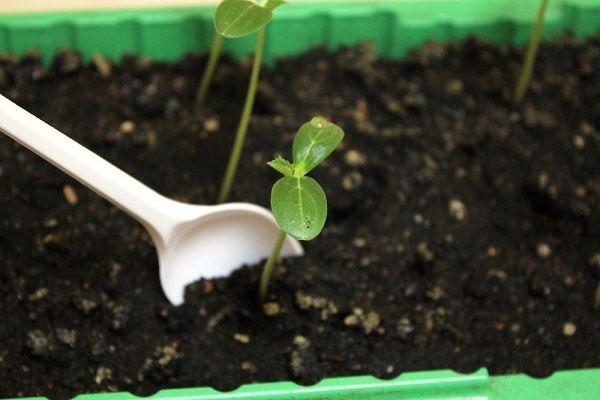
The seedlings are transplanted into pre-dug holes. Planting pattern: cucumbers are planted in rows, with two furrows per row. The plants are planted opposite each other, 50 centimeters apart. The distance to the next plant should be at least 40 centimeters. It's best to leave a gap of 80 centimeters between the rows.
What crops can be planted together with cucumbers?
It's best to grow each crop separately. However, you can plant Chinese cabbage, turnips, mustard, peppers, and eggplants in a nearby bed. Dill is a better choice. Its aroma will repel pests from the cucumbers. Green beans can be planted alongside cucumbers; they don't take up too much space. Cucumbers and green beans require equal amounts of watering. It's not recommended to plant tomatoes and potatoes near cucumbers.
Is it possible to plant self-pollinating and bee-pollinated crops together?
Several varieties of cucumbers can be planted in the same greenhouse, but preferably at least 80 centimeters apart. Crops of the same variety can be planted in adjacent beds or in the same row. Self-pollinating plants will produce a harvest regardless of the presence of insects. Bee-pollinated crops will produce fruit if their flowers are pollinated by bees, flies, or bumblebees.

Frequency of watering and fertilization
Immediately after transplanting, water the seedlings regularly (every two days). Use 2-3 liters per square meter. During setting and fruiting, increase the watering rate almost twofold. Water in the evening. If the day is too hot, mist the plants after 4:00 PM. This is not recommended during extreme heat, as the leaves can quickly burn in the sun.
Use warm, soft, settled water for irrigation. It's advisable to collect rainwater in barrels or canisters and use it to water the cucumbers.
Cucumbers require additional feeding during their development. Organic and mineral nutrients are added to the soil before planting the seedlings. Two weeks after transplanting, the seedlings are fed with mullein or nitrogen fertilizer. Use a liter of mullein solution or 30 grams of nitroammophoska per bucket of water.
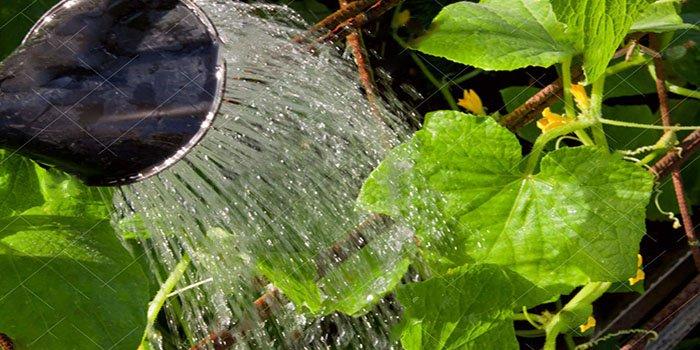
During the flowering period, apply the following fertilizer: add 30 grams of potassium sulfate, superphosphate, and urea per 10 liters of water. During fruiting, apply the following fertilizer: add 0.5 liters of mullein per bucket of water, or add 30 grams of nitroammophoska and potassium sulfate.
Formation of cucumbers
A common problem with bee-pollinated varieties is the formation of sterile flowers, when only male flowers appear on the bush. In this case, pinching out the main stem stimulates the development of lateral shoots, which are where the ovaries will form. The plant will produce better fruit if side shoots are removed. The lateral shoots that form at the nodes of the vines are removed, while leaving the ovaries that have formed.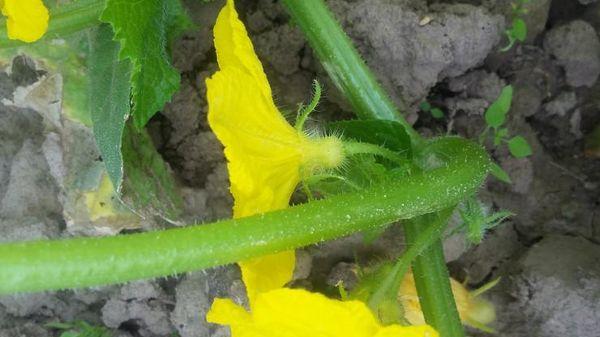
How to pollinate in a greenhouse
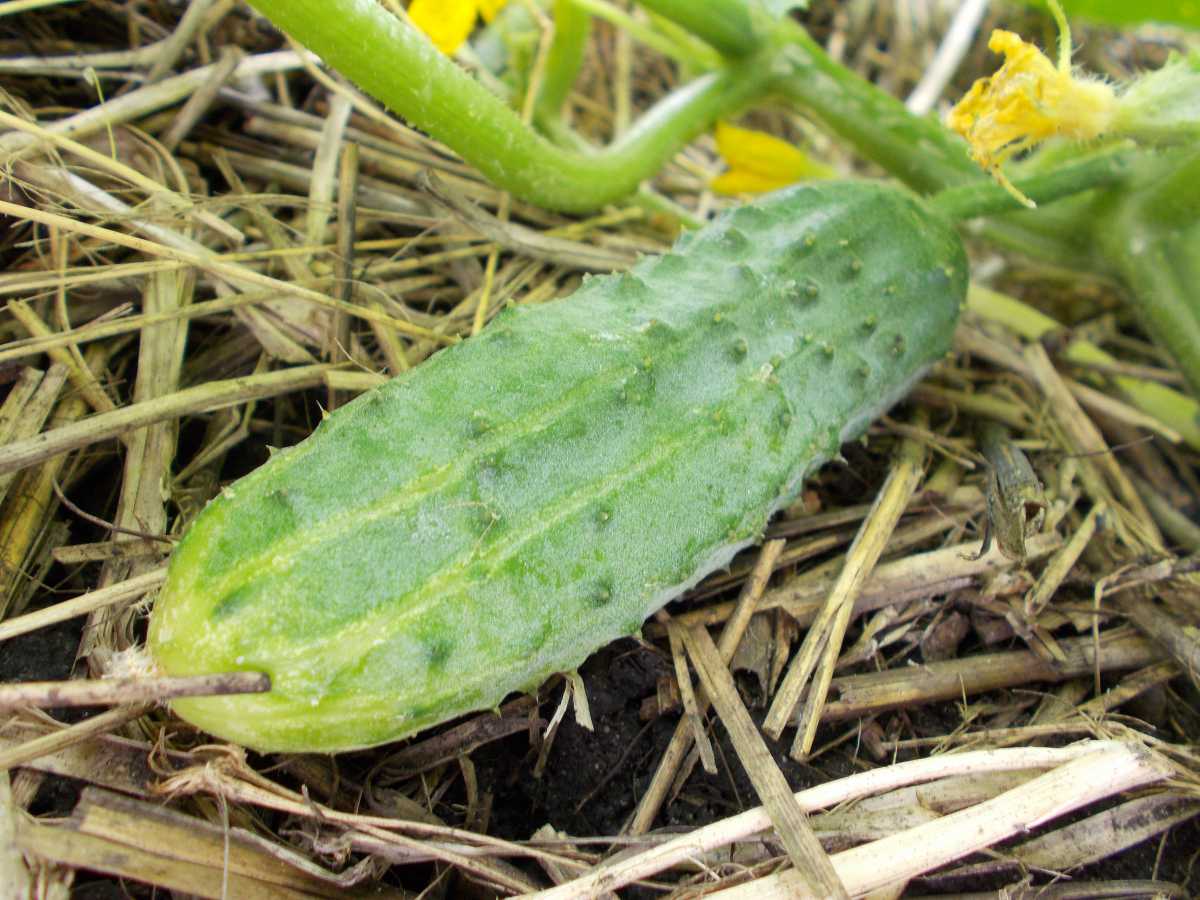
In enclosed spaces, pollination problems often arise. Even wide-open windows and doors are difficult for insects to fly into. You can help your plants by pollinating the flowers with a soft paintbrush.
Male and female flowers grow on the same stem. Female flowers have a small ovary beneath the flower. A brush collects pollen from the male flowers and transfers it to the female flowers. You can pick the male flower, remove the leaves, and use the stamen to pollinate the pistils of the female flowers.
Planting and caring for the plant in open ground
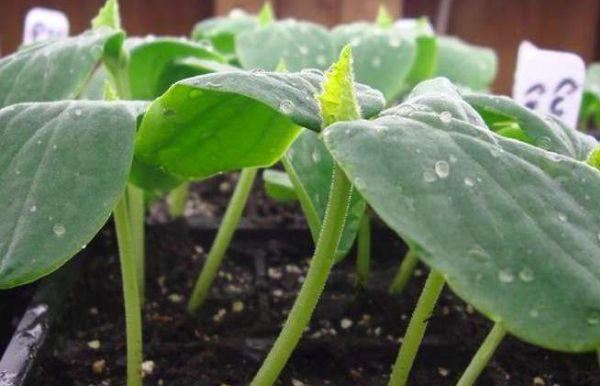
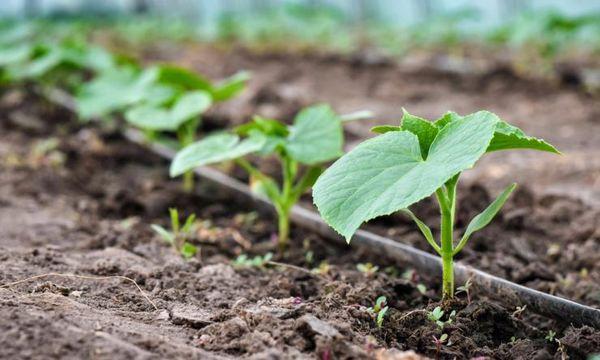
Cucumber seedlings are planted in the garden at the end of May. If the air has warmed to 15-18 degrees Celsius, there is no danger of night frost, and the soil temperature is 10 degrees Celsius, the young plants can be transplanted as early as mid-May. The seedlings are hardened off first, gradually acclimating them to the new environment. In late May or early June, the seeds can be directly sown in the garden. However, the crop will not begin to bear fruit until July. However, the plants will grow more vigorously.
Before planting cucumbers, the soil must be prepared: dug, fertilized, and loosened. Add a bucket of well-rotted compost per square meter, along with 30 grams each of nitrogen, potassium, and phosphorus fertilizers. Cucumbers prefer non-acidic soil. It's a good idea to add another 500 grams of wood ash or dolomite flour. Before planting, the holes can be disinfected with a pink solution of potassium permanganate.
When choosing a location for cucumbers, it's a good idea to consider a few nuances: cucumbers wilt quickly in direct sunlight. They can be planted in partial shade or near tall crops (sunflowers, asparagus beans). Avoid planting cucumbers in a bed previously occupied by tomatoes or potatoes. Onions, carrots, and radishes can be good alternatives.
Cucumbers planted in the garden bed are watered regularly. Use settled, warm water. Apply about 4 liters of water to each plant at a time. Avoid pouring water under the roots. Water the plants every two days, more frequently in hot weather, and stop watering in cool, rainy weather. Once the plants bloom and begin to set fruit, double the watering amount. During fruiting, the plants also require more moisture.
Two weeks after planting, the plants are fertilized with organic or nitrogen fertilizers. During flowering, potassium and phosphorus supplements are added. When fruiting begins, the bushes are fed with nitrogen and potassium supplements. Typically, 30 grams of any fertilizer or 1 liter of mullein is added to 10 liters of water.
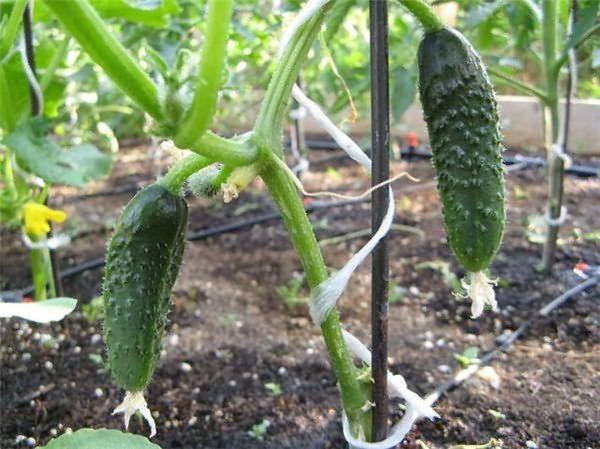
The bushes require constant care. The soil should be loosened and weeded. Tall stems should be tied to supports. Regular care should be taken to ensure the bushes are not too dense and to shape them. Lateral shoots are removed, leaving only the ovaries, and the top is pinched after the eleventh leaf has formed.
Biological products or fungicides are used to combat diseases. For prevention, plants are sprayed with a solution of Bordeaux mixture. If cucumbers are not setting fruit well, spray with a solution of boric acid.
Preventative spraying with a solution of potassium permanganate or copper sulfate helps against all diseases. Infusions of tobacco, wood ash, onion, garlic, and a solution of laundry soap are used to combat pests.
How to attract bees to pollinate cucumbers in an open area?
During the cucumber flowering period, it's not advisable to light a fire or burn anything in the garden. Bees and many other insects hate smoke, as it can drive them away permanently. During flowering, spray the cucumbers with a sugar solution (100 grams per 1 liter of water). This method attracts wasps, bees, and bumblebees. These insects readily fly into beds containing dill, fennel, cilantro, watercress, and mint. Flowers favored by bees, such as petunias, sunflowers, cornflowers, clover, and marigolds, can be planted in the center of the garden.
The best bee-pollinated hybrids
In recent years, new bee-pollinated varieties have been developed and cucumber hybrids for open groundThey form ovaries better, are less susceptible to diseases, and are more attractive to insects.

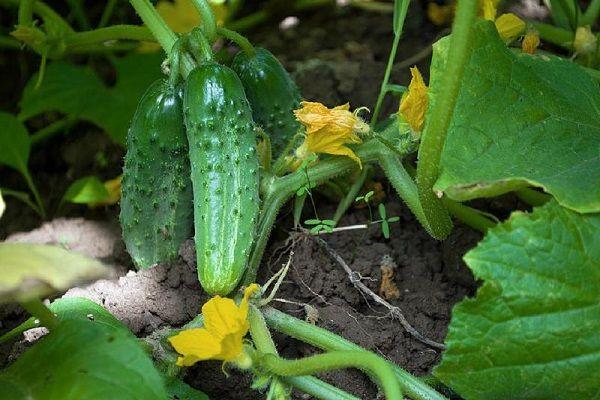
Fontanelle F1
A hybrid crop that begins bearing fruit after 50 days. Cucumbers grow up to 12 centimeters in length and up to 5 centimeters in diameter. Each cucumber weighs 105 grams. A single bush can yield up to 9 kilograms.
Garden Boys F1
A cultivar with a female flowering type. The ideal shape of the ripe fruits makes them suitable for canning. Each vegetable is 10 centimeters long and weighs 100 grams. The cultivar tolerates drought well and rarely suffers from diseases.
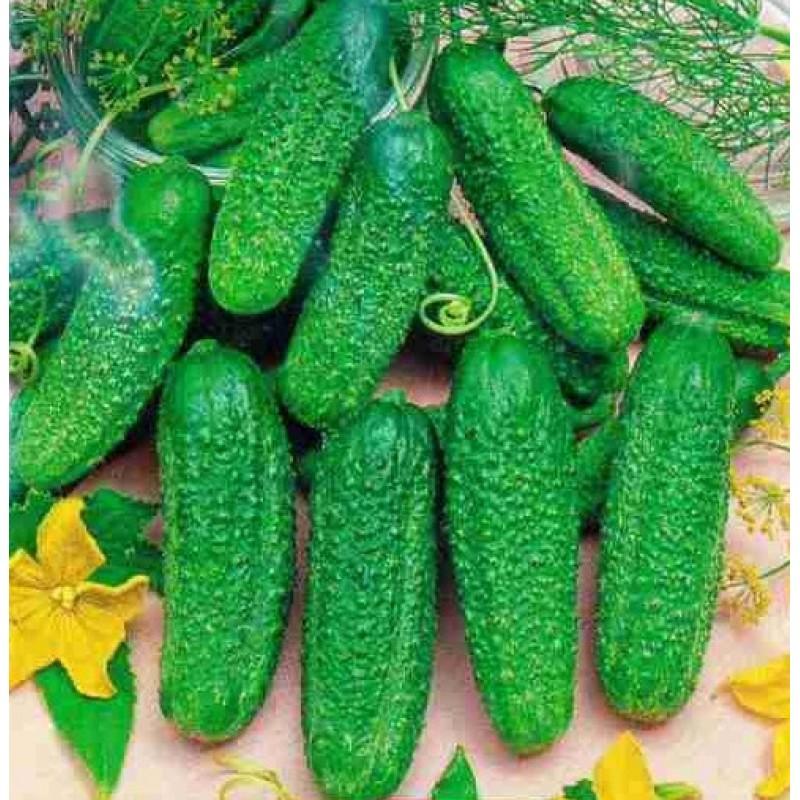
Libelle F1
A long-vine hybrid that matures in 50 days. Cucumbers are 12 centimeters long and weigh 110 grams. The flesh is juicy and without bitterness. A single bush can yield up to 10 kilograms.
Lord F1
A mid-season variety, Lord F1 produces fruits 12 centimeters long and weighing 110 grams. The plant produces fruit well even in unfavorable weather conditions and rarely suffers from diseases.
Kumanek F1
It bears fruit well in arid regions. It forms a low bush that requires pinching. Mature fruits are up to 15 centimeters long and weigh 115 grams. The fruits are not bitter.
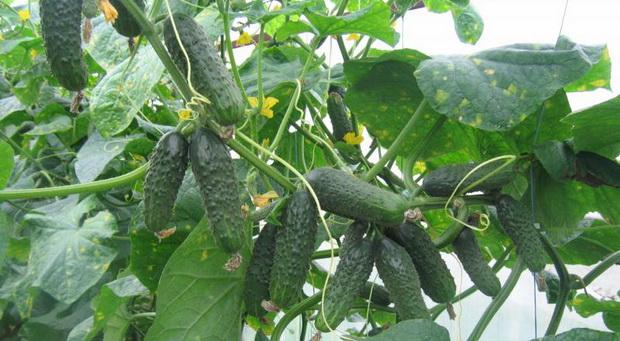
Brownie F1
A late-ripening variety. The plant is vigorous and vine-like. The fruits are 6-9 centimeters long. The vegetables are not bitter and are ideal for canning.
Children on the F1 branch
An early hybrid. Begins bearing fruit after 42 days. Cucumbers are 8 centimeters long and weigh 75 grams. The cucumbers are completely hollow.
Hector F1
Description: An early variety that begins bearing fruit after 32 days. The cucumbers are 12 centimeters long and weigh 100 grams.
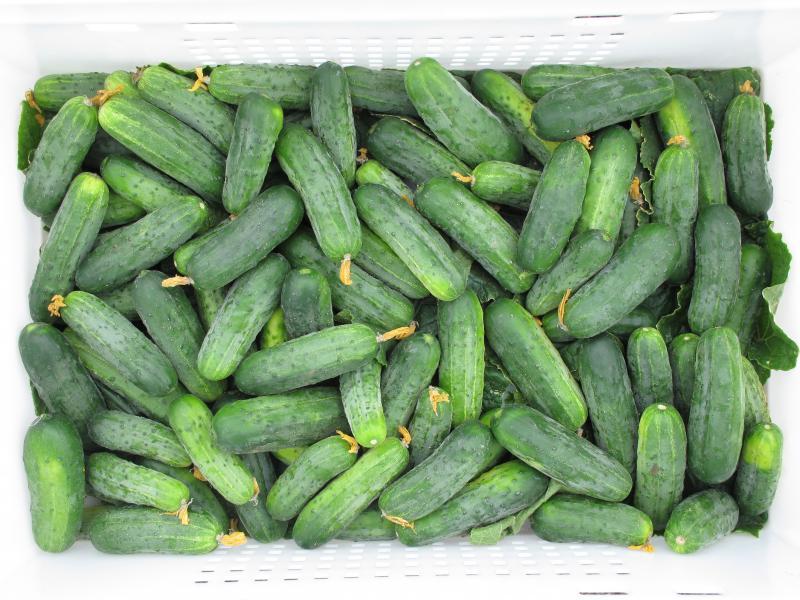
Faithful Friends F1
What makes this variety unique is that it begins bearing fruit as early as 37 days. Mature fruits are 8-9 centimeters long and weigh 90 grams.
No Hassle F1
Variety characteristics: Early, ripens in 40 days, suitable for canning. Mature vegetables are 9 centimeters long and weigh 95 centimeters.
baby bison
The crop begins to bear fruit only after 50 days. The fruit is 10.5 centimeters long and weighs 90 grams.
Moscow delicacy
The crop bears fruit in 42 days. This Moscow delicacy produces medium-sized cucumbers that don't overgrow and are excellent for canning.
Twixy
This crop can be harvested on the 37th day. Twixy fruits are small (8 centimeters) and weigh 85 grams. A single bush can yield up to 6 kilograms.
Hope
An early variety, 'Nadezhda' produces 10-centimeter-long, 100-gram-long cucumbers. One bush can yield up to 8 kilograms.
Rita
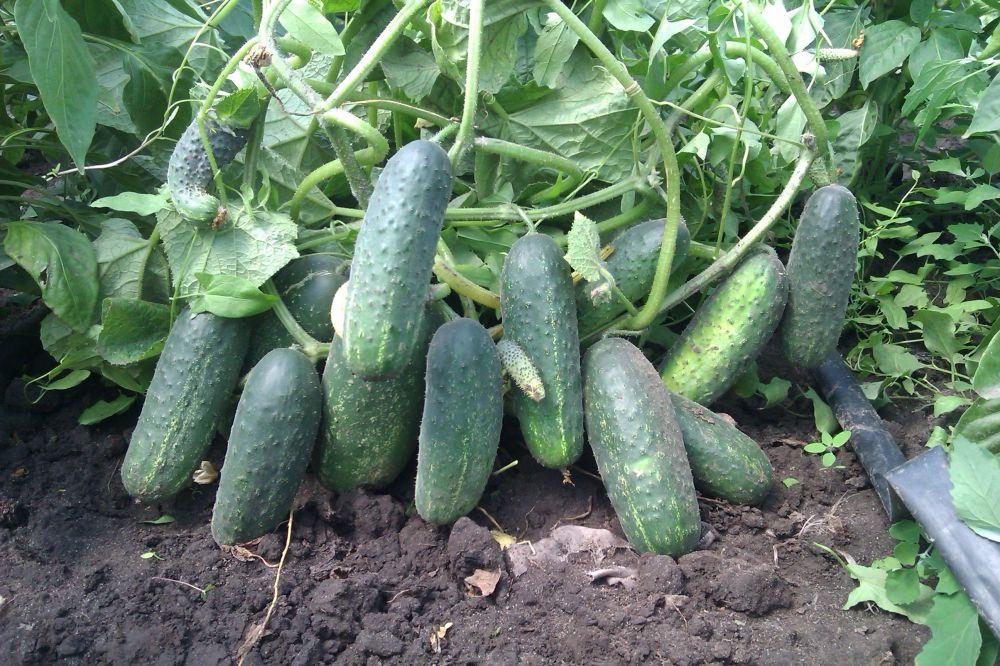
The first harvest can be completed after 48 days. Rita produces gherkin-shaped fruits, 6 centimeters long and weighing 70 grams.
Nugget
The crop bears fruit in 45 days. The nugget has a long stem (up to 1.8 meters). The size of the vegetables is 10 centimeters, weighing 95 grams.
Moringa
The harvest of this crop can be obtained in 48 days. Moringa is not bitter. Ripe fruits are 6-8 centimeters long. It is a gherkin crop.
Erofey
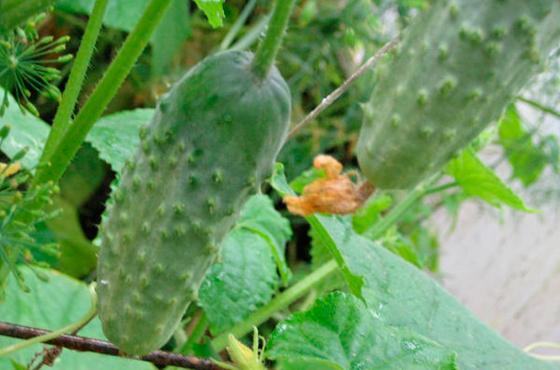
A mid-season crop with medium-sized fruits, Erofey has a long stem that requires training. The fruits are eaten fresh and used for canning.
Experienced gardeners' reviews of self-pollinating crops
Galina Mikhailovna, 57 (review): "I plant a variety of cucumbers in my garden bed, including bee-pollinated ones. I love the fruits of these varieties: they're healthy, firm, and have a wonderful aroma. The plants require minimal care: planting, tying, and occasional watering. But the yield is high."
Related posts:
 The best cucumber varieties for open ground in the Moscow region and their cultivation
 Growing cucumbers in open ground and greenhouses in the Leningrad region and varieties
 Description of the best varieties of Chinese cucumbers, planting, growing and care
 TOP 30 best determinate cucumber varieties with descriptions
 Description and properties of the 50 best varieties of asparagus beans, benefits and harms
 Description of unusual methods for planting and growing cucumbers
 Description and characteristics of the best varieties of sweet corn, cultivation technology
 30 Best Dutch Cucumber Varieties with Descriptions and Characteristics