
- Composition and active ingredients of onion peel
- Distinctive features and benefits of onion peels
- Are there any disadvantages?
- How does it affect the growth and fruiting of cucumbers?
- Onion Peel Fertilizer Recipes
- Preparing the tincture
- Cold infusion
- Hot infusion
- A decoction for watering and spraying bushes
- Fertilizer from dry husks
- How to dose and use correctly
- For young seedlings
- Fertilizing mature bushes
- How to properly treat for pests
- Tips and recommendations from gardeners
Gardeners have to contend with various diseases and pests when growing cucumbers, especially if the vegetables are planted in greenhouses. Favorable conditions—moisture, warmth, and temperature fluctuations—foster the development of diseases. Some gardeners avoid chemicals on principle, so they use onion peels and other natural ingredients for garden cucumbers.
Composition and active ingredients of onion peel
Onion skin is a storehouse of biologically active components:
- B vitamins strengthen the root system and plant stems and stimulate seedling growth.
- Phytoncides destroy fungal spores, single-celled organisms, microbes, and bacteria.
- Carotene boosts immunity and destroys rot and fungus. It acts as an antioxidant and immunostimulant.
- Vitamin PP—nicotinic acid—helps plants survive in the shade. It stimulates growth in heavy soils and increases the rate at which nitrogen is converted into oxygen.
Onion peels are used in decoctions and infusions. The dried product is used as fertilizer and to protect against diseases and pests.
Distinctive features and benefits of onion peels
Using onion peels helps prevent and destroy pathogenic microflora without harming the soil or vegetables, and enriches the plants with beneficial micronutrients. After treatment, cucumbers are eaten immediately. This folk remedy contains organic substances that are quickly absorbed by the body, accelerating plant growth and development. A decoction or infusion is used for root and foliar feeding.
Benefits of onion skins:
- An environmentally friendly product. Does not harm vines, fruits, or the human body;
- prevents diseases;
- repels pests;
- preserves beneficial bacteria in the soil;
- waste is used, does not require material costs;
- a storehouse of vitamins, microelements, minerals;
- ease of preparation.
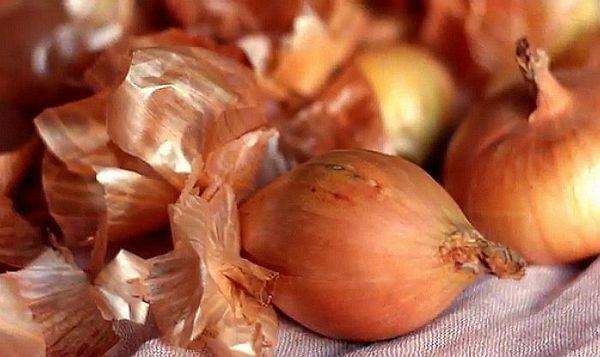
The dry shell is used for soil fertilization and mulching.
Are there any disadvantages?
Onion skins contain quercetin, a substance responsible for the bitter taste. If you use the dried skins as fertilizer and constantly use infusions and decoctions, the onions will acquire a bitter taste. Avoid using both the dried and infused forms of this folk remedy. Choose one over the other. This is the only drawback of the product.
How does it affect the growth and fruiting of cucumbers?
Vitamin B, found in onion skins, participates in the chemical process of carboxylase formation. This component has a life-giving effect, converting carbohydrates into useful substances. Young seedlings rapidly increase their growth rate, and their stems and leaves strengthen.
The set of microelements: boron, iron, manganese, copper in the husk help increase the yield, improve the taste, and affect the fruiting period.
Onion Peel Fertilizer Recipes
Onion skins are used in their pure form as a fertilizer. Infusions and decoctions are prepared for preventative purposes against diseases and pests.
Preparing the tincture
There are two options for infusing the shell: cold water and hot water. The recipes differ in the preparation time.
Cold infusion
For the tincture you will need the following ingredients:
- onion skins – 100 grams;
- water – 5 liters.
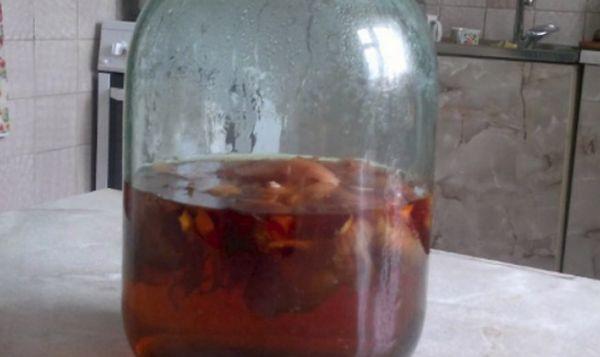
Preparation: Combine the shell with room-temperature water and let sit for five days. Strain before use. The dressing quickly spoils and loses its beneficial properties, so use the entire tincture at once.
The infusion is used in a greenhouse or open ground.
Hot infusion
Ingredients:
- onion skins – 1 liter jar;
- water – 2 liters.
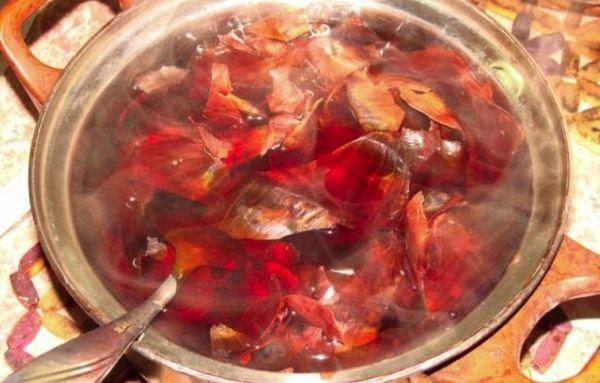
Preparation: Heat water to 40 degrees Celsius. Pour it over the peels. After 24 hours, strain the infusion. Add 10 liters of water. The infusion is ready for use in a greenhouse or open ground.
A decoction for watering and spraying bushes
Ingredients:
- onion skin – 100 grams;
- water – 5 liters.
Preparation: Mix the ingredients and bring to a boil. Once the liquid comes to a boil, reduce the heat and simmer for another 7 minutes. Turn off the heat and let it cool completely. Strain and add 2 liters of water to the mixture.
Spray the cucumber bushes with the decoction after rain as a preventative measure. If there's no rain, water the plants first, then apply the solution from a spray bottle. To ensure the decoction remains on the leaves, add a small amount of liquid soap.
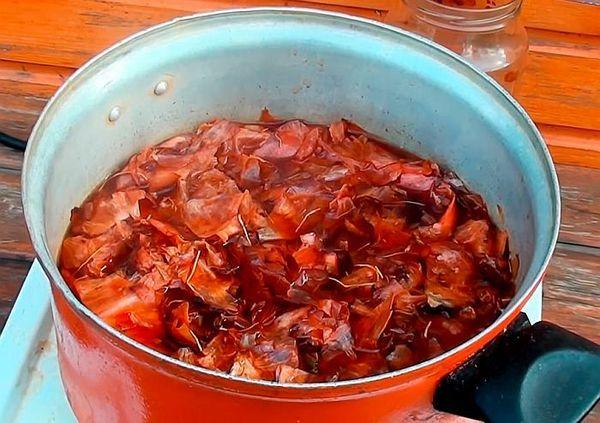
To combat pests, use a more concentrated decoction: 1 liter jar of husks per 2 liters of water. Bring the mixture to a boil and let it steep for 2 days. Strain the mixture, and add 10 liters of water.
Fertilizer from dry husks
The quantity and quality of the harvest can be increased by adding dry husks to the soil as fertilizer during spring digging.
The natural shell is used as mulch. After watering and rain, the nutrients penetrate the soil and perform an additional function – feeding the root system with organic matter.
How to dose and use correctly
When preparing decoctions and infusions, adhere to the dosage. The solution should have a slightly bitter taste. A weakly concentrated solution will not help the plant. It is impossible to oversaturate the foliage with the decoction; the plant will absorb the required amount of beneficial organic substances.
For young seedlings
Feed the seedlings with an infusion. Take a handful of husks and 1 liter of water. Bring to a boil and let steep for 24 hours. Strain the infusion and spray the plants with it every 7 days.
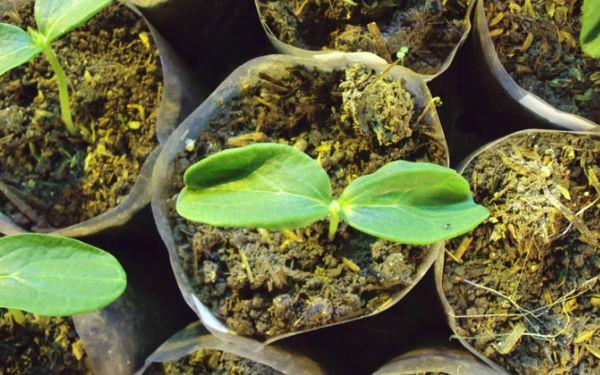
Spraying is replaced with mulch. Before planting the seedlings, the soil is dug over with a layer of husks. The seedlings are planted a day later.
Fertilizing mature bushes
For mature plants, use a cold, hot infusion, or decoction. As a preventative measure, cucumbers are sprayed with the decoction or infusion every 5 days. After winter, the plant's vitality is quickly restored. Yellowed leaves regain their color. Wilted cucumbers revive.
How to properly treat for pests
A hot infusion is used to combat pests. This creates a more concentrated solution. After preparing the infusion, it is diluted with water in a 1:2 ratio.
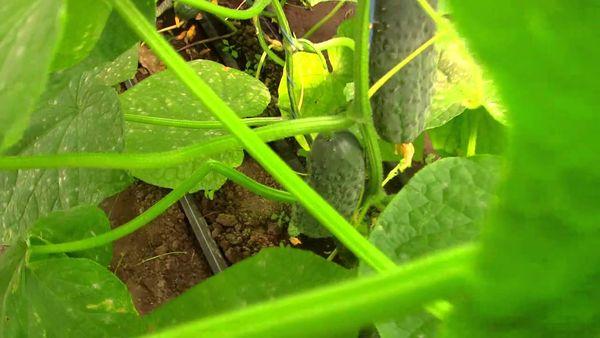
Laundry soap is added to the working solution to ensure the folk remedy stays on the foliage as long as possible. The infusion is effective against spider mites, flea beetles, and codling moths. Spray for three days in a row, with a seven-day break in between. The process is repeated several times.
A cold infusion helps against aphids in a greenhouse. Carefully apply it to each affected leaf.
Tips and recommendations from gardeners
Infusions and decoctions should not be saved for future use. They lose their beneficial properties and can harm the plant. To combat pests, spray the leaves on both sides.
It's difficult to accurately calculate the dosage for tinctures made from the peel. Therefore, stick to this method. The solution should have a slightly bitter taste to ensure its beneficial properties. Excessive bitterness indicates a concentrated content.
Resume spraying after flowering to avoid repelling pollinating insects.
Related posts:
 The medicinal properties and contraindications of rosemary for health, its benefits and harms
 What is the best way to treat cabbage from caterpillars and butterflies, folk remedies
 What fertilizers and when to use for feeding tomatoes in a greenhouse
 Can you feed cucumbers with nettles and how to prepare the fertilizer?
 How to propagate and grow peas, cultivation technology, and care in open ground
 How to properly plant peas in a greenhouse and open ground
 How to prepare tomato seeds for planting seedlings
 How to control carrot flies with medications and folk remedies