
- Bread fertilizer: the pros and cons of this type of fertilizer
- How is bread starter beneficial for cucumbers?
- How does it affect plant growth and fruiting?
- When is the best time to feed vegetables with bread: optimal timing
- Greenhouse processing
- Fertilizer in open ground
- Technology of adding bread sourdough
- What is the best way to apply fertilizer?
- Folk recipes for making infusions
- Green sourdough with bread
- Fertilizer from black bread
- Recipe using iodine
- Bread and nettle sourdough
- Helpful tips
- Gardeners' reviews
When purchasing cucumber seeds, gardeners and summer residents expect a bountiful harvest of the greens. But this crunchy vegetable is a fickle creature. Numerous conditions must be met, from temperature to planting location. Fertilizing is crucial for growing this delicious vegetable. The best fertilizers are those that are safe for humans. The topic of feeding cucumbers with bread infusion will be discussed.
Bread fertilizer: the pros and cons of this type of fertilizer
Let's look at the positive aspects first. These include:
- With this type of feeding, the number of high-quality cucumbers increases, the number of buds actively grows: fewer empty flowers and cucumbers with empty spaces inside grow.
- "Green" ones grow faster, making it possible to harvest early.
- With organic fertilizers, beneficial microflora is activated.
- Sick and damaged gherkins recover and grow at the same rate as healthy ones.
- A biologically active process of accelerating the decomposition of fertilizers and their absorption by the soil occurs in the soil.
The following are some of the disadvantages of this type of fertilizer:
Soil acidity increases with frequent watering.
How is bread starter beneficial for cucumbers?
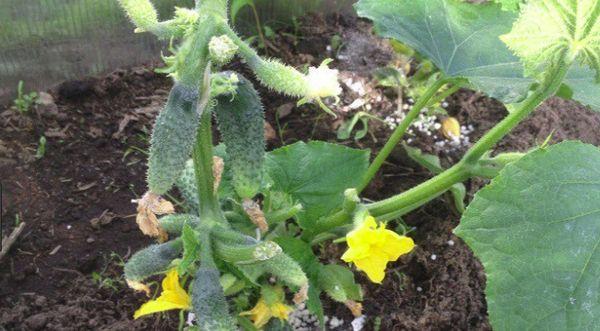
As soon as the yeast fungi enter the soil, they release carbon dioxide, which is beneficial for vegetables. Within a few days, the nutrients, reaching the roots, stimulate leaf growth and the formation of high-quality ovaries, even those that seemed hopeless.
This method is safe for the human body. This fertilizer is essentially free. Every home has leftover peels and pieces after eating, which are suitable for making an infusion.
Sourdough is not a substitute for fertilizer. It's a way to stimulate soil bacteria to multiply.
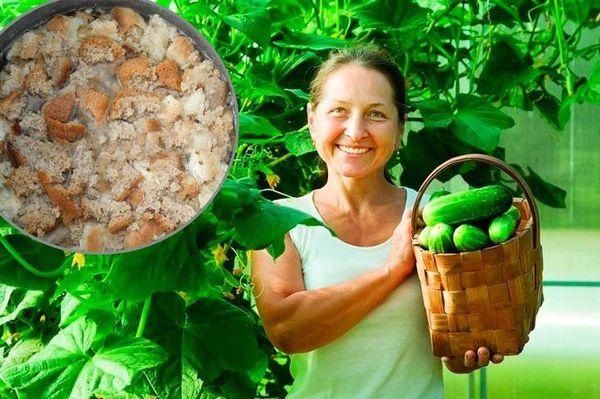
The best bread supplement is rye bread, which contains more nutrients. Rye contains nitrogen, potassium, and phosphorus. Rye bread also provides potassium, manganese, iron, and zinc. Vitamin B, found in rye bread, has a positive effect on plant growth and development.

How does it affect plant growth and fruiting?
Bread infusion has a positive effect on plant growth and fruiting. Root irrigation is optimal for green plants. Folic acid, para-aminobenzoic acid, protein, and vitamin PP promote rapid growth and development. However, this requires that the bread infusion be applied several times throughout the season.
When is the best time to feed vegetables with bread: optimal timing
Fertilizing should begin in the spring. Two weeks after the sprouts emerge, you can apply the first watering with the starter culture. This watering should be done every 10-15 days, no more frequently. If you do the math, you'll need 4-6 waterings per season. Each gardener must determine their own timing for fertilizing their beds. However, in any case, the "grain watering" remains essential until the end of the vegetable season.
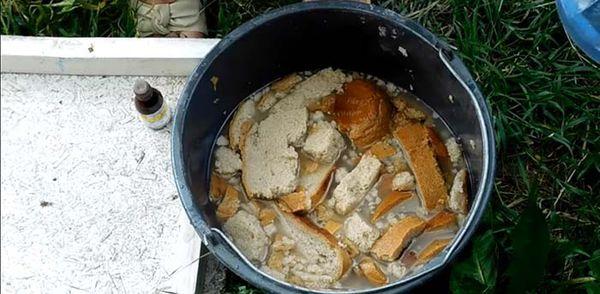
The recommended time for applying bread fertilizer is evening and cloudy days. This creates favorable conditions for the plants to absorb the yeast fungi.
Greenhouse processing
To plant the sourdough starter outdoors, wait until the soil warms up to 20 degrees Celsius. In a greenhouse, you don't need to worry about the temperature. In a greenhouse, the plant should first be watered, then, after two hours, ventilated. The next step is to treat it with the bread mixture.
Fertilizer in open ground
Before fertilizing gherkins, the bed should be thoroughly watered. To prevent a hard crust from forming on the soil, loosen it, breaking up any clumps. Fertilizer can be applied directly to the roots. Alternatively, you can spray the cucumbers so that droplets of the beneficial mixture reach the entire plant.
At temperatures below +15, nutrients are not absorbed.
Technology of adding bread sourdough
Most often, up to four feedings are used per season.
- after the first shoots or after planting in a permanent place;
- before flowering;
- during the appearance of ovaries;
- three weeks after the first fruits appear.
Strain the finished mixture to avoid a thick crust of crumbs. The infusion should be warm, with an average temperature of 30 degrees Celsius. You can pour up to 400 milligrams under each plant (in a garden bed), and up to half a liter per plant in a greenhouse. When applying to the roots, do not allow the infusion to come into contact with the leaves and trunk.
What is the best way to apply fertilizer?
It can be applied with any complex mineral or organic fertilizers. Yeast-like fungi remove calcium and potassium from the soil. Therefore, the main components may include:
- Bone meal.
- Fine egg grits.
- Wood ash.
If these elements are deficient, the vegetable crop will have a bitter taste and an irregular shape. Regularly adding organic matter with bread will help:
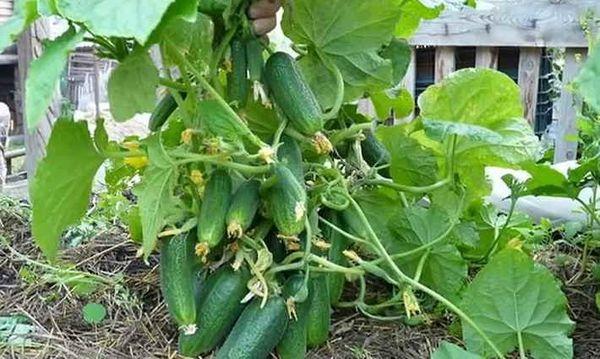
- Increasing the number of ovaries and later adult fruits.
- Formation of the immune system against various diseases.
- The value of the product increases due to the vitamins it contains.
- Strengthening the root system.
Folk recipes for making infusions
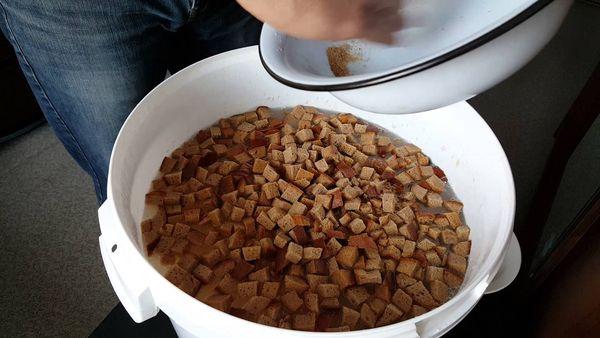
Fill a large container with rye crusts and place them under a weight. Fill the container to the top with warm water. Place the container in a greenhouse for five days until the bread is completely fermented – the warmth there will encourage vigorous fermentation. Once fermentation has begun, mix the starter with water in a 1:3 ratio. The fertilizer is ready.
Green sourdough with bread
To make a sourdough starter, you'll need a large barrel. Fill it with the following ingredients: a bucket of grass, a kilogram of bread or crusts, half a kilogram of yeast, and a couple of cups of ash. Even moldy bread will do for the starter. White bread will work, too, if you can't find rye, but it will take longer to ferment. Cover the barrel with warm water and press it under a press. After a week, dilute the mixture with water in a ratio of 1:5.
Fertilizer from black bread
This infusion is prepared two weeks before use. Fill a 10-liter bucket 2/3 full with black bread. Top it up with water at 35 degrees Celsius (95 degrees Fahrenheit). Weight the bread down. Place the bread in a greenhouse for a couple of weeks to ferment. Once fermentation is complete, strain the starter and add water at a 1:1 ratio.
Recipe using iodine
Pour 15 liters of water over the white bread. After eight hours, stir everything and add a bottle of iodine. Strain the infusion and pour into individual containers with lids. This mixture protects the cucumbers from diseases and pests. It is recommended to store the containers in a dark place.
Bread and nettle sourdough
Fill a large barrel 2/3 full with nettles. Add bread and yeast starter. Fill the rest of the barrel with water, seal, and leave for a week. After a week, dilute the contents with water at a ratio of 1:8. Apply to the roots at a rate of one liter per plant.
Helpful tips
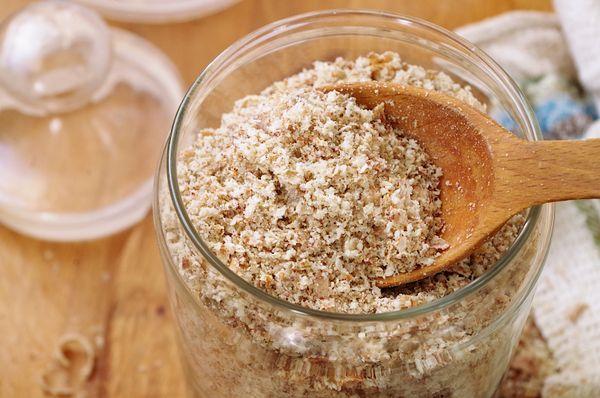
The pulp remaining after straining the solution should be placed in a compost pile. It will serve as a valuable nutrient when added to the soil in the future.
When using this type of fertilizer, it is recommended to water with an ash solution to prevent soil leaching. An unpleasant odor will develop as the mixture sits; this is normal. It is not recommended to add chicken manure and dung, as this will neutralize the effect of yeast fungi.
Gardeners' reviews
Reviews about using this starter are only positive.
- Victor, Krasnodar. "I prepare the fertilizer in a barrel: I add nettles, bread crusts, and old jam. Once it's fermented, I add water and strain it. I water the cucumber greenhouse with the mixture. The result: the cucumbers grow beautifully, and I have a bountiful harvest."
- Natalia, Klin. "I do it this way: I soak three loaves of wheat bread in a bucket with water. After three days, I water a liter of the infusion with a watering can, and top up the remainder with water. It helps with weakened seedlings."
- Anatoly, Dubna. "I've been using this starter for five years now. I put spoiled bread and herbs in a barrel of water. It helps my vegetables. And I don't use any chemicals in my garden."
- Vera, Stavropol. My grandmother used this recipe, and I've adopted it too. I use a large container. I fill it with four loaves of bread with water. A week later, I water the plants, diluting it with water. I get a bountiful harvest."
Bread fertilizer is popular among gardeners for many reasons. One of them is the promise of a rich and healthy harvest. After reading reviews of the starter, it's worth trying it on your cucumbers.
Related posts:
 The best eggplant varieties for growing in a polycarbonate greenhouse: planting and care
 Is it possible to soak treated cucumber seeds before planting and how to do it correctly?
 Descriptions of the 20 best cherry varieties for the Moscow region, their planting and care
 How to properly plant peas in a greenhouse and open ground
 The best grape varieties for growing in the Urals, planting and care rules in summer
 The health benefits and contraindications of black currants
 How to control carrot flies with medications and folk remedies
 Carrot care guidelines for outdoor cultivation to ensure a good harvest