
The early-ripening and high-yielding cucumber hybrid "Vesyolye Rebyata" has already stood the test of time. This variety appeared on seed store shelves about 10 years ago and has remained popular with amateur vegetable growers. It is suitable for growing in greenhouses and open ground throughout Russia.
General characteristics of the variety
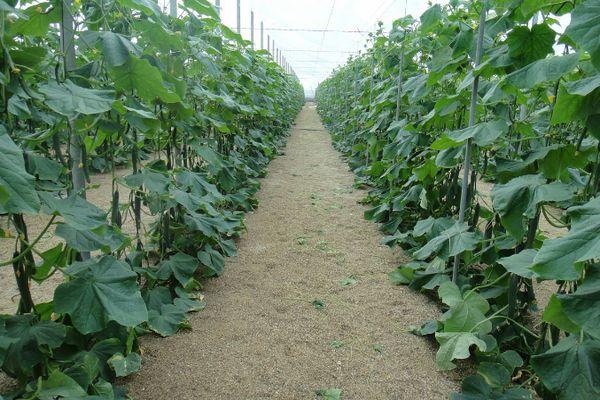
The bush has a medium-length vine and reaches a height of 2.5 meters when grown in a greenhouse. The "Vesyolye Rebyata" cucumber is prone to branching, so in the limited space of a greenhouse, it will need to be trained and tied to a trellis. This not only makes plant care and harvesting easier but also affects the crop's yield.
Cucumbers are grown in a spacious open bed without shaping or staking, but modern gardeners appreciate the convenience and decorative appearance of vertical cultivation. If desired, cucumber vines in open ground can be trained like greenhouse vines and tied to a trellis. This allows the plants to receive more light, and the plantings are better ventilated.
The Vesyolye Rebyata F1 cucumber variety is one of the earliest to ripen. Harvesting of technically ripe cucumbers begins just 40 days after sowing the seeds. An even earlier harvest can be achieved by growing cucumbers from seedlings. With a combination of seedlings and greenhouse cultivation, the first cucumbers can be harvested as early as mid-June. For winter storage, Vesyolye Rebyata can be planted in an open or insulated garden bed, where they will grow more slowly and begin bearing fruit en masse in July.
The variety description notes that Vesyolye Rebyata cucumbers are resistant to common garden plant diseases. They are resistant to downy mildew, early blight, powdery mildew, and cucumber mosaic. However, with excess moisture and extremely low soil temperatures (around 10°C), they can suffer from root rot and stop growing early. In regions with challenging climates (Siberia, the Urals, and the Far East), a guaranteed harvest can only be achieved on warm beds, where the soil warms up due to the decomposition of biofuels.
Cucumbers are relatively undemanding to a decrease in air temperature and continue to bear fruit until frost.
When properly cultivated, the Vesyolye Rebyata variety yields 13-15 kg per square meter. However, this variety is one of the most undemanding, so gardeners can reap a good return even without significant time and effort. Reviews from vegetable growers indicate that Vesyolye Rebyata tolerates slightly dry soil well and does not suffer significantly from late harvesting.

Features of the fruit variety
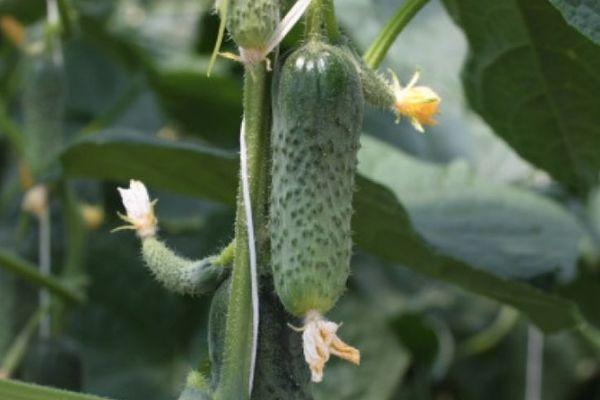
The Vesyolye Rebyata F1 variety does not require pollination by bees. It is a parthenocarpic hybrid, the main characteristic of which is the production of predominantly female flowers, each of which eventually develops into a cucumber. Fruiting is cluster-type, with 1-5 ovaries forming at each node. These ovaries grow gradually, as the cucumbers reach technical maturity and are picked.
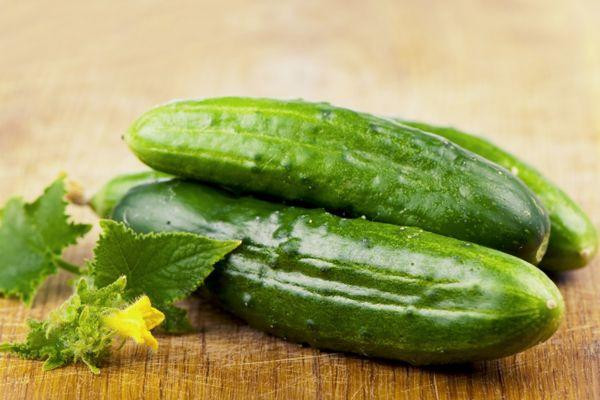
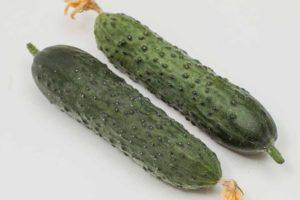
The harvested gherkin weighs 70-90 g each. It grows to 8-10 cm in length and about 2 cm in diameter. These attractive, small cucumbers grow several at a time on a single vine.

The skin is not very thick, and is practically imperceptible when eating fresh cucumbers. It doesn't retain moisture very well after harvesting, so they should be sold or processed within 2-3 days. Fresh cucumbers will keep a little longer in the refrigerator, sealed in a plastic bag.
The skin is a classic color: bright green, with a small light spot on the top of the fruit and thin stripes along the length of the cucumber. The bumps are moderately developed, with each bump bearing a hard, sharp spine. As the fruit grows, the bumps become less noticeable.
The vegetable's flesh is firm, crisp, and juicy. Approximately two-thirds of the fruit's diameter is taken up by seed chambers containing empty capsules. The variety description notes the excellent taste of the cucumbers. They contain a high amount of sugars, giving the flesh a slightly sweet flavor. The bitter substance cucurbitin is not produced, so Vesyolye Rebyata does not taste bitter even when underwatered.
Early cucumbers are primarily used fresh. They're included in summer salads, refreshing drinks, and cold soups. Their tender flesh lends itself to delicious appetizers with a subtle flavor. Cucumber slices complement hamburgers, wraps, sandwiches, or canapés. Cucumbers are very versatile; their flavor and aroma complement many cold dishes, but in hot dishes, they're more often found salted or pickled.
Fresh gherkins are best for winter preserves. The Vesyolye Rebyata variety doesn't develop hollows even during storage, but wilted gherkins lack a satisfying crunch when pickled or salted. Overripe cucumbers should be peeled of their rough skin and seed chambers and processed into pickles, salads, and appetizers. Cucumber slices can also be added to lecho.
How to grow a cucumber crop?
To save time and get an early harvest as early as June, use the seedling method. Knowing the approximate greenhouse planting dates in your region, you can sow seeds in peat or plastic pots 2-3 weeks before the due date. This will allow the plants to grow and mature, and they will soon begin to bear fruit.
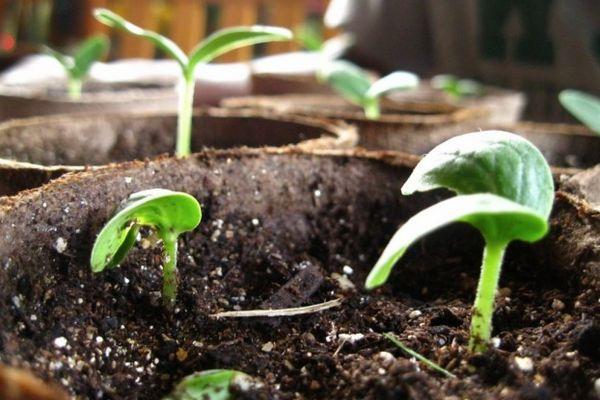
A late harvest is obtained by sowing seeds in the soil in a warm bed or greenhouse. Manure or compost, which decomposes and releases a large amount of heat, is used as biofuel. A fertile, loose soil consisting of humus and soil is spread either on top of the biofuel layer or into holes dug in it. When the substrate warms to 15°C, the seeds can be sown. The warm beds are protected from cold weather with covering material on arches.
For both methods, it's advisable to germinate the cucumber seeds beforehand. To do this, place the seeds in a damp cloth and keep them in a very warm place, at least 30°C.
Some vegetable growers bury the seed bundle directly into the layer of "burning" biofuel. At the optimal temperature, the seeds will germinate within 12-24 hours. Select the seeds that have developed roots, and the remaining seeds can be left in a warm place for another 1-2 days. They may germinate a little later, but the soil will need to be kept constantly moist.
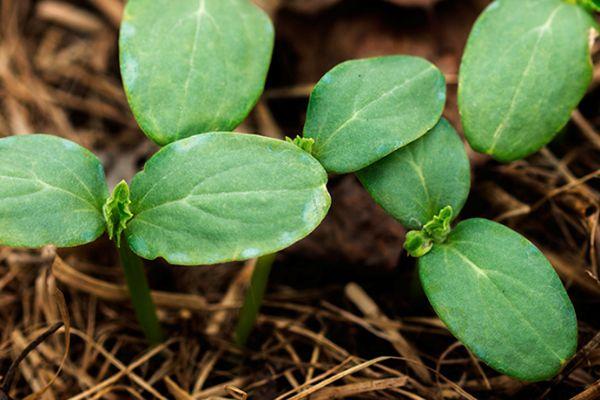
Sprouted seeds are placed in holes 2-2.5 cm deep in the soil and covered with soil. Keep the soil moist until the sprouts emerge. When planting in the ground, 4-5 seedling bushes or cucumber seeds are placed per 1 m².
Take a look Also

To train a vertical trellis, remove all shoots and flowers from the lower 3-4 tiers of the vine. Then, leave only the ovaries in the axils of the next 3-4 leaves and remove the shoots. Next, leave 3-4 nodes with ovaries on the main stem and allow the side shoots to grow until ovaries appear at the first node, then pinch off the shoots. Repeat the same process, leaving the side shoots at the second and third nodes. When the main vine reaches the top of the trellis, drape it over the slats and allow the side shoots from the last nodes to grow indefinitely.
Related posts:
 Characteristics of the cucumber Vesyolye Gnomiki F1, cultivation and harvesting
 The best eggplant varieties for growing in a polycarbonate greenhouse: planting and care
 Is it possible to soak treated cucumber seeds before planting and how to do it correctly?
 Description of the best varieties of bee-pollinated cucumbers, rules for their formation and care
 Carrot care guidelines for outdoor cultivation to ensure a good harvest
 20 simple step-by-step recipes for pickling cucumbers for the winter
 Conditions for growing mandarin at home and rules for caring for the tree
 Growing and caring for hazelnuts in open ground, rules for planting hazelnuts