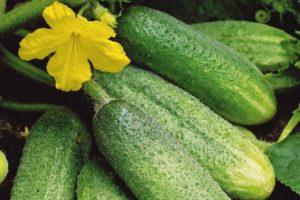
Gardeners are interested in how to grow Prestige cucumbers. No summer meal is complete without cucumbers, so many vegetable growers plant different varieties of these vegetables in their plots or gardens. They grow cucumbers for their own use and for sale.
From spring to late fall, consumers buy gherkins for canning, salads, and various appetizers. The hybrid variety Prestige f1 has become particularly popular among gardeners, characterized by its excellent taste, early ripening, and ease of cultivation.
Reviews from gardeners contain only positive characteristics of the qualities of the hybrid cucumber variety, which breeders created for industrial and individual cultivation.
What are Prestige cucumbers?
Below is a description of the Prestige cucumber variety. These cucumbers are used in salads, preserves, and pickles.
Other characteristics of this species include the following:
- The bushes grow strong and powerful.
- The plants are indeterminate and of medium height.
- The bushes have an average number of branches on which bouquet-type ovaries are formed.
- The first harvest can be collected 42-45 days after sowing the seeds in the soil for seedlings.
- There are more female flowers on the bushes.

Cucumber Prestige f1 has the following advantages:
- The variety can be grown in both greenhouse and open ground conditions.
- Long fruiting period.
- Excellent presentation and taste.
- Excellent transportability and shelf life.
- The universal nature of the use of gherkins.
- Complex resistance to diseases, microbes, bacteria, pests and parasites.
- The variety is quite resistant to weather changes.
With proper growing, watering, and care, a single plot of 1 m² yields 15 to 17 kg of fruit. With improved care, the yield increases to 25 kg per plot. This high yield of this hybrid variety quickly made Prestige one of the most popular vegetable varieties among gardeners. Cucumbers can be preserved, pickled, or eaten fresh, but before eating, it's best to wash them with a brush to remove any thorns.
The fruit characteristics will be discussed below. The Prestige variety produces excellent fruit with a beautiful marketable appearance. The following factors are also among its advantages:
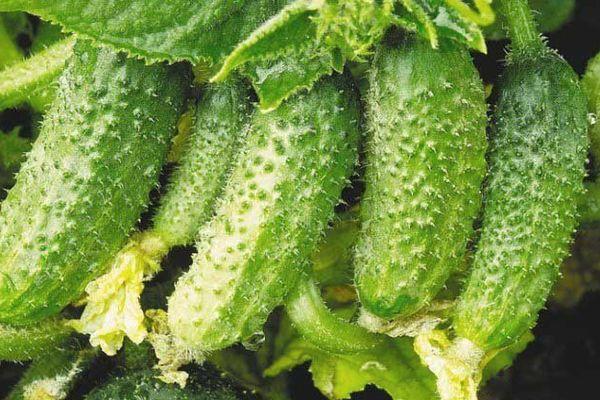
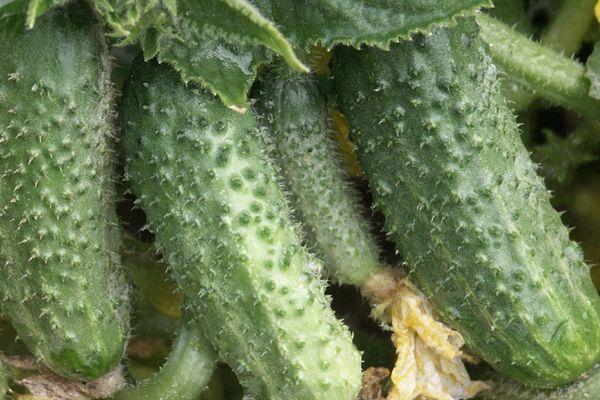
- The fruits grow to 10-12 cm, with the average size being 8 cm. They don't grow any larger, even if gardeners don't manage to harvest them in time. This characteristic allows gardeners to rest assured about the harvest and only have to return to their plots every 2-3 days to pick the fruit.
- Cucumbers belong to the gherkin type.
- Cucumbers have a cylindrical shape.
- The surface of the gherkins is bumpy, with lightened tips.
- The pulp in the middle is crispy and has no bitterness.
- The skin of gherkins is thin and aromatic.
- The average weight of one fruit is 70-95 g.
- There are seeds inside, but not many. The fruits have a bright cucumber aroma.
- Cucumbers are a rich dark green color
The first harvest is uniform, meaning that at the initial stage, the fruits ripen simultaneously on all ovaries. Subsequent fruiting depends on growing conditions, weather, and care. As a result, gardeners receive a ready-made harvest throughout the entire gardening season.
How to grow these cucumbers?
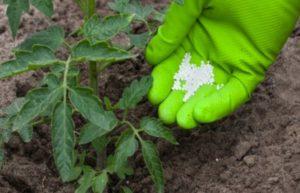
To ensure a good harvest every year, the plot should be dug over in the fall and limed, which will reduce the soil's acidity. In the spring, seedlings are planted in pre-prepared beds, which should be thoroughly dug over after the fall fertilization. The soil is leveled with a rake, and in mid-May, fertilizer should be added to the soil: wood ash, mineral fertilizers, and humus.
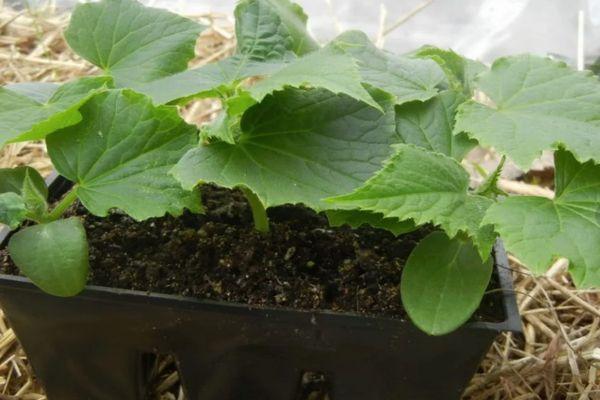
Before digging, mark out the area. It can be any length, but the width should not exceed 1 m. Cover the dug bed with plastic and leave it for 10 days to allow the soil to warm up thoroughly.
Planting in the ground is only done when frost has passed and the soil has warmed up, with daytime temperatures not falling below 17–18ºC. Seedlings are transplanted into soil that has been specially disinfected with potassium permanganate. This soil can be used for sowing seeds or transplanting seedlings. The distance between plants should not exceed 25 cm.
Related posts:
 30 Best Dutch Cucumber Varieties with Descriptions and Characteristics
 Description of the best varieties of Chinese cucumbers, planting, growing and care
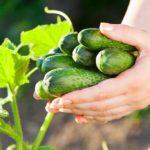 TOP 30 best varieties of cold-resistant cucumbers with descriptions and characteristics
 Instructions for use and composition of the fungicide Prestige, consumption rates
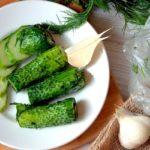 TOP 10 recipes for quickly preparing lightly salted crispy cucumbers using cold and hot methods in a saucepan
 How to prepare pickled cucumbers in adjika for the winter without sterilization and Caucasian style: recipes
 Description of unusual methods for planting and growing cucumbers
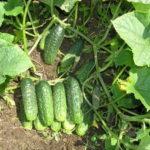 35 Best Powdery Mildew-Resistant Cucumber Varieties with Descriptions