
The Bidretta f1 cucumber was developed by specialists at Aelita-Agro. It is intended for outdoor cultivation. This easy-to-grow hybrid can be grown even by novice gardeners. These cucumbers can be transported over any distance. Ripe fruits are used fresh, sliced, and pickled.
Technical characteristics of the hybrid
The characteristics and description of the variety are as follows:
- The first fruits are harvested approximately 24-30 days after sowing the seedlings.
- The height of the hybrid bushes ranges from 0.8 to 1.3 m. The plant stems develop a medium number of green leaves.
- Cucumbers have a female flowering type, with the ovary forming in a cluster. The hybrid is pollinated by bees. To achieve maximum yield, cucumbers should be grown in well-aerated soils with a moderate carbon content.
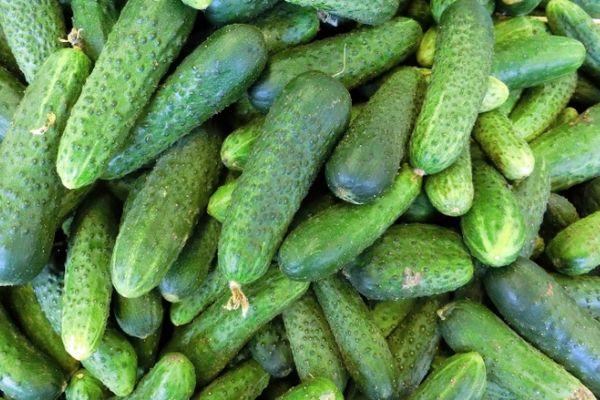
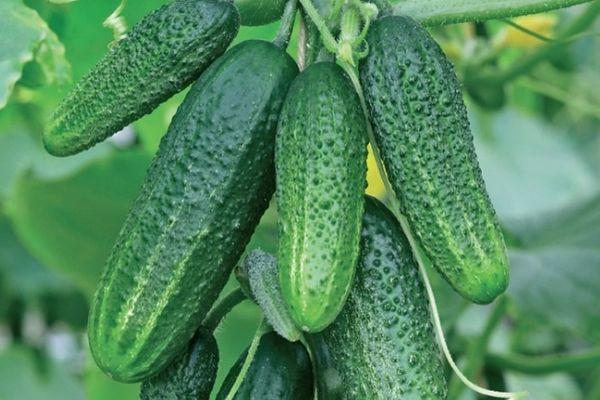
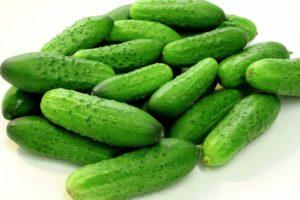
- Cucumbers range from 140 to 180 mm in length with a diameter of 3-3.5 cm. The fruit, shaped like a perfect cylinder, is green in color. Its surface lacks the white spines typical of other varieties.
- Cucumbers have a bumpy surface. Fruit weight ranges from 90-120 g.
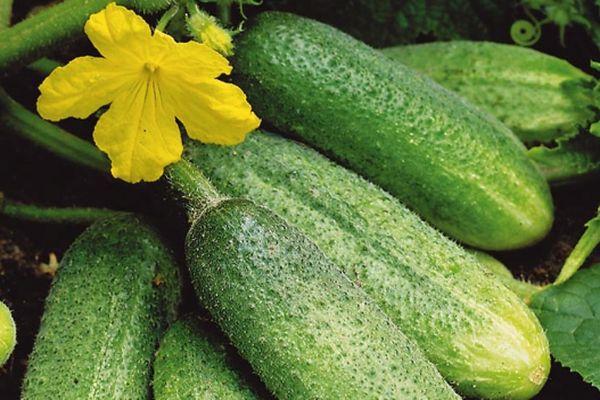
Reviews from farmers growing this hybrid indicate that 4-4.5 kg of fruit can be harvested per square meter. Gardeners also note that these cucumbers have good resistance to diseases such as powdery mildew and olive spot.
If seedlings are planted in open ground, but there are preconditions for the development of night frosts, it is recommended to protect young seedlings with film or warm material.
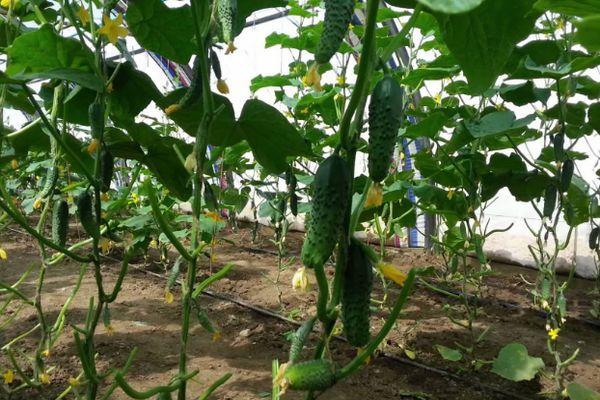
Although the plant is intended for open ground, it can also be grown in greenhouses. In Russia, the hybrid is grown outdoors in the southern regions. In the central part of the country, it is recommended to grow this variety in unheated greenhouses, while in Siberia and the Far North, heated greenhouse blocks and hotbeds are preferred.

How to germinate seeds or grow seedlings
There are two methods for growing seedlings. You can germinate the seeds and then plant them in your garden. However, this method results in a 20% smaller yield. Therefore, the hybrid's producer recommends using seedlings for cucumber propagation. The choice of either method is up to the gardener.
When germinating seeds, they are first treated with disinfectant solutions (potassium permanganate, hydrogen peroxide), then sprayed with growth stimulants. The seeds are laid out on a cotton cloth soaked in water and covered with four layers of gauze. As the cloth dries, soak it with water. After 4-5 days, the seeds will sprout roots. After this time, they can be planted in permanent soil.
To grow seedlings, you need to select the appropriate containers and soil. Each plant should grow in its own pot filled with a mixture of peat and humus. The soil can be prepared at home or purchased from a specialist store. If the soil is homemade, it should be disinfected with a solution of potassium permanganate.
Place 2-3 seeds in each pot and deepen them into the soil by 10-15 mm, moistening the soil before planting.
The room temperature is maintained at no less than 21°C. It will be necessary to provide additional lighting, for example, by placing containers with seeds under fluorescent lamps.
The first shoots will appear in approximately 6-7 days. Water the seedlings with warm water once every 4-5 days. Fertilize the young plants with organic fertilizer. It is recommended to harden off the seedlings 10 days before transplanting. Plant the seedlings in a bed—no more than 3 per 1 m².
Caring for a growing hybrid
Every 2-3 days, loosen the soil in the beds to improve root aeration. This helps accelerate the growth of the plants and eliminates some parasites that infest the hybrid's root system. For the same purpose, breeders recommend mulching the soil in the beds.
Weeding is carried out once every 4-5 days. This preventative measure protects crops from the development of fungal diseases transmitted from weeds to crops. Along with the destruction of weeds, some garden pests that live on weeds and then move on to cucumber plants are killed.
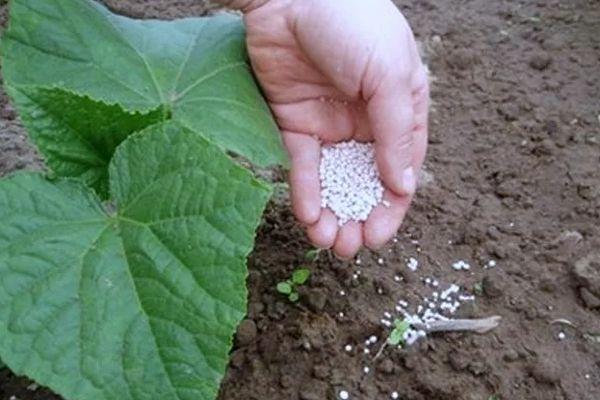
Plants are fertilized every 10 days. Complex mineral and liquid organic fertilizers are recommended.
Water with warm, sun-settled water every 2-3 days, early in the morning or late in the evening. Although the hybrid is resistant to some diseases, it should be treated with antifungal and antibacterial agents.
If insects appear on the site that can destroy bushes, it is recommended to combat them with chemical poisons.
Related posts:
 Description and characteristics of the 30 best hazelnut varieties, cultivation
 The best grape varieties for growing in the Urals, planting and care rules in summer
 What varieties of tomatoes are best to plant in a polycarbonate greenhouse?
 Description and characteristics of the best varieties of sweet corn, cultivation technology
 Methods for planting and propagating cherries at home
 TOP 40 best late-season cucumber varieties for open ground with descriptions
 Description of the best tomato varieties for greenhouses in the Kirov region
 TOP 30 best varieties of cold-resistant cucumbers with descriptions and characteristics