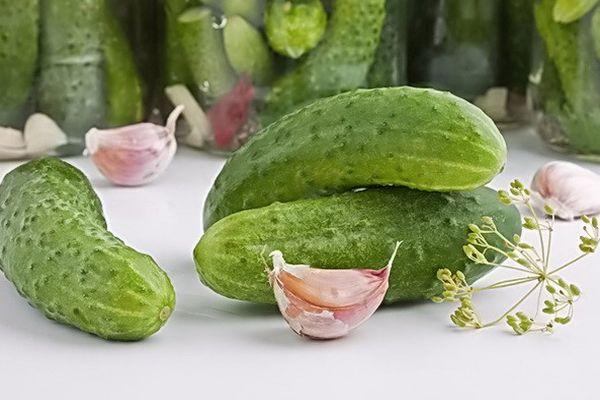
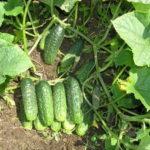
The Serpentine cucumber, described in specialized agricultural reference books, is an early-ripening hybrid. Experts consider Serpentine the best choice for cultivation in the soils of central Russia and Siberia. Cucumbers of this type are eaten fresh, added to salads, pickled, and salted for winter storage.
Technical data of the crop
The characteristics and description of the Serpentine variety are as follows:
- From the time of planting seeds in the ground until a full harvest is obtained, it takes from 40 to 45 days.
- The height of the hybrid bushes ranges from 1.4 to 2.0 m. The plant is quite vigorous, with a female type of flowering.
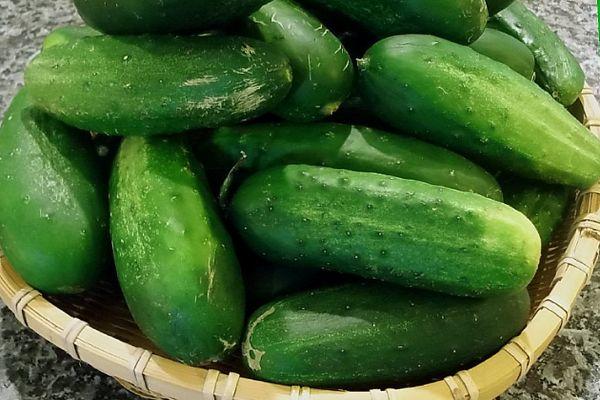
- Serpentine cucumbers are shaped like oblong cylinders. When grown outdoors, the fruit length ranges from 9-9.5 cm, but when grown in greenhouses, it increases to 120 mm. The cucumbers are thin-skinned.
- The fruit weight fluctuates between 70-75 g when planted in open ground and increases to 95 g when the hybrid is grown in a greenhouse.
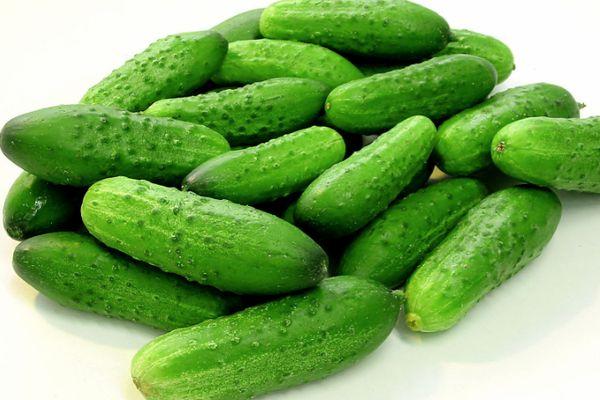
Reviews from growers of this variety indicate that the hybrid yields up to 5 kg of fruit per square meter of garden bed. The plant can be grown outdoors in southern Russia. In temperate climates, plastic greenhouses are recommended. In Siberia and the Far North, glazed greenhouses and hothouse blocks are recommended for growing Serpentine.
After harvesting, the fruits are stored in a cold room for up to 30 days. They can be transported over any distance.
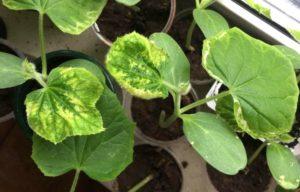
However, the hybrid also has its drawbacks. Farmers note that this variety is susceptible to various diseases common to cucumbers. To prevent these diseases, agents that kill fungi and bacteria are used. Fitosporin or similar chemicals are most commonly used. To eliminate the risk of disease, the hybrid can be sprayed with a copper sulfate solution.
Take a look Also
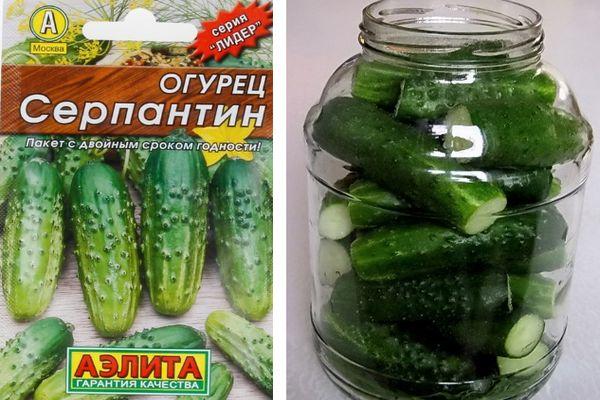
Before eating, the fruit should be washed thoroughly. This is best done with a brush. This procedure removes thorns from the fruit's surface. The plant is almost completely intolerant of sudden cold snaps, so the time for sowing seeds in the ground is between May 10 and June 10. To obtain seedlings, seeds are sown in boxes with soil before April 10. In northern regions, this time frame is extended by 8-10 days.
Hybrid breeding methods
If a gardener wants to harvest by sowing seeds directly into the soil, it's recommended to first treat them with a disinfectant solution (potassium permanganate). The seeds should soak in the solution for up to 7 hours. The plot is prepared in the fall. It's dug over and mixed with compost. It's recommended to choose areas where tomatoes, lettuce, peppers, or cabbage were previously grown.

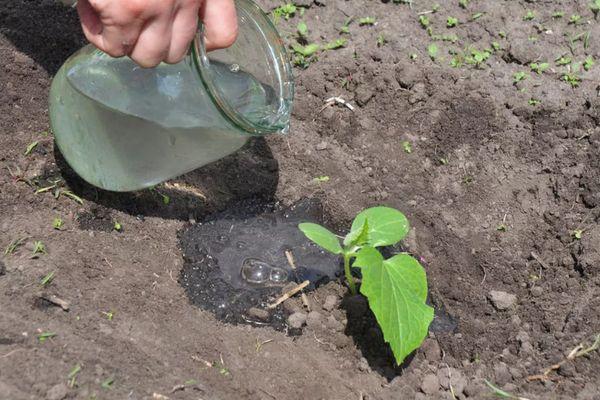
When planting seeds directly, the soil should be warmed to 17-18°C. It's advisable to increase the height of the bed by 200 mm. Experts recommend digging it and then covering it with plastic wrap for 14 days to allow the soil to warm up thoroughly. Furrows up to 30 mm deep are made in the beds. The seeds are placed in these furrows along with manure, then covered with soil. The area is watered generously with warm water.
If the gardener decides to propagate the hybrid using seedlings, the disinfected seeds are placed in separate boxes. The seeding depth ranges from 15 to 20 mm. The first shoots appear in approximately 6-7 days. They are fed with manure and watered with warm water once every 4 days. Once each plant has 3-4 leaves, they can be transplanted to their permanent location. The planting format for the bushes is 0.5 x 0.5 or 0.7 x 0.3 m. If cold weather is expected, it is recommended to cover the young seedlings with plastic or a warm cloth.
Caring for the plant before harvesting
Loosen the soil no more than once a week. This variety has a powerful root system, with roots located at a shallow depth. This ensures the plant receives sufficient oxygen and micronutrients. Some farmers have tried mulching the soil, but this reduced the hybrid's yield by 10%. Therefore, experts advise against loosening the soil under the bushes.
Weeding should be done every 8-10 days. This helps eliminate not only the weeds but also some garden pests that thrive on weeds and then migrate to the vegetables. Weeding helps eliminate some fungal diseases that are transmitted by weeds to other plants.
It is recommended to water Serpentine once every 5-7 days. A moderate amount of warm water is required (approximately 3.5-4 liters per square meter). For irrigation, use water that has been left to stand in a barrel in the sun. Once the hybrid begins to bloom, adjust the watering schedule. The bushes are watered once every 3 days. The amount of water used increases to 10 liters per square meter of bed.
Serpentine needs to be fertilized 4-5 times throughout the growing season. Alternate organic and mineral fertilizers. Add a compost solution to the soil once a week. One bucket of fertilizer per square meter of area is sufficient.
It is recommended to water the bushes with a solution of ash and water once every 6-7 days (1 cup of ash per bucket of liquid). This amount is enough for a 2 square meter bed. If, after fruiting, the farmer notices that the leaves on the bushes have become rough, it is recommended to spray them with a urea solution in water. This is obtained by diluting 1 tablespoon of urea in 10 liters of water.
When garden pests appear on plant leaves, they are destroyed with specialized products or folk remedies. Aphids are killed by tobacco infusions, onion, or garlic decoctions. A solution of wood ash and soap with water can be used to kill this pest. Spider mites are killed by chemicals or a soap solution. To kill root-knot nematodes, remove the top layer of soil under the affected bushes and then replace it with disinfected soil. Experts recommend steaming the beds or freezing the soil under the diseased plants.
Related posts:
 Description of the Krasotka grape variety, planting and care technology
 Description of the Julian grape variety, planting and care instructions
 Methods for planting and propagating cherries at home
 The best methods for growing grapes from seeds at home
 Description and rules for growing Solaris grapes
 The best grape varieties for growing in the Urals, planting and care rules in summer
 35 Best Powdery Mildew-Resistant Cucumber Varieties with Descriptions
 Description of the Elematis Pink Fantasy variety and pruning group, planting and care