
- Characteristics of clematis Pink Fantasy
- Features of growth and flowering
- Advantages and disadvantages of using in landscape design
- Planting and caring for a hybrid
- Preparing the site and seedlings
- Planting dates and patterns
- Watering mode
- What fertilizers should be applied?
- Mulching and loosening the soil
- Pruning and shaping group
- Specifics of preparing for winter
- Diseases and pests
- Methods of reproduction
- By dividing the bush
- Layers
- Cuttings
- Reviews of Clematis Pink Fantasy
Gardeners often use perennials to decorate their gardens. By planting these plants once, you can eliminate the hassle of decorating flowerbeds and the surrounding area for several years. Among perennials, clematis, a member of the buttercup family, is considered one of the most popular. Thanks to the efforts of breeders, new varieties and hybrids are released annually; currently, the clematis known as Pink Fantasy has become a favorite among gardeners.
Characteristics of clematis Pink Fantasy
Although the Pink Fantasy clematis was bred quite a while ago, it hasn't lost its popularity among gardeners. This new hybrid was developed in 1975 by Canadian breeders working to develop frost-hardy varieties with high immunity to diseases and pests. The new hybrid was developed by Jim Fisk. Clematis was initially grown in the United States and Canada, but later spread to Europe.
Features of growth and flowering
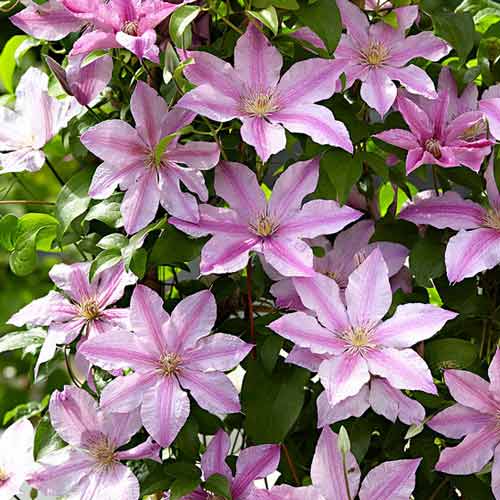
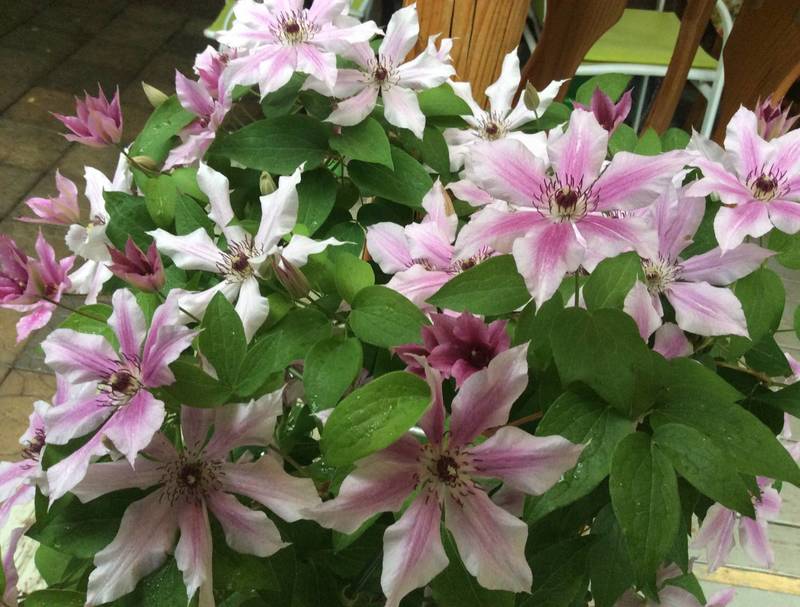
The Pink Fantasy hybrid shrub vine has a compact size, with shoots ranging from 2 to 2.5 meters long. This characteristic makes it suitable for growing not only outdoors but also in hanging pots to decorate balconies and verandas. During flowering, the branches are covered with large buds, 15 cm in diameter, and pinkish petals. Each petal has a dark pink stripe down the center, and closer to the center, the petals take on a purple hue.
The flowering time of the hybrid begins in mid-July and continues until mid-September, however, depending on the region, the timing may differ slightly.
The Pink Fantasy hybrid's leaves are trifoliate and light green. They are borne on long petioles. Small hooks allow the clematis to cling to support itself as it grows.
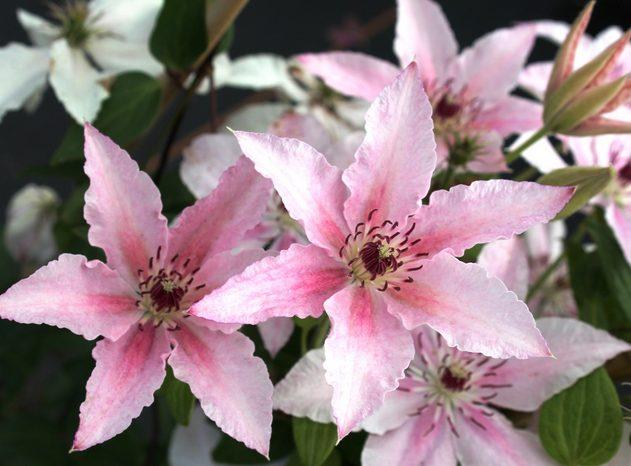
The hybrid has high frost resistance - with high-quality shelter, it can withstand short-term temperature drops to -34 Clematis belongs to pruning group 3, meaning it blooms on the current year's growth. Therefore, all old branches are pruned in winter, leaving no more than 30 cm above the soil surface.
Advantages and disadvantages of using in landscape design
Every ornamental plant has its pros and cons, so it's important to familiarize yourself with them before purchasing seedlings. Based on this, the gardener can determine whether a particular hybrid is suitable for them.

The benefits of clematis include:
- Compact size.
- Beautiful large flowers.
- Undemanding in terms of care and growing location.
- High frost resistance.
- Immunity to diseases and pests.
- The hybrid can be used both for open ground and as a potted plant.
There aren't many downsides, but they're still worth paying attention to:
- Presence of neutral soil reaction.
- Intolerance to drafts and strong winds.
- The need to install a support.
- Inability to reproduce by seeds.
Planting and caring for a hybrid
The health and profuse flowering of the hybrid depends on compliance with agricultural practices and site selection.
Preparing the site and seedlings
The Pink Fantasy hybrid has specific requirements for soil structure and location, and these should be taken into account when choosing a planting site. First and foremost, the soil should be fertile, well-drained, and neutral. Avoid planting clematis seedlings too close to building walls or under roofs, as runoff rain will damage the plant's delicate petals, causing them to lose their decorative appearance. Stagnant moisture in the root zone will also promote fungal diseases. Therefore, keep a minimum distance of 70 cm from buildings.
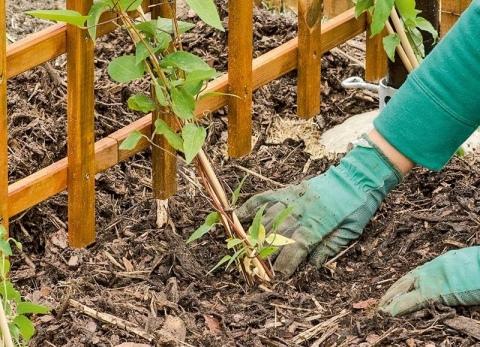
It's preferable to purchase hybrid seedlings with a closed root system; these clematis adapt more quickly to a new location and are less susceptible to disease. It's recommended to purchase from certified retailers to avoid being scammed, as Pink Fantasy seedlings are not cheap.
Before planting, the clematis, along with its container, is placed in a bucket of water, to which a few drops of growth stimulator and Fitosporin are added to prevent fungal diseases.
Planting dates and patterns
According to gardeners, the best time to plant the hybrid is May, when the soil has warmed up to a sufficient depth. However, in southern regions, this process can be postponed until autumn. However, it's important to allow at least a month before the first frost, otherwise the young seedlings won't have time to take root and won't survive the cold.
The step-by-step algorithm for planting a hybrid is as follows:
- Make a hole with dimensions of 60 x 60 x 60 cm.
- A drainage layer is arranged at the bottom - perlite, fine crushed stone or crushed brick are used.
- On this layer, 3-year-old humus and non-acidic peat are placed.
- A portion of fertile soil is poured on top, the clematis is placed on a small mound and its roots are carefully straightened.
- After this, add the remaining soil and water the seedlings a little.
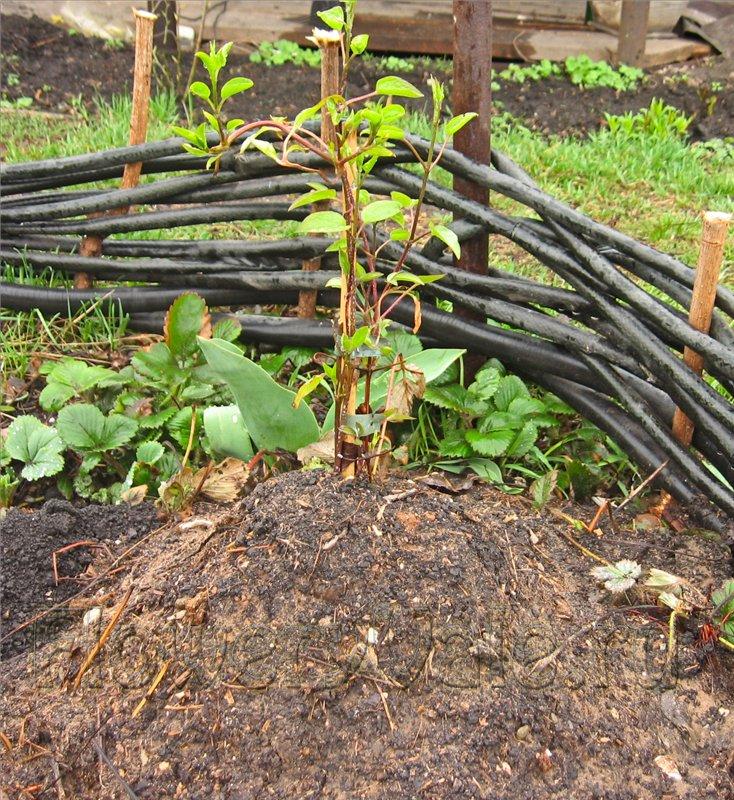
To prevent the clematis's root system from overheating, low-growing annuals like calendula or marigolds are planted around it. These perform two functions: they provide essential shade and repel harmful insects.
Watering mode
The Pink Fantasy hybrid, like all clematis, appreciates irrigation but does not tolerate stagnant water around the roots. Throughout the growing season, water the clematis once a week, using approximately 20 liters of warm, settled water per bush. During periods of infrequent rainfall, increase the frequency of watering to twice every seven days. This procedure is preferably performed in the evening, after sunset, or early in the morning.
What fertilizers should be applied?
Nutrient additions are avoided only during the first season after planting the hybrid. Fertilizer added to the planting hole is sufficient. From the second year on, clematis plants are given nutrient supplements according to the following instructions:
- In the spring, when young branches are developing, use a urea solution at a concentration of 1 teaspoon per 10 liters of water. Fertilize using foliar application.
- In May, use Kemira Universal or any other complete mineral fertilizer.
- During the period of bud formation, compounds containing potassium and phosphorus are added.
- After flowering, use mineral fertilizers.
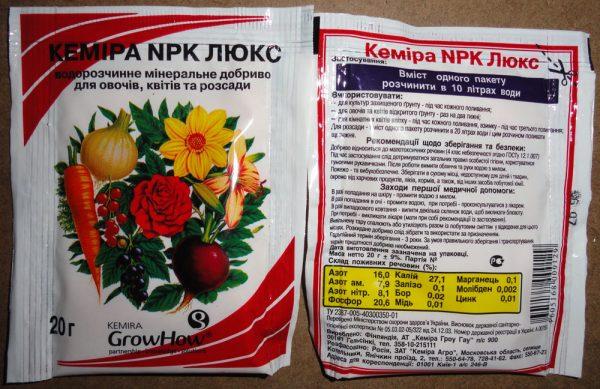
When using fertilizers, follow a few simple rules: use solutions of medium concentration, alternate mineral and organic fertilizers, and scatter dry compositions in small portions.
Mulching and loosening the soil
To prevent weeds from developing and protect the clematis root system from overheating, apply a layer of mulch no more than 10 cm thick. Peat, sawdust, or shredded tree bark are used for this purpose. If mulch is not available, loosen the soil around the clematis after each watering or rain. This improves the soil's aeration and oxygenates the plant's root system. At the same time, it removes weed roots, which often cause fungal infections.
Gardener's tip! To avoid damaging the hybrid's roots, use a three-pronged hoe.
Pruning and shaping group
The Pink Fantasy hybrid belongs to Group 3 and therefore requires radical pruning for the winter. Leave no more than 30 cm above ground before covering. During the growing season, remove broken, dry, and diseased branches. Pruning is performed as needed.
To form a vine, immediately upon planting, install supports and, as the plant grows, guide the shoots along them, focusing on your taste.
Specifics of preparing for winter
Treat pruned hybrid bushes with wood ash to prevent fungal outbreaks. Then cover them with spruce branches or simply sprinkle soil on top. If winter temperatures in the growing region are very low, place a wooden box on top and cover it with spunbond.

Diseases and pests
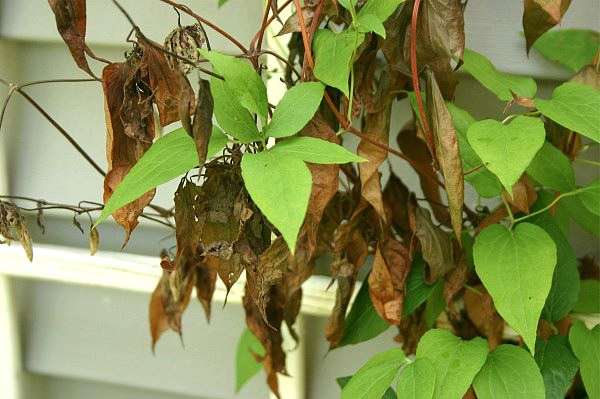
With proper care, the hybrid is rarely susceptible to disease. The most dangerous disease for clematis is wilt, which causes young shoots to wither. At the first signs of symptoms, apply a copper-containing preparation called Hom. As a preventative measure, water the soil in the spring with a solution of Fundazol or lime milk. Among insects, the hybrid is sometimes attacked by spider mites, which can be controlled with any insecticide.
Methods of reproduction
Three main methods are used to propagate the hybrid: dividing the bush, layering, and cuttings.
By dividing the bush
For this propagation method, select a clematis specimen over five years old. Carefully dig it out of the ground and divide it into several pieces with a sharp shovel, sprinkling the cut areas with wood ash for disinfection. After this, plant the pieces in prepared locations. This method also allows you to rejuvenate clematis bushes.
Layers
One of the lower, healthy clematis shoots is placed in a pre-prepared trench and pinned with metal staples for secure hold. The top is covered with soil, leaving only the tip exposed. This procedure is performed in the spring, and in the fall, the rooted shoot is separated from the mother plant and planted in its permanent location.
Cuttings
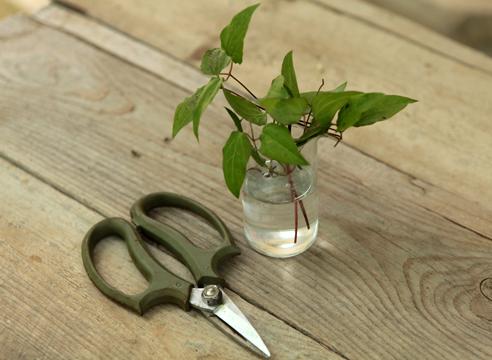
Rooting material is cut in late spring from the center of healthy clematis shoots, leaving 2-3 internodes on each. After this, the shoots are placed in a mixture of peat and sand and a mini-greenhouse is created, regularly ventilating and moistening the clematis. After rooting, the shoots are moved to a permanent, pre-prepared location.
Reviews of Clematis Pink Fantasy
Lidiya Pavlovna Zvyagintseva, 43, Khimki: "Clematis Pink Fantasy is our favorite. We planted it in hanging pots and decorated the balcony. We trim it for the winter and move it to a cold cellar. We've never encountered any diseases in all this time."
Anna Grigoryevna Simchuk, 58, Saratov: "I bought some clematis seedlings to spruce up an unsightly fence at my dacha. Over the past few years, the clematis has grown so large that it's become a hedge. We periodically treat it with fungicides, so it's disease-free."
Related posts:
 Description and pruning group of clematis President, cultivation and care
 Description of the burning clematis, planting and care in open ground, propagation
 Description and pruning group of clematis Rouge Cardinal, cultivation and propagation
 Description and characteristics of the clematis variety Kaiser, planting and care, pruning group
 Description of clematis varieties, planting and care, propagation methods
 Description and characteristics of Manchurian clematis, cultivation techniques
 Description and characteristics of the clematis variety Comtesse de Bouchaud, planting and care instructions
 Description and pruning group of Clematis Mountain, planting technology and care