
- Selection and characteristics of the Blue Angel variety
- Examples in landscape design
- Growing conditions for clematis
- Specifics of planting and care
- Preparing the site and seedlings
- Disembarkation times and rules
- Watering
- Fertilizing bushes
- Mulching and loosening the soil
- Pruning group
- Protection from diseases and insects
- How to prepare a plant for winter
- Methods of reproduction
- Gardeners' reviews of the flower
Clematis, also known as clematis, have firmly established themselves in the gardens of Russian gardeners. This is due to their low maintenance and stunning decorative qualities. This shrubby vine is used to decorate building walls, arbors, and arches, and is incorporated into flower arrangements. One of the most beautiful clematis, with a poetic name, is Blue Angel. With a long blooming season, it graces the garden from July until autumn.
Selection and characteristics of the Blue Angel variety
The Blue Angel variety is Polish in origin. It was created in 1987 by Polish breeder Stefan Franczak. Just five years later, the variety received its first award—a gold medal at the Plantarium International Exhibition. A year later, it received the prestigious Award of Garden Merit from the Royal Horticultural Society.
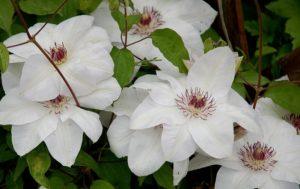
Blue Angel is a vigorous climber, reaching a height of 4 meters with proper care. Its trifoliate leaf blades allow it to cling to existing support using petioles. The vine begins blooming in large numbers in mid-July, and the flowering process continues until September. Blue Angel produces fairly large buds, reaching 10 to 15 cm in diameter.
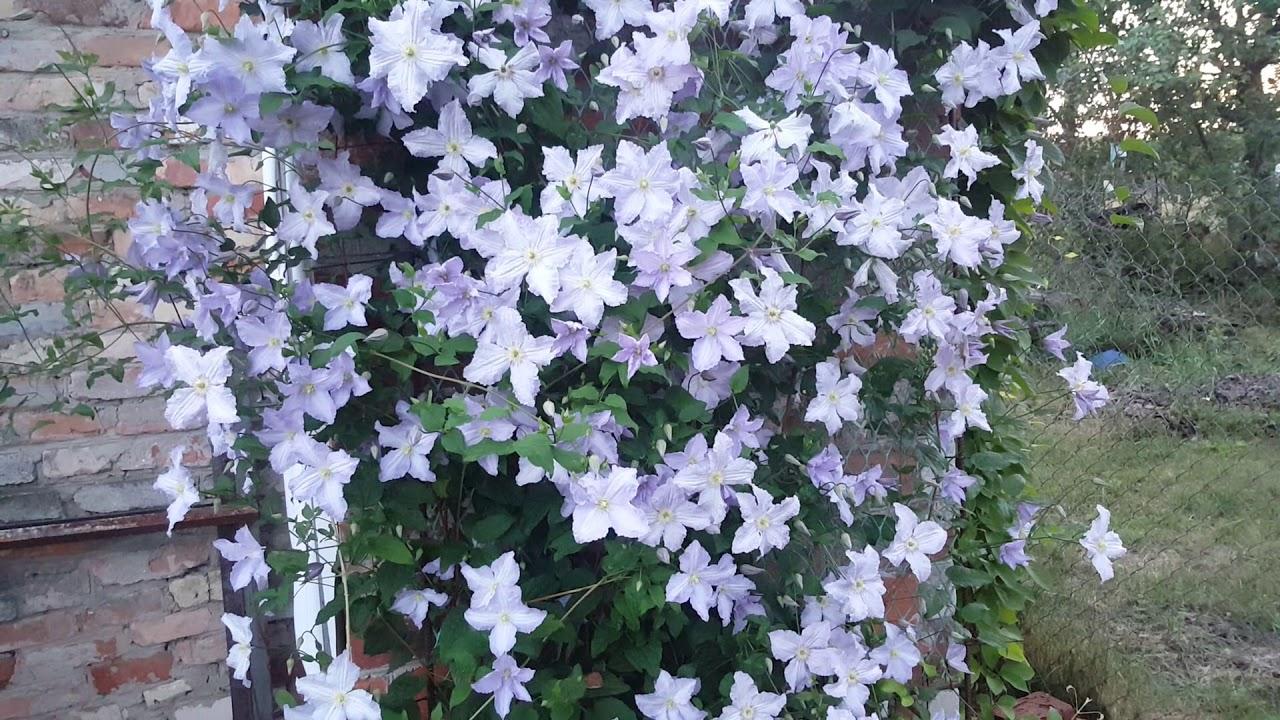
The shade of clematis petals varies from bluish-lilac to light lilac, the stamens are creamy white.
Clematis Blue Angel is recommended for growing in climate zones 4-9.
Examples in landscape design
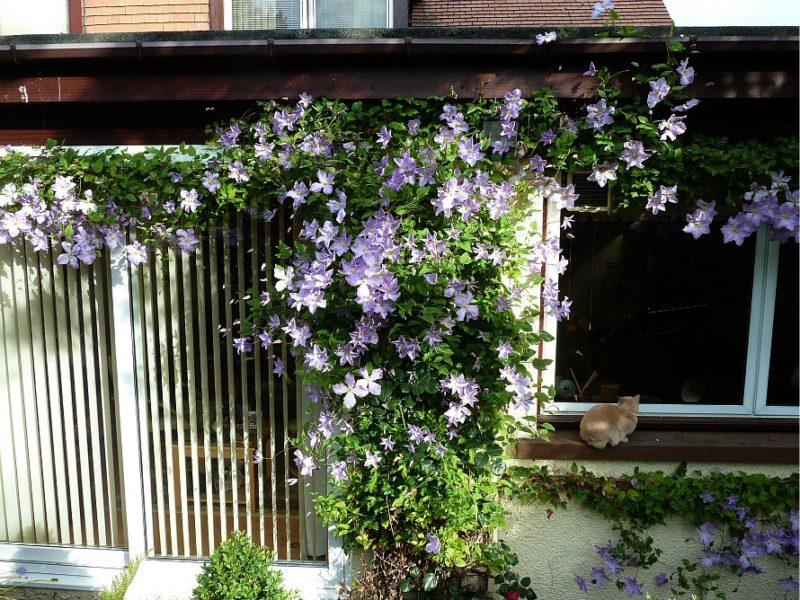
Blue Angel is used by landscape designers in a variety of compositions. Here are some examples:
- As a lush bush, climbing along a support.
- For decorating recreation areas, gazebos, arches.
- In a composition with roses.
- In hanging planters and pots that can be moved at the gardener's discretion.
Growing conditions for clematis
A site with good morning sun exposure is ideal for growing the Blue Angel clematis. The vine should be planted in a location away from groundwater, as this will damage the plant's roots and lead to fungal infections. The area should also be protected from strong winds and drafts.
Specifics of planting and care
Proper agricultural practices are the key to a healthy and lush plant. Proper soil and seedling preparation are essential, as well as watering, fertilizing, and pruning after planting.
Preparing the site and seedlings
Fertile, well-drained, slightly alkaline, and loamy soil is considered ideal for clematis growth. The area is dug over and all weed roots are removed. If necessary, add humus and mineral fertilizers. Avoid adding fresh manure or acidic peat to the soil.
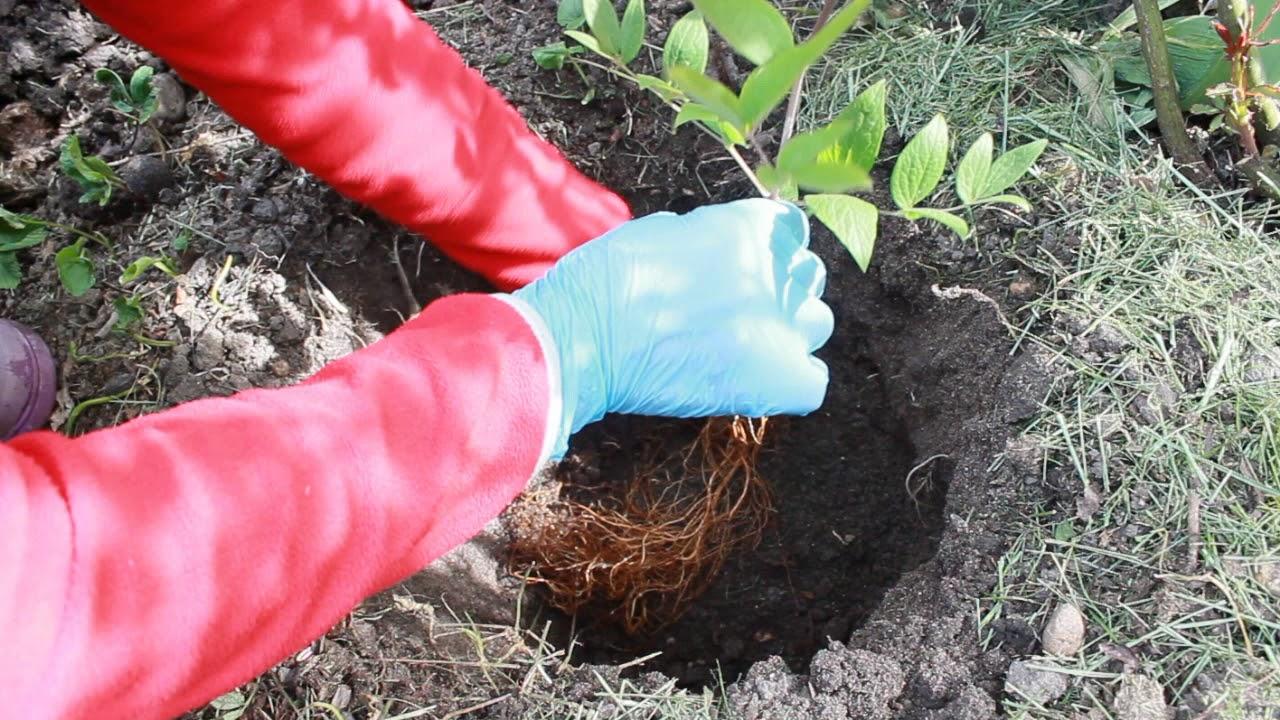
It's recommended to purchase seedlings with their root system closed, i.e., in containers. This is done at specialized retailers where sellers have all the necessary certifications. If the seedling's roots are exposed and have dried out, soak them in a bucket of water, optionally adding a growth stimulant, for an hour before planting.
Disembarkation times and rules
In regions with cold climates, spring planting is recommended, usually in late April or early May. This will give the young seedlings time to gain strength and adapt to their new location.
Planting is carried out in the following manner:
- Dig a hole with sides of 60 x 60 x 60.
- Drainage is arranged at the bottom of the pit using fine crushed stone or broken brick.
- Mix the excavated soil with fertilizers and pour half of it onto the drainage layer.
- Carefully place the clematis seedling in the center and straighten its roots.
- Fill with the remaining soil and, if necessary, immediately dig in a support.
- Lightly compact the soil with your hands and water the Blue Angel clematis.
It is recommended to place low-growing annuals in the root zone; they will protect the clematis roots from overheating in the summer heat.
Watering
Young seedlings are watered once every seven days. Gardeners determine how much water to apply at a time based on the soil condition; it should be moist to a depth of 70 cm. A mature plant will require two waterings a week, using about 20 liters of water.
Experienced gardeners recommend determining whether clematis needs watering: if the soil at a depth of 20 cm is still damp, postpone the procedure.
Fertilizing bushes
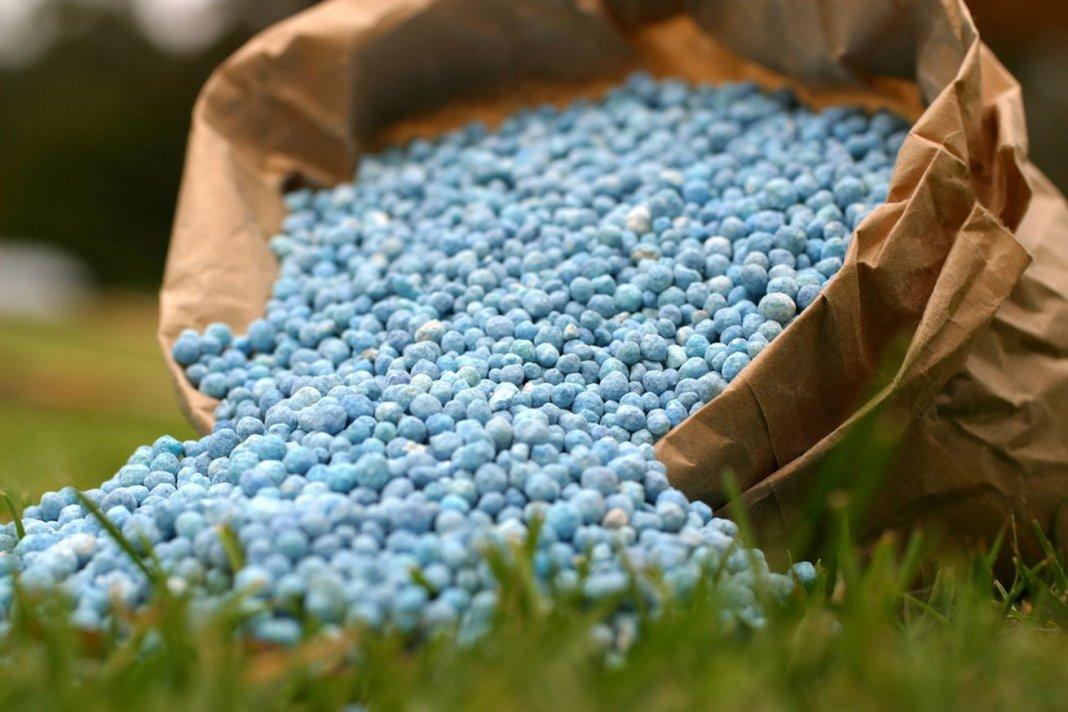
During the first two seasons, Blue Angel clematis requires no fertilization. This process begins only in the third year after planting. In the spring, apply nitrogen fertilizer. When buds begin to form, add potassium. With the arrival of autumn, apply another fertilizer, using phosphorus. After heavy and prolonged rains, it is recommended to sprinkle the soil around the clematis with wood ash to prevent the development of fungal diseases.
Mulching and loosening the soil
The soil in which the Blue Angel clematis grows must be well-oxygenated. To achieve this, it's essential to loosen the soil after each watering. This prevents a dry crust from forming and also helps remove weeds that rob the clematis of nutrients. When doing this, don't dig deeper than 2 cm to avoid damaging the roots.
This work can be replaced with mulching; a covering layer will prevent water evaporation and weeds from growing to the surface. Peat or shredded bark are used for the mulch layer.
Pruning group
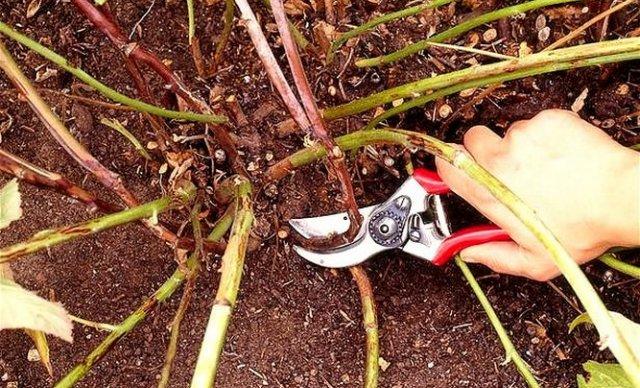
Clematis Blue Angel belongs to Group 3, meaning all shoots are cut back in the fall, leaving no more than 30 cm above ground. Several procedures are followed when growing the plant:
- Immediately after planting, cut so that only 3 buds remain above the ground.
- Periodically remove all broken, damaged, dry and diseased shoots.
- The basic procedure is carried out taking into account the Blue Angel pruning group.
Protection from diseases and insects
Blue Angel has a strong immune system that allows it to resist pathogens. However, if proper agricultural practices are not followed and preventative measures are not taken, gardeners may encounter Alternaria leaf spot, powdery mildew, wilt, and Ascochyta leaf spot. Spider mites are also a common insect pest. In the early stages, folk remedies such as garlic infusion can be used. In more advanced cases, insecticides can be helpful.
How to prepare a plant for winter
After the fall pruning, prepare the plant for the winter cold. It is surrounded by spruce branches or polystyrene foam, and covered with fallen leaves. If winters in the region are harsh, the plant is further covered with any non-woven material or plastic film.
Methods of reproduction
There are several simple methods for propagating Blue Angel in the garden. The most reliable method, recommended by gardeners, is dividing the plant. For this, select a 5-year-old specimen. You don't need to dig up the entire plant; just dig a little and separate a portion with a sharp shovel.
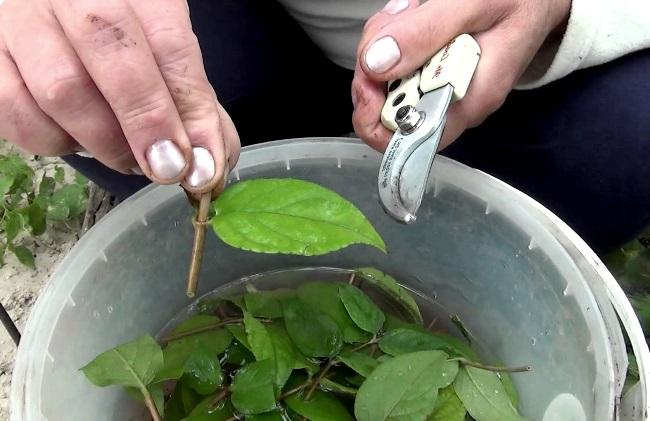
In addition to this method, cuttings and layering are used. The first method is best used in early summer. The bush should be at least three years old. Cuttings are taken from the middle of the shoot, soaked in a rooting solution, and planted in a mixture of peat and sand, initially kept in partial shade. Once the plant is fully established, transplant it to its permanent location.
The second method is best used in the fall. Small trenches are dug and the lower shoots are placed in them, secured with staples and covered with soil. In the spring, they are planted in a separate area.
Gardeners' reviews of the flower
Anna Grigoryevna Lepesheva, 52: "I've long dreamed of planting clematis in my garden. On the advice of a salesperson at a gardening store, I bought a Blue Angel. It didn't disappoint. It's easy to care for, and the vine has grown enormous—the only thing I need to do is carry out preventative treatments to prevent pests from spoiling its appearance."
Darya Mikhailovna Kopylova, 38: "This isn't the first clematis variety I've planted in my garden. I really like it—it's practically disease-resistant, grows quickly, and survives winter without any problems."
Related posts:
 Description and pruning group of clematis President, cultivation and care
 Description of the burning clematis, planting and care in open ground, propagation
 Description and pruning group of clematis Rouge Cardinal, cultivation and propagation
 Description and characteristics of the clematis variety Kaiser, planting and care, pruning group
 Description of clematis varieties, planting and care, propagation methods
 Description and characteristics of Manchurian clematis, cultivation techniques
 Description and characteristics of the clematis variety Comtesse de Bouchaud, planting and care instructions
 Description and pruning group of Clematis Mountain, planting technology and care