
- Clematis vitifolia: description and characteristics
- Selection and cultivation regions
- Application in garden design
- Popular varieties
- Landing
- Site selection and preparation
- Optimal planting times and patterns
- Further care of the flower
- Watering mode
- What and when to feed the vines
- Pruning group
- Loosening and weeding the soil
- Preparing for the cold weather
- Protection from diseases and pests
- Features of reproduction
- Seeds
- Cuttings
- Layering
- Dividing the bush
Clematis vinifera can surprise and enchant with its lush foliage, graceful inflorescences, beautiful shape, delicate color, and pleasant fragrance. Its high viability, low maintenance, and longevity make it a popular choice among gardeners. Knowing all the nuances and subtleties of planting and caring for this plant, you can easily beautify even the most unassuming garden space.
Clematis vitifolia: description and characteristics
Clematis vitifolia is a perennial plant of the genus Clematis in the Ranunculaceae family. It grows as a subshrubby vine up to 30 m tall. It develops a shallow, sparsely branched root system. The stem is ribbed and climbing, clinging to support via leaf petioles. The bark is brownish-gray, furrowed, and fissured. Young shoots are green-brown and hexagonal.
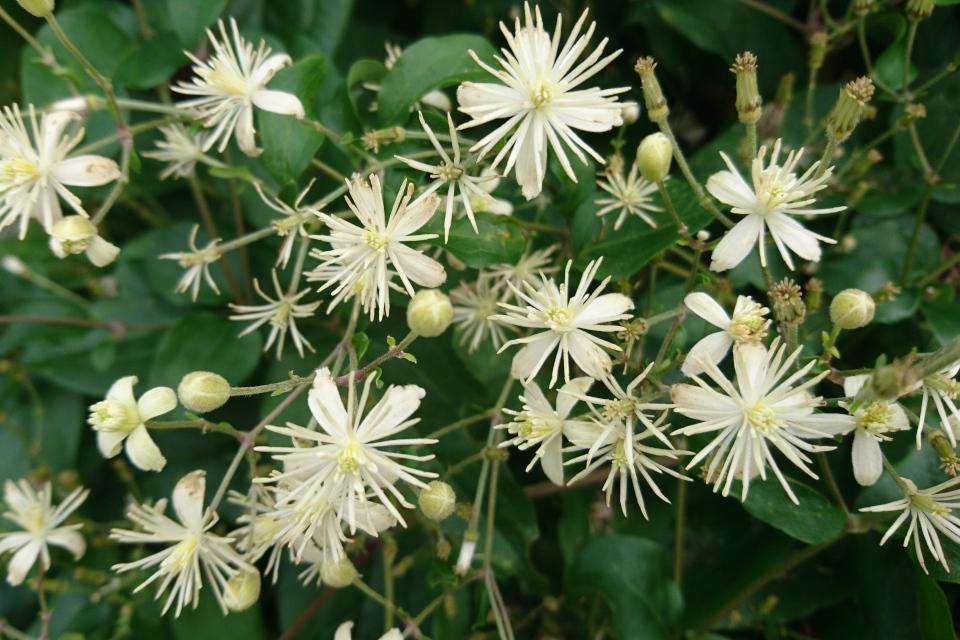
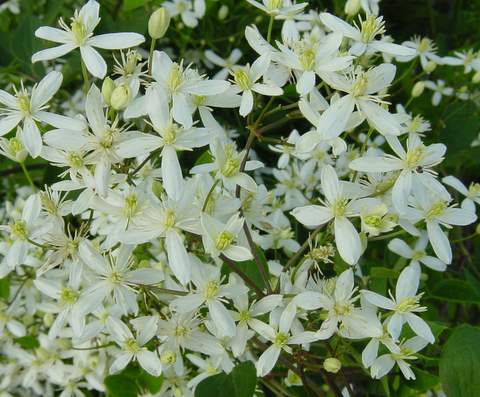
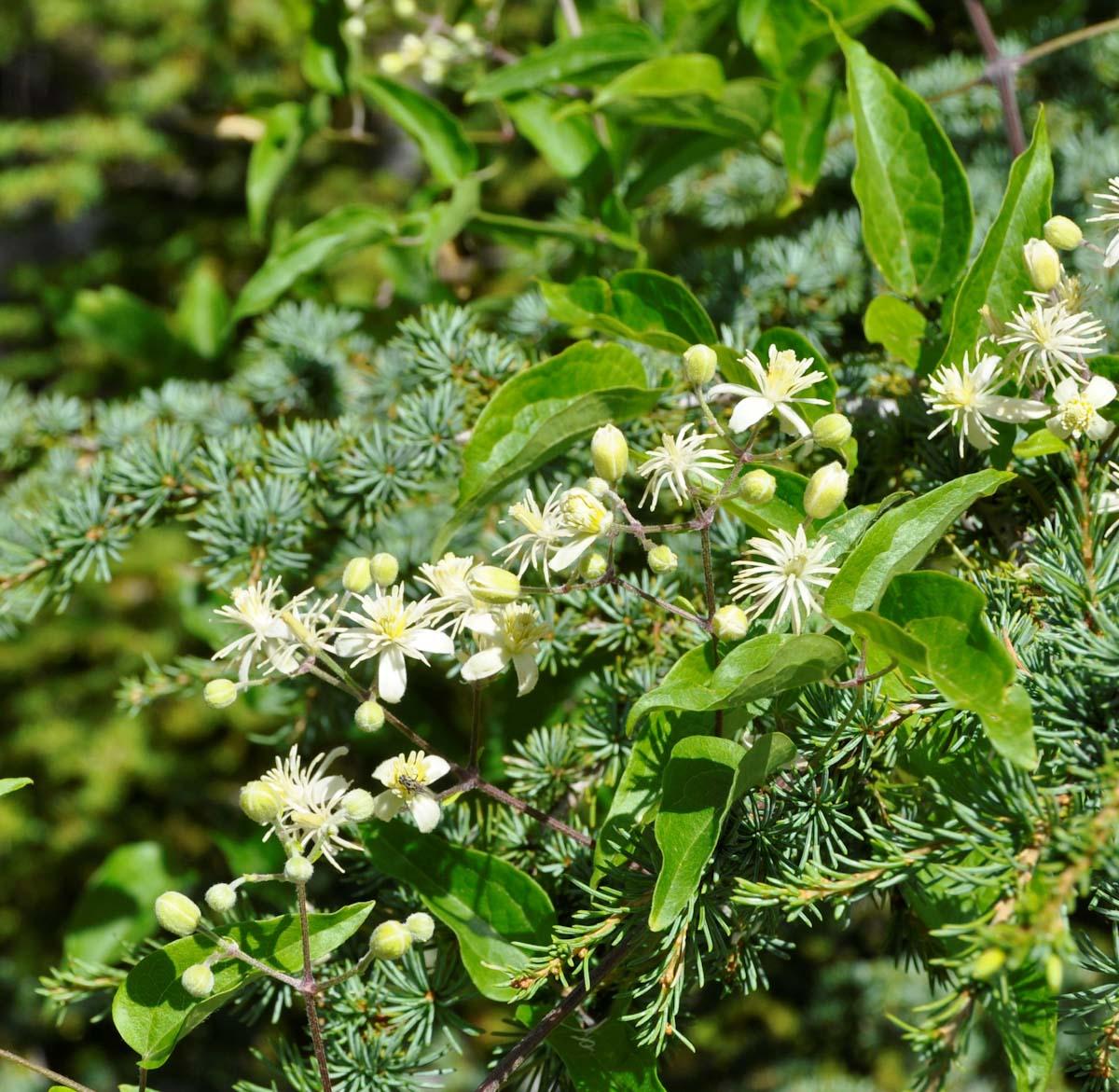
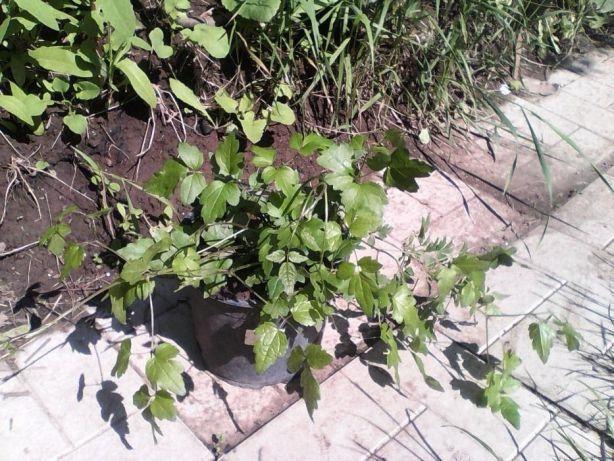
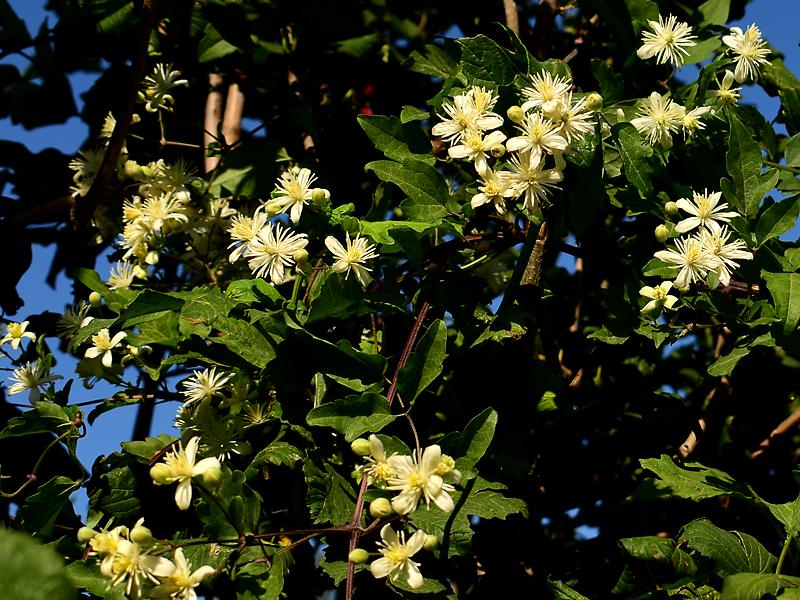
Clematis vitifolia is adorned with leaves that are borne on long petioles. The leaf blade is 8-20 cm long, lanceolate, and pointed. Its tip is slightly tapered, triangular, and the base is rounded. It has a dark green color and a rough surface. Clematis vitifolia's flowers, 2 cm in diameter, are eye-catching, white, and have a pleasant, light aroma characteristic of the plant. They are gathered in inflorescences on long stalks. The star-shaped flower has 5-6 petals. Numerous yellowish stamens are located in the center.
After flowering in late September to early October, seeds are formed and remain on the bushes for a long time. They are oblong and brown in color, up to 7 mm long and 4 mm wide.
Note! Clematis vitifolia delights with its flowering and fruiting from the age of 4.
Selection and cultivation regions
Clematis vitifolia was developed by renowned biologist Carl Linnaeus in 1922. In the wild, this grape-leaved plant grows in forests and mountainous areas. It is found in North America, Europe, the Caucasus, and the Middle East.
Application in garden design
Clematis vitifolia is particularly popular in landscape design. It is used as a decorative ornamental in parks and gardens. Thanks to its lush, long-lasting blooms of beautiful, graceful flowers and unique fruits, this plant is promising:
- to create original displays using different types of supports;
- to decorate terraces, arcades, gazebos, providing coolness during hot periods;
- for decorating the walls of unsightly-looking buildings, pillars, and unsightly fences;
- to hide various imperfections of buildings and terrain;
- for planting in English-style gardens and naturalistic compositions.
Clematis vitifolia, planted against supports of various designs, will demonstrate the extensive possibilities of using this crop in the garden landscape, which will advantageously present the exhibition as a whole.
Popular varieties
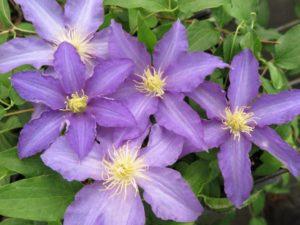
The genus has many varieties, one of the most popular being Clematis vitalba. A beautiful floricultural plant, blooming from June to September, the bush is distinguished by vigorous vines up to 6 meters tall. The leaves are large, pinnate, and toothed. The flowers are white. Clematis vitalba is drought-tolerant, frost-hardy, disease- and insect-resistant, and undemanding of soil conditions.
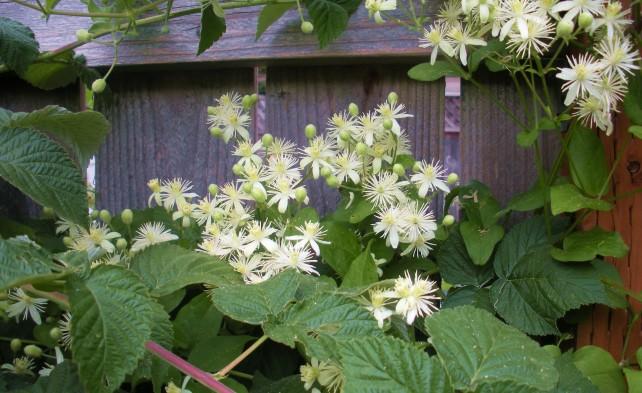
Clematis vitifolia has a cultivar called 'Paul Farges.' This medium-sized perennial grows 4.5-6 cm tall. The flowers are small, white, star-shaped, with 4-6 petals and creamy-yellow stamens. The flowers are 4-5 cm in diameter. It blooms profusely and for a long time, from the second half of July through September. This white, small-flowered variety is highly frost-hardy and disease-resistant.
Landing
When planting clematis vitifolia, it is worth studying the plant's characteristics and applying this knowledge in practice.
Site selection and preparation
It's best to plant clematis vitifolia in a shaded area, as its leaves will burn and turn yellow in hot weather due to too much sunlight. However, the plant tolerates pollutants and smoke well. It thrives in a south- or southwest-facing area.
Before planting, prepare the soil. To do this, take equal parts sand, peat, and humus. Add the prepared mixture to the excavated soil, and optionally add chalk, ash, and a micronutrient complex. Crushed stone can serve as a drainage layer.
Optimal planting times and patterns
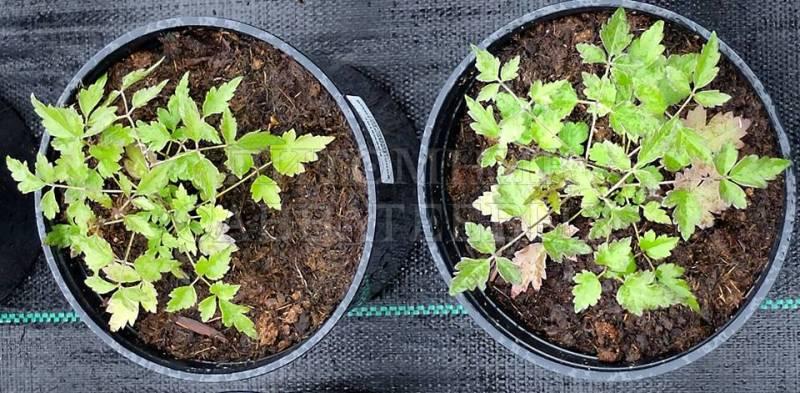
In areas where temperatures do not drop below -40°C, it is recommended to plant clematis vitifolia in the fall, in September-October. In regions with colder climates, it is better to plan planting in the spring. Planting involves the following steps:
- Dig holes measuring 50 x 50 x 50 cm in advance. If planting several plants, it is important to maintain a distance of 1 m between each planting.
- Place the seedlings in the hole, spreading the roots downwards, and bury them to a depth of 15 cm. Deepen the root collar by 3-4 cm.
- Carry out watering.
- Mulch the tree trunk circle using mown grass, peat, and sawdust.
Important! After planting, shade the clematis vitifolia to prevent the unadapted plant from burning in direct sunlight.
Further care of the flower
For full growth and abundant flowering of clematis vitifolia, it is important to carry out basic plant care measures.
Watering mode
Clematis vitifolia prefers well-moistened soil. During dry periods, it requires ample watering. A 5-6-year-old clematis bush will require about 2 buckets of water. It's important to remember not to pour a strong stream directly into the center of the bush.
What and when to feed the vines
During the growing season, it's important to apply four applications of complex or organic fertilizers. When applying fertilizer, it's important to follow these guidelines:
- Apply nutrients only to moist soil.
- In the first year after planting, the plant does not need fertilizing.
- The procedure should be carried out in the evening or in cloudy weather.
- The intervals between feedings should be about 2 weeks.
- It is prohibited to apply chlorine-containing fertilizers, as the crop does not tolerate this substance.

After fertilizing, it's important to mulch the area around the tree trunk using wood chips or shavings. Mulch will protect the shrub's root system from overheating and reduce moisture evaporation.
Pruning group
Clematis vinifera belongs to pruning group 1. With the arrival of spring, sanitary pruning is required, removing dried and broken branches. It's also important to shape the plant while maintaining the desired appearance. Pay particular attention to fall pruning, removing all dry, diseased, and weak shoots. This pruning sets the tone for the plant's appearance for the following season.
Also, when the plant finishes blooming, remove all flower stalks to prevent them from setting seeds, which drain the plant's energy, weakening the plant and reducing its flowering in the future. If you plan to propagate the perennial from seed, you can leave 2-3 flower stalks that bloomed first.
After ripening, collect and use for breeding.
Loosening and weeding the soil
When growing clematis vitifolia, it's essential to regularly loosen the soil. This should be done after watering, rain, and after the water has been absorbed. This will improve oxygen supply to the roots and prevent the formation of a soil crust. The optimal loosening depth is 3-5 cm.

It is recommended to loosen the soil around the clematis vitifolia bushes in the summer with weeding, preventing the growth of weeds.
Preparing for the cold weather
Clematis can withstand frosty winters with temperatures dropping to -30°C. Severe and prolonged frosts can damage the above-ground portion of the plant, so covering it is recommended. Preparing clematis for winter involves the following steps:
- Hill up the soil to a height of 15 cm, adding compost, humus, and ash.
- Cover the root collar with special care.
- Remove the shoots from the supports and carefully lay them out.
- Once temperatures drop below 0°C, cover the plant using materials that allow for ventilation inside the bush, thereby preventing frostbite. These can include spruce branches, cut branches, or wooden crates. In areas with harsh winters, it is recommended to add additional dry leaves, sawdust, peat, or pine needles.
The cover should be removed in the spring, once the threat of recurrent frosts has passed.
Advice! If a plant has frozen, don't rush to uproot it, as new shoots may develop in the root system.
Protection from diseases and pests
Although clematis vitifolia demonstrates resistance to infections and harmful insects, with improper care and unfavorable weather conditions it can be affected by fungal infections such as:
- Rust. This disease is indicated by brown spots on the plant's leaves. Copper sulfate is recommended for treatment. It is also important to remove all damaged and dead branches.
- Root rot. The disease is promoted by overly moist soil. To prevent this, loosen the soil and monitor the quality and quantity of watering.
- Powdery mildew. Signs of powdery mildew include patches of white plaque on the leaves of clematis vitifolia. Bordeaux mixture or a soap solution can help combat the disease. To prevent powdery mildew, monitor the plant's condition—promptly remove any affected parts, dig under the bushes in the fall, and mulch with peat or compost in the spring. Systemic fungicides can be used for prevention.
Clematis vitifolia can also be a favorite target for harmful insects such as aphids and spider mites. To control them, use insecticides or a soap solution. With proper care and preventative measures, fungal infections and parasites can be avoided.
Features of reproduction
To expand your clematis collection, you can use any method of propagating the plant.
Seeds
It's recommended to plant clematis vitifolia seeds in the spring. To do this, soak the seeds in warm water and then plant them in a container with potting mix. Once the seedlings emerge, transplant them to a greenhouse, where they can be left for one year. Transplant the mature seedlings to the flowerbed the following spring in May.
Cuttings
To do this, in July, place 10-15 cm long clematis cuttings in a container with a growth stimulator for 24 hours. Then, plant them in pots with a nutrient mixture. After one year, plant them in open ground.
Layering
To propagate clematis vitifolia by layering, bend the shoot toward the soil in midsummer and secure it. Allow it to germinate.
Dividing the bush
Small-flowered clematis are successfully propagated by division. To do this, remove a section of the mother plant, root included. Sprinkle the damaged root segment with ash and treat with a potassium permanganate solution. Plant in fertile soil in a flowerbed and water with warm water.
Before acquiring clematis vitifolia, it's important to learn about the plant's characteristics and growing techniques. Then, even a novice gardener can decorate their garden with this luxurious perennial.
Related posts:
 Description of the burning clematis, planting and care in open ground, propagation
 Description and pruning group of clematis President, cultivation and care
 Description and pruning group of clematis Rouge Cardinal, cultivation and propagation
 Description and characteristics of Manchurian clematis, cultivation techniques
 Description and characteristics of the clematis variety Comtesse de Bouchaud, planting and care instructions
 Description and characteristics of the clematis variety Kaiser, planting and care, pruning group
 How to propagate clematis at home: timing, methods, and technologies
 Description of the best varieties of Tangut clematis, planting, growing and care