
- Characteristics of culture
- The most beautiful varieties of clematis of the Jackman group
- Moonlight
- Rouge Cardinal
- Space Melody
- Ernest Markham
- Anna German
- Nelly Moser
- How to grow a flower
- Recommendations for choosing a landing site
- Preparing seedlings
- Planting dates and patterns
- Clematis care instructions
- Watering and fertilizing
- Mulching and loosening
- Pruning group
- Protection during the cold period
- Diseases and pests of crops
- Reproduction
- Seeds
- By cuttings
- Layering
- By dividing the bush
- Gardeners' reviews of Jackman varieties
Among the vast array of clematis varieties, each gardener selects a variety that suits their growing region, characteristics, and decorative qualities. Although clematis belonging to the Jackmanii group do not grow wild, decades of breeding have resulted in numerous hybrid varieties, which are now used to enhance landscape designs by gardeners around the world. This easy-to-grow shrubby vine becomes the focal point of any garden's floral arrangement.
Characteristics of culture
Clematis Jackmanii is not a single cultivar, but a group of hybrid varieties with similar characteristics and growing conditions. They all share high winter hardiness, excellent disease resistance, lush and abundant flowering, and rapid growth. Clematis Jackmanii is not found in the wild, but it is successfully grown as an ornamental plant in gardens.
This group of clematis derives its name from the first variety in this category, which gardeners encountered in 1858. It was bred at Jackman's nursery in England. Within a few years, breeders around the world began developing new hybrids based on it. According to modern classification, this group of clematis currently includes over 90 varieties, artificially bred by both foreign and domestic gardeners.
Clematis belonging to the Jackman group differ in the shade of petals, the size of buds, the duration of flowering, but there are also characteristics common to all hybrids.
First of all, these plants have a strong root system, allowing them to establish themselves without problems in a new location. With proper care, these plants can reach a height of 4 meters—one of the tallest of all clematis. These perennials begin blooming in late May and continue until September—the exact timing depends on the specific hybrid. Since members of the Jackmani group belong to pruning group 3, flowering occurs on the current year's shoots. Radical pruning is required for the winter.
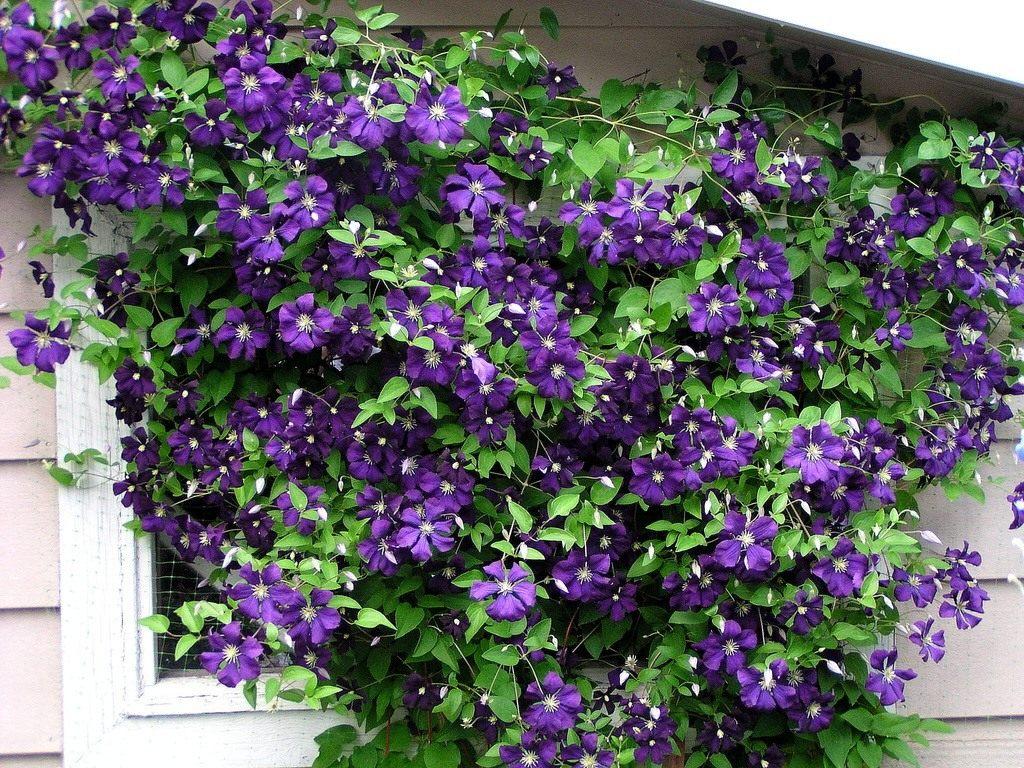
The buds range in size from 5 to 20 cm, and the color range is predominantly purple or blue-violet. The flowers are elongated and conical, pointing downward or sideways. The elliptical petals have pointed tips and curl outward. There are 4 to 7 petals per bud. Clematis flowers are predominantly single, not double. Representatives of the Jackmani group, despite their popularity, are not included in the State Register of Clematis.
The most beautiful varieties of clematis of the Jackman group
Among the huge number of hybrids in this group, gardeners have identified several of the most popular ones, which they prefer when decorating their summer cottages.
Moonlight
A unique, yet rather demanding, clematis hybrid. It was developed in 1958 by A. N. Volosenko-Valenis. This vigorous vine boasts shoots reaching 3 meters in length. The maximum bud diameter is 12 cm. The flower typically has four petals, though specimens with six or seven are rare. The pointed tips are curved outward, and the shape is diamond-shaped. Their lavender hue fades to blue toward the center of the bud. This plant can be grown in virtually any climate zone in Russia, and blooms from June to August.
Rouge Cardinal
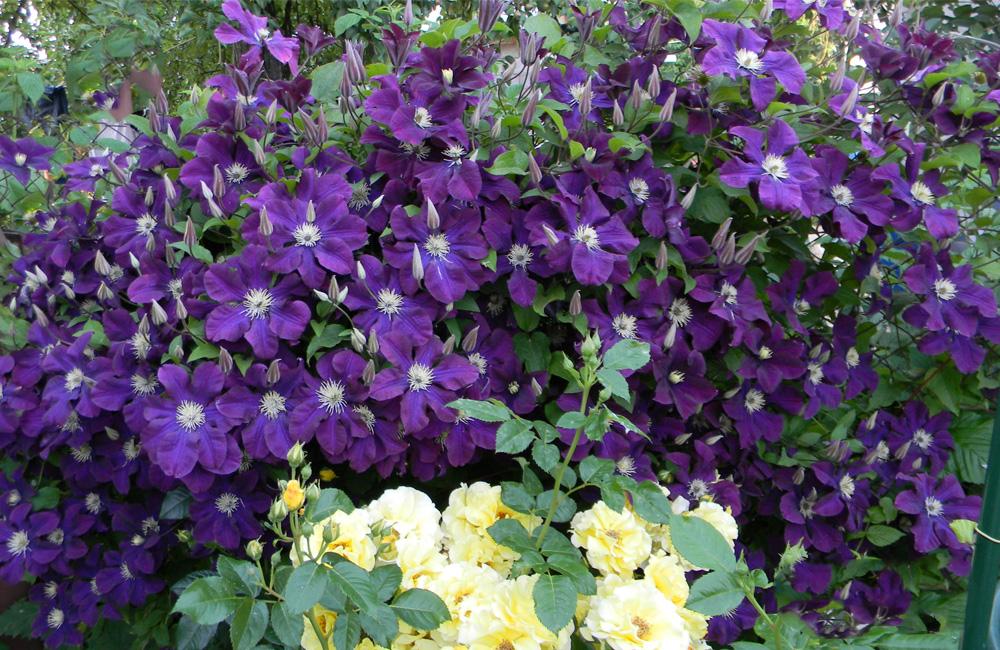
A representative of the Jackman cultivar, developed by French breeders and winner of numerous prestigious awards, the clematis's flowers are slightly velvety and dark purple. They are one of the largest in diameter, reaching approximately 15 cm. The milky-white stamens provide a striking contrast.
Rouge Cardinal's leaves are medium-sized, trifoliate, and dark green. This hybrid's shoots grow up to 2.5 meters. The first flowers appear in June, and the last in September. Rouge Cardinal is considered a moderately frost-hardy variety.
Space Melody
A development of Russian breeders, first introduced to gardeners in 1965, this hybrid was named in honor of the Soviet cosmonauts' flight. This lush bush produces 20 to 30 shoots, reaching 3.5 meters in length. According to experts, "Space Melody" is one of the most frost-hardy clematis varieties.
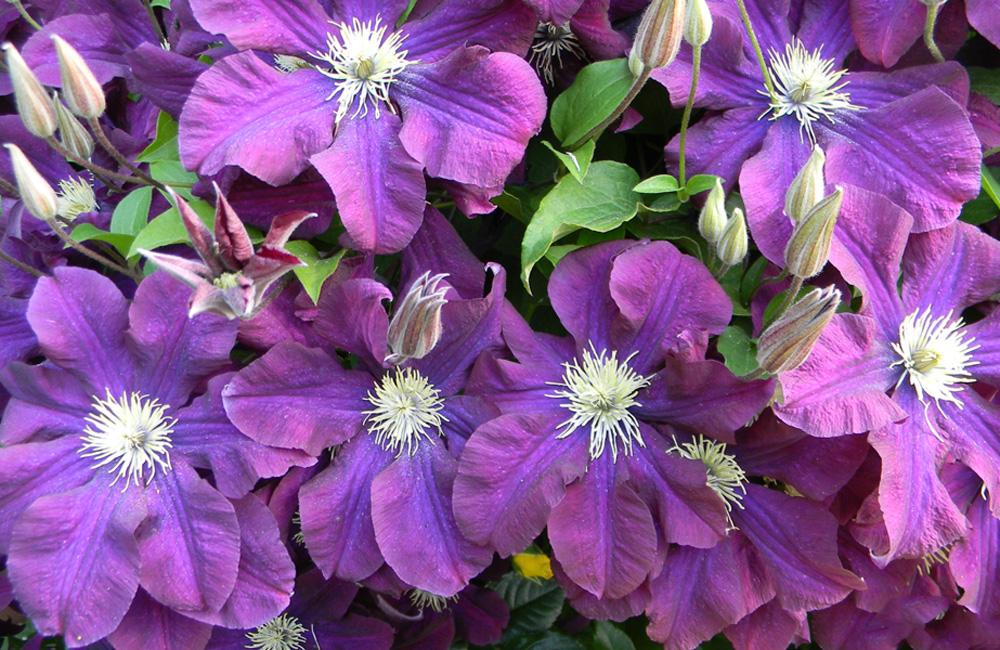
With proper care, a single shoot can produce up to 30 buds, each reaching a maximum diameter of 14 cm. The cherry-purple leaves of hybrids 5 and 6 are diamond-shaped. If planted in bright, scorching sun, the petals will fade in color.
Ernest Markham
One of the most popular varieties in the Jackman group. Although it was bred back in 1936, its vibrant crimson blooms still adorn gardens today. This herbaceous vine reaches 3.5 meters in length and can withstand temperatures as low as 35 degrees Celsius. Bright buds adorn the bush from July until the end of September. The flowers are 15 cm in diameter and have slightly velvety, overlapping petals. The stamens are creamy in color.
Anna German
This clematis hybrid dedicated to the Polish singer was developed by Russian breeders in 1972. The vine is distinguished by its early flowering period—the first buds appear on 2.5-meter-long shoots as early as mid-May. With proper care, the plant can bloom again in August. The Anna German hybrid is ideal for our climate, as it is highly winter-hardy and can withstand temperatures as low as -40 degrees Celsius.
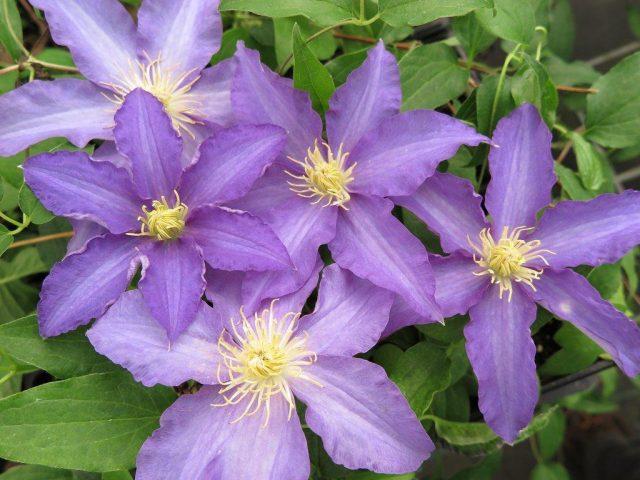
The star-shaped buds are large, reaching a maximum diameter of 20 cm. The petals are a soft lilac or violet. The color is more intense at the edges, becoming lighter toward the center. The stamens are yellowish. Since this variety does not grow to enormous heights, it is also grown in hanging pots, decorating balconies and loggias.
Nelly Moser
The signature feature of the Nelly Moser hybrid is its light, pinkish-purple hue. The deciduous vine grows to a maximum height of 2.5 meters. Another distinctive feature of this clematis is the bright pink stripe down the center of its petals. The star-shaped flowers are approximately 12 cm in diameter. This hybrid is hardy to zone 4 and blooms repetitively, with the first bloom occurring in late May and the second in August.
How to grow a flower
To grow a beautiful and healthy vine, pay close attention to the location and quality of the seedlings, and follow the planting procedure.

Recommendations for choosing a landing site
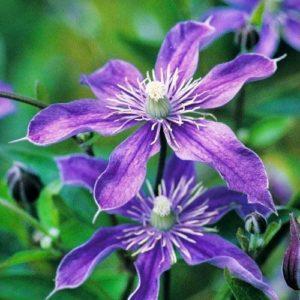
Since members of the Jackmani group are characterized by rapid growth, they require a sunny location. The hybrids' buds are quite delicate, so the site should be protected from strong winds, which will damage the plant's beauty. Groundwater should not be closer than 100 cm to the surface, as clematis roots react negatively to stagnant water. If a suitable location is unavailable, a strong drainage system should be installed.
Avoid planting this herbaceous vine close to buildings. Water running off the roof and stagnating in the root zone will lead to the development of fungal diseases. Maintain a minimum distance of 60 cm from building walls. Clematis Jackmanii's soil should be neither too acidic nor too acidic. If the soil is too acidic, add wood ash; if it's too alkaline, add pine needles or fresh sawdust.
Preparing seedlings
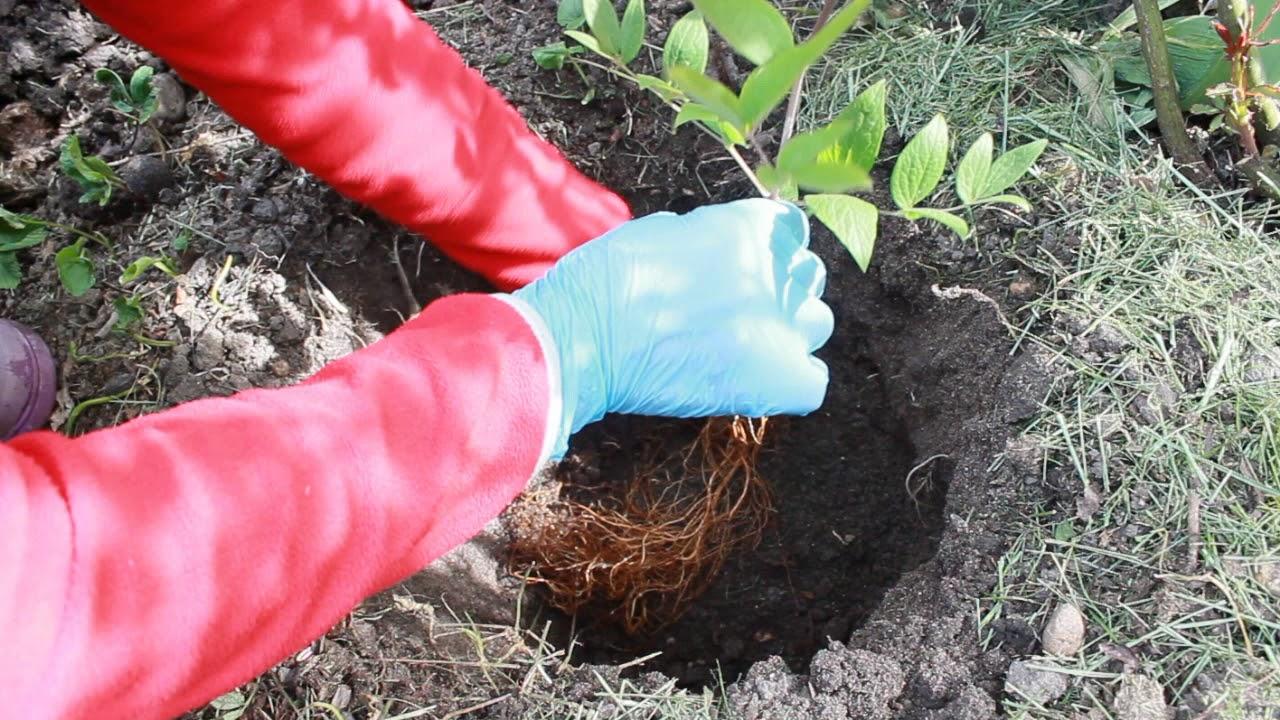
When purchasing seedlings, gardeners often prefer those with closed root systems. Not only can they be planted throughout almost the entire growing season, but they require no pre-treatment. Before planting, simply soak them in their container for a few minutes in a bucket of water.
If you purchase a bare-root seedling, place it immediately in open ground to prevent the roots from drying out. This should be done in the spring, once the soil has warmed sufficiently. Planting can be postponed until fall, but allow at least a month before the first frost. This will give the clematis enough time to fully establish itself.
Planting dates and patterns
Spring planting is preferred—clematis will have all summer to adapt to its new location. The exact timing depends on the gardener's region. The basic rule is that the soil should be at least 20 cm deep and warm, and there should be no risk of recurrent frost.

Experienced gardeners recommend planting Jackman's clematis using the following algorithm:
- In the selected area, a hole is dug in the shape of a cube with sides of 60 x 60 x 60.
- A drainage layer is placed at the bottom.
- Mix the soil with nutrients and pour half of it into the hole, immediately installing a support for the clematis.
- Place the seedling so that the roots are facing downwards, carefully straightening them out.
- Sprinkle the remaining soil on top and tie the clematis to the support.
Tip! Since clematis's root system dislikes overheating, either mulch the soil or plant low-growing annuals around it to shade the root zone.
Clematis care instructions
After planting, it's important to properly care for Jackmanii clematis. Only then will the plant delight you with abundant flowering and decorative beauty.
Watering and fertilizing
Regular and abundant watering is essential for seedlings, as clematis thrive on moisture. Watering should be done in the evening, using approximately 30 liters of lukewarm water per mature bush. The frequency of watering depends on the weather. Typically, it's done once a week, but if the weather is extremely hot and there's no precipitation, the frequency can be increased to 2-3 times every 7 days.
During the first season after planting, clematis don't need to be fertilized. If nutrients were added to the planting hole, this will be sufficient for the plant to thrive. Starting the following season, nitrogen fertilizers are applied during bud formation. During active flowering, potassium fertilizers are recommended. Once flowering is complete, phosphorus fertilizers should be added.

Mulching and loosening
The soil around the root zone must be loosened after each watering to ensure adequate oxygen supply to the clematis roots. Weeds, which rob the plant of nutrients and lead to fungal diseases, are also removed.

Mulching the soil around clematis will eliminate the need for weeding. Use shredded tree bark or sawdust; the mulch layer should not exceed 10 cm in summer.
Pruning group
Since all Jackmani hybrids belong to pruning group 3, shoots are cut back almost to the ground for the winter. No more than 30 cm should remain above ground level.
Protection during the cold period
The intensity of protection during the cold season depends directly on the growing region. In some regions, it's enough to cover the clematis with dry leaves and a sheet of roofing felt; in others, a full-fledged shelter must be constructed using a wooden box covered with spunbond or polyethylene film. Clematis tolerate short-term temperature drops to -40°C (-40°F) without problems.
Diseases and pests of crops
If agricultural practices aren't followed, clematis is susceptible to diseases and pests. Powdery mildew and rust are among the most dangerous. To prevent these diseases, spray them prophylactically with a fungicide solution, such as Fundazol.

Clematis is often attacked by spider mites, which can be controlled with insecticides.
Reproduction
There are 4 methods used to propagate clematis.
Seeds
This method is more often used by breeders to develop new clematis hybrids, but it is not very popular among gardeners.
By cuttings
Cuttings are taken from the center of the shoot, treated with a rooting agent, and planted in a mini greenhouse for rooting. After this, they are transferred to their permanent growing location.
Layering
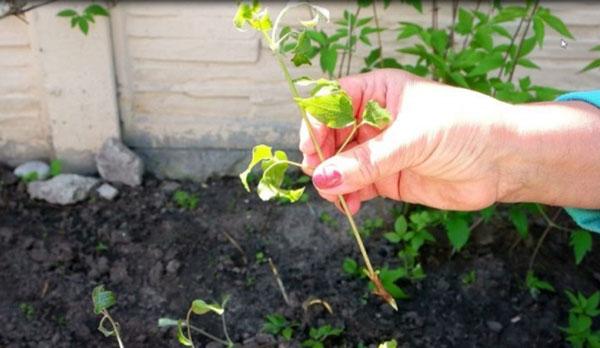
The lower shoot of the clematis is placed in a pre-dug trench and secured with a staple. Cover it with soil and wait for the plant to develop its own roots. In the fall, separate it from the mother plant and plant it in a separate area.
By dividing the bush
Using a sharp shovel, separate a section of the bush and transfer it to a new site. Clematis specimens that are 5 years or older are used for propagation.
Gardeners' reviews of Jackman varieties
Liliya Alekseyevna, 45: "I chose the hybrid clematis Jackmanii 'Rouge Cardinal' for my garden. I couldn't be happier. The vine quickly twined around the arbor and delights me with its abundant blooms every year."
Oksana Vladimirovna, 62: "My husband and I decided to decorate the fence. The salesperson at the gardening store recommended the Anna German clematis hybrid. It grows quickly, is disease-resistant, and survives winter well—basically, it doesn't require much care."
Related posts:
 How to propagate clematis at home: timing, methods, and technologies
 Description and pruning group of clematis Ashva, the subtleties of growing and care
 Description and characteristics of the clematis variety Comtesse de Bouchaud, planting and care instructions
 Description and pruning group of clematis Cardinal Wyszynski, cultivation and care
 Description of the best varieties of Tangut clematis, planting, growing and care
 Description and pruning group of clematis Rouge Cardinal, cultivation and propagation
 Description of clematis varieties, planting and care in open ground, and propagation methods
 Description and pruning group of clematis Niobe, cultivation and care