
- Description and characteristics of the Arabella variety
- Examples in landscape design
- Landing features
- Selecting a site
- Preparing soil and seedlings
- Terms and rules for carrying out planting work
- Care instructions
- Watering frequency
- How to feed the plant
- Loosening the soil and removing weeds
- Trimming
- Pest and disease control
- Formation
- Preparing for winter
- Methods of reproduction
- Gardeners' reviews of whole-leaf clematis
Ornamental perennials are used by gardeners to beautify their garden plots, create beautiful flowerbeds, and enhance gazebos. Among perennial varieties, clematis remains a perennial favorite. Lush blooms and low maintenance are the primary attributes gardeners look for. The Arabella clematis meets these requirements, making it a popular choice for gardens.
Description and characteristics of the Arabella variety
Clematis Arabella is a perennial vine that cannot climb on its own. Therefore, gardeners tie the shoots and train them as desired. This variety is a relatively recent development, having been developed in the 1990s in the UK. The creator of this new variety was British breeder B. Fratwell. He named his creation after the daughter of Lord Herschel.
Arabella belongs to the Integrifolia group, which means "whole-leaved" in Latin. The leaf blades are undissected and lightly pubescent, suggesting the presence of woolly clematis among the parent varieties. Their color is light green.
This English hybrid is classified as a shrub variety due to its inability to cling to supports. The Arabella clematis' root system can be taproot or fibrous. The rhizome is large and clings well to the soil. The maximum branch length of this hybrid does not exceed 2 meters, but when grown as a groundcover, this length increases by 1 meter.
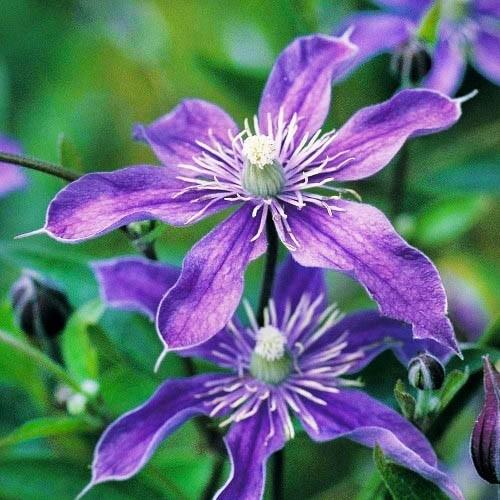
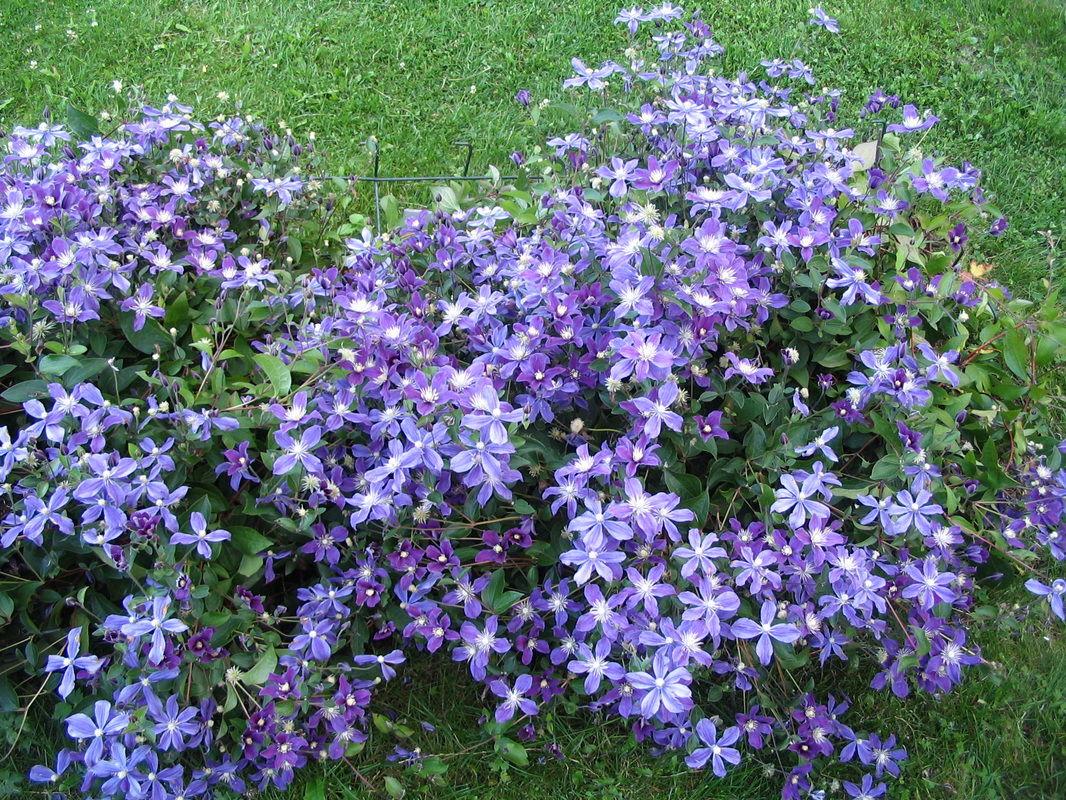
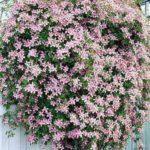
Arabella's main attraction during flowering is its vibrant buds, with petals that begin as a rich purple and gradually turn pale blue. Their diameter does not exceed 9 cm. Since Arabella belongs to pruning group 3, this means that buds appear on the current year's branches, and the shrub requires radical pruning for the winter.
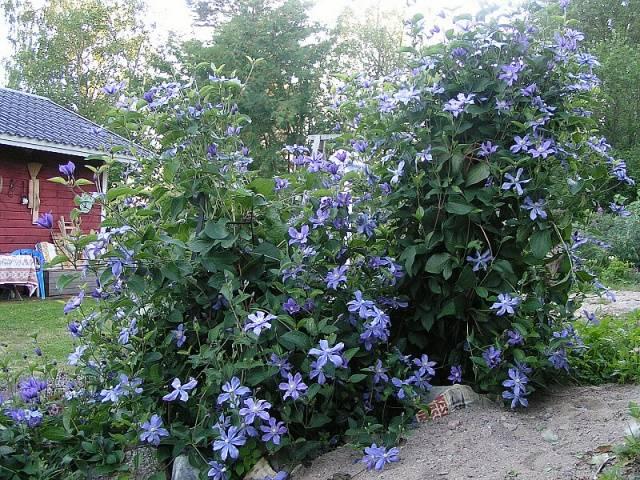
The flowering period varies depending on the region, ranging from mid-July to mid-October. Clematis is quite frost-hardy—with shelter, it can withstand temperatures as low as -30°C.

Examples in landscape design
Clematis hybrid Arabella is used by landscape designers and gardeners in various variations:
- A composition of clematis and coniferous perennials looks organic.
- Planted in mixed borders and alpine gardens as a groundcover, it forms neat and lush bushes.
- However, in this case, supports are always used as decoration for the walls of buildings.
- Thanks to its compact size, it is planted in pots and grown on balconies and verandas.
- Arabella looks wonderful in a composition with climbing roses.
Landing features
The Arabella hybrid will become a worthy addition to your garden only if you choose and prepare the right planting site, purchase high-quality seedlings, and strictly follow the planting instructions.
Selecting a site
The best location for this hybrid is considered to be a slightly elevated area exposed to full sun. An area with diffused sunlight or light partial shade is also suitable. The main thing is to avoid drafts and a nearby water table.
Fertile, well-drained loams are considered the preferred soil for growing clematis, but a drainage layer is essential. The soil pH should be neutral; if the soil is too acidic or alkaline, the hybrid will not thrive, and the gardener will not expect abundant flowering.
Preparing soil and seedlings
Once the gardener has selected a site, they begin preparing the soil. The soil is dug, weeds are removed, and nutrients are added, including compost, mineral fertilizers, and wood ash. The soil can be treated with a weak fungicide solution to kill fungal pathogens.

Hybrid seedlings are quite expensive, so it's best to purchase them from certified retailers—such as stores or nurseries. At spontaneous markets, you risk purchasing the wrong clematis. Furthermore, nurseries guarantee healthy plants that adapt quickly to a new location. Seedlings can be purchased with either a closed or open root system. The open root system is preferable, as it can be planted throughout the growing season. Before planting, soak the clematis roots in water for a few minutes with a few drops of rooting promoter.
Terms and rules for carrying out planting work
The Arabella hybrid can be planted in either spring or fall, depending on the gardener's region. For northern regions, spring planting is recommended so the seedlings have time to fully establish and strengthen before the winter cold sets in. The procedure is as follows:
- They dig holes with dimensions of 60 x 60 x 60 cm.
- A drainage layer is placed at the bottom of the holes using broken brick or fine crushed stone. It is recommended that the layer be 10-15 cm thick.
- The soil is mixed with mineral fertilizers and humus, half of which is poured into the hole.
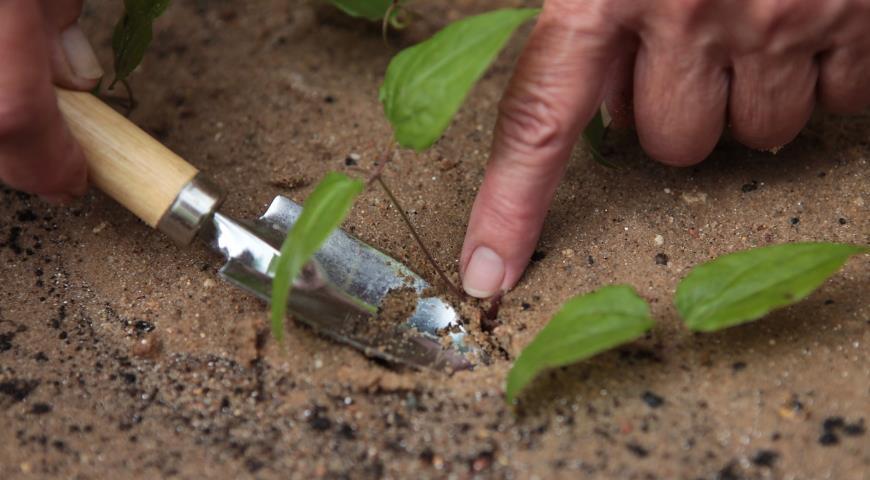
- The clematis is placed on a small formed mound, carefully straightening its roots.
- Sprinkle with the remaining soil so that the root collar is buried 10 cm deep.
- Mulch the soil in the root zone.
To avoid overheating the root system, gardeners recommend planting low annual plants around it.
Care instructions
By following the care recommendations of experienced gardeners, you will end up with a strong and healthy plant that will delight you with abundant and long-lasting flowering.
Watering frequency
Mature clematis are watered once a week. If the weather is hot for a long time and the soil is too dry, increase the frequency to twice every seven days. Use warm, settled water for watering, and do this in the evening, after the sun has set. Each Arabella hybrid bush requires about 20 liters of water at a time.
How to feed the plant
During the first year after being planted in a new location, clematis does not require any nutrient additions; this process is only started the following season. Follow this procedure:
- Spring. Nitrogen-containing complexes are used.
- Budding period. Complex mineral compositions are used.
- End of flowering. Apply fertilizers containing phosphorus and potassium.
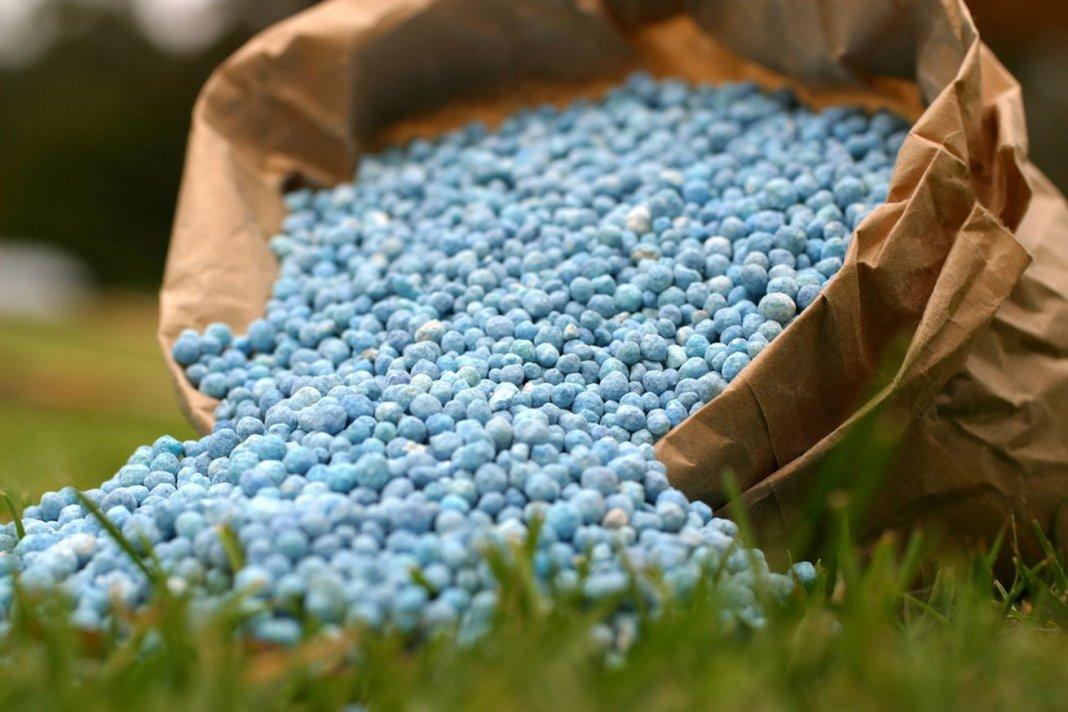
Never use fresh manure to fertilize clematis, as it will burn the plant roots.
Loosening the soil and removing weeds
If the soil around clematis bushes isn't mulched, weed regularly. Weeds deprive the plant of nutrients and promote the spread of fungal diseases.
After each watering, the soil around the hybrid is carefully loosened to ensure adequate oxygen supply to the roots.
Trimming
Since the Arabella hybrid belongs to Group 3, all shoots are pruned before winter shelter, leaving no more than 20 cm above ground level. Sanitary procedures to remove diseased and broken branches are performed as needed throughout the growing season.
Pest and disease control
The Arabella hybrid has a high immunity and is rarely affected by diseases and pests. For prevention, treat the soil with fungicides in the spring. Spraying the plants with copper-containing preparations throughout the season is also beneficial.

Formation
The vine of this hybrid is not capable of clinging to supports on its own, so gardeners independently direct the shoots and tie them up at their own discretion.
Preparing for winter
After pruning the shoots, treat the soil around the clematis with a fungicide and cover it with a layer of mulch. Cover the top with spruce branches. If winters are harsh in the region where the hybrid grows, place a wooden box on top and cover it with spunbond, leaving small holes for air circulation.
Methods of reproduction
To grow clematis Arabella in their gardens, gardeners use several proven and effective methods:
- Layering. This is considered the simplest and most effective method of propagation. One of the lower shoots is placed in a shallow trench and secured with staples. In the fall, it is separated from the mother plant and transplanted to a new location.
- Dividing the bush. Select a 5-year-old specimen and carefully dig it up. Using a sharp shovel, divide it into several equal parts, sprinkle the cut ends with wood ash, and plant them in prepared areas.
- Cuttings. This isn't the best method for the Arabella hybrid, as cuttings from this variety take a very long time to root.
Gardeners' reviews of whole-leaf clematis
Rimma Vasilyevna, 63: "My husband and I bought this hybrid from a nursery and immediately planted it in our garden. It's taken well, hasn't had any diseases, and we regularly carry out preventative treatments."
Olga Stepanovna, 39: "I recommend this hybrid to anyone who doesn't have a lot of time for care. It's easy to grow; just water and fertilize occasionally. It fits perfectly into the garden's design and delights with its abundant blooms."
Related posts:
 Description and pruning group of clematis President, cultivation and care
 Description of the burning clematis, planting and care in open ground, propagation
 Description and pruning group of clematis Rouge Cardinal, cultivation and propagation
 Description and characteristics of the clematis variety Kaiser, planting and care, pruning group
 Description and characteristics of the clematis variety Comtesse de Bouchaud, planting and care instructions
 Description of clematis varieties, planting and care, propagation methods
 Description and characteristics of Manchurian clematis, cultivation techniques
 Description and pruning group of Clematis Mountain, planting technology and care