
- Do clematis need to be prepared for winter?
- Specifics of plant care in autumn
- Pruning: How and When to Prune Clematis
- First group
- Second group
- Third group
- Irrigation and fertilization
- Preventive treatment
- Hilling
- How and what to cover flowers with for the winter
- The nuances of preparing a plant for winter depending on the growing region
- In the Moscow region and central Russia
- In the Leningrad region
- In the Urals and Siberia
Beautifully blooming vines will enhance any garden. However, clematis require proper care. After the lush bloom period, it's time to begin preparing the clematis for winter. This is especially important in areas with cold winters. The bushes may not survive low temperatures and even die if neglected in the fall.
Do clematis need to be prepared for winter?
This ornamental plant is native to warm climates. Therefore, growing clematis in cold climates with short summers requires the ability to prepare the plants for winter. This work begins after the ornamental shrubs have finished blooming, beginning with pruning. The timing of this procedure depends on the climate. It's important to protect the outdoor plant from frost before the onset of frost.
It's important to select the right material for insulating the shoots. To prevent plants from weakening, the soil must have sufficient moisture and nutrients. Preparing the soil for winter begins before the onset of permanent frosts. It's important to eliminate pests and pathogens that overwinter in the soil. Then, in the spring, flowering plants will focus their energy on the growth and development of their above-ground parts.
Specifics of plant care in autumn
Clematis blooms don't necessarily mean they're finished caring for them. If you don't prepare them for winter properly, you'll have a hard time expecting buds and vigorous growth the following year. Autumn care requires pruning, watering, fertilizing, and hilling. Missing even one step in the winter preparation process can leave you without a vibrantly blooming vine.
Pruning: How and When to Prune Clematis
Before winter, pruning clematis is essential. However, there are some specifics to this procedure, which everyone who grows clematis should be aware of. All clematis varieties are classified into three pruning groups. It's important to know how buds form on the vine and on which shoots. Then, the pruning procedure can be carried out correctly. After all, careless pruning can destroy shoots that should bloom the following year, thereby depriving the garden of a fragrant, flowering plant.
If a gardener doesn't know which group a clematis growing in their garden belongs to, they should partially remove its shoots, leaving a 40-centimeter stump. The remaining stems should only be shortened. In the summer, they monitor which branches begin to form buds.In the first year of life of an ornamental plant, all stems should be cut back for the winter. Leave a length of 30 centimeters from the ground with 2-3 buds.
First group
When a variety produces flowers on last year's shoots, they don't need to be completely pruned. Simply shorten the tops of the vine by 20 centimeters. Leave the main stems at 1-2 meters. Weak and broken branches should be trimmed in the fall. To improve air circulation within the lush vine, properly remove branches that thicken the bush. The first group includes varieties such as Armanda, Montana, and Biryuzinka.
Second group
In this group, the cultivars of clematis "Dawn," "President," and "Fair Rosamund" form buds in early summer on last year's shoots. Later, new stems begin to bloom. Therefore, some branches should be pruned. The remaining branches are shortened only at the top. Sanitary pruning is essential to remove diseased and weak growth.
Every five years, you can completely remove branches from the entire bush, down to the ground. This will help the clematis renew itself. This procedure is planned to prevent the ornamental vines from becoming bare at the base. Furthermore, over time, the stems become thin, unable to support the lush, heavy heads of flowers.
Third group
This group of plants, including popular varieties like Salut Pobedy, Tuchka, Kosmicheskaya Melodiya, and Jackmani and Viticella varieties, is easy to prune. After flowering, all shoots should be removed. They are pruned back to a 20-30 centimeter stump. The following year, new stems will grow, producing buds and flower buds. If pruning is not done in the fall, the stems will become bare at the base and thin.
Irrigation and fertilization
Clematis need moisture before winter. This will help the roots survive the difficult times. However, if the autumn is rainy, watering the area is unnecessary. Roots can rot if water stagnates. Before pruning ornamental shrubs in September, feed the plants. This will allow the plant to protect itself from the effects of low temperatures. Fertilizers should be free of nitrogen, otherwise the clematis will begin to grow foliage. Nutrient solutions should be based on phosphorus and potassium. 0.5-1 tablespoon of superphosphate and potassium salt per bucket of water is sufficient.
You can use the Fertika Autumn complex fertilizer, which contains balanced nutrients. It's best to place a layer of peat or humus around the pruned stems. Mulch with compost for the winter.

Preventive treatment
Don't forget about protecting clematis from pests and diseases. Bushes should be treated after pruning. A 3% solution of ferrous sulfate is suitable for prevention. During this time, you can spray with a 1% Bordeaux mixture. Antifungal agents such as Fundazol (20 grams per 10 liters of water) are also suitable. The solution is sprayed onto the soil around the ornamental plant within a half-meter diameter.
To protect clematis shoots from rodent attacks, place bait on the approaches to the vine.
Hilling
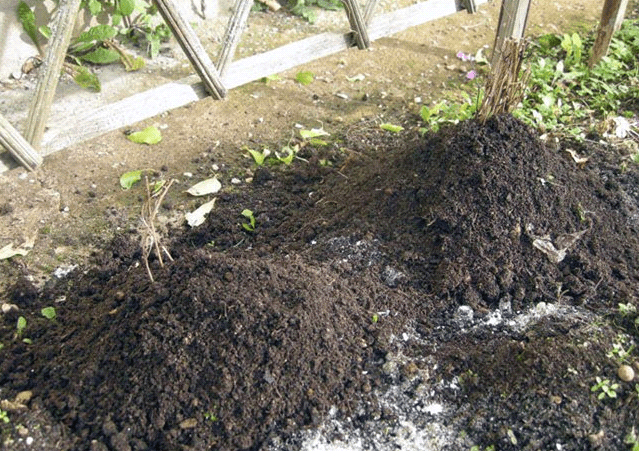
Clematis should be earthed up after pruning. Use soil mixed with humus and peat. If the stems are cut, earth up the 30-centimeter stems, completely covering them with soil.Organic matter added to the soil before hilling will nourish the root system and protect the underground part from frost.
How and what to cover flowers with for the winter
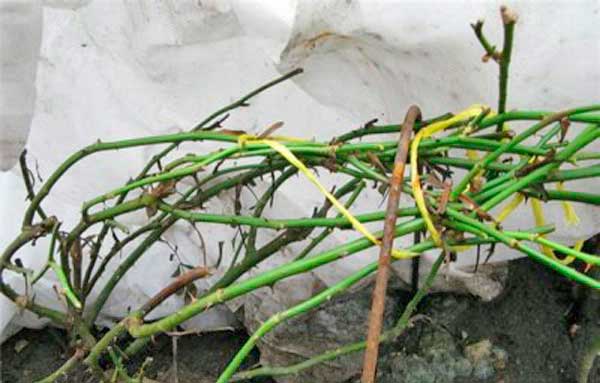
Once all pruning, fertilizing, and hilling work is complete, begin covering the plants. If the shoots removed from the supports were only slightly shortened, they should be carefully placed in the prepared grooves with a layer of dry sawdust. This will help maintain the integrity of the stems and prevent them from being broken by wind and dense snow. Prepare the shelter for the clematis so that they remain warm and the shoots do not rot. Therefore, cover the plant so that excess moisture does not accumulate inside. Air circulation is also essential.
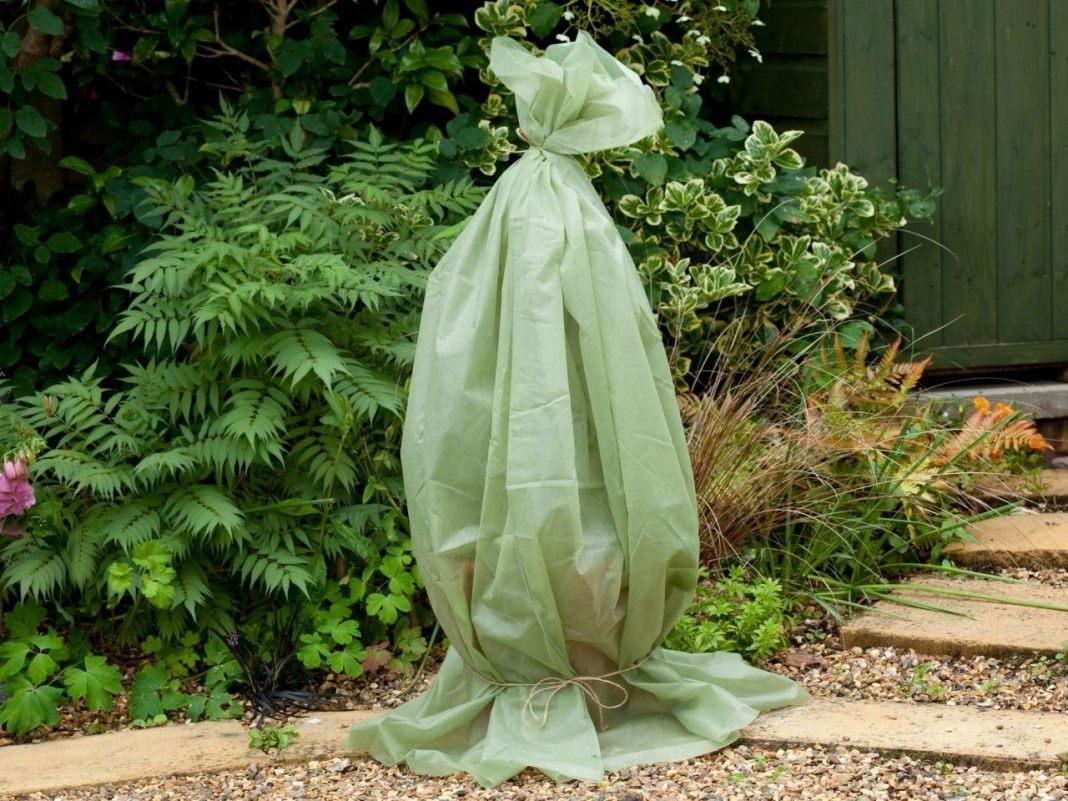
After hilling up the cut stems, sprinkle them with sawdust, dry branches, or hay. For even better insulation, place a wooden box on top. This will allow the plant to breathe. The vine thrives under spruce branches or non-woven fabric.
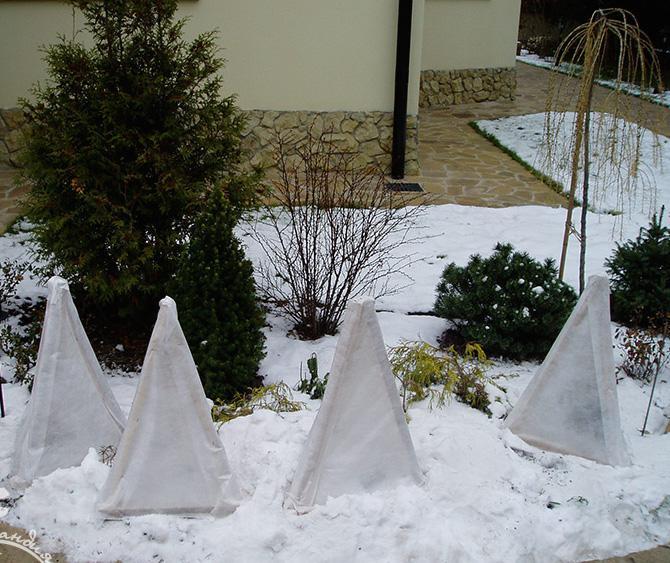
There's also an aerial method of covering. After hilling, the long stems of the bush are rolled up and laid on a layer of spruce branches or twigs placed underneath. Arches are placed above the plant, and special fiber is stretched across them. Roofing felt is also suitable for covering. Air will circulate between the covering material and the clematis, allowing the vine to survive the winter.
During the cold period, the condition of clematis under the covering fiber should be monitored. During mild winters, you can partially remove the non-woven material from the plant and provide ventilation. The plant will thrive best under a layer of snow. In spring, ensure that moisture does not accumulate around the stem, as this is dangerous for the plant's roots.
The nuances of preparing a plant for winter depending on the growing region
Caring for clematis in the fall and preparing it for winter varies. The growing region plays a role here. In the south, simply hilling the pruned bushes to a height of 30-40 centimeters is sufficient. In northern regions, a more dense covering is preferable.

In the Moscow region and central Russia
Winters here aren't characterized by low temperatures, but they are characterized by high humidity. Clematis will overwinter under the influence of cold winds. They will need protection in the form of earthing up and insulation with roofing felt, spruce branches, and non-woven material.
Plants in the first pruning group are removed from their supports in the fall, and the stem tips are slightly trimmed. Be sure to lay the stems down, placing spruce branches or dry branches on the ground. It's best to cover them with a layer of agrofibre or plastic film. To maintain air circulation within the shelter, install arches and cover them with roofing felt or plastic film. For a small bush, a wooden box can be used.
In the Leningrad region
For the winter, clematis should be provided with adequate shelter, protecting them from wind and high humidity. Short-cut shoots should be earthed up with a mixture of garden soil and humus or peat moss. The layer should be at least 30 centimeters deep. Sprinkle sawdust on top. Dry branches or spruce branches can be used. A wooden box wrapped in plastic is recommended. Punch holes in the covering material to allow air circulation.
The long stems left over the winter are rolled up and laid on the ground, covered with spruce branches, sawdust, and twigs. Agrofibre is draped over the arches, securely fastened at the bottom.
In the Urals and Siberia
Winters with bitter frosts in this region require substantial shelter for clematis. They will find warmth under:
- a layer of soil, humus, peat after hilling;
- spruce branches and dry branches;
- polyethylene film, agrofibre;
- a large amount of snow.
As soon as the frosts begin to subside, clear away the snow and inspect the plants. Clematis should be aired more frequently, covering them with insulation at night. Remove each layer of covering gradually as spring arrives.
Related posts:
 Description of clematis varieties, planting and care in open ground, and propagation methods
 The best varieties of clematis of the 3rd pruning group with descriptions and characteristics
 Description of the best varieties of Tangut clematis, planting, growing and care
 Rules for propagating clematis by seeds at home, planting and care
 Description and characteristics of the Polish Spirit clematis variety, planting and care instructions
 Description of Jackman's clematis varieties and pruning group, cultivation and propagation
 Description and pruning group of clematis Cardinal Wyszynski, cultivation and care
 How to fertilize clematis in the fall, rules for applying fertilizers