
- Clematis Polish Spirit: Description and Characteristics
- Advantages and disadvantages of the variety
- Growing conditions requirements
- Features of planting and caring for the crop
- Preparing the site and planting material
- Optimal time and sowing patterns
- Conditions for growing seedlings
- Watering and fertilizing
- Plant fertilizing
- Trimming and installing the support
- Shelter during the winter period
- Diseases and pests
- Reproduction technique
- Seed method
- Examples of use in landscape design
- Gardeners' reviews of the variety
Clematis is a perennial climbing plant. Its vines with vibrant flowers adorn verandas and arbors. Polish Spirit is a clematis variety distinguished by large, rich purple flowers and winter hardiness. Experienced gardeners appreciate it for its long blooms and undemanding climate. Even novice gardeners can handle planting, watering, and pruning.
Clematis Polish Spirit: Description and Characteristics
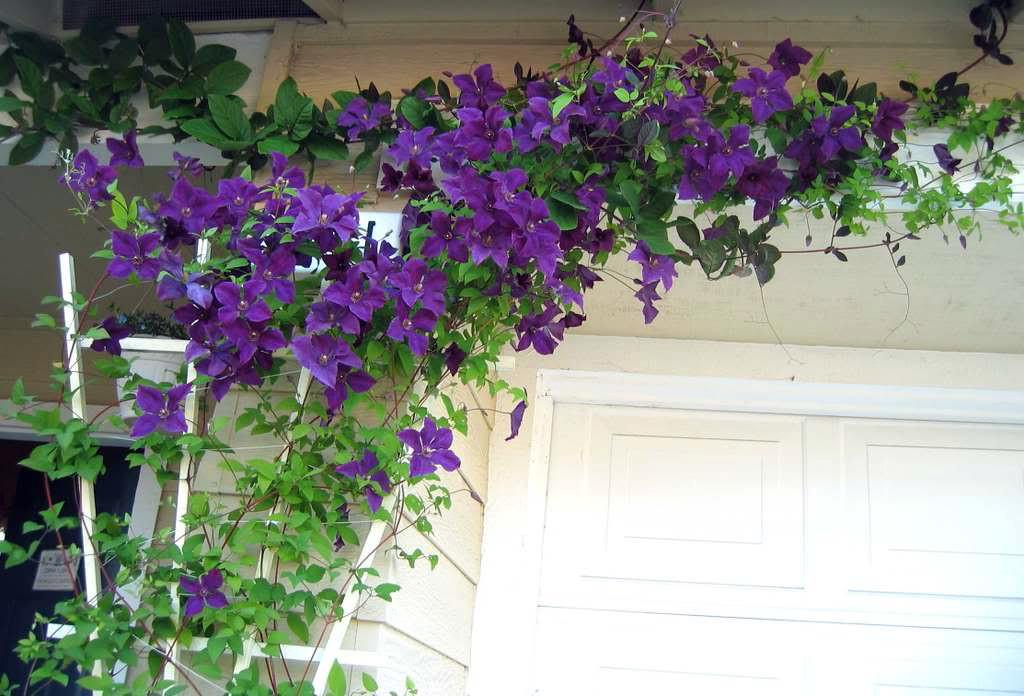
External features of the flower:
- length – 3-4 meters;
- up to 100 centimeters in width;
- leaves and stems are rich green;
- powerful creeping shoots;
- flowers are textured and large;
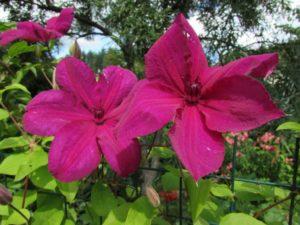
- petals are purple, violet, dark blue;
- 4-5 petals in a bud, sometimes with a light central stripe;
- the diameter of the open flower is 9 centimeters;
- stamens are white with red tips;
- yellow flower center;
- The elongated achenes reach 8 millimetres in length.
Vegetative properties of the plant:
- flowers appear only on new shoots;
- flowering begins in June and ends at the end of September;
- The variety is frost-resistant.
Polish Spirit belongs to the large-flowered Viticella group or the late-blooming Jackmani group. The cultivar is native to Poland. This shrubby vine was introduced to the International Society of Florists in the early 1990s.
The international name is Polish Spirit, which translates as “Polish spirit”.
Advantages and disadvantages of the variety
Positive aspects of clematis Polish Spirit:
- blooms all summer and early autumn;
- suitable for growing in southern, central and northern latitudes;
- flowers do not fade in the sun;
- flowering does not depend on the weather;
- decorates unsightly walls of outbuildings;
- widely used in landscape design.
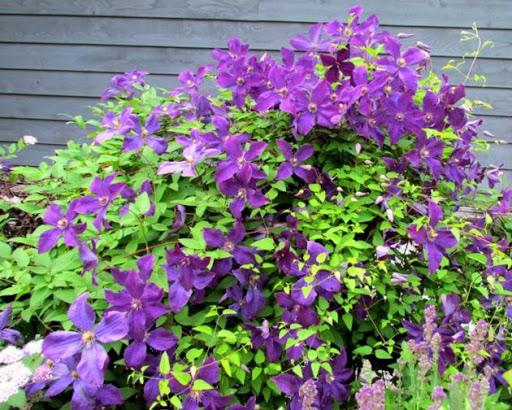
The bush grows quickly. A small seedling will become a tall vine by autumn. Polish Spirit can withstand temperatures down to -34°C (-34°F), but is sensitive to humidity and wind. Therefore, the plant still needs to be covered for the winter.
Growing conditions requirements
Favorable conditions for clematis:
- bright lighting;
- loamy, sandy loam, loose soil;
- weak, neutral soil acidity.
Plant the Polish Spirit variety in a dry, level, draft-free location. Wind at elevated elevations will damage the flowers and stems. Avoid planting clematis in low-lying areas or areas with near-surface groundwater. The plant's roots can reach a meter in length and rot from overwatering.
Climbing flowers are typically planted against the wall of a house so they can climb and twine around the structure. However, if water runs off the roof, the location is also unsuitable for clematis due to excess moisture. Maintain a 30-centimeter distance from the walls.
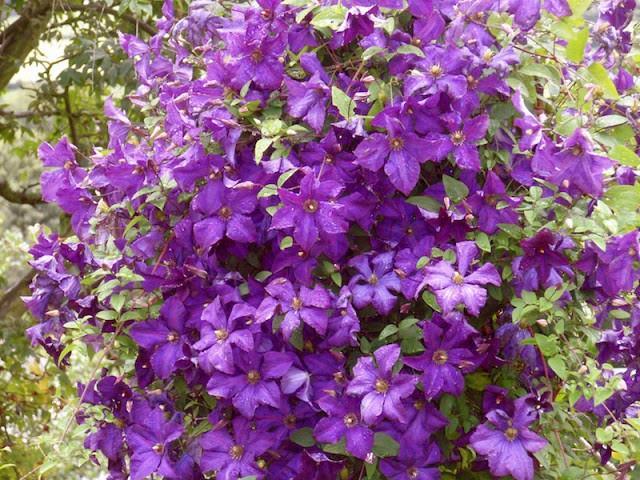
The Polish Spirit variety thrives in fertile, light soil. Clay soil should be amended with sand, and sandy soil with clay. Otherwise, the plant will struggle to absorb nutrients.
Clematis Polish Spirit doesn't grow well in the shade. It requires plenty of light to bloom. It's best planted in a moderately sunny spot, lightly shaded by trees during midday, in the east or west areas of the garden. Perennials such as calendula, chamomile, irises, and marigolds provide favorable shade for climbing flowers.
Features of planting and caring for the crop
When planting Polish Spirit clematis, it's important to ensure drainage. Be sure to place drainage material at the bottom of the planting hole.
Preparing the site and planting material
Green seedlings with strong roots are suitable for planting. Sprouted cuttings are kept in warm water with a rooting solution. Dried roots are revived by placing the plant in cold water. For the first planting, it is best to choose seedlings with closed roots.
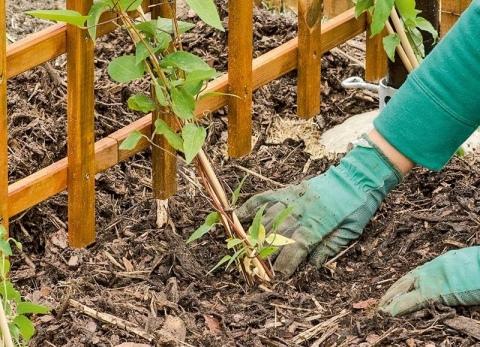
Site requirements:
- the size of the planting hole is 50-60 centimeters in length, width and height;
- a drainage layer of crushed stone, river stones and brick fragments is poured with a thickness of 10-15 centimeters;
- a layer of coarse sand and compost is placed at the bottom of the clay soil pit;
- The excavated soil is mixed with humus, sand, wood ash and 100 grams of complex fertilizer is added.
Soil mixture composition:
- ½ part of the earth;
- ¼ sand;
- ¼ humus.
Place a soil mixture in the bottom of the hole, lower the seedling, and cover it with soil so that 10 centimeters of the plant's root collar remains above the surface. This precaution will protect the roots from freezing in the winter. In the fall, fill the hole with soil until it reaches the surface. Mulch the top with dry grass and coarse sand.
Optimal time and sowing patterns
The Polish Spirit variety is planted from April to September. In southern regions with late winters, the flowers will have time to root after planting in October. Leave 70 centimeters between plants. The shoots spread quickly, so closely planted bushes will intertwine and block each other's light.
Conditions for growing seedlings
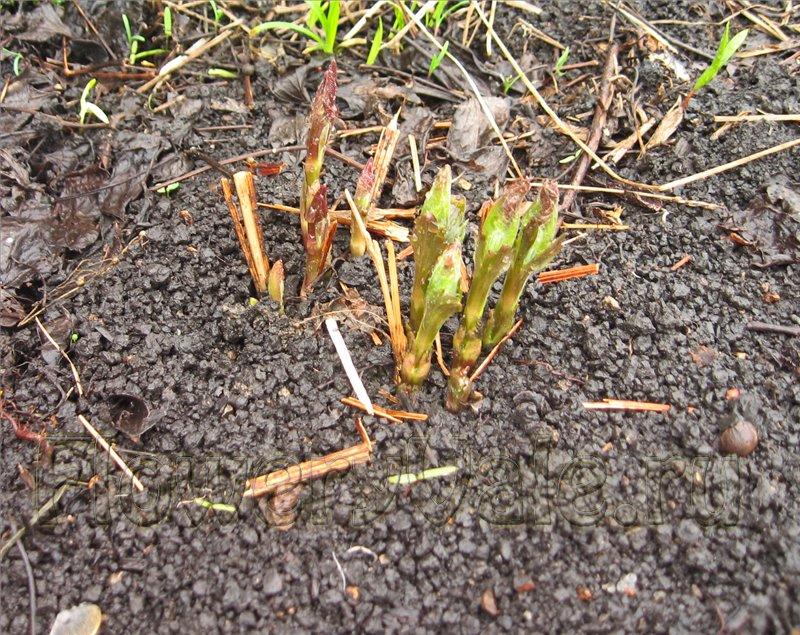
Young seedlings in containers are planted outdoors at any warm time of year. They are removed from the pot along with the soil ball. In the south, planting is also done in the fall. Seedlings with developed buds have time to establish themselves before the late frosts.
Clematis should not be planted in frozen ground. Seedlings should be stored in a cool place at a temperature of 5°C (41°F) until spring. The roots should be covered with damp sand mixed with sawdust. If shoots begin to grow on the seedlings in winter, they should be pinched back.
Watering and fertilizing
The fresh seedling is watered and the roots are covered with peat. After planting, clematis does not need fertilizing, as fertilizer has already been added to the planting hole. When watering, it's important to maintain a balance: plants need ample moisture but dislike dampness. Therefore, the soil must be well-drained. Drainage installed at planting will prevent stagnation. Clematis are watered in the morning once a week. Young seedlings require one bucket of water during the first year. Mature plants require three to four buckets.
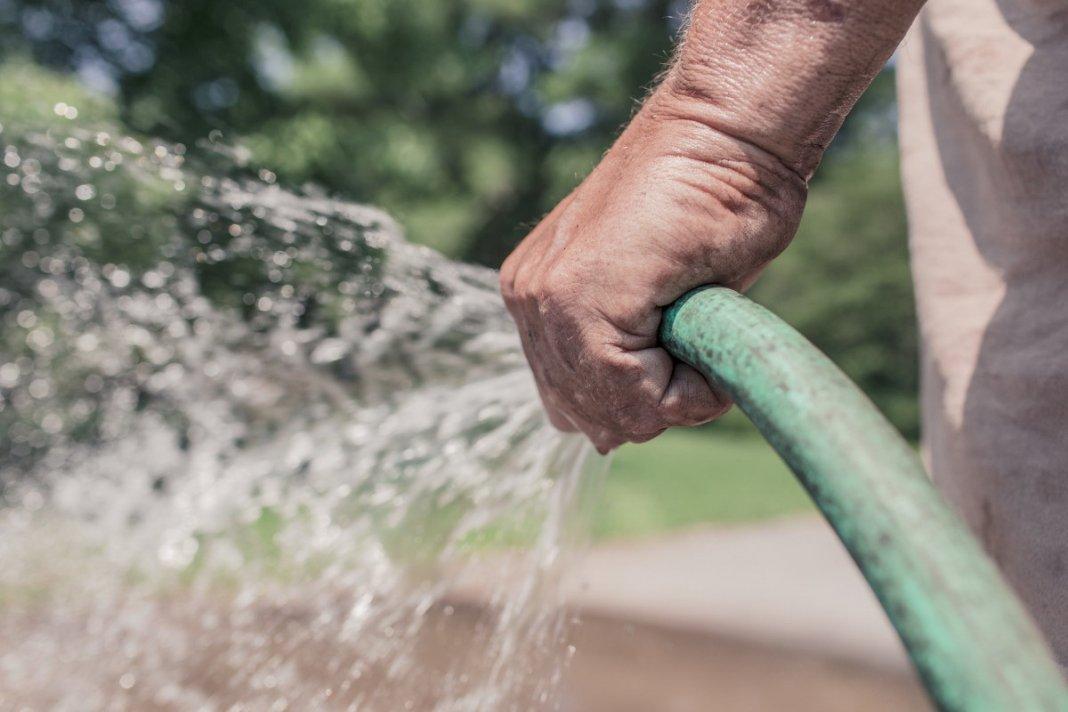
To ensure sufficient oxygenation of the soil after watering, loosen it afterward. Mulching will prevent water evaporation, root rot, and weed growth. Clematis roots can grow close to the ground. To avoid damaging them, it's best to mulch the soil. This covering will make plant care easier.
During rainy seasons, clematis don't require additional watering; just lightly loosen the soil. To prevent root rot, the underside of the trunk is covered with wood ash. During dry periods, water the flowers 2-3 times a week, depending on how quickly the soil dries out. The soil should be moderately moist, but not dry or soggy.
Plant fertilizing
Fertilizer application guidelines:
- In spring, plants need nitrogen for shoot growth and foliage formation;
- when buds appear, potassium and phosphorus are added for long and abundant flowering;
- In summer and until the end of flowering, clematis is not fertilized;
- In the fall, phosphorus fertilizer is again applied under the faded bushes.
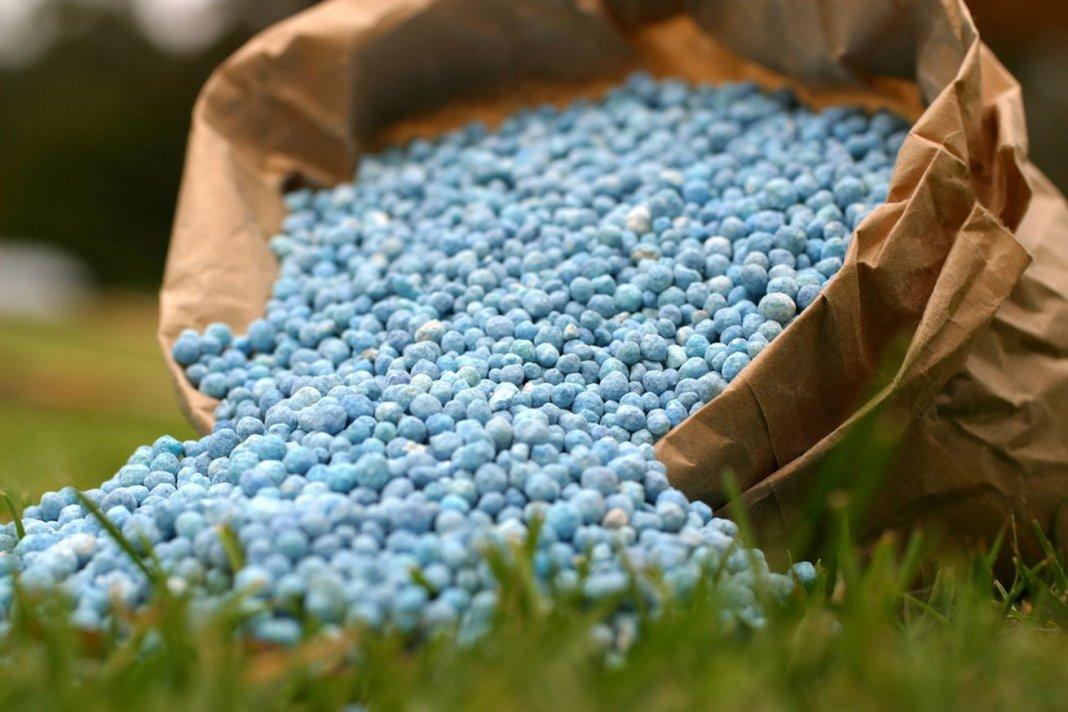
Fertilizers are dissolved in water for irrigation. During flowering, wood ash can be sprinkled around the roots.
Trimming and installing the support
Support is installed immediately upon planting, as climbing clematis grow quickly. The vertical frame should not touch the wall of the structure. Horizontally positioned shoots produce more flowers. They are spread and secured in a fan shape. Trellis supports are used to form arches, pyramids, and walls.
Old, faded shoots are pruned completely, as they will not produce flowers the following year. Only new shoots bloom. To encourage the flower to grow wider, pinch the upper shoots in the spring, leaving a single, strong shoot 20-30 centimeters long. In the fall, leave 10 centimeters of stems with 2-3 buds, which will produce new shoots in the spring.
Shelter during the winter period
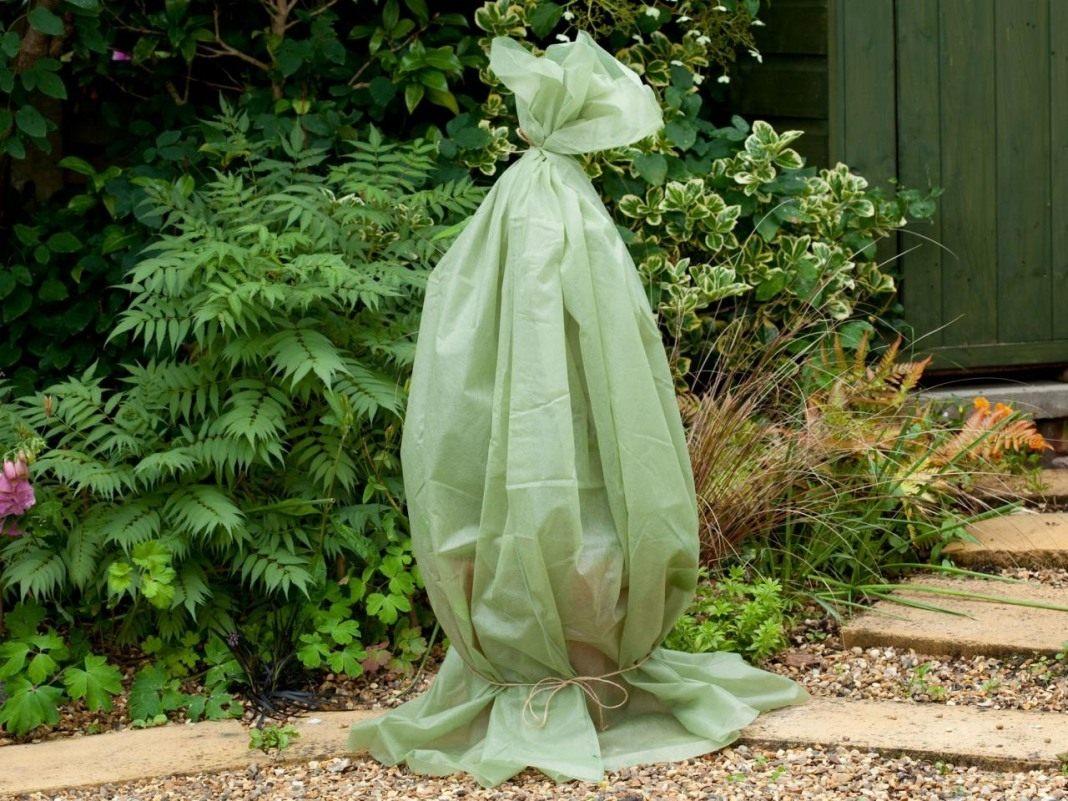
Trimmed clematis bushes are hilled with compost at the first frost. The mounds are made 15 centimeters high. The mounds are covered with wooden boxes and spruce branches. A hard covering such as roofing felt or tar paper can be used instead of spruce branches. The structure is then covered with a 20-centimeter layer of peat or soil.
Diseases and pests
Fungal diseases that occur due to waterlogged soil are common among clematis:
- Powdery mildew—a white coating appears on leaves and stems. Affected shoots are pruned, and the bush is treated with the fungicide Kratan;
- Rust—leaves become covered with red and brown spots and fall off. The flower stops growing. Affected leaves are removed, and the bushes are sprayed with Bordeaux mixture;
- Wilt—develops during drought and manifests itself as a general wilting of the bush. The plant cannot be saved. It is dug up, and the soil is treated with a fungicide.
Clematis pests include mole crickets, nematodes, aphids, spider mites, and slugs. The flowers also attract moles.
Reproduction technique
Clematis are propagated in two ways:
- dividing the bush - suitable for mature 5-year-old plants, the bushes are dug up and divided into parts, leaving 2-3 buds in each;
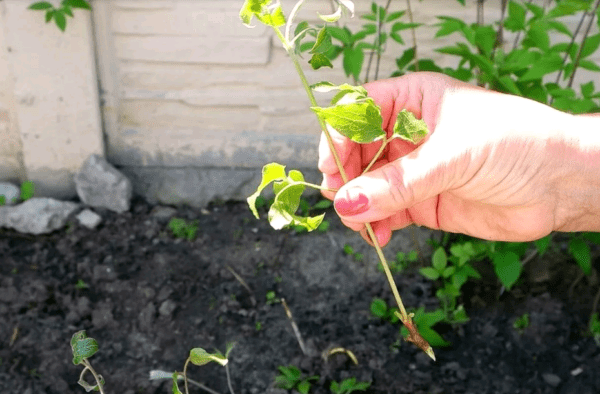
- Green shoots—young and old bushes are propagated; in the spring, a new shoot is separated and secured in the ground. Once the shoot has taken root, it is separated and replanted.
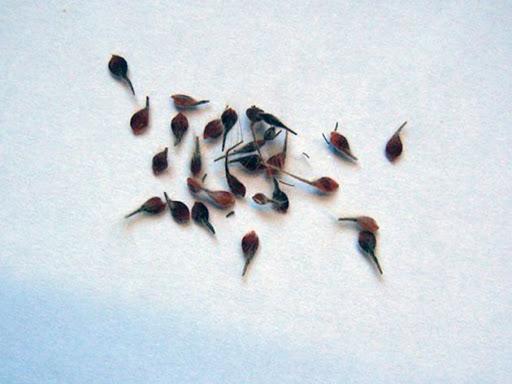
In the fall, the plants produce seeds. They can be stored for up to four years in paper bags at a temperature of 18-23 degrees Celsius. However, the longer they are stored, the lower the germination rate.
Seed method
Fresh seeds are used in breeding and planted in early winter. A soil substrate is required for planting. First, soak the seeds in room-temperature water for 10 days, changing the water four times daily. Prepare the seed substrate yourself, using equal parts humus, sand, and soil. A ready-made flower mix will also work. For seedlings, use low rectangular boxes or containers with holes in the bottom. Fill them with soil, water lightly, and plant the seeds 5 centimeters apart. Sprinkle the seedlings with a 3-4 millimeter layer of sand.
The containers are covered with glass or film and placed on trays. The seeds germinate at a temperature of 25 degrees Celsius. The covers are removed for 5-10 minutes every day to allow the seeds to air out, otherwise they will become moldy from excess condensation. The soil is not watered from above; water is poured into the trays.
Seedlings with 2-3 leaves are transplanted into individual pots. In the spring, they are planted in a shaded area of the garden, and the upper shoots are pinched to encourage widening and root development.
In the fall, the seedlings are covered and left to overwinter in the garden. When the weather warms up in April, they are transplanted into a trench 5-7 centimeters deep, spaced half a meter apart. After two years, the roots of the seedlings will have grown to 15 centimeters long, and they can be transplanted to their main spot in the flowerbed.
Examples of use in landscape design
Polish Spirit clematis is used in single and mixed arrangements, in summer and fall. The purple flowers are paired with contrasting white roses or red barberries. They are also planted alongside conifers and shrubs, as well as yellow forsythias.
Clematis is most often used to decorate gazebos, hanging in pots on verandas, or planted near porches. The stems of the plants grow upward and twine around railings.
For clematis with dark flowers, you need to choose a light background so that the composition does not look gloomy.
Gardeners' reviews of the variety
The long-flowering and vibrant clematis Polish Spirit is an unpretentious variety, but gardeners were suspicious of it.
Summer residents share their experiences growing this variety:
- Maria from Syzran considered clematis to be a fickle flower. But one day, she came across a Polish seedling. After careful care in the summer, pruning in the fall, and overwintering under cover, the bush pleasantly surprised the breeder. The plant grew vigorously and twined, and numerous flowers blossomed on the shoots.
- Evgeniya from Tula was skeptical about the dark color of Polish Spirit's flowers and their winter hardiness, as other varieties froze. However, the Polish variety overwintered successfully. The breeder used the climber to decorate a wooden wall. She was delighted with the combination of the dark purple flowers with the pink roses.
- Natalya from Moscow admiringly describes the blooming Polish Spirit as a cloud of fluttering butterflies. It has taken root so well in her garden that it requires no additional care other than watering and winter shelter.
Gardeners create decorative arrangements with clematis. Purple Polish Spirit is planted next to blue irises, herbaceous hibiscus, and pink and white clematis varieties.
Related posts:
 Description of clematis varieties, planting and care in open ground, and propagation methods
 The best varieties of clematis of the 3rd pruning group with descriptions and characteristics
 The best eggplant varieties for growing in a polycarbonate greenhouse: planting and care
 Description and characteristics of the clematis variety Comtesse de Bouchaud, planting and care instructions
 How to fertilize clematis in the fall, rules for applying fertilizers
 How to prune grapes step by step for beginners
 Top 15 Korean Chrysanthemum Varieties, Planting and Care in the Open Ground
 Description and characteristics of the clematis variety Ville de Dion, planting and care instructions