
- General description of Korean chrysanthemum
- The most beautiful varieties and cultivars
- Lelia
- Pectoral
- Gompi red
- Oak tree
- Umka
- Ivona
- Michelle
- Linda
- Pompom bronze
- King Arthur
- Olina
- Pink
- Dawn
- Gompi yellow
- Winter-hardy variety Sun
- Features of cultivation
- Site and soil requirements
- Timing and planting patterns for chrysanthemums
- Favorable and unfavorable neighbors for a flower
- Watering and fertilizing
- Loosening and mulching the soil
- Trimming
- Preventive treatments
- Insects
- Diseases
- Preparing for winter
- Rules of flower propagation
- Seeds
- By dividing the bush
- Cuttings
- Examples of use in landscape design
Chrysanthemums are used to decorate flowerbeds and rock gardens, create floral arrangements, and are used as cut flowers. There are large-flowered and small-flowered varieties. The Korean chrysanthemum produces numerous small flowers in a variety of colors. Below is information about the most popular varieties, as well as how to grow them in your garden.
General description of Korean chrysanthemum
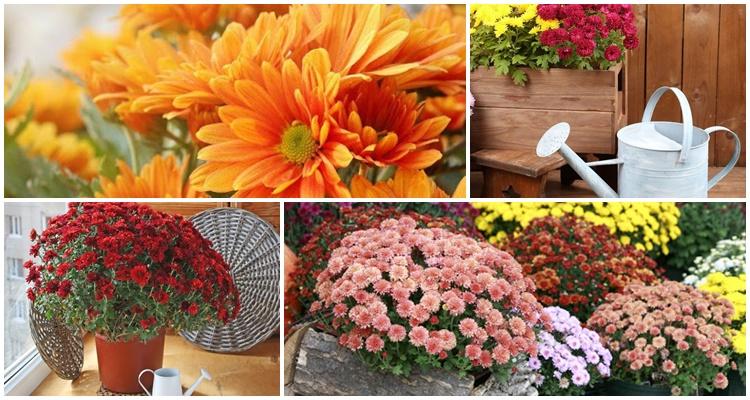
This plant was artificially bred by breeders. It is based on the garden chrysanthemum. These perennial plants are highly frost-resistant, making them suitable for cultivation even in harsh climates. Korean chrysanthemums are classified as low-growing, medium-growing, and tall. Accordingly, the bushes reach heights of 30, 50, and 100 centimeters. The plant produces numerous flowers of varying colors. The buds of early-blooming Korean chrysanthemums begin to open in August. You can admire the beautiful flowers until the first frost.
Additional information! Chrysanthemums are called short-day plants because their flowers begin to form as daylight hours begin to wane.
The most beautiful varieties and cultivars
Breeders have developed many varieties of Korean chrysanthemum. The most beautiful are as follows.
Lelia
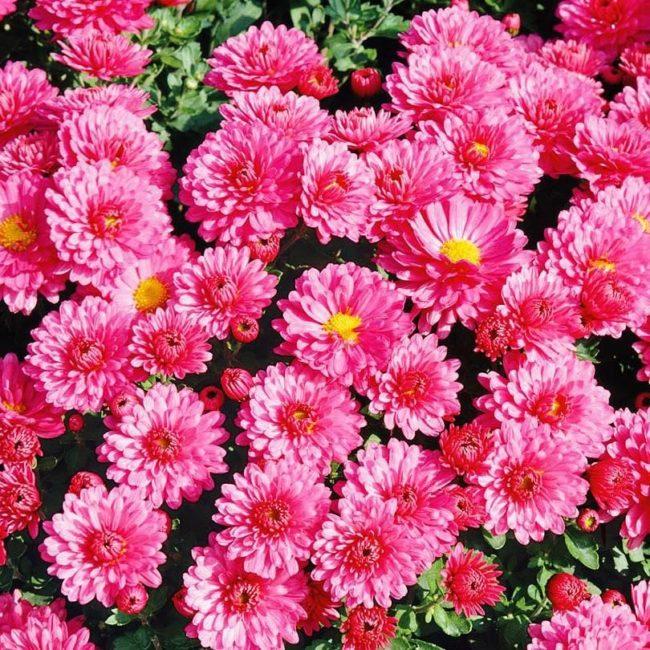
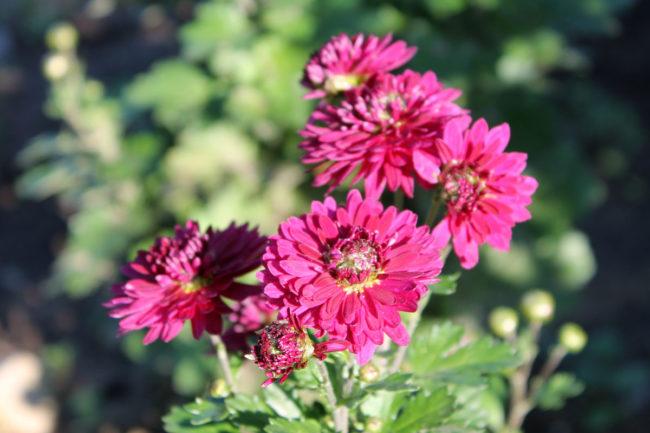
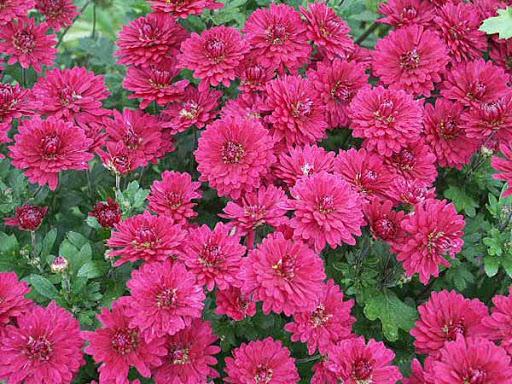
The bushes reach a height of 80 centimeters. Lelia is a small-flowered chrysanthemum. The center of the bud is crimson. The edges of the petals are pink. This variety is also known as Lily.
Korean chrysanthemum blooms in early autumn.
Pectoral
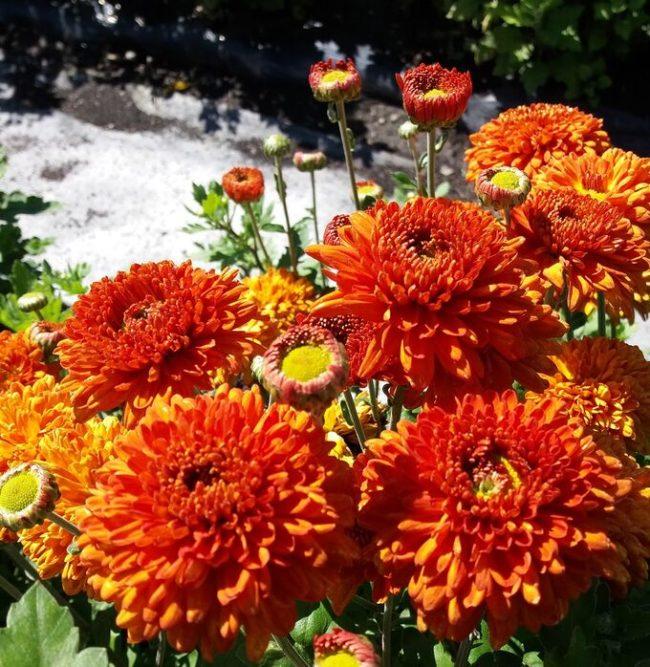
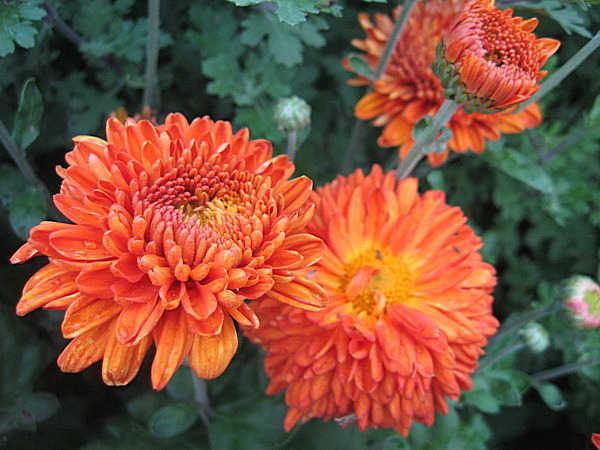
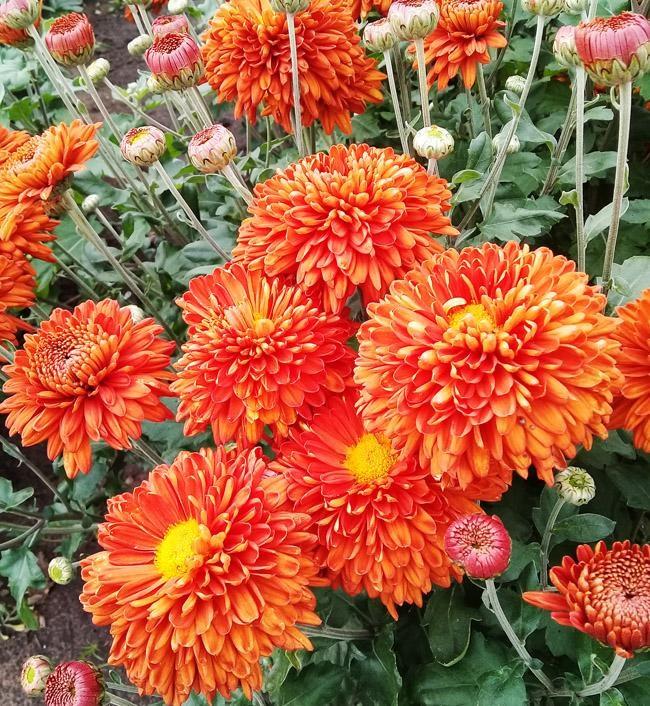
The mature bush reaches 60 centimeters in height. The flower's center is reddish-orange. The edges may lighten over time. The buds, 8-10 centimeters in diameter, begin to bloom in August.
Pectoral blooms until the cold weather sets in.
Gompi red
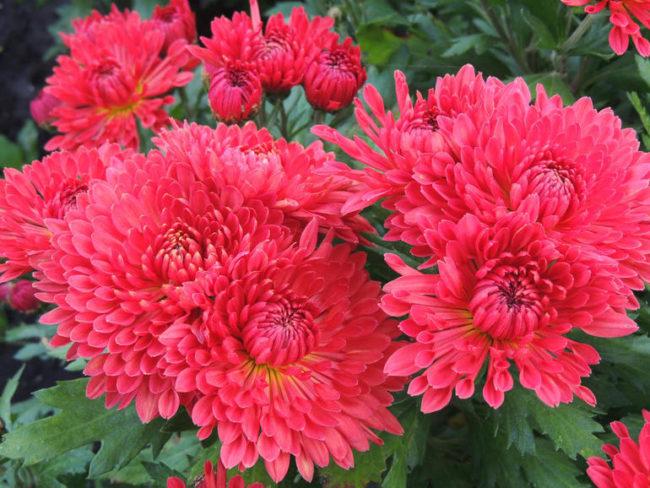
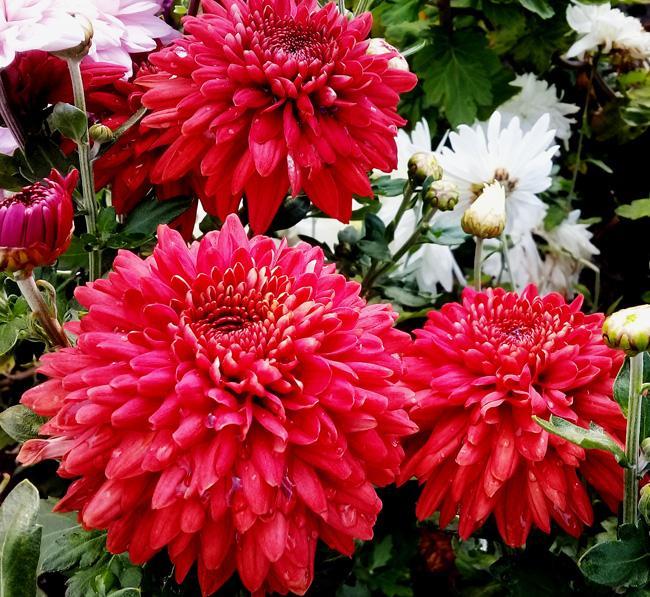
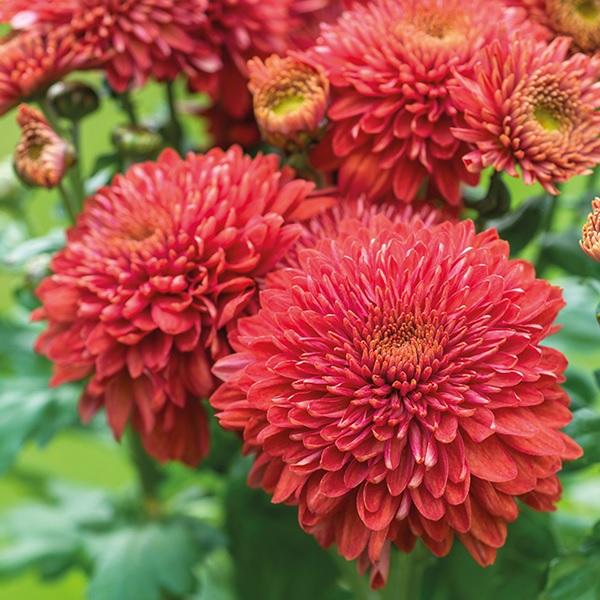
The stems reach a height of 70 centimeters. The bushes are covered with burgundy flowers. The double buds are 10 centimeters in diameter. The flowers begin to bloom in late summer.
Korean chrysanthemum Gompi red serves as a decoration for the autumn garden.
Oak tree
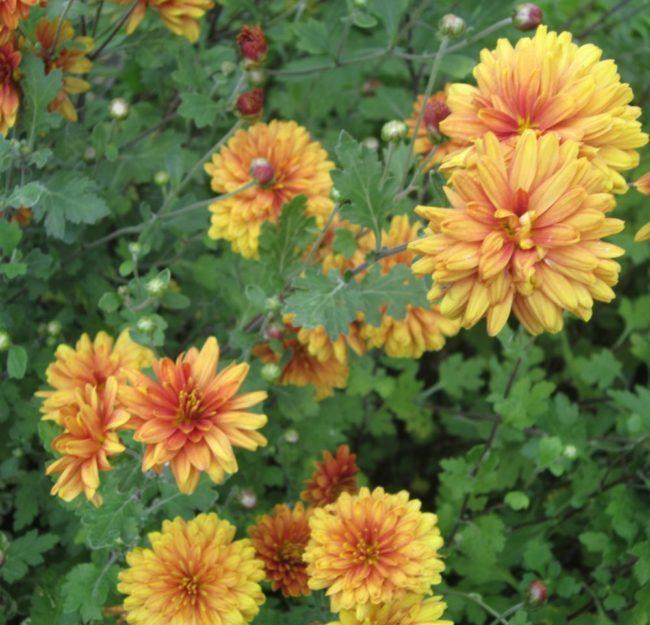
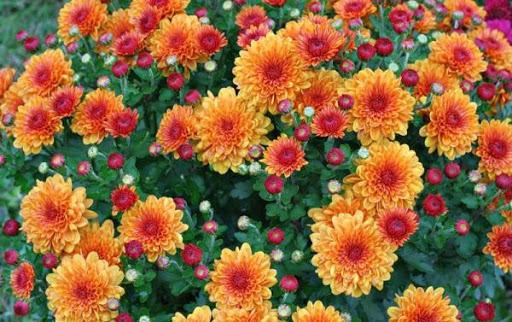
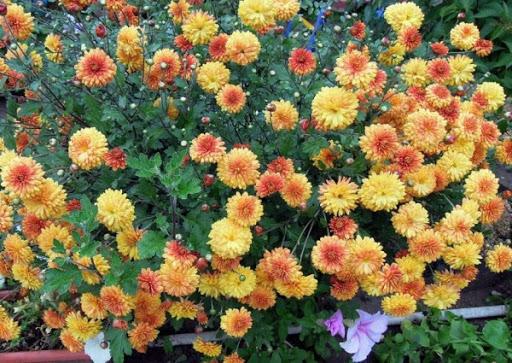
The bushes grow shoots 40-50 centimeters tall. The buds are yellow-brown. The inflorescences open in early August.
Oak flowers are planted singly or in a group with other plants.
Umka
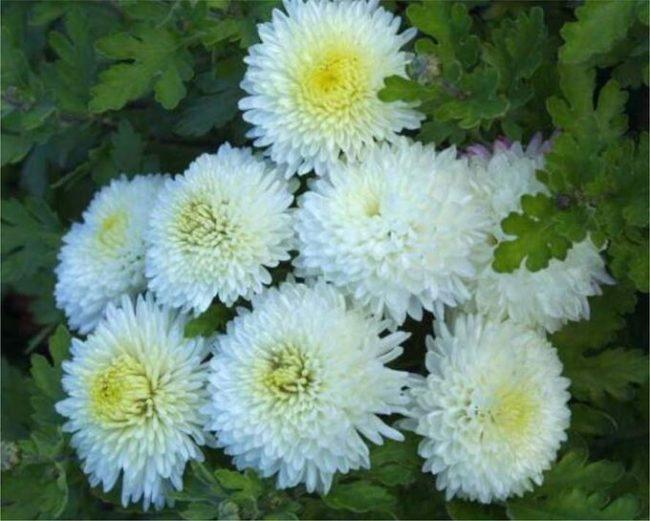
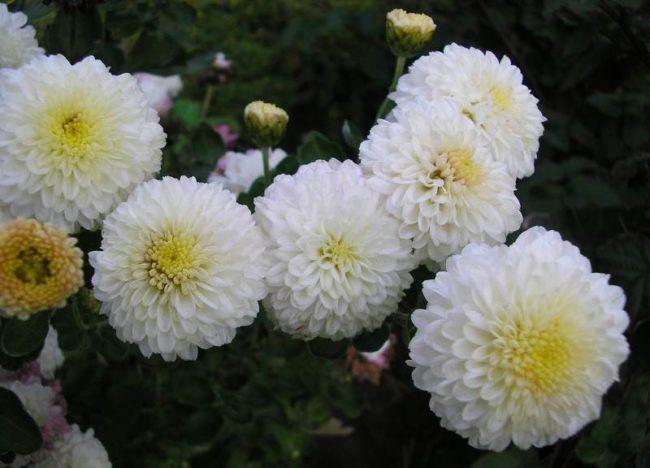
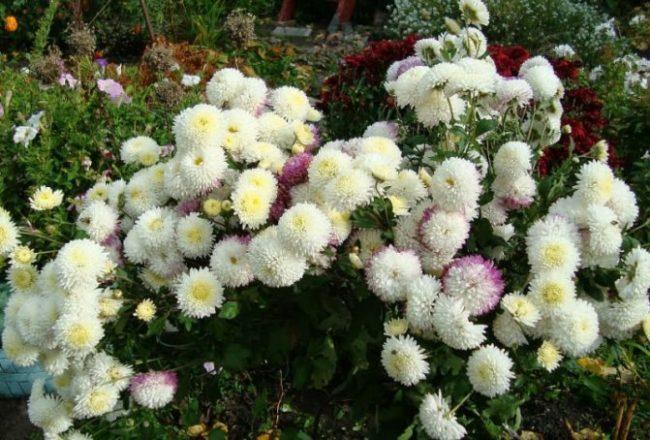
The maximum height of this plant is 70 centimeters. The pompom-shaped, double flowers reach 7 centimeters in diameter and are white.
Over time, the white flowers may change color, acquiring a lilac or lingonberry hue.
Ivona
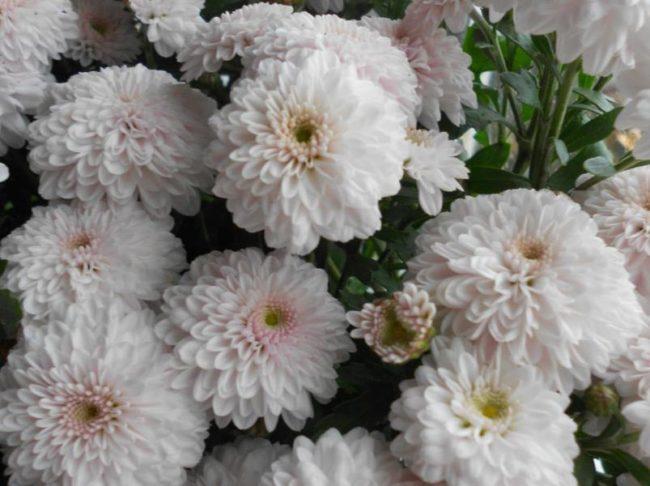
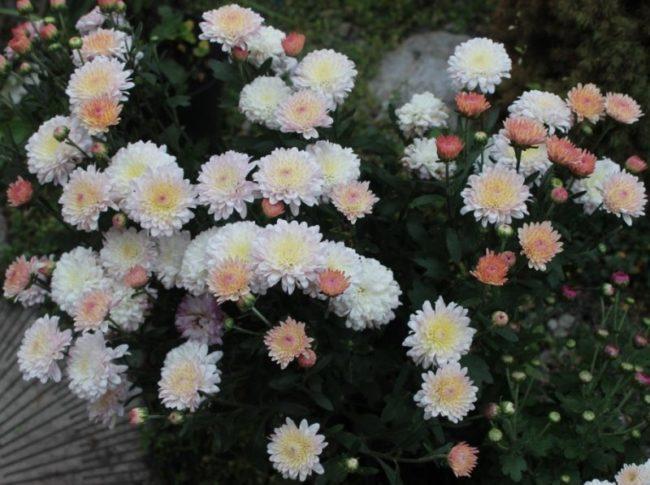
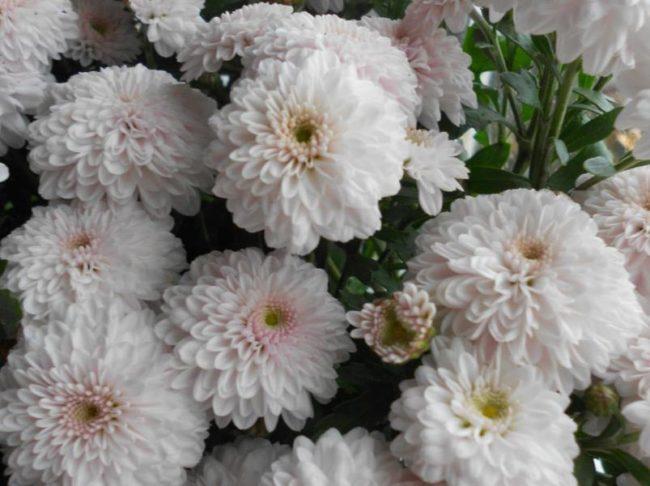
This variety is a low-growing Korean chrysanthemum. The bushes grow to a height of no more than 30 centimeters. The inflorescence consists of buds 3 centimeters in diameter. The flower center is coral-pink, and the petal edges are creamy.
Low-growing chrysanthemums are used as borders and planted in beautiful containers.
Take a look Also
Michelle
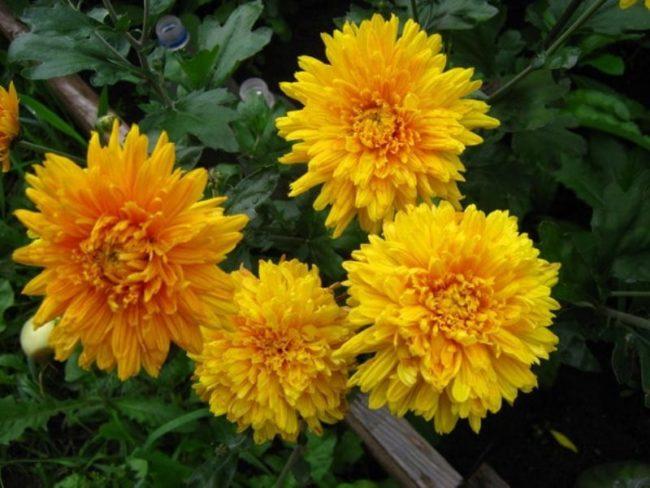
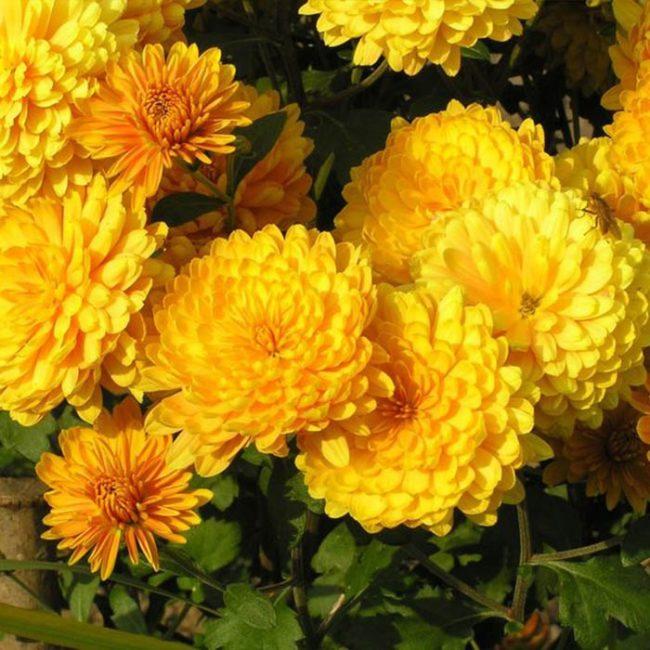
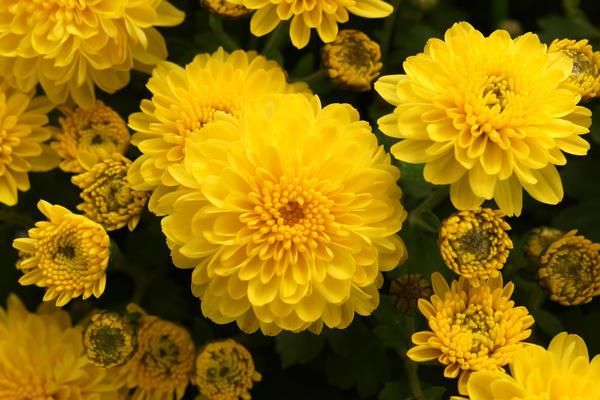
The plants grow to 40 centimeters tall. The buds are yellow and pompom-shaped, no more than 4-4.5 centimeters in diameter. Lush flowering begins in early September.
Michelle blooms from August until frost.
Linda
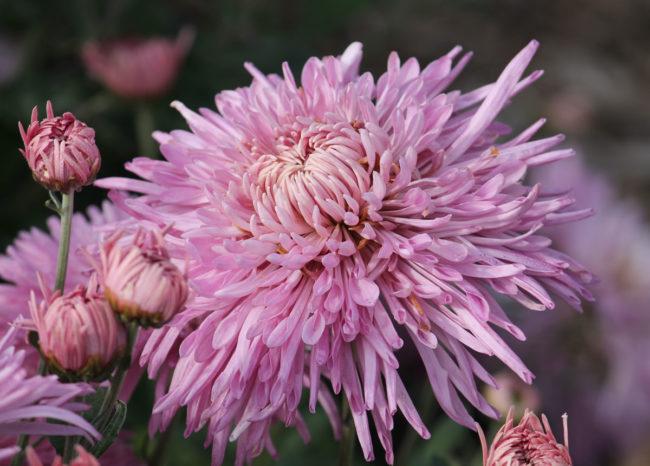
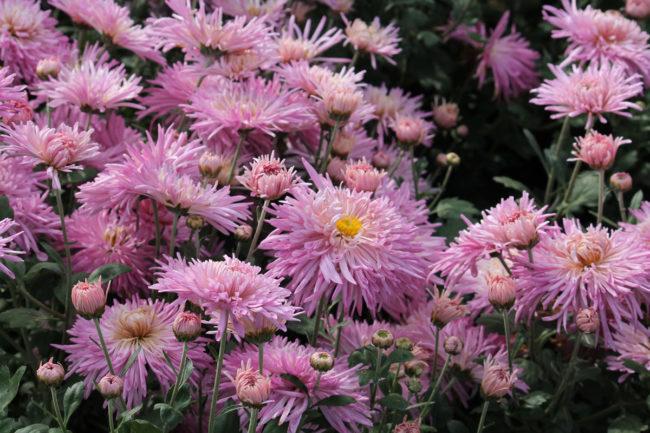
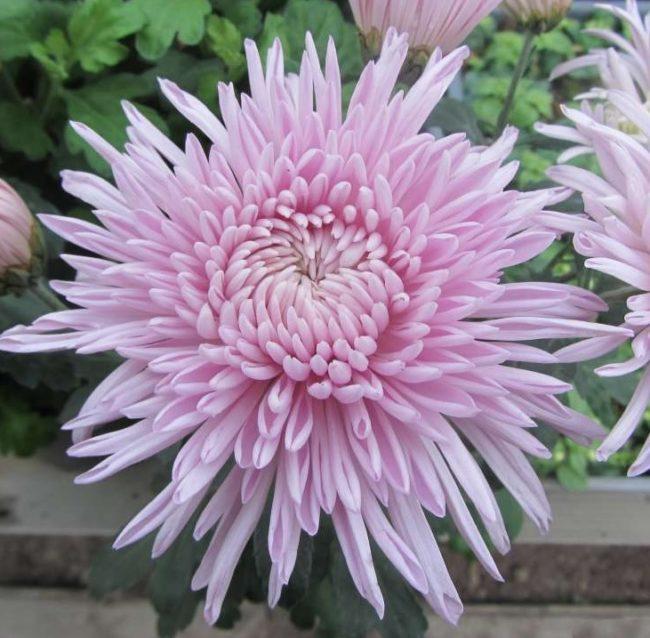
The bushes reach a height of 60 centimeters. They bear soft pink, double buds. The flowers, with their needle-like petals, are 8 centimeters in diameter.
Linda's buds begin to bloom in mid-August.
Pompom bronze
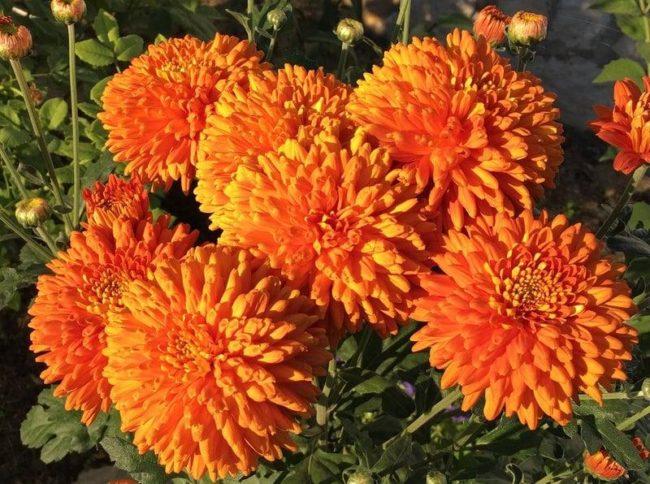
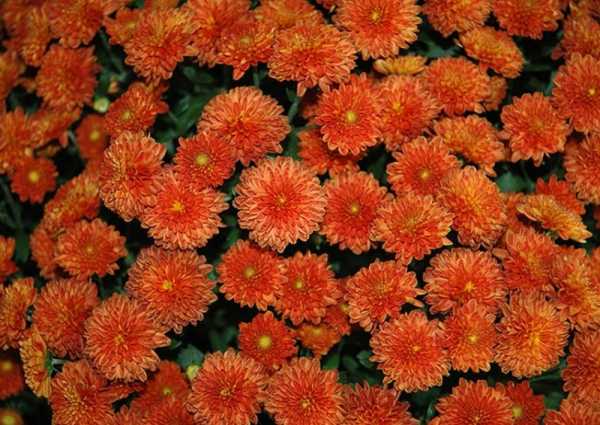

Korean chrysanthemum bushes reach a height of 60-70 centimeters. Orange flowers bloom in August. The buds are 7 centimeters in diameter.
Pompom bronze is used for garden decoration and for cutting.
King Arthur
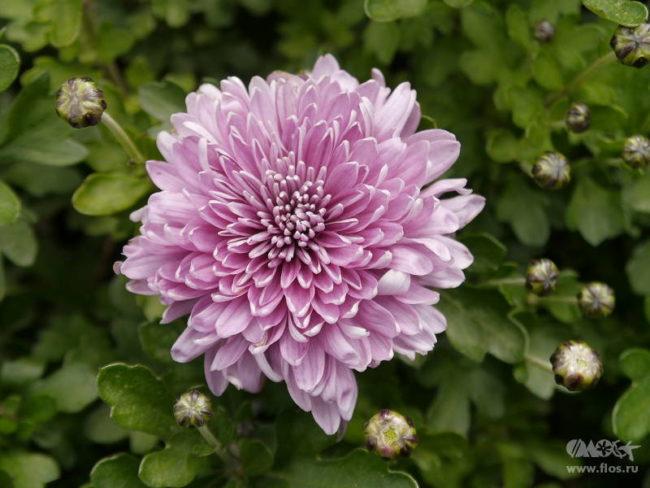
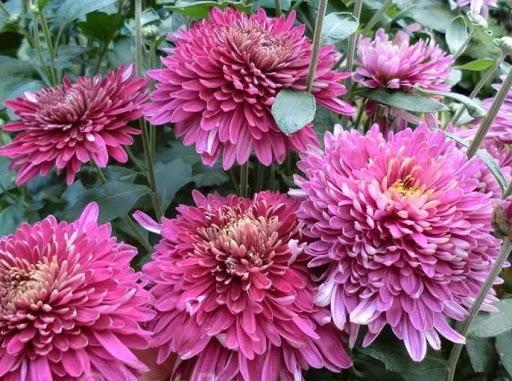
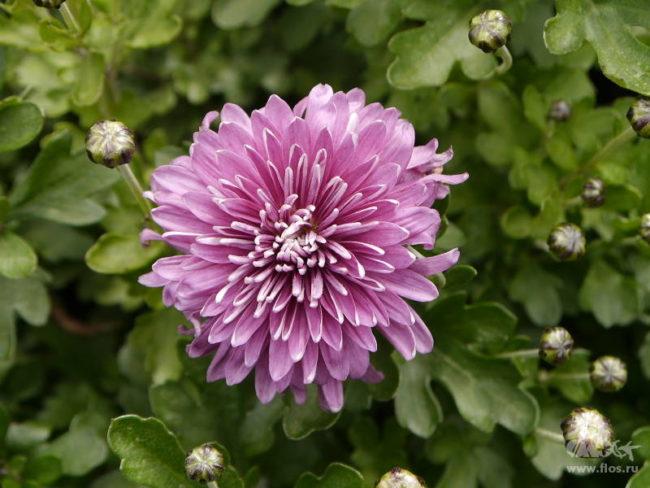
Chrysanthemums grow to a height of 60-70 centimeters. The center of the bud is dark lilac. The edges of the petals are light lilac. When fully opened, the buds reach a diameter of 6-7 centimeters.
King Arthur serves as a garden decoration in August and September.
Olina
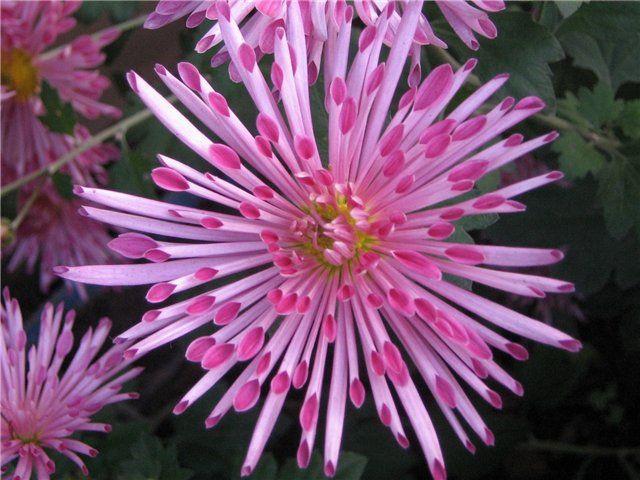
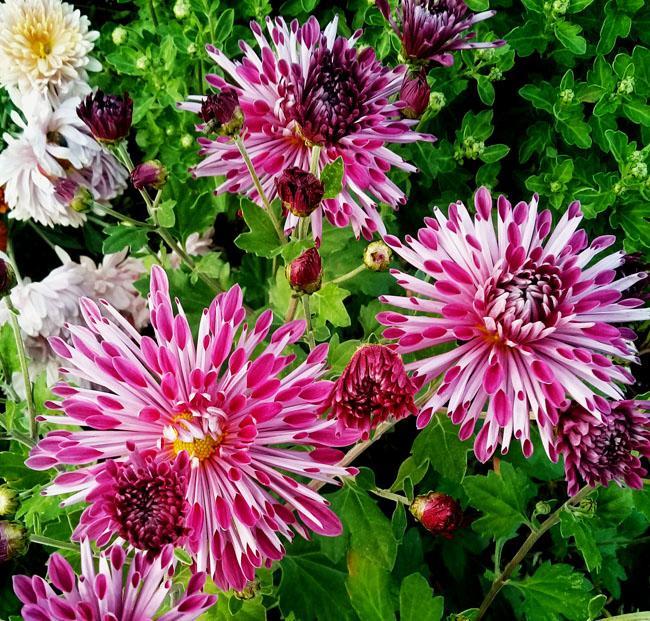
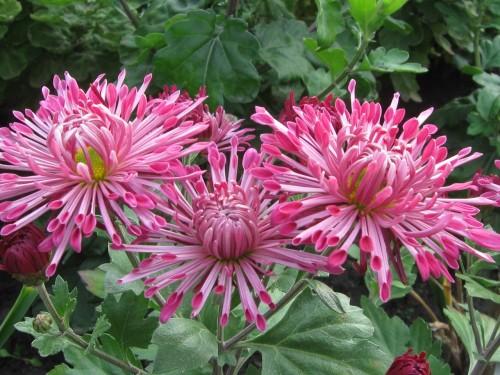
The plant attracts attention with its tubular lilac inflorescences. The petal edges resemble a syringe needle cut at an angle. The height of the bushes is 60-80 centimeters, and the diameter of the buds is 7-10 centimeters.
Olina blooms in early autumn.
Pink
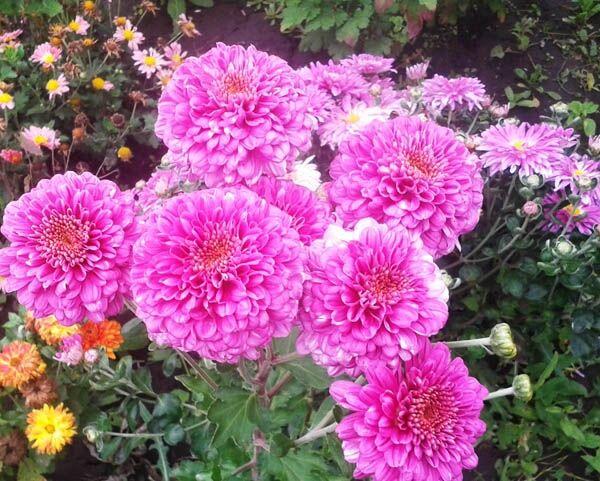
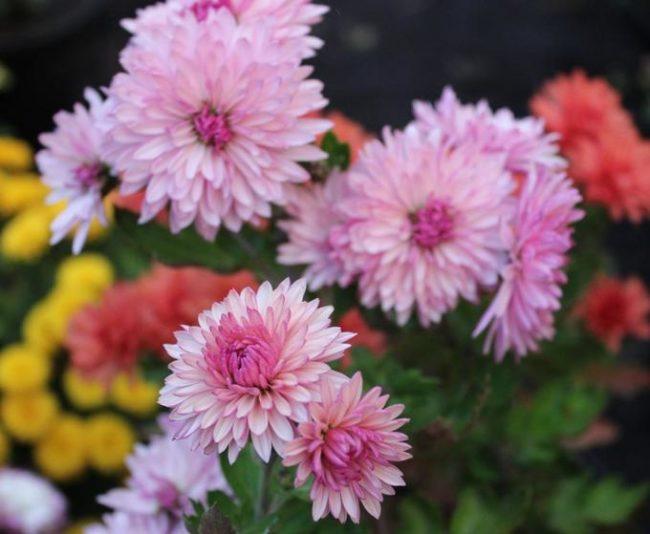
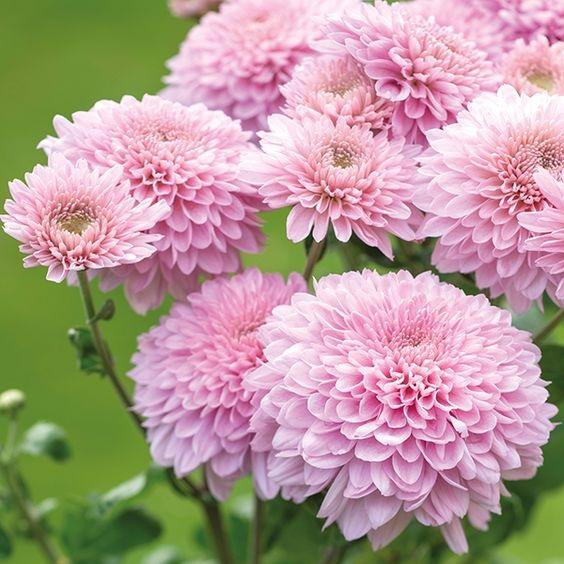
There are many varieties of Korean chrysanthemum with pink buds. The tall Haydar Pink, with its petals edged in white, is striking. The Sund Pink variety has soft pink petals; the bush grows to about 30 centimeters tall.
Chrysanthemums with pink petals add a delicate touch to the autumn garden.
Dawn
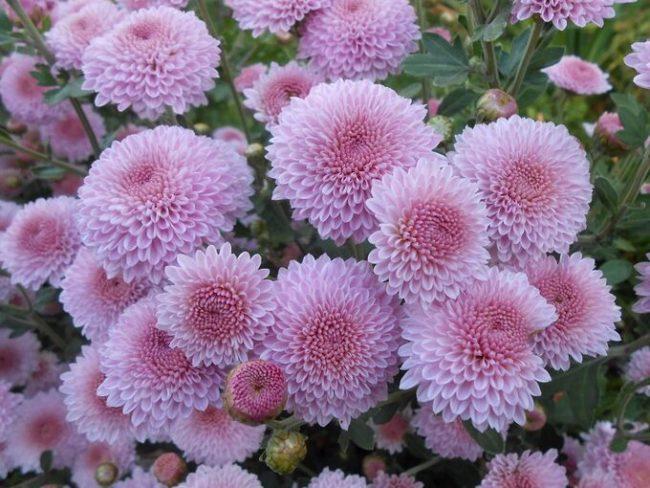
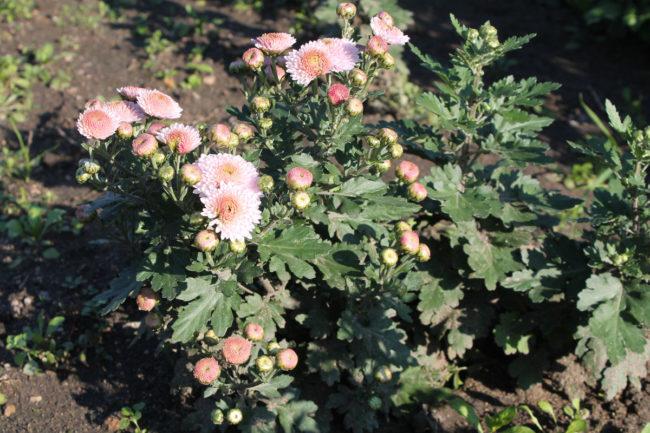
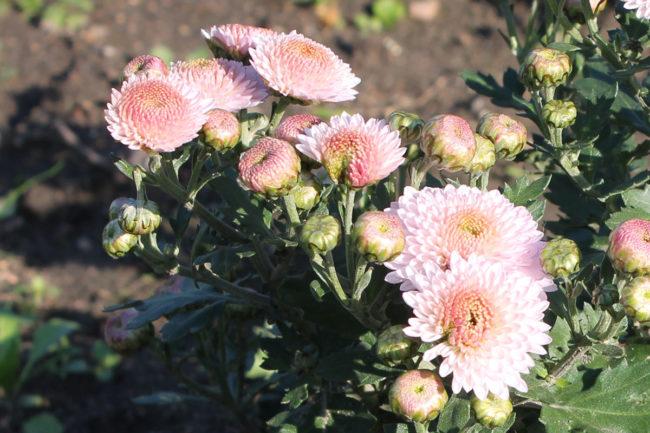
Korean chrysanthemum bushes reach 90 centimeters in height. The flowers are small and double, no more than 4 centimeters in diameter. The buds are a soft pink.
Chrysanthemum Dawn blooms in August and September.
Gompi yellow
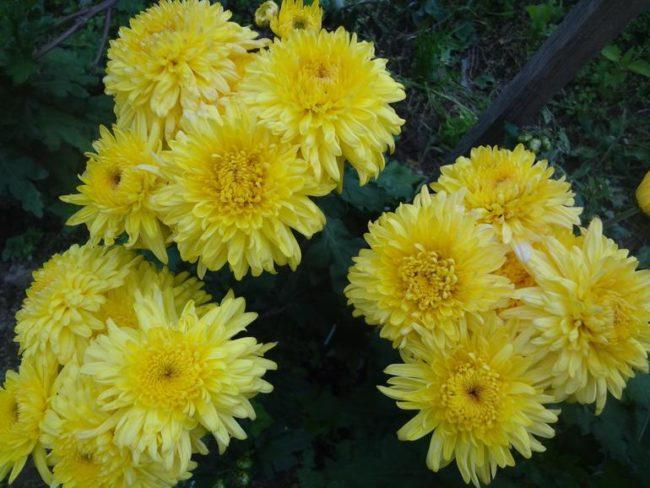
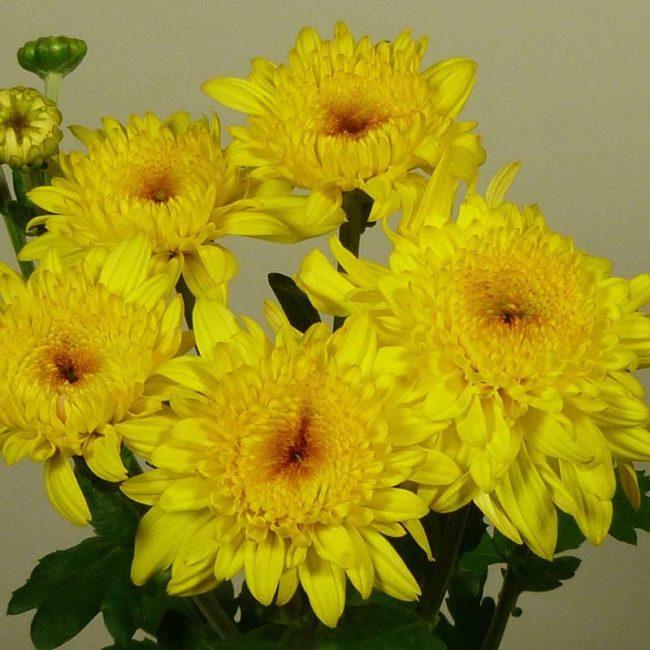
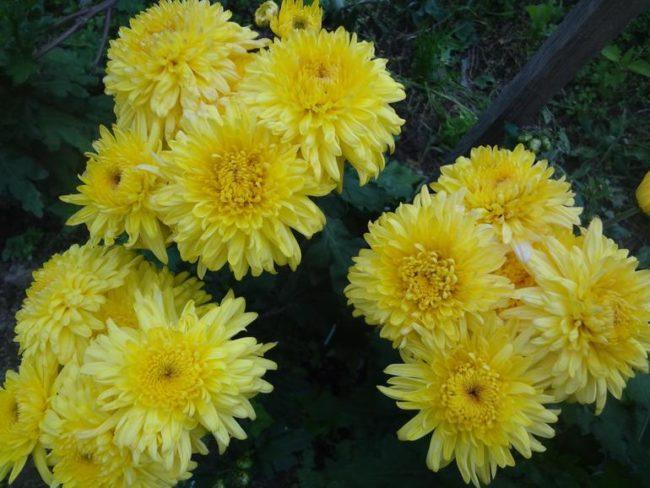
The mature bush reaches 60 centimeters in height. The buds are bright yellow and reach 10 centimeters in diameter. Flowering occurs in late August.
You can decorate a room with flower shoots by placing them in a vase of water.
Winter-hardy variety Sun
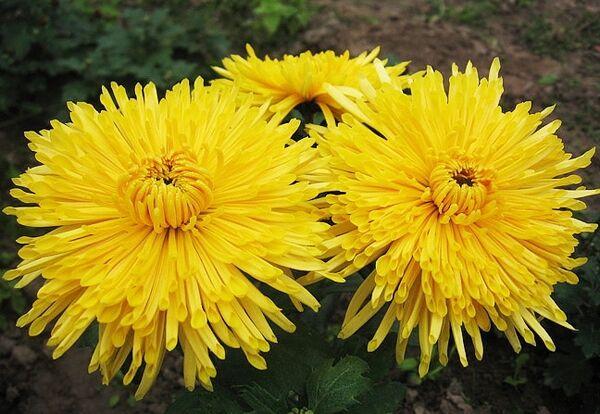
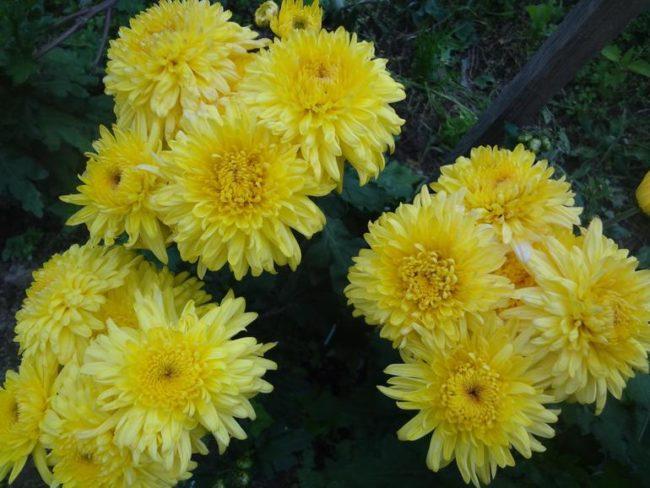
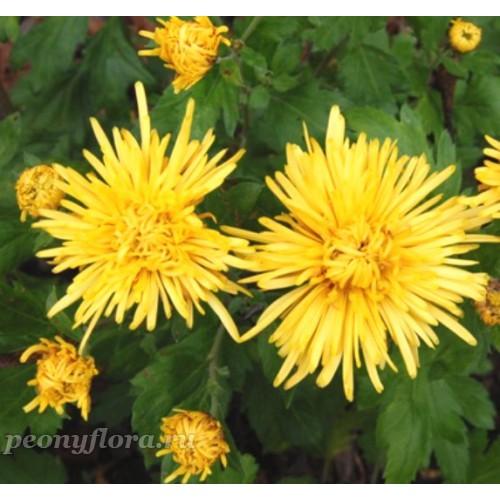
The bushes reach a height of 80 centimeters. The buds are yellow. The flowers are large: 10 centimeters in diameter. The Korean chrysanthemum "Solnyshko" (Sunshine) decorates the garden in autumn.
Chrysanthemum Solnyshko can be planted alone or combined with other crops.
Features of cultivation
Korean chrysanthemums are grown both outdoors and indoors. The former is the most common. Although the plants bloom only in late summer, they require care from early spring.
Site and soil requirements
Choose a sunny location for planting chrysanthemums. In the shade, shoots stretch, become thinner, and flowers become smaller. The area should be free of stagnant water, otherwise the flowers can become infected with fungus. Therefore, the bushes are planted at a slight elevation, and drainage is added to the planting hole.
Loam soil is best for planting chrysanthemums. If the soil is sandy, frequent watering will be required. The soil pH should be neutral. Nutrients should be added to depleted soil.
Timing and planting patterns for chrysanthemums
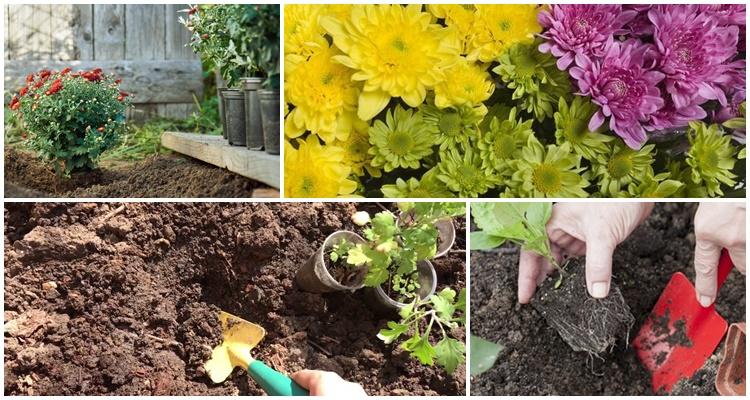
Korean chrysanthemums are planted outdoors in spring or fall. They take root easily and require little care. In spring, planting occurs after the threat of frost has passed. In fall, the bushes are planted a month before the expected frost.
Planting is carried out as follows:
- dig holes 30 centimeters deep at a distance of 30-50 centimeters;
- drainage is placed on the bottom, then a layer of soil mixed with fertilizer;
- plant bushes and cover them with soil;
- watered generously.
The ground around the bushes is sprinkled with mulching material.
Favorable and unfavorable neighbors for a flower
Chrysanthemums thrive alongside each other. Plant bushes of similar sizes nearby. When planting other crops nearby, consider the leaf shape and flower bud color. The plants should complement each other beautifully. This will ensure a harmonious flowerbed.
Avoid planting significantly taller plants near Korean chrysanthemums. Otherwise, they will block sunlight and draw nutrients from the soil. Planting near members of the buttercup family is also undesirable. Marigolds and sage, on the other hand, can repel harmful insects from chrysanthemums.
Watering and fertilizing
Watering and fertilizing play an important role in plant care. Irrigate after the top layer of soil has dried. Plants especially need moisture in the summer. Use settled water for watering. Overhead irrigation is avoided, as this can expose the bushes to fungal diseases. Nitrogen fertilizers are applied 2-3 weeks after spring planting. These promote vigorous growth. Potassium-phosphorus fertilizers are then applied to promote the formation of numerous buds. Fertilizing is not recommended during the flowering period.
Important! Apply nutrients after thoroughly moistening the soil.
Loosening and mulching the soil
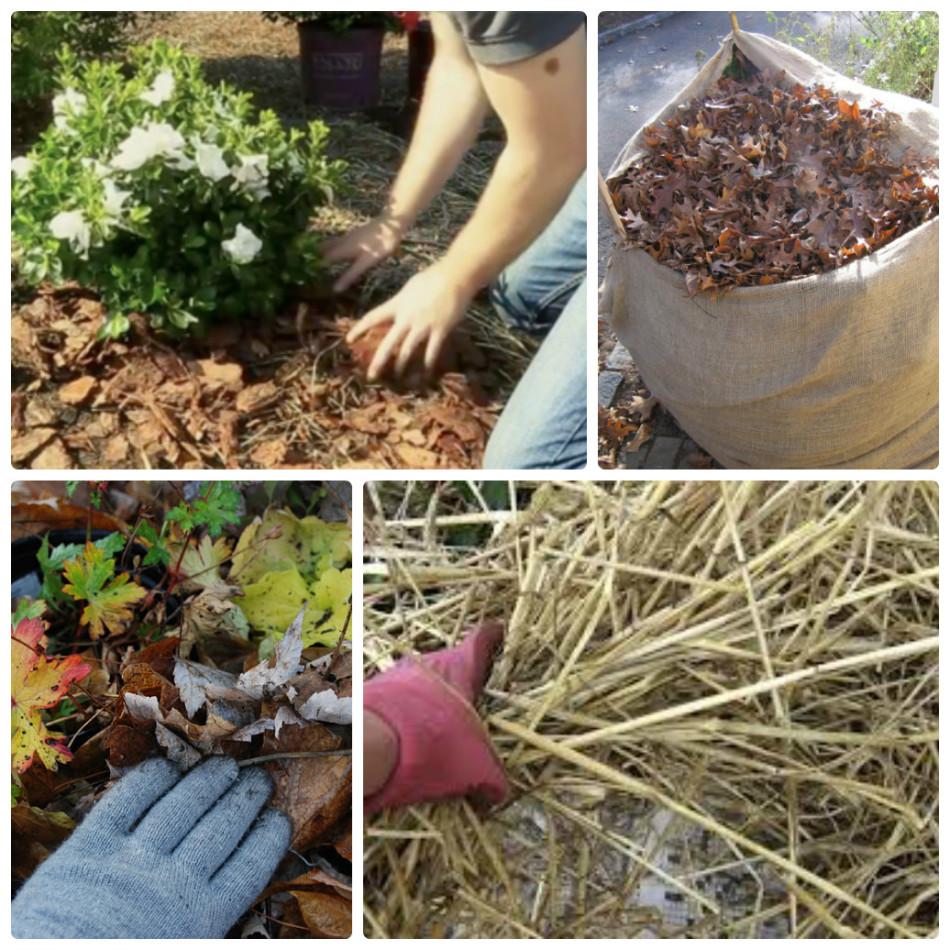
After watering, the soil around the plants is loosened. This procedure prevents a crust from forming on the soil surface. This loosening allows air and water to easily reach the root system. To retain moisture, the area around the tree trunks is mulched. Straw, grass clippings, or shredded tree bark are all good options.
Trimming
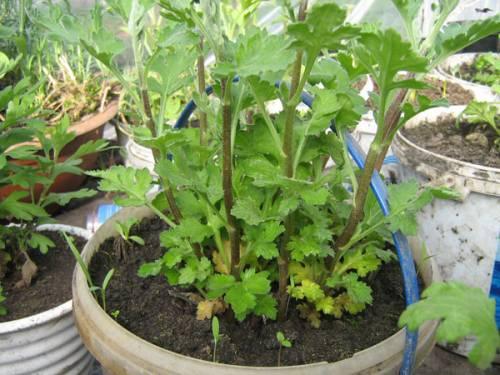
When 7-10 leaves appear on the bushes, pinch off the top of the plant. This procedure promotes abundant growth of lateral shoots. The top of the plant can be rooted and planted. For this, the cutting should be 7-10 centimeters long. In addition, sanitary pruning is carried out throughout the season. Broken, diseased, and dry shoots are removed. When frost hits and the flowers fade, they are cut off along with the shoots, leaving only stumps 8-10 centimeters high.
Preventive treatments
The crop has good immunity. It can become diseased due to improper care or unfavorable climatic conditions. Weeding can be a good preventative measure against diseases and pests, as weeds can carry insects and pathogens.
Insects
Chrysanthemums can be a favorite target for aphids and spider mites. These insects feed on the plant's cell sap, weakening the plant. Actellic is used to control these pests. Snails and slugs can also infest the plant. Use Ulicid to control them.
Diseases
Bushes can be affected by powdery mildew, rust, and gray mold. They lose their decorative appearance and may die completely. Copper-containing preparations are used to prevent and treat these diseases. Viral infections are impossible to cure: affected plants are dug up and burned.
Preparing for winter
Korean chrysanthemums are renowned for their winter hardiness. Most varieties overwinter successfully in open ground. Simply sprinkle mulch around the roots and cover them with spruce branches. More delicate varieties can be additionally covered with agrofibre. In winter, the structure is insulated with snow.
Important! With the first rays of spring sun, gradually remove the covering. Otherwise, the plants' root systems will rot.
Some gardeners dig up frost-sensitive chrysanthemum varieties from the ground in late autumn. They are placed in containers with a lump of soil. The shoots are cut back, leaving stumps 8-10 centimeters tall. They are stored in a cool place until spring.
Rules of flower propagation
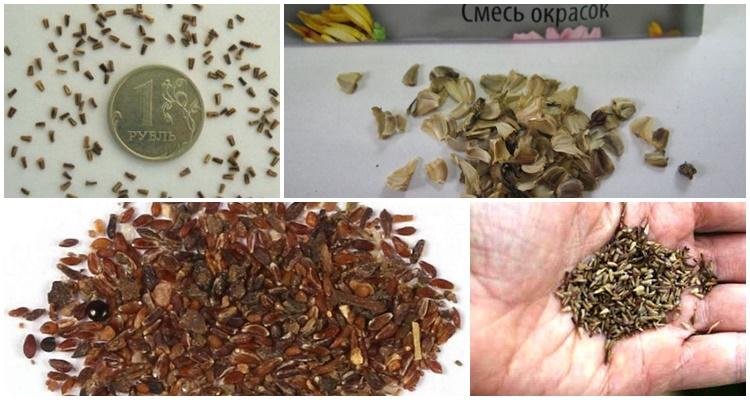
Korean chrysanthemums are easy to propagate in your garden using cuttings. Once the bushes have grown, they can be divided into sections. Gardeners rarely propagate the plant by seed due to the labor-intensive process.
Seeds
Sowing begins in February. The procedure is as follows:
- For disinfection, seeds are placed in a solution of potassium permanganate for several minutes.
- Fill a shallow-sided box with loose soil. You can make your own by mixing turf, peat, and river sand.
- The seeds are spread over the surface of the soil and covered with a small layer of sand.
- Lightly moisten with water from a spray bottle.
- Cover with glass or transparent film.
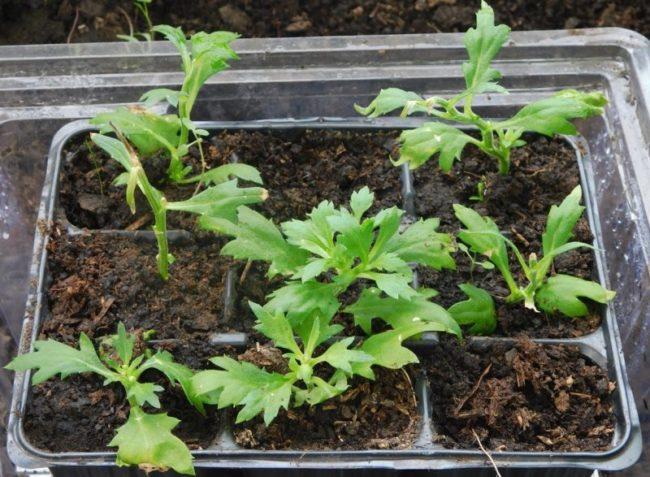
Creating greenhouse conditions will promote rapid germination of the seeds. Once the sprouts appear, remove the covering. When the plants have 2-3 leaves, transplant them. Each bush is planted in a separate container. Harden off the young plants before planting them outdoors.
By dividing the bush
Every year, chrysanthemums produce new shoots. After a few years, the bushes become dense. They begin to form low-growing shoots and small flowers. Therefore, the bushes need to be thinned every 2-4 years. At the same time, the gardener can propagate the plant within the plot.
The division procedure is carried out as follows:
- the plant is dug up on all sides;
- carefully pry up and remove the bush;
- manually divide the plant into several parts;
- each division is planted in a prepared hole;
- watered generously.
Divide the chrysanthemums in the spring. The plants will quickly establish themselves in their new location and bloom the same year.
Cuttings
For propagation, use apical cuttings 7-8 centimeters long. The shoots should not be woody, with closely spaced internodes. Cuttings planted in the spring will take root most easily.
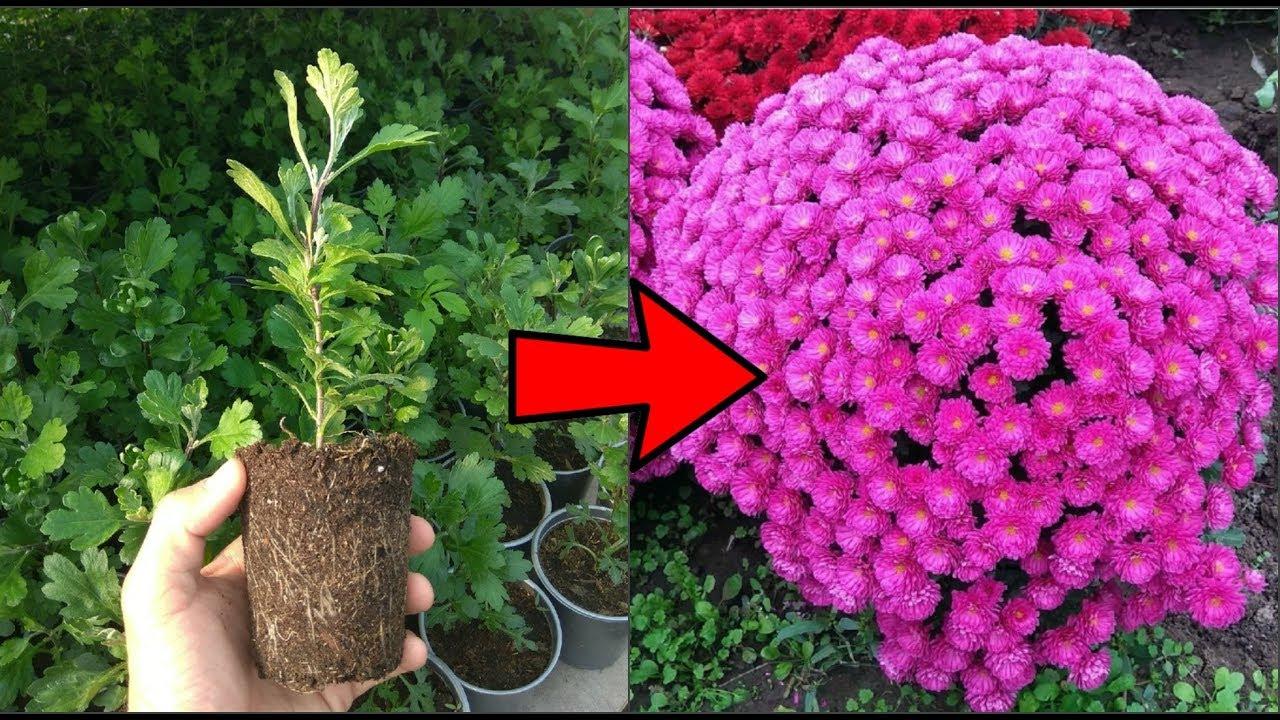
Chrysanthemum cuttings are produced as follows:
- a substrate consisting of turf soil, peat, and river sand is poured into a shallow container;
- the lower leaves are removed from the cuttings;
- place them in a solution of potassium permanganate for 20-30 minutes for disinfection;
- planted in a container at a distance of 4-5 centimeters from each other, watered;
- cover with film.
The container with the plants is placed in a warm, well-lit area. The covering material is removed daily for ventilation. Condensation is removed from the container and film. Failure to do so can result in fungal infections of the cuttings. For the same reason, avoid overwatering the soil. Once the cuttings are well-rooted, the covering material is removed. The plants are pricked out. Any excess plants removed from the main container are replanted in separate containers. Harden off the plants before planting them outdoors.
Examples of use in landscape design
Korean chrysanthemums are planted as solitary specimens against a backdrop of green grass. They can be planted in rows, alternating varieties with different flower colors. It's important to select varieties of similar height, otherwise one bush will overwhelm the other.
Ball-shaped chrysanthemums will look beautiful planted along a garden path. Tall oak chrysanthemums can be used to create a hedge. Chrysanthemums can also be combined with other ornamental foliage and flowering plants. They can also be planted in containers, which can be placed anywhere in the garden.
Related posts:
 Descriptions of hosta species and the top 25 most beautiful varieties, growing rules
 Planting and care guidelines for the Multiflora chrysanthemum and the top 9 beautiful varieties
 Top 10 Chrysanthemum Varieties, Planting and Care Guidelines for Outdoor Plants
 Description of the top 20 most beautiful tulip varieties and types, their planting and care
 Top 16 Best Hybrid Tea Rose Varieties: Planting and Care in the Open Ground
 Top 16 Peony Rose Varieties, Planting and Caring for Them in the Open Ground
 Descriptions and characteristics of chrysanthemum species and varieties, growing rules
 Growing Climbing Roses and the Top 10 Varieties, Planting, and Care in the Open Ground