
- General description of hybrid tea roses
- The best varieties and characteristics
- By color variation
- Pink
- White and cream
- Red and black
- Yellow and orange
- Lilac
- Two-tone
- By height and shape of the bush
- Tall
- Medium-sized
- Recommendations for choosing a variety depending on the region
- Growing Hybrid Tea Roses
- Site preparation
- Planting dates and scheme
- Watering and fertilization
- Mulching and loosening the soil
- Garter and shaping the bush
- Shelter for the winter
- Pests and diseases: prevention and treatment
- Reproduction methods
- Difficulties encountered when growing the crop
The rose is a favorite plant of many gardeners. It blooms beautifully and is easy to care for. There are many varieties and cultivars. One of the most popular is the hybrid tea rose. It has a strong immune system and produces spectacular blooms. Below is information about the best varieties, growing them in your garden, and propagation methods.
General description of hybrid tea roses
This variety was created by crossing tea and remontant roses. It is popular for its beautiful buds and long flowering period. They inherited a strong immune system and high winter hardiness. The height of the bushes, depending on the variety, ranges from 60 to 150 centimeters. The diameter of the opened buds reaches 10 to 14 centimeters. Flowers form on shoots, singly or in clusters. The color and shape of the petals vary.
The best varieties and characteristics
Experts continue their breeding work. They continue to develop new varieties of hybrid tea roses. They differ in bush size and bud color.
By color variation
There are hybrid tea roses with the following flower colors.
Pink
The most beautiful varieties of the crop with pink-colored buds.
Federic Mistral


The bushes reach a height of 120 centimeters and spread to a similar width. The petals are a soft pink. The buds appear singly or in clusters of 3-5.
The variety is named after the Provençal poet and lexicographer.
Lancome
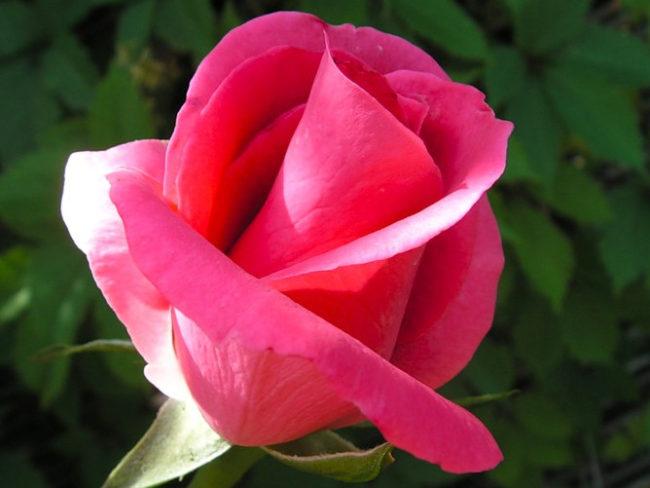

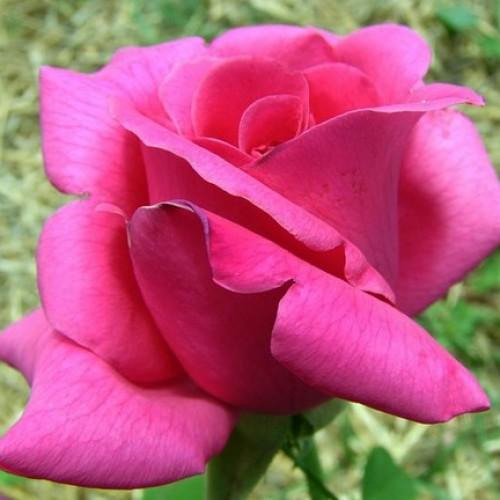
Rose stems reach a height of 1.5 meters. Single, bright pink buds form at the tops of the stems. The flowers are goblet-shaped.
Lancome is considered one of the best roses for growing indoors.
White and cream
Gardeners distinguish the following varieties:
Evening star


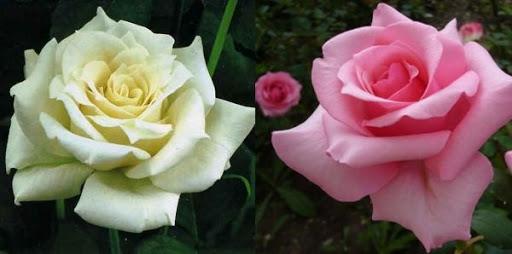
The shoots reach a height of 90-100 centimeters. The flowers are white and goblet-shaped. The diameter of the open buds is 10 centimeters.
Evening star is planted in open ground or in a container.
Bianca

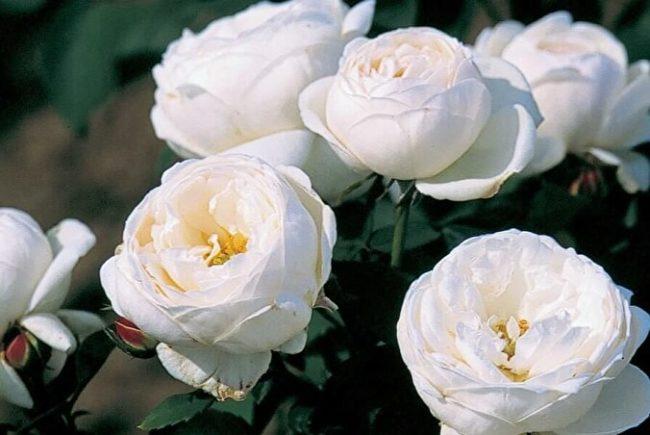
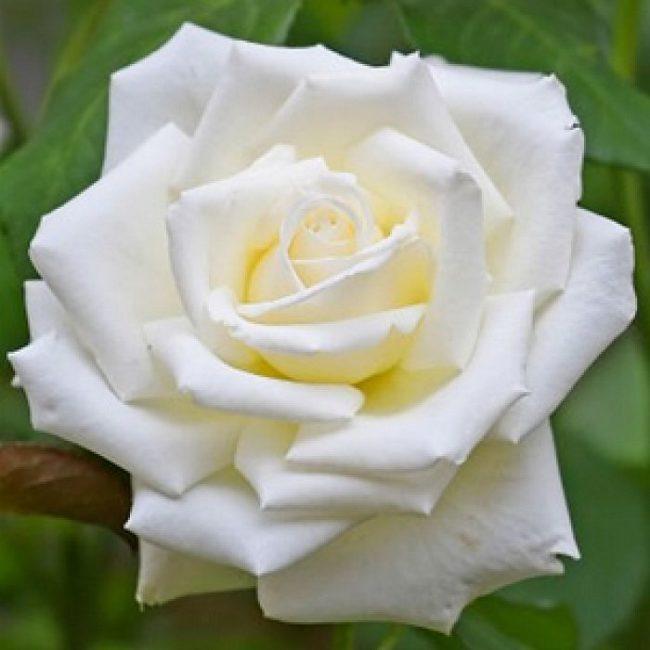
The bushes are 80 centimeters tall and 60 centimeters wide. The snow-white bud consists of 45-50 petals.
The upright bush serves as a decoration for a romantic garden.
Red and black
Plants with vibrantly colored buds always attract attention. The best varieties of red and black roses.
Black magic

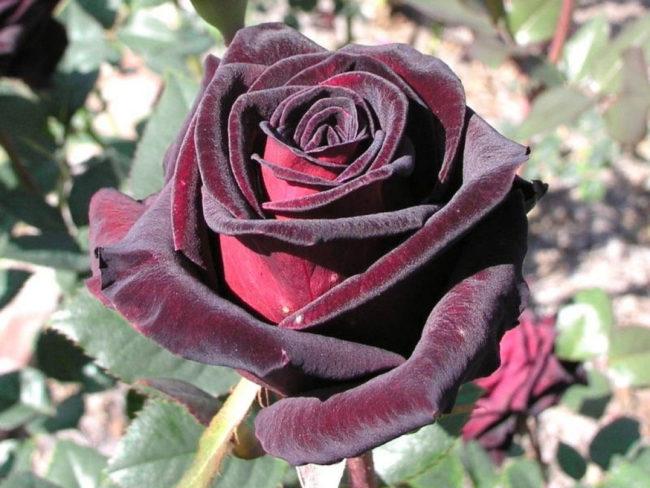

The shoots reach a height of 100-150 centimeters. One to five flowers form on a stem. The petals are velvety, a deep burgundy color.
The beautiful buds of Black Magic do not fade from the bright rays of the sun.
Take a look Also

Black baccarat

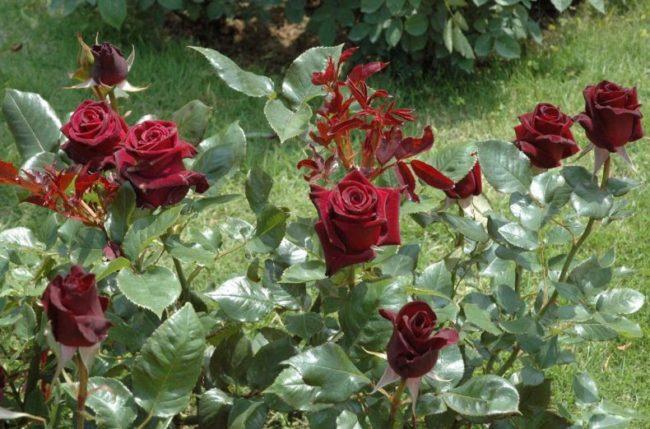

Considered the blackest rose, its buds are velvety and dark burgundy. In cool weather, the petals take on a black tint.
If the rose grows in acidic soil, the black color of the petals is retained even when exposed to bright sunlight.
Yellow and orange
These flowers look like little suns in your garden. These are the most popular varieties.
Gloria dei
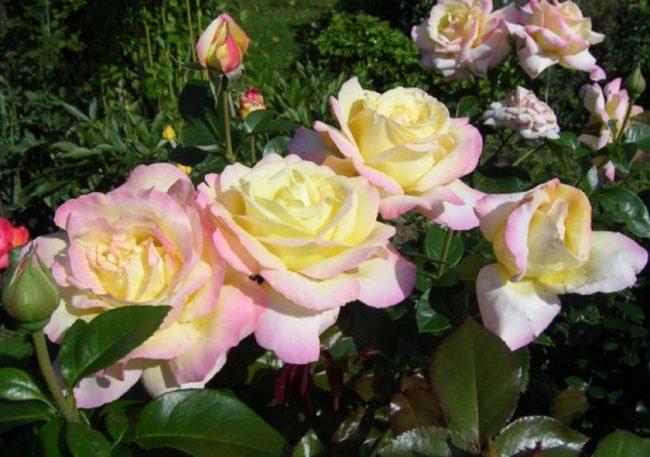


The bushes reach a height of 1.2 meters. The buds are large. The petals are yellow. A soft pink border runs along the edges.
Gloria dei is considered the most famous rose of the 20th century.
Sultan


The plant grows upright, 80-120 centimeters tall. The buds are large, 8-12 centimeters in diameter. The petals are golden-yellow, almost orange.
Sultan is a beautiful rose with an exquisite fragrance.
Lilac
A rose with this color of buds is considered exotic. The most famous varieties are lilac roses.
Blue Moon

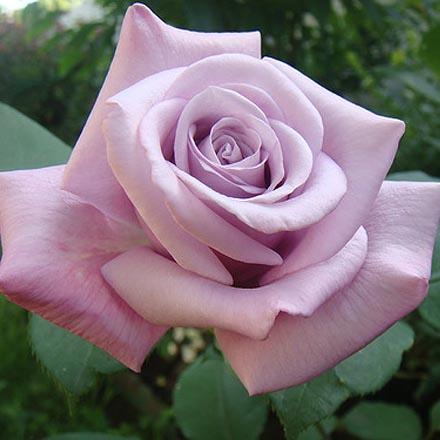

The variety's name translates as "Blue Moon." The bushes reach 100 centimeters in height. The buds are pale lilac.
Blue Moon rose goes well with conifers.
Mainzer Fastnacht
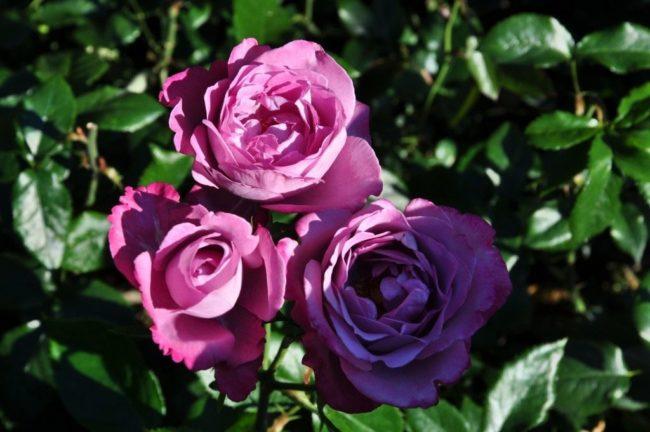
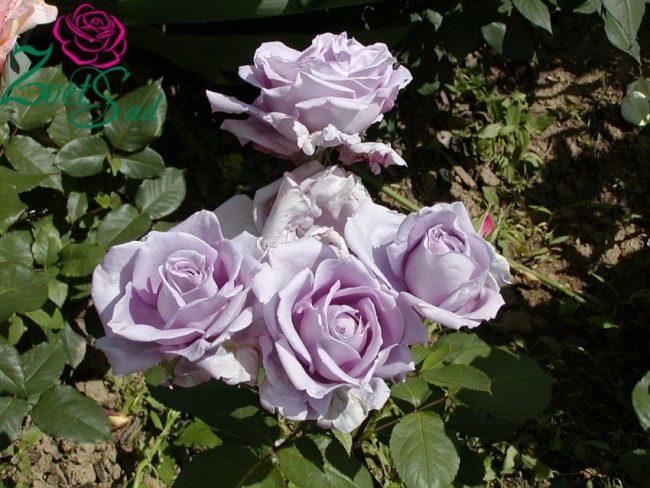

Sturdy shoots grow to a height of 60 to 130 centimeters. In partial shade, the flowers have a lilac hue. In bright sunlight, the petals turn blue.
Mainzer Fastnacht looks spectacular when planted alone against a background of green grass.
Two-tone
These roses resemble the vibrant plumage of birds. They add a unique look and charm to any garden plot. The most beautiful varieties.
Nostalgia


The height and width of the bush are 80 centimeters. The petals are wavy and curved. The center of the flower is white. A red stripe runs along the edge of the bud.
Flower shoots last a long time when cut.
Pink Intuition

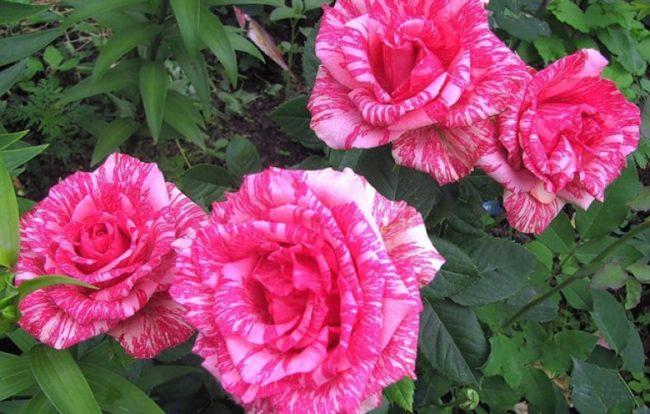

The bud's coloring resembles the texture of marble. The petals are painted in two shades: soft pink and deep crimson.
The culture is used to decorate a garden plot.
By height and shape of the bush
Hybrid tea roses are also classified by height and bush shape. Knowing their size, gardeners can select varieties to suit the size of their plot.
Tall
Tall roses are varieties with stems over 1 meter long. These are the most beautiful of them.
Red Velvet
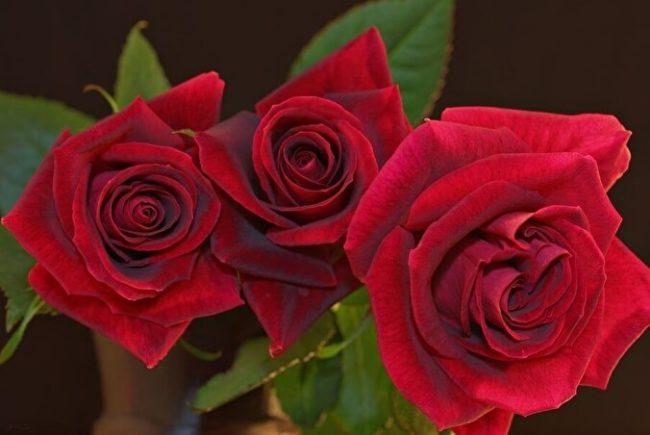
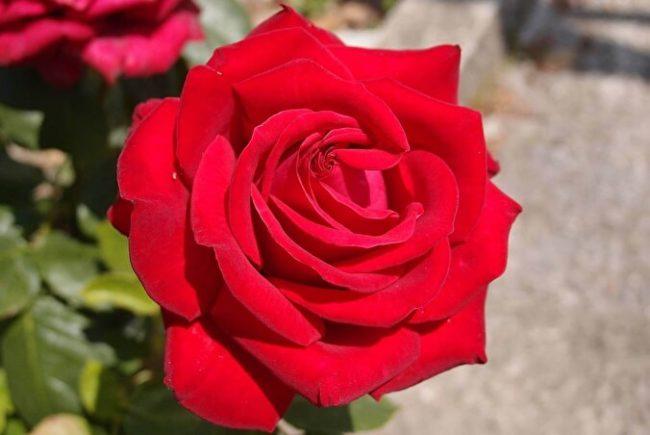

The shoots reach a height of 180 centimeters. Large, dark-red buds form on them.
Long flower shoots can be used for cutting.
Dallas

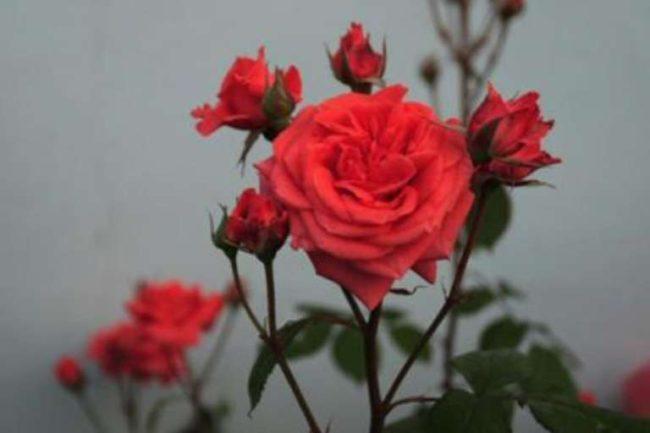

The plants produce shoots up to 120 centimeters long. The buds, 12 centimeters in diameter, are a rich dark red.
The crop is planted singly or in groups in garden compositions.
Medium-sized
This group includes plants with shoots ranging from 35 centimeters to 1 meter in length. These are beautiful, medium-sized rose varieties.
Virginia


The bushes grow to 70 centimeters tall. The conical buds reach 7 centimeters in diameter. The petals are cream-colored.
Virginia creeper can be planted along a garden path.
Ambiance
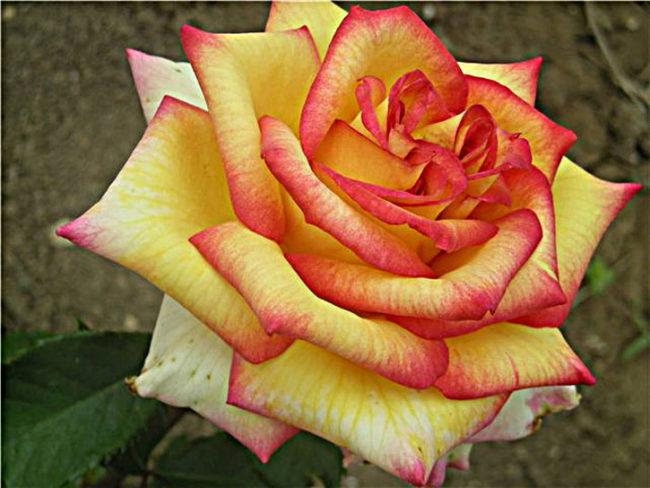

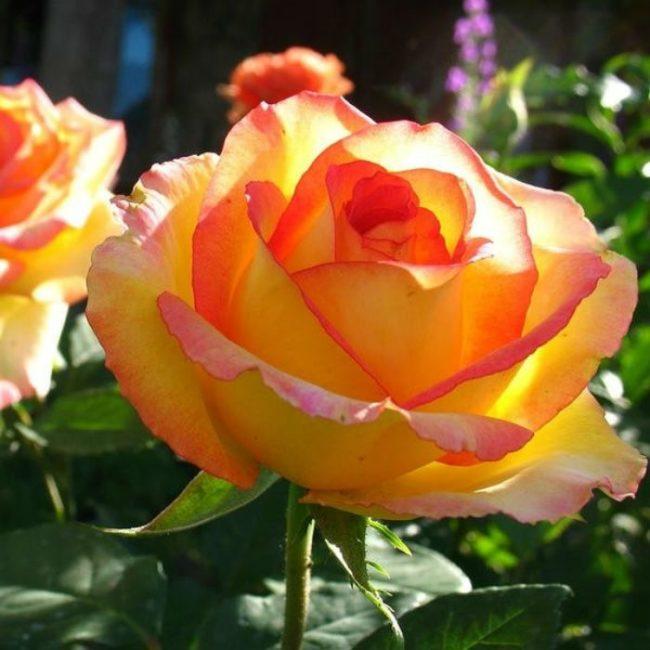
The bushes grow to a height of no more than 100 centimeters. The flowers are yellow and have a crimson border around the edges.
The flower on the shoot remains for 2 weeks.
Recommendations for choosing a variety depending on the region
When choosing roses for outdoor planting, you need to consider their characteristics and susceptibility to frost damage in harsh winters. The colder the region, the more frost-resistant varieties you should choose. All roses will tolerate a southern climate.
Growing Hybrid Tea Roses
To ensure plants grow quickly and bloom beautifully, they need to be planted in the right location. Furthermore, they require continuous care throughout the season.
Site preparation
Choose a well-lit location, protected from cold winds, with a low water table. Clear the area for planting roses of debris, dig, and level it. Loamy soil is best. If the soil is too heavy, add peat, compost, or sand. Lime is added to acidic soil.
Planting dates and scheme
Hybrid tea roses are planted outdoors in spring or fall. In spring, planting begins after the danger of frost has passed. In fall, plants are planted from September to mid-October. The seedlings should have time to establish themselves before frost sets in.

Planting is done as follows:
- dig a hole measuring 50x50 centimeters;
- small stones or expanded clay are placed on the bottom;
- add fertile soil;
- a bush is placed in the middle and covered with soil;
- watered generously.
The distance between bushes should be at least 60 centimeters. Otherwise, as they grow, they will steal sunlight and nutrients from each other.
Watering and fertilization
To ensure beautiful and long-lasting blooms, hybrid tea roses require care, including timely watering and fertilizing. Immediately after planting, roses should be watered frequently. Then, the soil beneath the bushes should be watered once a week. If the soil is sandy, watering should be done more frequently. Use warm, settled water.
Avoid overhead watering of roses, as this can cause fungal diseases. Fertilize roses the following year after planting.
In spring, nitrogen is applied to promote vigorous growth. Potassium and phosphorus are used during bud formation. The same mixture is applied after the first flush of flowering.

Mulching and loosening the soil
To prevent a dry crust from forming, the soil is loosened after watering. This procedure promotes moisture and air penetration. Loosening is done carefully to avoid damaging the root system. If the soil is mulched, watering will be less frequent. Under a layer of covering material, moisture will be retained in the soil for a long time.

Garter and shaping the bush
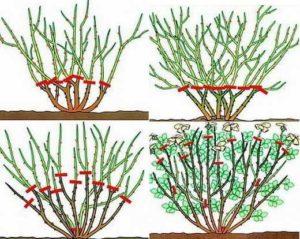
To prevent young shoots from breaking in gusts of wind, they are tied to supports with elastic material. Every spring, the bushes are pruned and shaped. The year after planting, two buds are left on the plants. Then, the shoots are pruned back to four buds. After a few years, the bushes are rejuvenated: all old branches are cut back to the stump.
Shelter for the winter
Hybrid tea roses generally overwinter well without special cover. When frost sets in, it's enough to mound the bushes to a height of 20-25 centimeters. However, if the winter is expected to be harsh and snowless, the plants can be protected by installing a frame over them. Agrofibre is draped over the frame and secured with stones or bricks underneath.
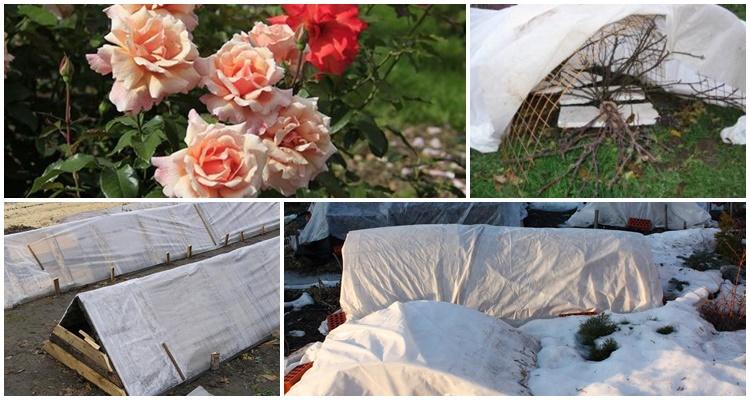
Important! Remove the covering material as soon as the spring sun warms up. Otherwise, the bushes may rot.
Pests and diseases: prevention and treatment
Aphids can be a favorite pest of young rose bushes. And when dry, hot weather sets in, spider mites are likely to appear. Insecticides are used to combat these harmful insects.
Overwatering and prolonged wet weather promote the development of fungal diseases. Fungicides are used for prevention and treatment.
To prevent diseases and pests, weeds are removed in the summer. They can carry pathogens and insects. In addition, dry leaves are removed from the tree trunks in the fall, and the soil under the bushes is tilled.
Reproduction methods
Gardeners propagate hybrid tea roses from cuttings. This procedure is performed in early summer, selecting green, non-woody shoots. Seed propagation is not used due to the labor-intensive process. Furthermore, the new bushes may not retain the parent's traits. Layering is used to propagate varieties with long, flexible shoots.

Difficulties encountered when growing the crop
Inexperienced gardeners may encounter some difficulties when growing hybrid tea roses. The main ones are:
- Flowers aren't forming on the bushes. This may be because the plants are planted in an overly shaded area. The plant prefers a well-lit location, with some shade during the hot midday sun.
- The root collar is too deep. As a result, plants develop slowly and don't flower for a long time. When planting, the root collar should be buried 4-5 centimeters deep.
- Plants are susceptible to disease. This can occur due to overwatering. Bushes are watered after the top layer of soil has dried out. Roses should not be overwatered.
- After the first flush of flowering, new buds fail to form. This only applies to varieties genetically designed to bloom again. This occurs because the flowers were not cut off after drying. As a result, the lateral shoots were not given the signal to germinate.
Hybrid tea roses are considered a garden gem. With proper care, they will delight you with beautiful blooms from early summer to late fall.
Related posts:
 Descriptions of hosta species and the top 25 most beautiful varieties, growing rules
 Top 16 Peony Rose Varieties, Planting and Caring for Them in the Open Ground
 Top 7 varieties of shrub roses, their planting and care in open ground for beginners
 Top 15 Korean Chrysanthemum Varieties, Planting and Care in the Open Ground
 Growing Climbing Roses and the Top 10 Varieties, Planting, and Care in the Open Ground
 Description of the top 20 most beautiful tulip varieties and types, their planting and care
 Top 10 Chrysanthemum Varieties, Planting and Care Guidelines for Outdoor Plants
 Planting and care guidelines for the Multiflora chrysanthemum and the top 9 beautiful varieties