
- Description of the Kordana rose and the history of its selection
- Features of flowering
- Pros and cons of using in landscape design
- Growing conditions requirements
- Location of the site
- Soil composition
- Climate indicators
- Rules and terms of planting
- At home
- In open ground
- How long does it take for seedlings to take root and survive?
- Agricultural technology and seasonal care
- Watering regime
- Top dressing
- Loosening the soil
- Pruning and shaping the bush
- Preparing for the winter period
- Transfer
- How to avoid diseases: preventative treatments
- Reproduction methods
- Additional care tips
- Difficulties faced by beginning gardeners
Rosa Cordana is a miniature variety of the flower suitable for both potted and open-air cultivation. The plant is popular for its neat buds and is used in garden design. Miniature roses require more careful care and are more susceptible to fungal diseases. However, overall, the cultivation techniques for both potted and open-air cultivation are the same as standard roses.
Description of the Kordana rose and the history of its selection
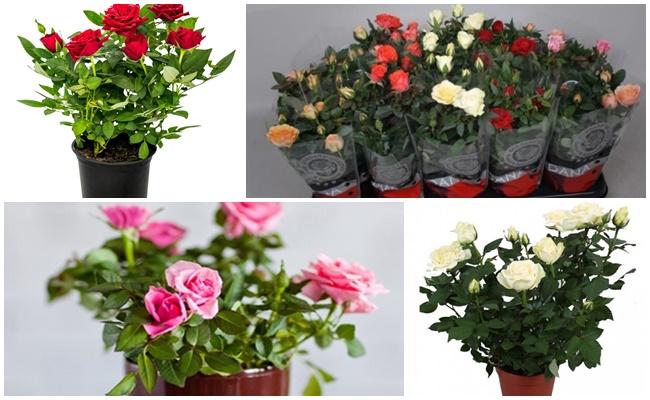
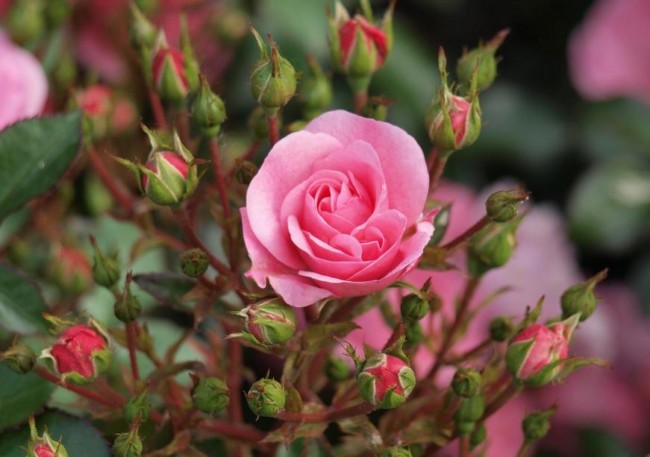
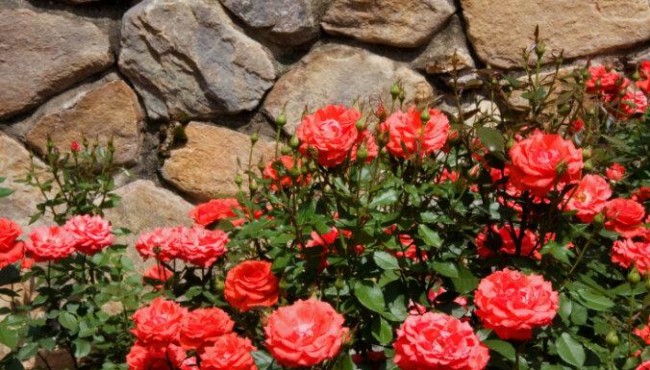
This potted miniature variety looks like a miniature version of a regular rose. Botanical description:
- height - 30-40 centimeters;
- the leaves are small, serrated, pointed, dark green or emerald in color;
- buds of classical shape;
- petals are smooth.
The Cordana rose appeared in Europe in the 19th century as a result of the cross-breeding of a low-growing polyanthus and a Chinese dwarf tea variety. The plant was developed by the European breeder Wilhelm Cordes. The name "Cordana" comes from the surname of its creator.
Features of flowering
The blooming period of Kordana roses begins in May and lasts until October. Petal colors include red, yellow, white, orange, and pink. Five to nine flowers bloom per bush. Supermarket roses are a mix of varieties in a single pot that bloom year-round.
Potted roses are an alternative to bouquets. They can be given to people with fragrance sensitivities or allergy sufferers. Living plants will continue to delight the eye long after the holiday.
Pros and cons of using in landscape design
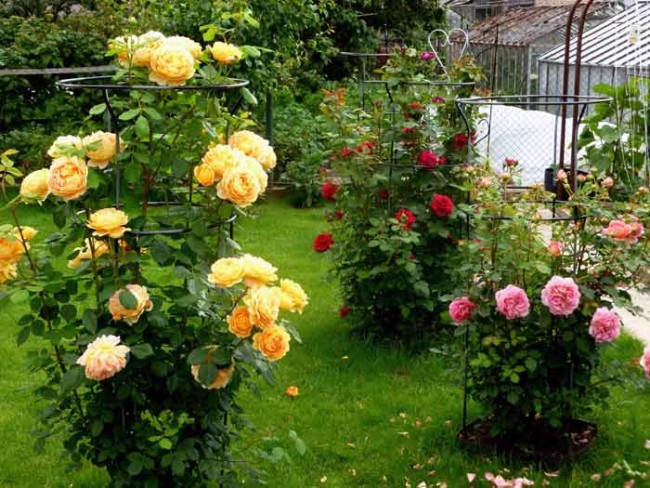
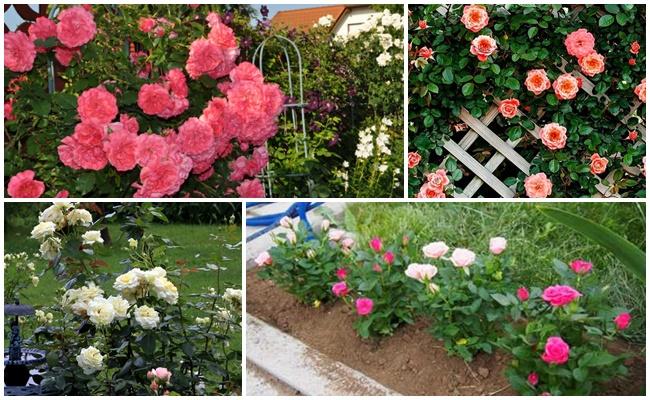
The Cordana rose is a versatile flower for both home and garden. Benefits of growing miniature flowers:
- Plants in portable pots can be placed on the veranda and in the room;
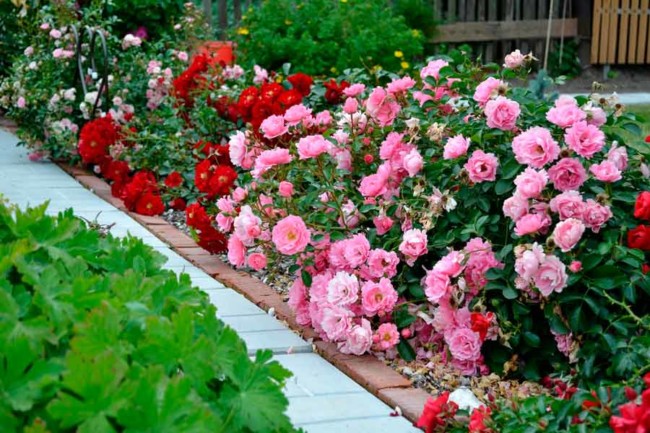
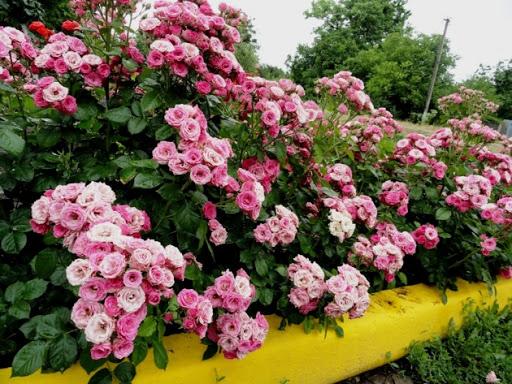
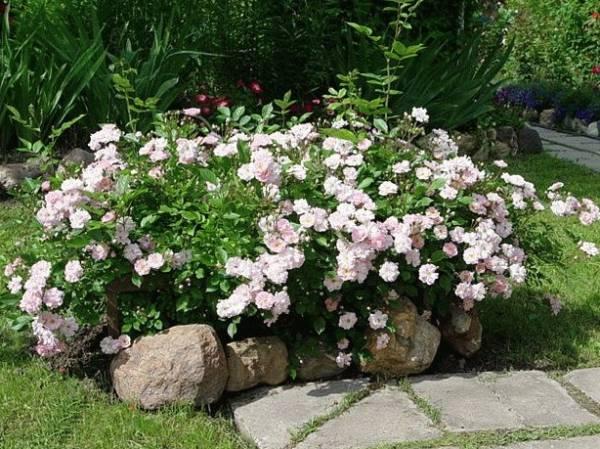
- small bushes decorate borders in an original way;
- Mini roses go well with their larger relatives, as well as with petunias and daffodils.
Disadvantages of Cordana roses:
- can only be planted in sunny areas;
- catch diseases from their neighbors.
Growing miniature varieties requires increased sanitary control over the entire garden. Roses should be planted with plants with similar watering and lighting requirements. They are most often used as single specimens.
Growing conditions requirements
Cordana roses are demanding in terms of light and humidity.
Location of the site
Suitable place for plants:
- south and southwest;
- with light shade at midday;
- protected from the wind.
Direct sunlight and drafts are harmful to miniature flowers. Therefore, a location with partial shade from nearby trees is ideal.
Soil composition
A general-purpose, ready-made potting mix for flowers, as well as a special potting mix for roses, are suitable for indoor plants. To prepare your own soil, you'll need the following ingredients:
- garden soil - 2 parts;
- sand - 2 parts;
- compost - 3 parts;
- peat - 1 part.
For garden cultivation, loamy, slightly acidic and neutral soil that allows air and moisture to pass through well is suitable.
Climate indicators
Optimal environment for Cordana rose:
- temperature: +20-25 degrees;
- humidity – 70-80 percent;
- fresh air.
The room with plants should be regularly ventilated, but avoid leaving them near an open window. In summer heat, increase humidity by misting. Pots with plants should also be placed on trays filled with water.
Rules and terms of planting
Kordana roses are planted outdoors in spring, after the soil warms to 10 degrees Celsius, and in September. Potted roses are planted from April to September.
At home
Indoor miniature roses are sold in small pots and planted in soil with plenty of fertilizer. Thanks to this abundant supply, the plants grow quickly. They should be repotted a couple of days after purchase, as the old pot will soon become too small.
Rules for planting indoor roses:
- select a pot with drainage holes;
- pot capacity: 1.5-2 liters;
- use expanded clay and small pebbles for drainage;
- Before replanting, cut off the stems with flowers and shorten the bush by a third;
- remove from the pot together with the lump of earth;
- After planting, treat the soil with a fungicide or a pale pink solution of manganese.
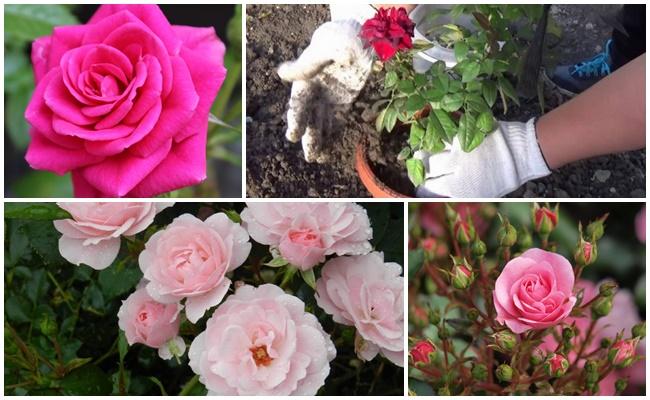
The plant in its new pot should be placed on a sunny windowsill, but shaded for the first three days. Trimming the flower buds before planting is essential for better adaptation. Trimming the flowers will allow the plant to focus its energy on rooting and bloom again.
Bushes that have buds left on them when they are planted take root less well.
In open ground
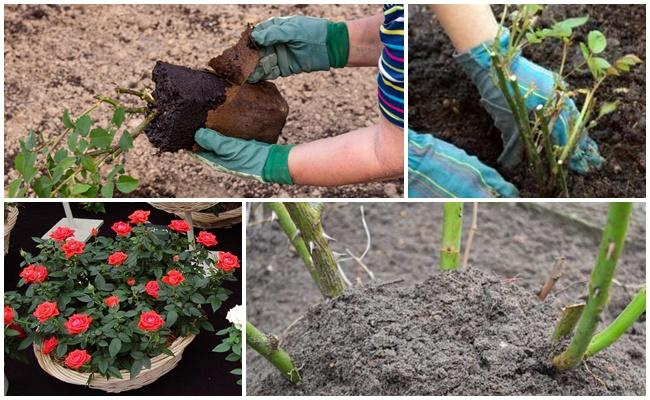
Landing on the site is carried out according to the following rules:
- plant bushes 30 centimeters or higher in height;
- Before planting, the soil is watered generously;
- the planting hole is filled with humus;
- the plant is transferred into the hole without shaking the roots off the soil;
- After planting, the soil is watered with a pale solution of potassium permanganate or Epin.
Plant roots below 30 centimeters are not yet strong and will not be able to obtain nutrition in open ground. When planting miniature roses in the garden, maintain a spacing of 30-40 centimeters.
How long does it take for seedlings to take root and survive?
Miniature roses adapt to new conditions within 2-3 weeks. After planting, the plants may shed leaves and then grow back. However, by the fourth week, the flower returns to normal. Buds appear 1.5 months after adaptation. Moderate watering is sufficient to help the plants thrive.
Agricultural technology and seasonal care
The main thing in caring for the miniature Kordana rose is to choose a watering schedule and also to carry out timely disease prevention.
Watering regime
Potted Kordana roses are watered with warm water that has been left to stand for 24 hours. Cold water weakens the plant and increases the risk of powdery mildew. Here's a rough guide to watering by season:
- in spring and autumn - every other day;
- in summer - every day;
- in winter - once every 3-5 days, as the soil dries out.
In summer, mini roses should be watered more frequently if the surface soil dries out quickly. However, water should not stagnate in the deeper soil layer. In winter, plants enter a dormant period. Therefore, watering should be reduced to once a week or once a month.

Top dressing
Kordana roses grown in open ground are fertilized twice a year:
- in spring - after removing winter cover, before flowering begins, apply fertilizers with a higher proportion of nitrogen;
- in autumn - after flowering is complete, potassium-phosphorus fertilizers are applied.
Nitrogen promotes stem and leaf growth and bud formation. Potassium and phosphorus strengthen plants for winter. From the beginning of budding until the end of flowering, Kordana garden roses do not require fertilization. Potted plants are fertilized every two weeks.
Loosening the soil
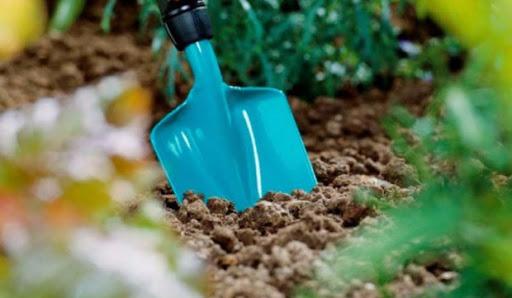
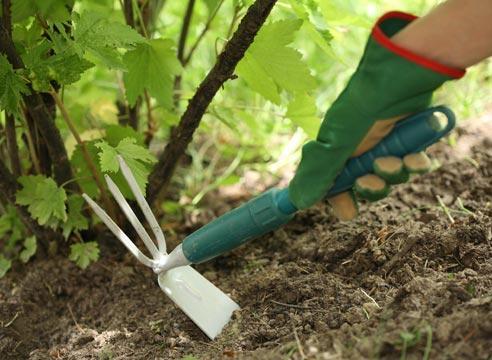
The soil is loosened after watering to improve water absorption. In a garden, loosening the soil helps prevent weed growth and prevents the development of white, fluffy mold on the soil of indoor plants. In the pot, the soil is gently stirred with a wooden stick. The soil in the garden is loosened with a rake to a depth of 3 centimeters.
Pruning and shaping the bush
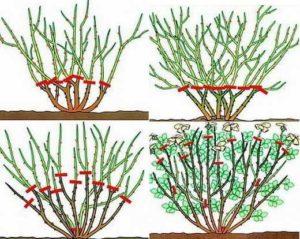
Miniature bushes in open ground are pruned in spring and autumn:
- remove damaged shoots;
- young branches are pruned to stimulate growth and flowering;
- small stems inside the bush are cut off.
In summer, faded buds are trimmed from potted and garden Kordana roses to make room for new blooms. Five buds are left on the shoots. Cuttings can be taken from the cut tops and grown.
Preparing for the winter period
How to prepare garden roses for winter:
- in mid-September, apply fertilizer and reduce watering;
- after the leaves turn yellow and fall, cut the branches by a third;
- Before frost, cover the bushes with spunbond, leaving small holes at the bottom for air.
Overwintering potted roses also begins with stopping watering in September and then pruning. For two months, the flowers should be kept at a temperature of 8-13 degrees Celsius. They can be placed on the balcony, covered with a blanket, and watered once a month. Under this cover, the flowers will withstand temperatures as low as -10 degrees Celsius. As the weather warms, the pots can be moved indoors to a sunny spot, but away from the radiator.

Transfer
Repot overgrown bushes and plants that are too small for their pots. When repotting, you can divide the bush:
- pull out together with the root ball;
- cut the lump into pieces with stems using a sterile knife;
- plant in different pots or places in the garden;
- water the soil with Kornevin solution.
A sign of successful adaptation of roses after transplantation is the appearance of new leaves.
How to avoid diseases: preventative treatments
Kordana roses are susceptible to fungal diseases and sensitive to environmental changes. The main causes of disease are waterlogging and overcrowding. While high humidity can occur in unfavorable years with cold, rainy summers, excessive growth is often caused by neglected pruning.
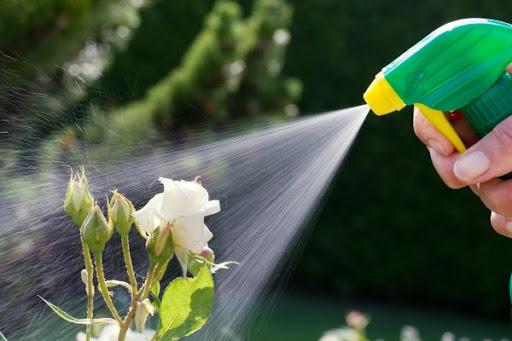
Preventive measures for fungal diseases:
- spring and autumn treatment with fungicides Fitosporin, Trichoderm;
- removing fallen leaves and buds from the ground;
- thinning the bush;
- Strengthening the immune system with Novosil, Zircon, and Epin.
The preparations are also suitable for potted plants.
Reproduction methods
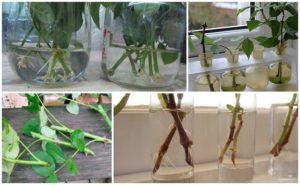
To propagate miniature roses, the cutting method is used:
- cut off the tops of the shoots with 3-4 buds, 3 millimeters thick;
- the cut is made at an angle of 45 degrees;
- the cuttings are dipped in a solution of root growth stimulator and placed in water at a temperature of +30 degrees;
- After the roots appear, the cuttings are planted in a mixture of soil and sand.
To help the plants root better, they are covered with glass jars. When two strong leaves appear on the stems, the roses are transplanted into individual pots or into the ground.
Take a look Also

A less popular method of propagating Kordana roses is by seed:
- cotton pads are soaked in hydrogen peroxide;
- place the seeds on top and cover with cotton pads soaked in clean water;
- the seeds are placed in plastic containers with holes and placed on the bottom shelf of the refrigerator;
- after 2 months, the seeds are planted in peat tablets or in a mixture of sand and soil;
- The seedlings are kept at a temperature of +18 degrees and illuminated with an ultraviolet lamp for ten hours a day.
It is better to propagate Kordana hybrid roses by cuttings, since when propagated by seed, the plants do not retain their varietal differences.
Additional care tips
How to provide miniature roses with comfortable conditions:
- During the first two weeks, keep the new plant separate from other indoor flowers to avoid them becoming infected;
- Indoor plants can go without watering for up to a month and a half if you place the pots in a deep bowl and fill it with water;
- spray small bushes with settled water at a temperature of 25 degrees;
- before and after replanting, do not feed potted roses for 10 days;
- If a potted rose is not placed into dormancy, it needs to be provided with additional lighting in the evenings using an ultraviolet lamp. The minimum daylight hours for a mini rose are 8 hours;
- Garden and potted roses should be watered at the roots to prevent drops from falling on the leaves.

Potted flowers grown indoors do best on the balcony in the summer. At the dacha, they can be placed on the veranda. If nighttime temperatures drop below 15°C, potted roses should be brought indoors, and garden bushes should be covered with agro-material.
Difficulties faced by beginning gardeners
The main problem with growing miniature roses is the lack of blooms. The plant fails to bloom due to excess moisture. Kordana roses need to be watered generously, but not so much that moisture stagnates in the soil.
To do this, when planting, place drainage at the bottom of the hole or pot, and loosen the soil during subsequent care.
The second reason for a lack of flowering is a lack of potassium and phosphorus. The plant needs to be fertilized. Flowering difficulties also arise if a potted rose is frequently moved. After purchasing it, it's important to immediately find a suitable location for it.
Dry air is harmful to plants. If Kordana roses are kept on a windowsill near a heating system during the winter, their leaves turn yellow and fall off. Knowledge of basic agricultural practices and growing conditions will help provide initial care for miniature roses, and observations will help adjust it to the individual characteristics of the flower.
Related posts:
 Top 7 varieties of shrub roses, their planting and care in open ground for beginners
 Planting and caring for park roses in open ground, growing rules
 Top 50 best new rose varieties of 2025 with descriptions and characteristics
 Growing Climbing Roses and the Top 10 Varieties, Planting, and Care in the Open Ground
 Top 4 indoor rose varieties, their cultivation and care at home
 How to plant roses in autumn and at what distance, and further care
 Top 12 Floribunda Rose Varieties: Planting and Care in the Open Ground
 When is the best time to transplant roses and how to do it correctly?