
- Features and general description
- First group
- Second group
- The third group
- The most beautiful varieties of climbing roses
- Ramblers
- Super Excelsa
- Ramblin' Rector
- Bobby James
- Climbing and climbers
- Sympathy
- Golden Gate
- Indigol
- Polka
- Santana
- Elf
- Peculiarities of growing roses
- Site selection and preparation
- Preparing seedlings
- Planting dates and patterns
- Spring
- Summer
- Autumn
- Watering
- Fertilizing bushes
- Mulching and loosening the soil
- Pruning and shaping climbing roses
- Preventive treatments
- Insects and other pests
- Diseases
- Wintering and shelter
- Air-dry method
- Frame shelters
- Shields for roses
- Transfer
- Methods of reproduction
- Cuttings
- Layering
- Difficulties encountered during cultivation
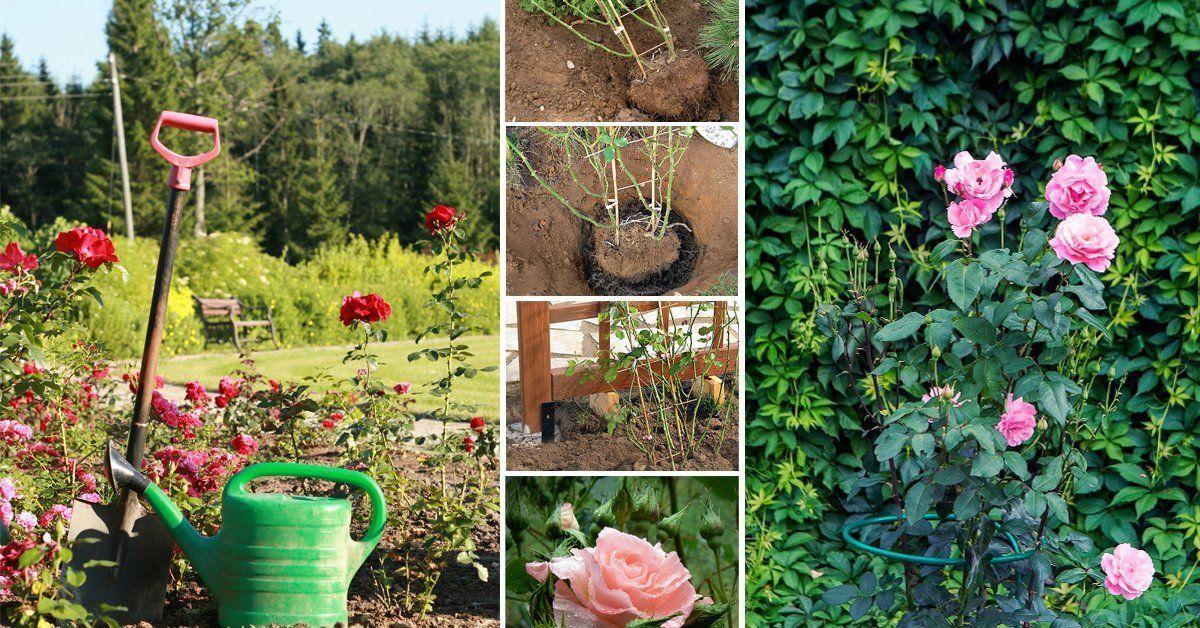
Climbing roses are used for vertical landscaping. They can be used to divide a space into zones and conceal unsightly outbuildings. They are planted near arbors and used to climb pergolas and arches. Many varieties not only bloom beautifully but also emit a delicate fragrance during bud opening. Below is information on planting climbing roses outdoors and properly caring for them throughout the season.
Features and general description
Climbing roses are defined as plants with shoots 2-7 meters long. The stems are covered with green foliage. They may have thorns or be thornless.Large or small flowers grow on them. The color and shape of the buds vary.
Climbing roses bloom, depending on the variety and cultivar, on shoots from the previous or current year. During bud break, many bushes emit a pleasant floral fragrance. Depending on the group, climbing roses bloom once or twice a year.
First group
Roses in this group are called ramblers. This group includes roses with flexible stems up to 5 meters long. Ramblers' inflorescences consist of small flowers in shades of pink, white, lilac, and crimson. The buds open in early summer. Flowering lasts about a month, and no more buds form for the remainder of the season. A distinctive feature of ramblers is that they bloom on the previous year's shoots. Therefore, if you trim the rose short, you may not see beautiful blooms forming this season. To ensure a beautiful appearance all summer, the bush requires support.
Second group
Roses in this group are called climbers. They are characterized by long, strong stems and large flowers. Buds form in late spring on shoots from both the current and previous year. Then, after some time, a second bloom occurs. The bushes grow strong shoots that require support, extending in length and width.
The third group
Climbing plants have long stems and beautiful flowers, ranging from 4 to 11 centimeters in diameter. The shoots form clusters of several buds. Flowers can also be borne singly. They bloom late. Most varieties bloom twice a season. Climbing plants are typically grown in regions with mild climates.
The most beautiful varieties of climbing roses
Gardeners can choose varieties from the first, second, or third groups of roses for outdoor planting. The choice depends on the size of the plot and the gardener's personal preferences.
Ramblers
Ramblers bloom only once, beginning in late spring or early summer. Despite this drawback, they are worth growing in a garden. Even after flowering, with proper care, the bushes remain decorative. The most beautiful varieties of this group of roses are as follows.
Super Excelsa
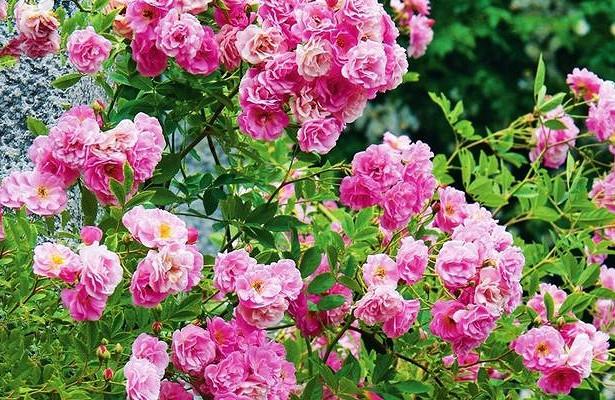
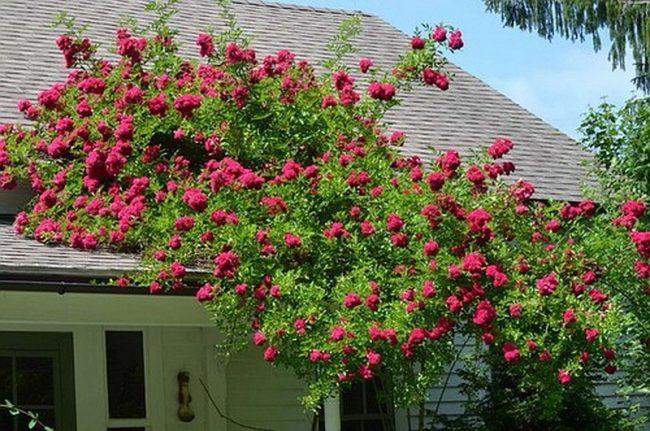
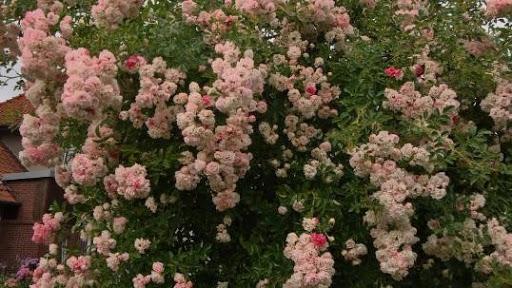
The shoots reach a height of 3.5-4 meters. The bush spreads up to 2 meters in width. By the end of June, buds with crimson petals begin to open. The flowers are 3.5-5.5 centimeters in diameter. The buds open throughout the month.
Super Excelsa roses adorn balconies, gazebos, and arches. They look beautiful when grown on a standard.
Ramblin' Rector
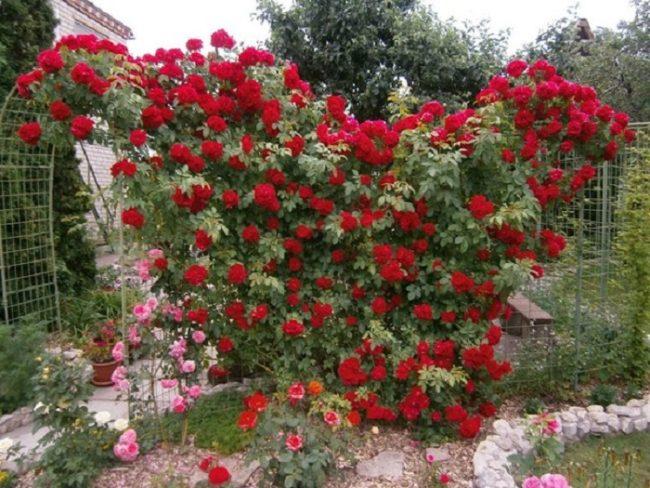
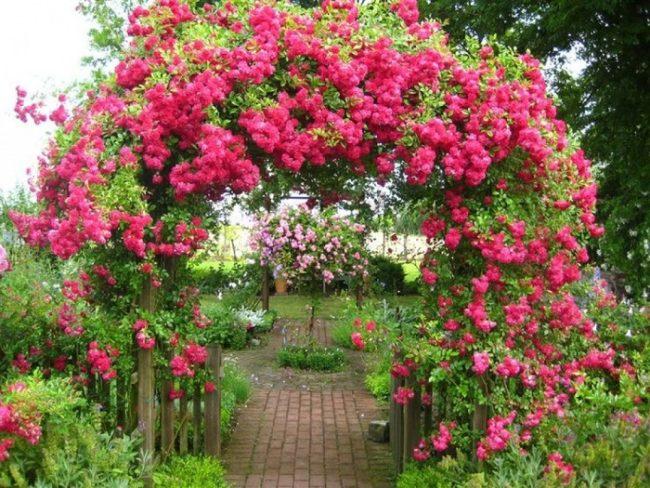
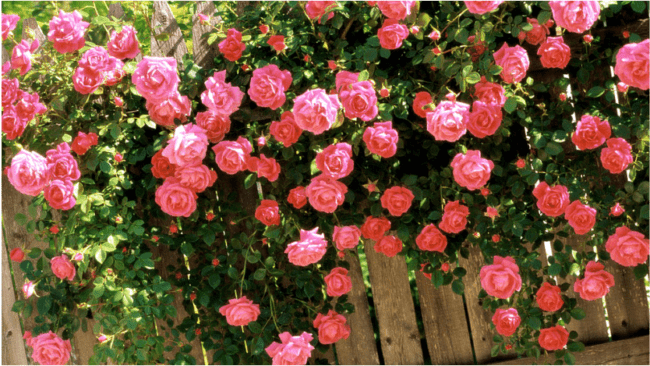
The bushes produce shoots up to 5 meters long. In midsummer, semi-double buds, 3.5 centimeters in diameter, bloom. Initially creamy white, they later turn brown. After flowering, orange fruits form.
Ramlin Rector shoots can be used to twine around pillars and pergolas.
Bobby James
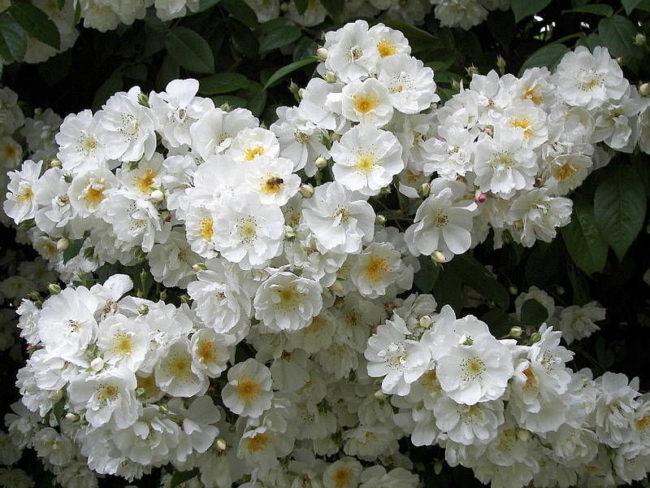
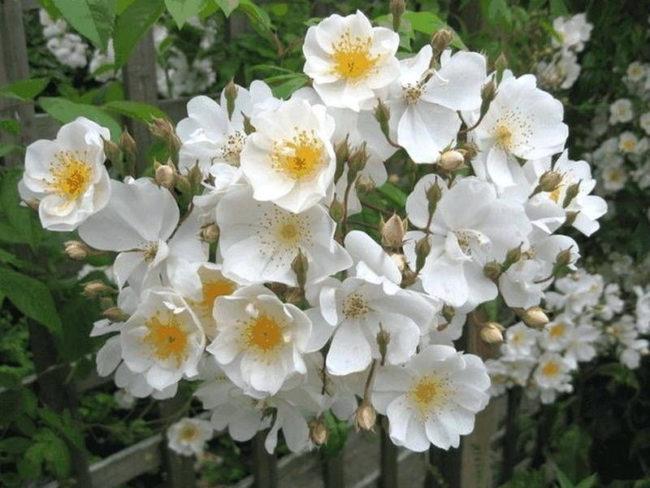
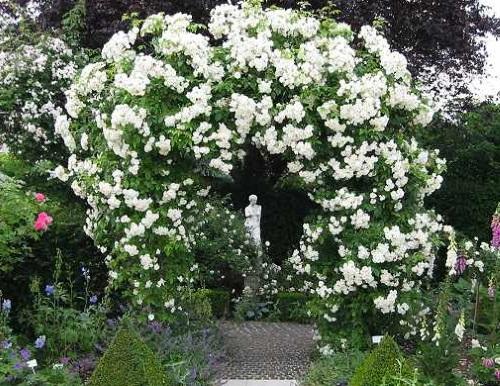
The bush reaches a height of 5 meters and a width of 3 meters. Creamy-white inflorescences appear in early summer. The petals on the bud are arranged in two rows. It blooms once for two weeks. During this period, the foliage is almost invisible due to the abundance of buds.
The Bobby James rose looks beautiful in large gardens. It is used to decorate arches and trees.
Climbing and climbers
These plants are designed for vertical gardening. Their vigorous shoots, depending on the variety and care, reach heights of 2-7 meters. Climbing plants are characterized by their ability to bloom repeatedly. Large buds form, either singly or in clusters.
Sympathy
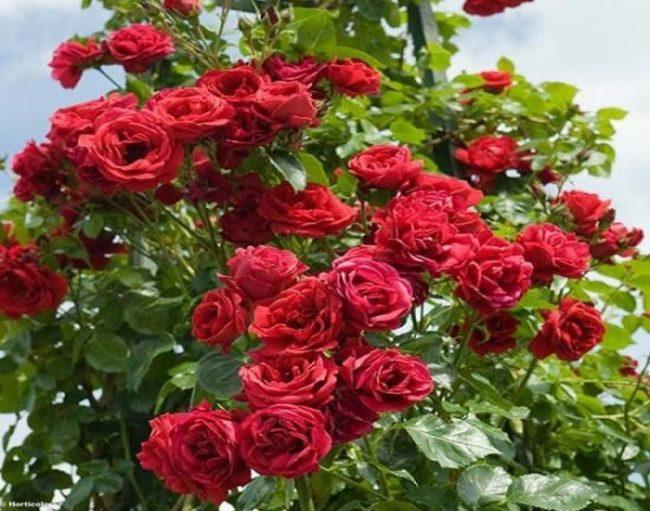
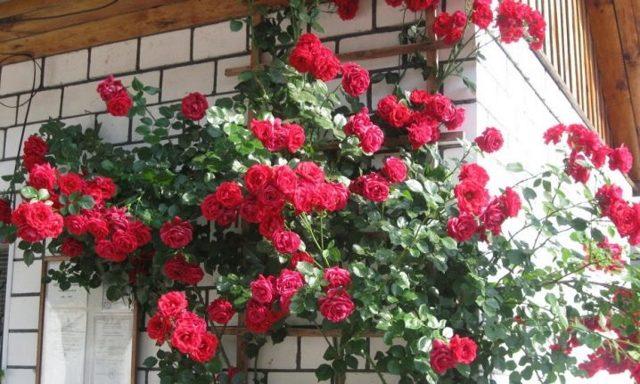

A mature plant reaches a height of 5 meters. The plant spreads to 2 meters in width. The flowers are deep red. The buds, when open, are 8-10 centimeters in diameter. Flowering begins in June. After a short break, a second flush of blooms begins.
The Sympathy rose grows quickly and tolerates winter frosts well. It is used for vertical landscaping.
Golden Gate
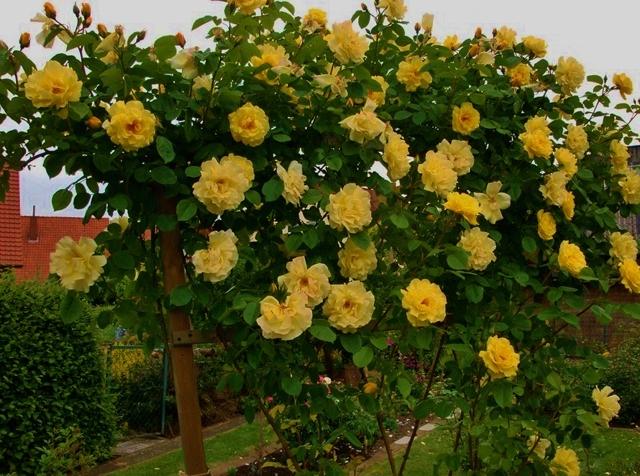
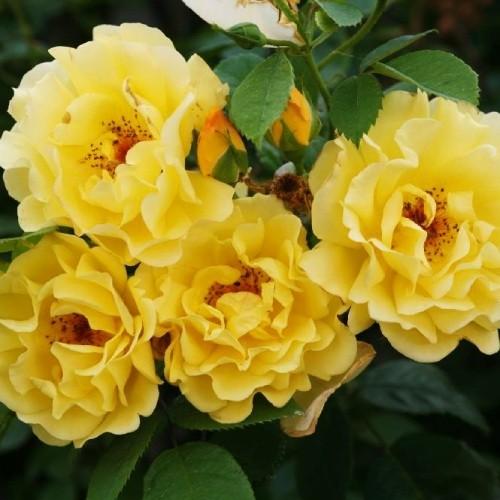
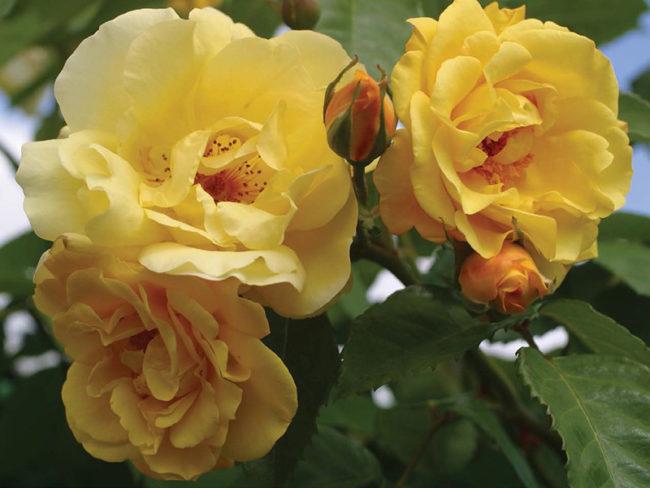
The plant's shoots are vigorous and upright, growing up to 2.5 meters. The flowers are bright yellow, 9-10 centimeters in diameter. The inflorescences consist of 5-10 buds. During flowering, they exude a citrus aroma.
Golden Gate rose is planted near gazebos, terraces, and used as a solitaire against the background of a lawn.
Indigol
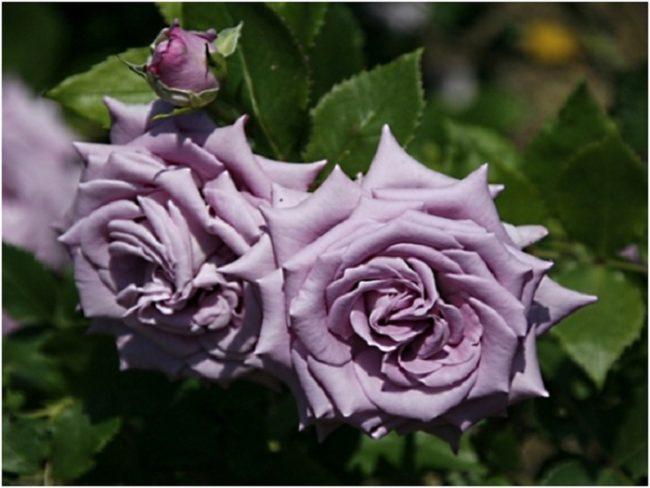
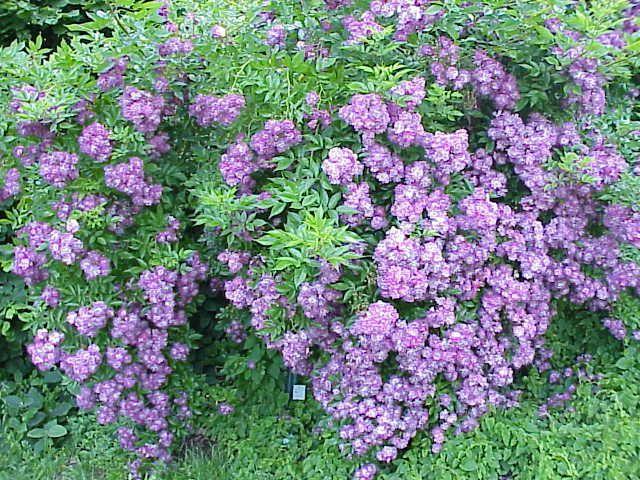
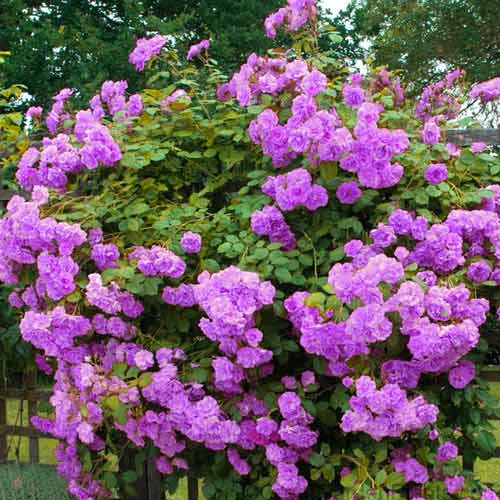
The bushes reach a height of 2.5-4 meters and a width of 1.5 meters. The bud consists of 22-30 lilac-colored petals. One or more flowers form on the stem. The first flush of blooming begins in late spring or early summer. Then comes a break, after which, in late August or early September, the branched rose Indigoletta blooms again.
Indigoletta is used to decorate the entrance to a house or a gazebo; its vines are grown along an arch or pergola.
Polka
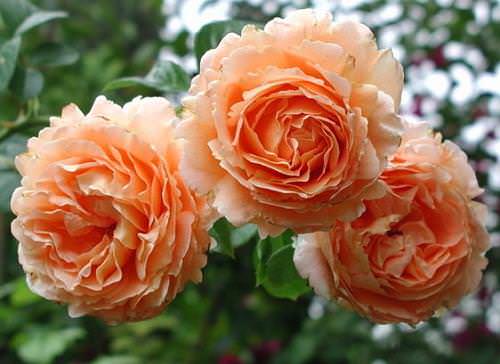
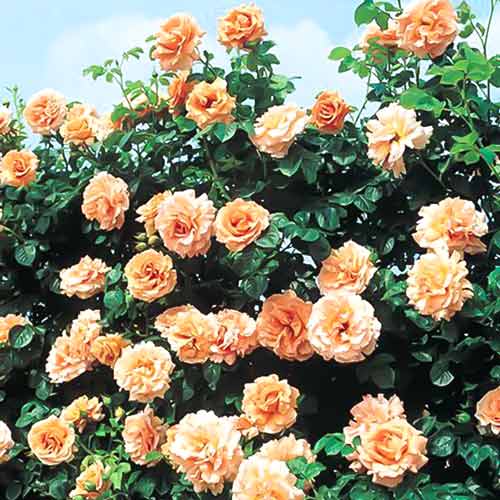
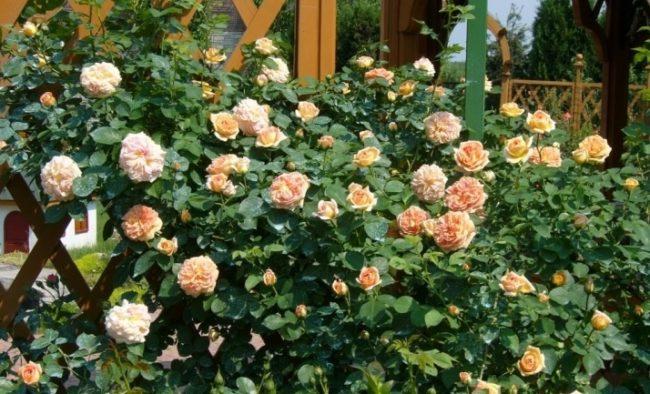
The rose stems reach a height of 3 meters. When the buds are half-open, the petals are a delicate apricot color. When fully open, the flowers turn salmon pink. A distinctive feature of this variety is the wavy edges of the petals. The climbing Polka blooms twice a season.
When reblooming, the buds appear brighter and last longer on the shoots. Polka looks beautiful when planted alone.
Santana

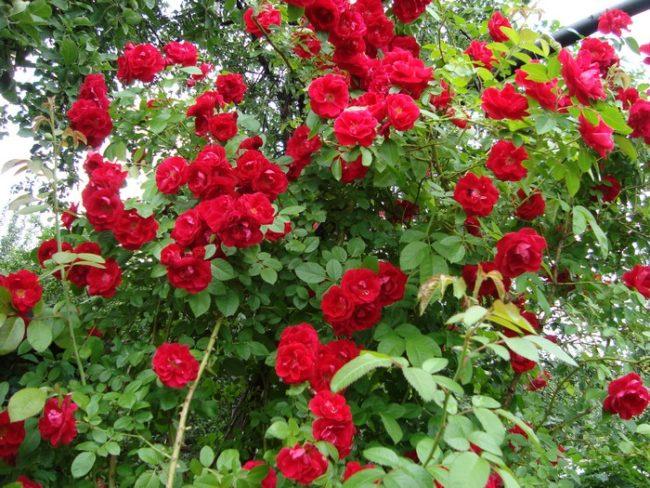
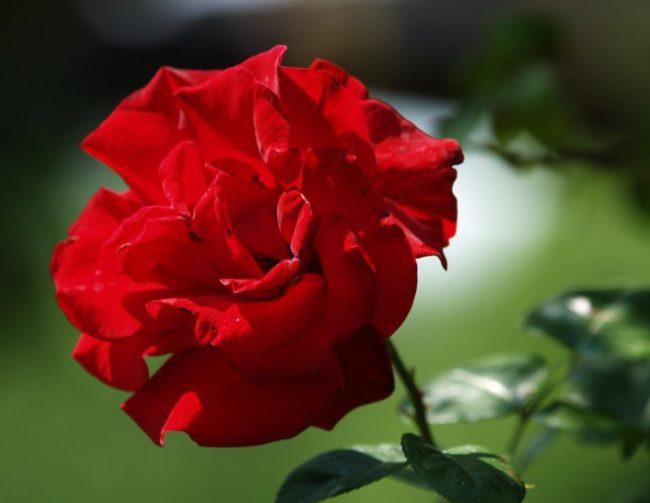
The rose produces shoots up to 3 meters long. The bushes reach 2 meters in diameter. The inflorescences consist of 3-7 semi-double, bright red flowers. The buds, 8-10 centimeters in diameter, cover the shoots from top to bottom. It blooms in early and then late summer.
Santana roses are used as a hedge, decorate the area around gazebos, and camouflage outbuildings.
Elf
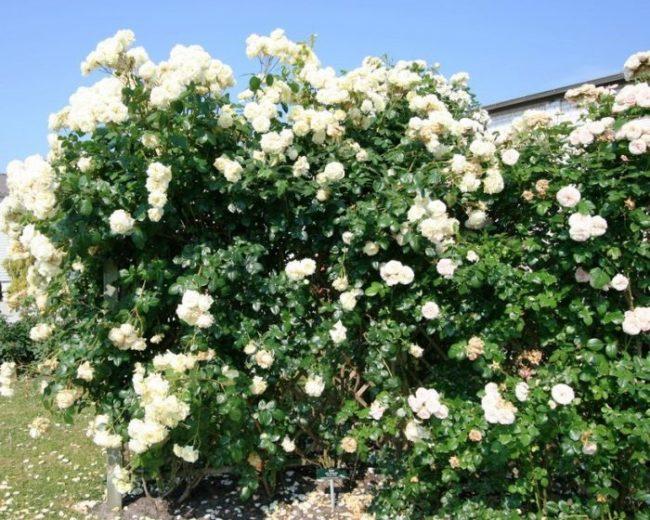
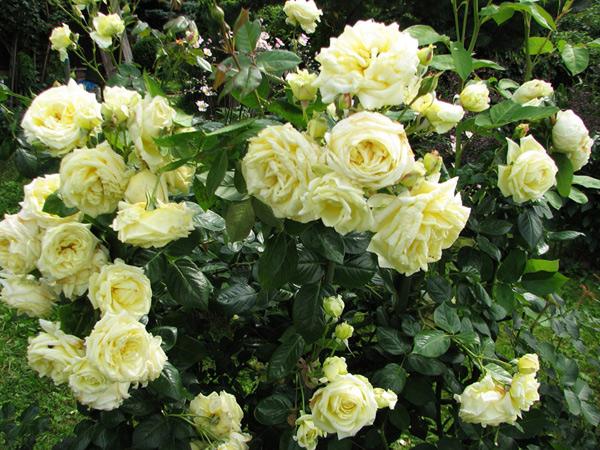
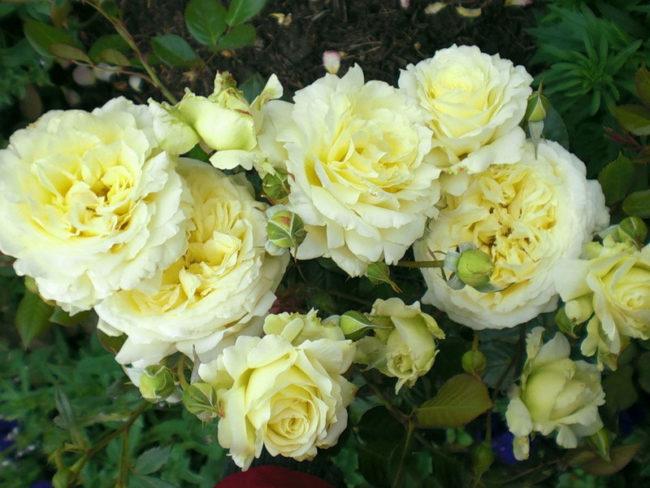
This recently developed variety quickly gained a great popularity among gardeners. The Elf rose is prized for its densely double, ivory-colored buds. A single bloom contains up to 100 petals. When fully open, the buds reach up to 14 centimeters in diameter. The stems extend upwards for up to 3 meters.
Elf is used to decorate a romantic garden. A plant with light-colored flowers will visually expand the garden space.
Peculiarities of growing roses
Climbing roses grow in the same spot for many years, so choosing a site carefully is crucial. Seedlings are purchased from reputable sellers at a nursery or garden center. Experienced gardeners know how to select bushes. Beginners should be wary of dents, spots, or growths on the shoots. Such seedlings are likely infected with pathogens and may soon die.
Site selection and preparation
Choose a sunny location for planting roses. If you're planting a rose whose petals are prone to fading, choose a spot that's shaded during the hot midday sun. The area should be protected from cold winds. Maintain a distance of 50-100 centimeters from buildings.
Climbing roses are planted in loose, fertile soil. If the site is prone to flooding after rainfall or snowmelt, plant the rose on a raised bed. Otherwise, the root system, and subsequently the entire plant, may become susceptible to disease.
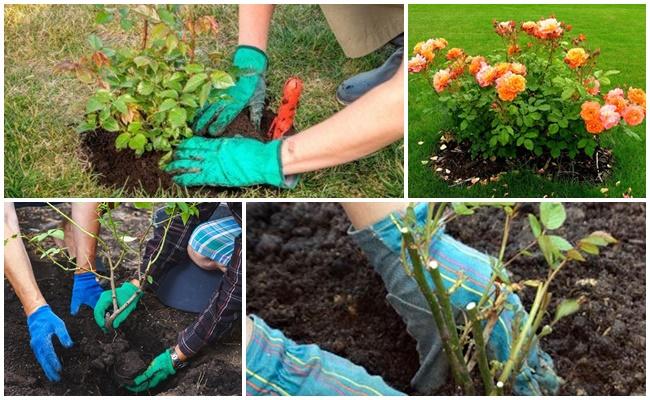
The area is dug over and leveled. If the soil is too light and sandy, add clay, leaf mold, and turf. Otherwise, moisture will evaporate too quickly after watering. Sand and compost are added to heavy soil. Wood ash is used to increase the soil's nutrients and, if necessary, to alkalize the soil.
Important! Groundwater where climbing roses are planted should not be too close to the soil surface. This can lead to disease and death of the plant.
Preparing seedlings
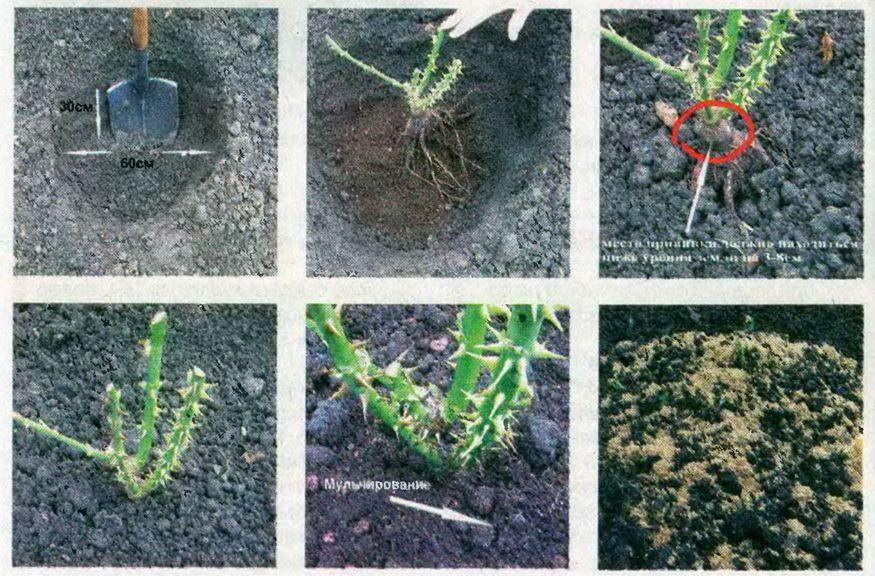
The bushes are inspected. If the root system was damaged during transportation, it is trimmed back to healthy parts. To disinfect, the rose is placed in a container with a potassium permanganate solution for 2-3 hours. The leaves are completely removed from the bushes.
Roots that are too long are trimmed. Shoots are also shortened: they should not be longer than 30 centimeters. If grafted roses have branches growing below the scion, they are removed. Otherwise, they will develop into rose hips. This procedure is performed with sharp, disinfected pruning shears.

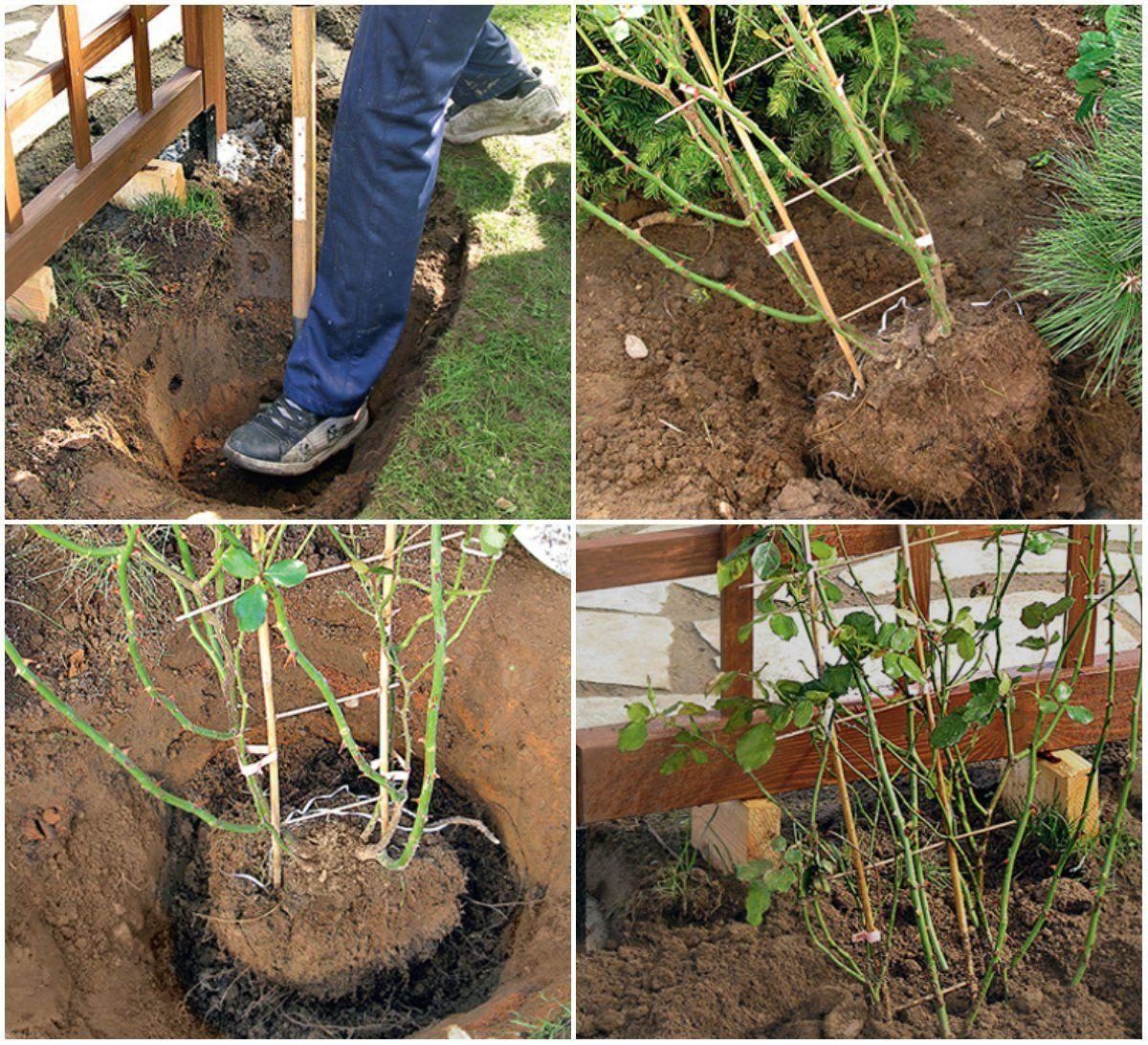
Planting dates and patterns
Gardeners choose the planting period based on their climate. Autumn is the best time. However, in colder regions, seedlings may not have time to establish before frost sets in. Therefore, other planting periods are possible.
Climbing roses grow 1.5-2 meters wide. Therefore, if the bushes are planted in a single row, the specified distance must be left between them. The root system should be positioned away from the building wall. Otherwise, the roots may dry out.
Spring
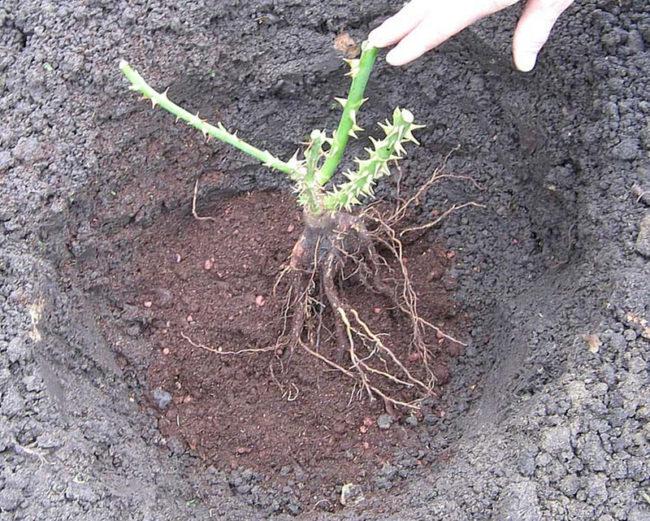
This is a good time to plant shrubs in colder climates. Over the summer, the seedlings will take root well and develop strong shoots. Established plants will survive the harsh winter well. Roses planted in the spring may initially experience some delays in development.
Summer
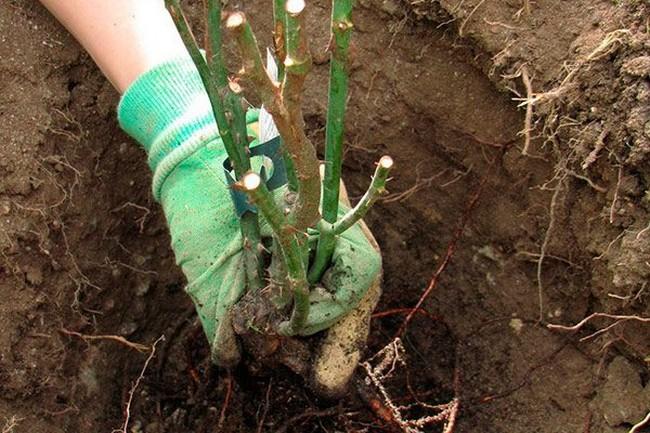
Planting is undesirable during this period due to hot weather. If a gardener missed planting in April or May, they can do so no later than June. Typically, closed-root plants are planted at this time. This prevents the root ball from disintegrating, and the bushes will more easily establish themselves in their new location.
Autumn
This period is preferable because a large number of seedlings are available for sale. These usually have flowers, making it easier for gardeners to choose a preferred variety. Autumn also brings favorable weather conditions for rooting.
Autumn is a good time to plant roses in warmer climates. Planting begins in September and ends 20-30 days before the expected frost. If the bushes don't have time to establish themselves, they will freeze over the winter. If a gardener doesn't plant the rose in time, they can bury it and then cover it thoroughly with a thick layer of mulch.
Watering
The soil under the bushes is watered once a week. A young seedling receives 10 liters of water, while a mature plant receives at least 20 liters. If there is frequent rainfall in the summer, the frequency of watering in open ground should be adjusted. Roses do not respond well to waterlogging around the roots and may become diseased.
Water the plant in the morning or evening. Use warm, settled water. Overhead watering is avoided, as it can cause leaf burn. Furthermore, moisture on the above-ground portions of the plant can promote fungal growth.
Fertilizing bushes
To ensure beautiful and long-lasting blooms, roses require careful care. The year of planting, the plant doesn't require additional fertilizer. If planted in fertile soil, it will have sufficient nutrients. The following spring, the bushes are fed with nitrogen, which promotes the growth of vigorous shoots. During the budding period, mineral fertilizers designed for beautifully flowering plants are applied.
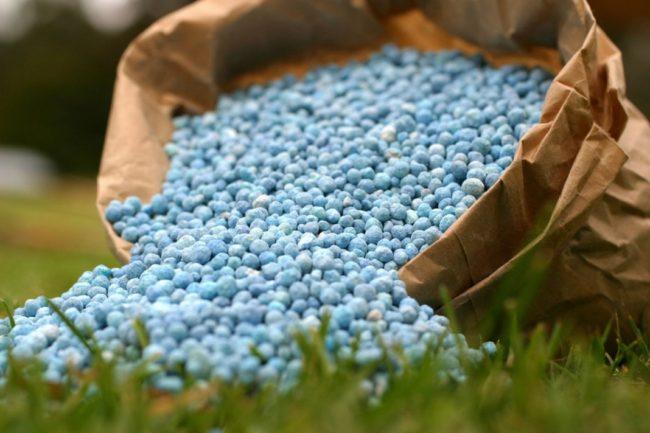
It's important to ensure that nitrogen isn't the leading ingredient in the composition. During bud formation and bloom, roses require phosphorus, potassium, manganese, and calcium. Nitrogen can inhibit flower formation. After the first flush of bloom, a potassium-phosphorus mixture is added to the soil. In the fall, potassium is used to ensure roses survive the winter.
Mulching and loosening the soil
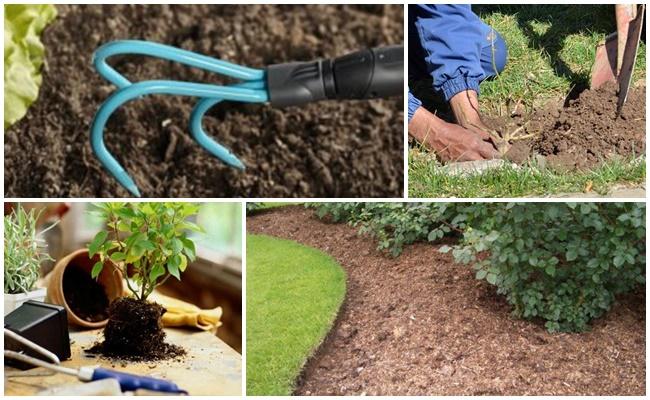
After each watering, gently loosen the soil around climbing roses. This procedure prevents a crust from forming on the soil surface. Loosening the soil helps air penetrate to the root system.
If the soil around the bushes isSprinkle mulch over the soil to retain moisture deeper in the soil. Plants can be watered less frequently. Straw, compost, grass clippings, and tree bark are all good mulching materials.
Pruning and shaping climbing roses
For ramblers that bloom on the previous year's shoots, only frozen, dried, and diseased stems are pruned in the spring. New branches grow each season. After five years, rejuvenation pruning is performed, cutting back old shoots after flowering. A mature bush should have 7-8 branches.
Climbers and climbing roses bloom on the current season's stems. Branches formed in previous years also produce inflorescences. However, with each new season, their number decreases. Therefore, old shoots are periodically cut back to the ground. Climbing roses should be pruned with a sharp, disinfected tool.
Preventive treatments
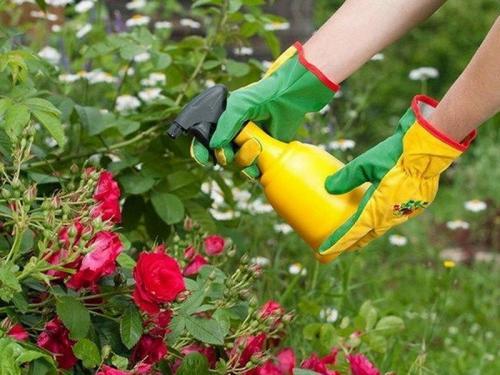
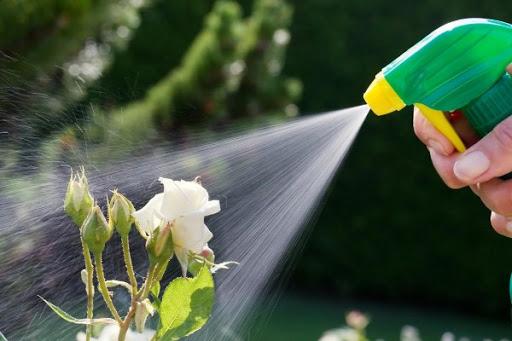
If improperly cared for or exposed to unfavorable climatic conditions, the plant can become susceptible to diseases and pest infestations. To prevent this, the bushes need to be treated with special preparations.

Insects and other pests
The main pests of climbing roses are aphids and spider mites. Young shoots are especially susceptible to these insects. These pests feed on the cell sap, reducing the bush's decorative appeal. In addition to these insects, rose bushes can be attacked by leaf rollers, thrips, and cicadas. To protect them, treat the plants with insecticides according to the instructions.
Diseases
Climbing roses can be affected by powdery mildew, black spot, and gray mold. These diseases are usually caused by overwatering. Therefore, it's important to monitor the frequency of watering. Treat the bushes with copper-containing fertilizers three times per season. To boost immunity, apply potassium and phosphorus after flowering.
Wintering and shelter
In the south, roses grown outdoors overwinter well without covering. In colder regions, they need proper protection, otherwise they may not survive the frosty winter. Choose one of the methods below.
Air-dry method
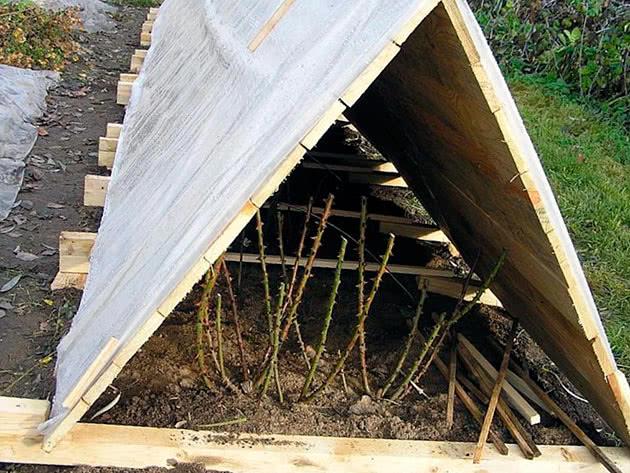
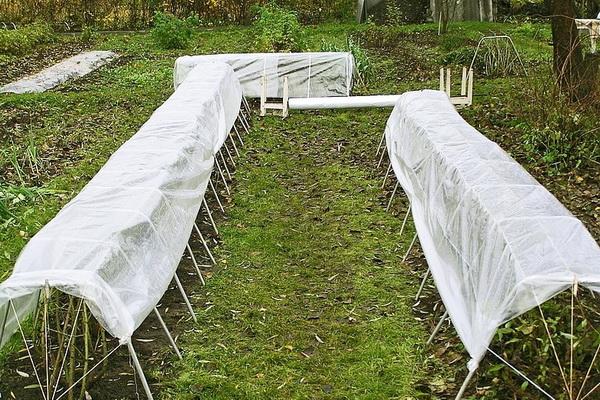
This method is used when planting roses as a single mass. A frame is built around the perimeter of the rose garden. Boards are placed on it and covered with roofing felt, spunbond, or lutrasil. To prevent the covering material from collapsing under the weight of snow, a fine-mesh mesh is laid on top. The air gap will protect the plants from frost and excess moisture during thaws. If the covering area is large, the plants overwinter better due to the comfortable temperature created.
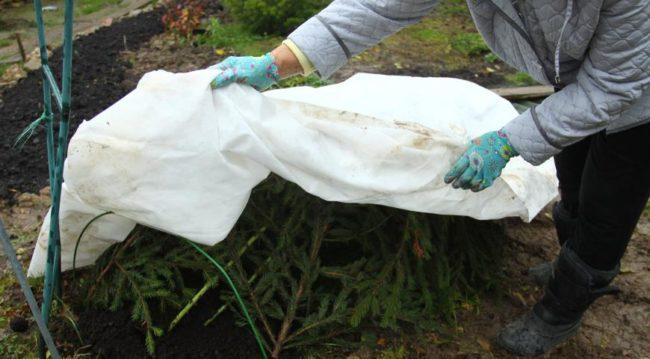
Important! Before installing the structure, remove the shoots from their supports and trim them if necessary. Then lay them on a bed of spruce branches.
Frame shelters
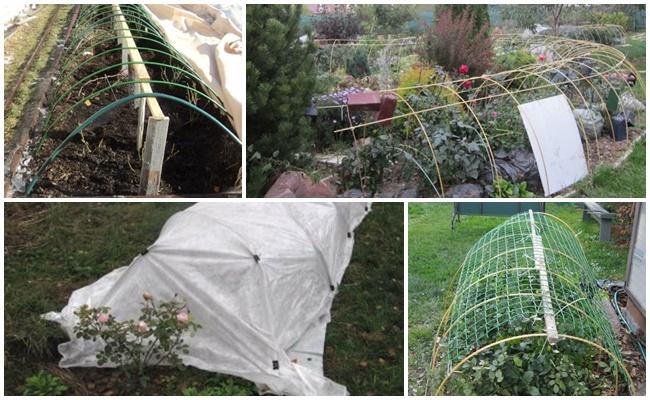
This method is suitable for individually covering plants. A frame can be constructed over each bush using readily available materials. The structure is covered with lutrasil or agrofibre.
The material at the bottom is reinforced with stones or bricks. A plastic film can be placed on top. However, it shouldn't be secured tightly, as greenhouse conditions can cause the roses to rot. As soon as the sun warms up in spring, the covering is gradually removed.
Shields for roses
Wooden boxes are usually available at the dacha. These can be used to create shelter for the bushes. One wooden shield is used for a young plant. If the rose is branched, a structure is constructed from several boxes. This is covered with roofing felt or lutrasil. To prevent water from accumulating on the roof during snow melt, the shields are installed at a slight angle.
Transfer
If for some reason a rose doesn't take root, it can be replanted. This procedure is carried out in spring or fall. It's important to note that 1-3-year-old seedlings will tolerate replanting best. The shoots are removed from their supports. Climbers and climbing roses should be lightly pruned, while ramblers should be left untouched.
The transplant is performed as follows:
- dig a planting hole in a new location;
- dig around the bush from all sides;
- they remove it from the hole together with a lump of earth;
- placed in a new hole, covered with earth on all sides;
- watered generously.
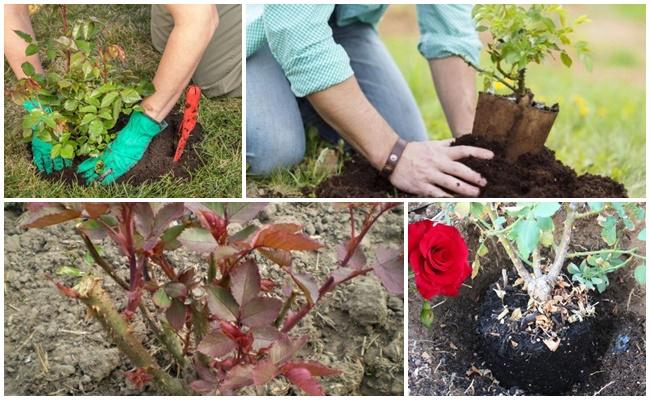
The root zone is mulched to retain moisture. The root collar should not be buried too deep, otherwise the bush's growth will be stunted.
Methods of reproduction
Climbing roses can be propagated using shoot cuttings or layering. Seed propagation is not used due to its labor-intensive nature. Furthermore, this method does not guarantee the preservation of parental traits. For example, the double petals may disappear. Cuttings are the most successful and frequently used method of propagating the plant.
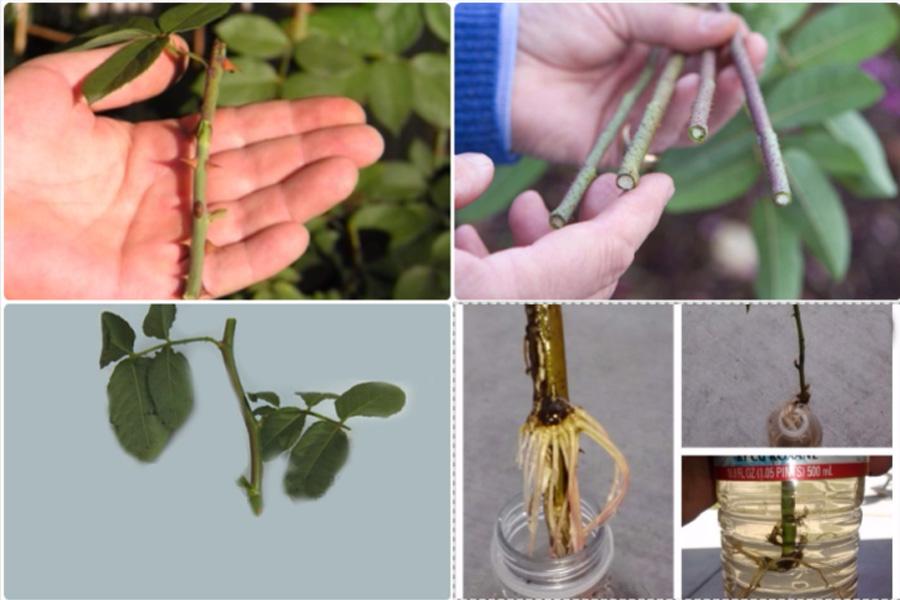
Cuttings
The procedure begins at the beginning of June as follows:
- cuttings are cut into 15-18 centimeters long;
- cut off the leaves growing from below;
- the cuts are powdered with Kornevin;
- cuttings are planted in containers filled with a mixture of sand and peat;
- cover with film.
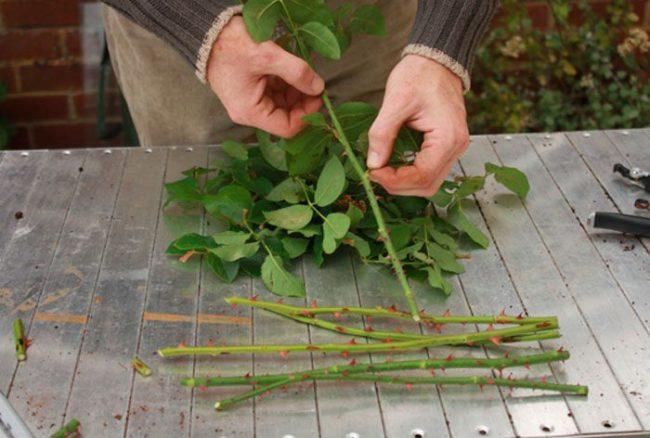
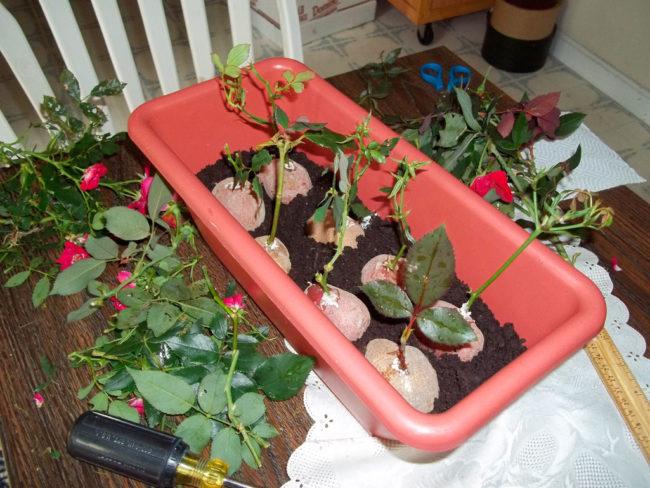
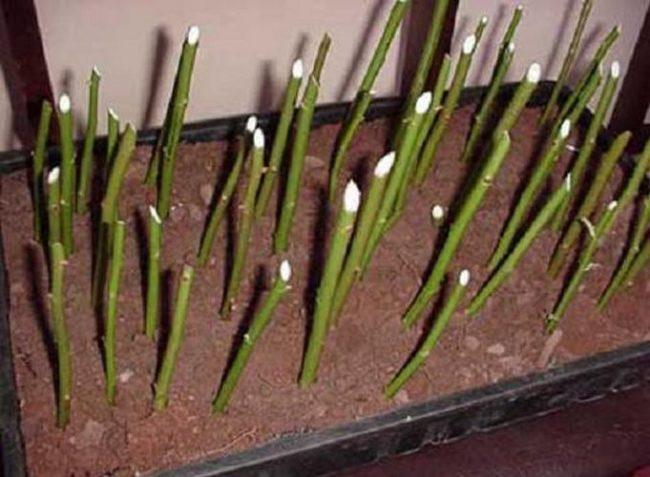
Place the container with the cuttings in a well-lit area, but out of direct sunlight. The young bushes are planted in their permanent location the following year.
Layering
This method is used to propagate climbing roses in the spring. To do this, make a 10-12 centimeter deep furrow near the bush. The shoot is stripped of leaves, made a cut, and placed in the prepared trench. The shoot is secured with a piece of wire and covered with soil.
Throughout the season, the planting site is tended to: watered, loosened, and weeded. For the winter, the cutting should be insulated. The following spring, the rooted plant is separated from the parent bush and planted in its permanent location.
Please note! Climbing roses can be propagated by grafting onto rose hips. However, this is usually done by specialists with experience in this type of work.
Difficulties encountered during cultivation
An inexperienced gardener may encounter several difficulties when growing this crop. The main ones are:
- The rose isn't blooming. A possible cause is overfeeding the plant with nitrogen fertilizer. This substance is only necessary in the spring to promote strong shoot growth. Later, too much nitrogen can inhibit the formation of flower buds.
- The plant is susceptible to disease. Roses don't like stagnant soil, as this exposes the root system to pathogenic microorganisms. The bushes should be planted at a slight elevation. Additionally, a drainage layer of stones or expanded clay should be placed at the bottom of the hole.
- After pruning, flower buds aren't forming. This means the procedure wasn't performed correctly. Keep in mind that ramblers bloom only on last year's growth. If they're cut back too short, they won't bloom this year.
- After removing the covering, I discovered that the rose had rotted. If this problem occurred, it means the covering was removed too late. Or, conversely, the weather was still warm in the fall, and the plant had already been covered for the winter. Cover the bushes after the temperature has been stable at -5°C for several days.
- After the first flush of flowering, a second flush does not occur. The likely cause is dried-out buds remaining on the shoots. If these are not cut off, the lateral buds have difficulty awakening and forming flowers.
Climbing roses decorate a garden plot. They can be used to demarcate areas. Planting them as a hedge allows the plot to be screened from neighbors without a fence. Long vines can be used to climb arches or pergolas. To ensure long-lasting decorative beauty, roses require proper care, as described above.
Related posts:
 Top 12 Floribunda Rose Varieties: Planting and Care in the Open Ground
 Top 4 indoor rose varieties, their cultivation and care at home
 Description of the Santana rose variety and planting and care instructions for outdoor use
 Top 8 varieties of hollyhocks and rules for planting and caring for them in open ground
 Description and characteristics of the Gloria Day rose, planting and care instructions
 Top 50 best new rose varieties of 2025 with descriptions and characteristics
 When is the best time to transplant roses and how to do it correctly?
 Top 16 Best Hybrid Tea Rose Varieties: Planting and Care in the Open Ground