
- Selection and varieties of varieties
- Features of growth and flowering
- Advantages and Disadvantages of Growing Gloria Day Roses
- Examples of use in landscape design
- Planting and caring for the plant
- Choosing a landing site
- Preparing the seedling
- Planting dates and patterns
- Watering regime
- Top dressing
- Pruning and shaping
- Protection from insects and diseases
- Preparing for the winter period
- Propagation of the Gloria Day variety
- Layering
- Cuttings
- Difficulties encountered during cultivation
Hybrid tea roses are one of the most popular varieties. They decorate urban landscapes and home gardens. The most famous hybrid tea rose is Gloria Day. Its delicate yellow-pink blooms will decorate and add a unique touch to any garden. Below is information on planting and care, propagation, and the challenges of growing this plant.
Selection and varieties of varieties
The hybrid tea rose Gloria Day was developed by the French breeder Francis Meilhan. He named the flower Madame Meilhan in honor of his mother, who died young. The rose is still known by this name in France. In Germany, the variety is known as Gloria Dei. From there, the rose made its way to Russia, where it is also called Gloria Dei. The British and Americans named it Peace, while the Italians called it Gioia.
Breeders have developed various varieties of Gloria from this cultivar. The most famous is Gloria Day Climbing, whose stems reach 3 meters in length. Its petals are bright yellow; the edge is a soft pink. This climbing rose blooms intermittently from June until frost.
Features of growth and flowering
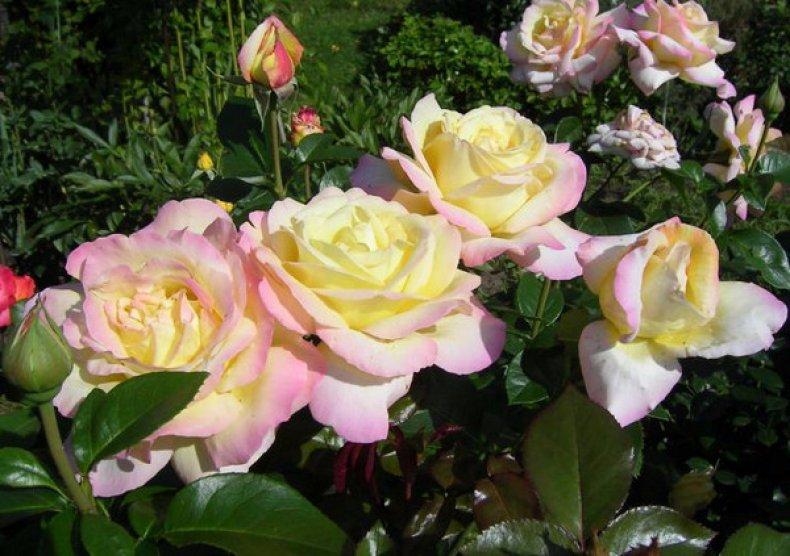
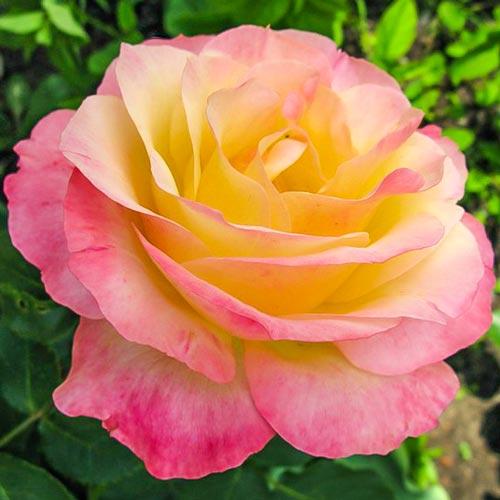
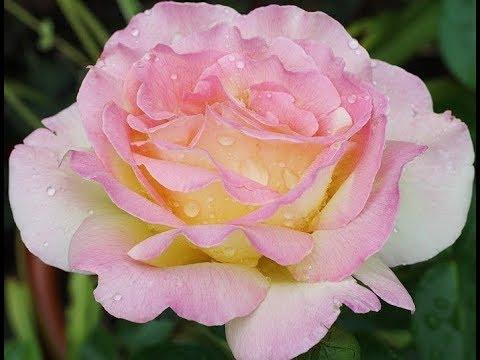
Gloria Day's shoots reach a height of 1.5 meters. The sturdy stems are thorned. The leaves are bright green and glossy. When open, the bud reaches a diameter of 15 centimeters, containing up to 45 petals. The bud is a soft yellow, with pale pink petal edges.
The buds open in June. Then there's a short break, followed by a second bloom. The buds can form right up until the first frost. During flowering, the bushes exude a subtle, honey-fruity aroma.
Advantages and Disadvantages of Growing Gloria Day Roses
Gardeners highlight the following advantages of growing this variety in their garden:
- beautiful flowering;
- buds are formed throughout the season;
- the rose can be used for cutting;
- frost resistance;
- ease of care.
One drawback is that the petals may fade when exposed to hot sunlight. However, this can be avoided by keeping the bush shaded at midday.

Examples of use in landscape design
Gloria Day will look stunning when grown alone against a backdrop of green grass. The bush with its delicate, fragrant buds will steal the show. It will also stand out beautifully when surrounded by low-growing, ornamental foliage shrubs.
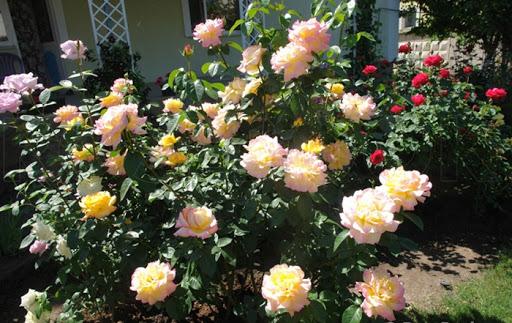
Conifers pair well with roses. Gloria Day can also be planted in a rose garden. Given its stems reach 1.5 meters in length, it should be planted in the background. Another option is to use it as a hedge.
Planting and caring for the plant
Roses can grow in the same spot for many years. Therefore, the planting site must be carefully selected. Crop rotation must be observed, and rose bushes should not be planted after plants in the Solanaceae family. Care includes timely watering, periodic fertilizing, and pruning.
Choosing a landing site
Choose a well-lit area for the rose. Ideally, it should be shaded during the hot midday sun. Exposure to strong sunlight can cause the flowers to fade. The groundwater level in the area where Gloria Day is planted should be low. It's best to plant the rose after legumes or green manure.
Preparing the seedling
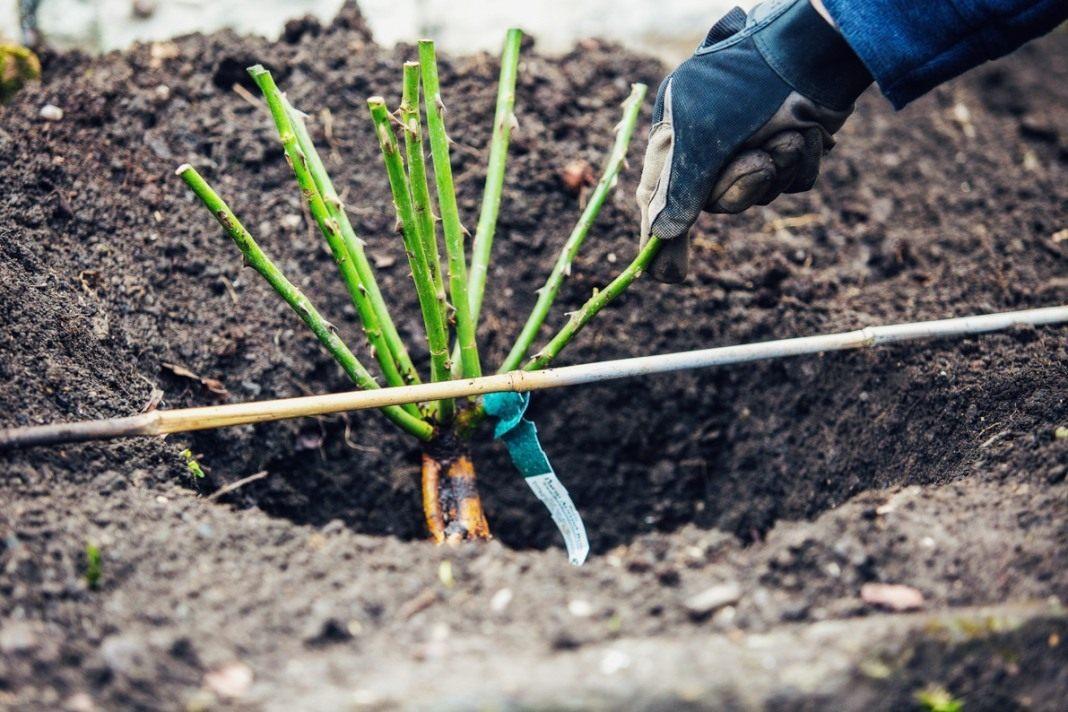
The root system is lightly trimmed before planting. This will stimulate the growth of small roots. If the seedling has been in transit for a long time, place it in a container of water for 2-3 hours. For disinfection, potassium permanganate crystals can be added 20-30 minutes before planting. Weak shoots are removed, and the remaining shoots are shortened to 3-4 buds.
Planting dates and patterns
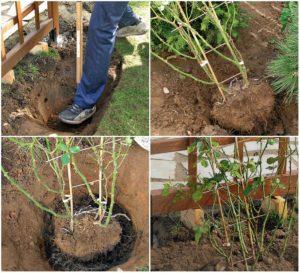
In cool climates, roses are planted in the spring. Before frost sets in, the seedlings will root well and develop shoots. In warmer climates, they can be planted in the fall. Follow these steps:
- dig a hole measuring 60x60 centimeters;
- lay out a 10-centimeter drainage layer;
- add a fertile layer consisting of garden soil, compost, peat, and sand;
- straighten the roots and cover them with soil;
- watered generously.
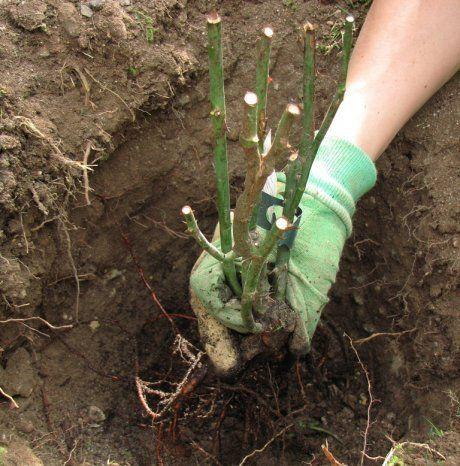
To retain moisture, the root circle is sprinkled with mulching material.
Watering regime
Water the soil after the top layer has dried out. At least 20 liters of water should be poured under a mature plant. Stagnant moisture is unacceptable, as the rose can be attacked by pathogens. Water the bushes with warm, settled water in the morning or evening.
Take a look Also

Please note! Do not sprinkle the plants. High humidity can lead to fungal diseases.
Top dressing
In spring, nitrogen is added to the root zone. This will encourage roses to rapidly develop foliage. Before each flowering period, organic fertilizer is applied in the form of an infusion or solution. In the fall, potassium and phosphorus are added to promote a healthy overwintering of the plants. These nutrients are added to moist soil.

Pruning and shaping
Hybrid tea roses bloom on the current year's growth. Therefore, they are moderately pruned each spring. The bushes are trained to leave an open center. This is necessary to prevent fungal diseases. During the season, sanitary pruning is performed: wind-broken and diseased shoots are removed. Faded buds and portions of the stem are also cut off. This procedure is carried out with disinfected tools.
Protection from insects and diseases
As early as early spring, aphids can attack rose bushes. These insects weaken the plant by sucking sap from leaves and young shoots. To protect against aphids and other pests, roses are treated with insecticides. Under unfavorable weather conditions, the plant can be affected by fungal diseases. Roses do not tolerate excess moisture near the root system, as well as overhead watering. Fungicides are used to prevent and treat diseases.
Preparing for the winter period
After the last flowering, apply potassium fertilizer to the root zone. To ensure the bushes survive the winter, water them in mid-autumn to replenish moisture. When the frost sets in, mound the bushes with compost or garden soil. Cover the rose with spruce branches.
Propagation of the Gloria Day variety
A gardener can easily propagate a rose on a plot using layering or cuttings.
Layering
The procedure for propagation using this method is carried out as follows:
- furrows are made around the bush;
- the outer shoots are bent over and the foliage is removed from the area where they touch the ground;
- Place the branches in the furrows and secure them with staples;
- Throughout the season, care is provided, which consists of watering, loosening the soil, and removing weeds.
The rooted shoot is separated from the parent bush and planted separately.
Cuttings
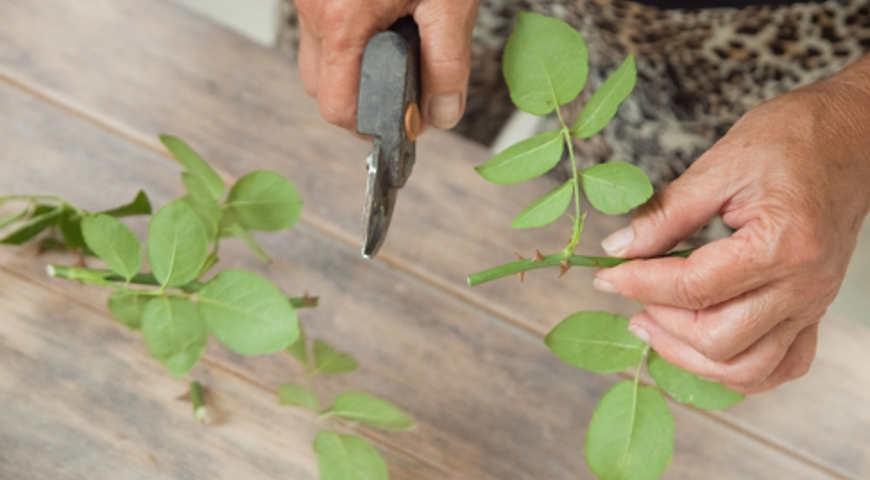
Roses are propagated by cuttings in early summer. Semi-woody shoots are used for this purpose. The procedure is as follows:
- cuttings 8-12 centimeters long are cut from the middle part of the stems;
- the lower leaves are removed;
- the cuttings are dipped in root formation stimulator powder;
- plant the cuttings in loose, fertile soil;
- watered, covered with film or glass container.
The covering is removed periodically, and the cuttings are watered. Once they take root and produce new leaves, the young bushes are transplanted to their permanent location.
Difficulties encountered during cultivation
Beginner gardeners may encounter some difficulties when growing Gloria Day. The most common issues they encounter are:
- The rose is growing green foliage, but there's no bloom. A possible cause is excess nitrogen in the soil. Roses only need this nutrient in early spring. After that, the plant needs potassium and phosphorus.
- The bushes are growing poorly, and the flowers are small. This problem can occur if the plant is overwatered. Roses shouldn't be watered daily with small amounts. The soil beneath them should be irrigated once a week, applying at least 20 liters of water.
- During repeated blooming, few buds develop. To ensure the rose blooms throughout the season, after the first flush of bloom, the buds that begin to dry out, along with part of the shoot, are cut off. This procedure stimulates the formation of lateral stems bearing flowers.
- After treating the leaves with special chemicals, burns appear. The gardener may have prepared a solution with too much chemical. Be sure to follow the instructions on the packaging.
- Leaves are curling, turning yellow, and falling off. This problem can occur due to pests or pathogens. The bushes are inspected and the necessary treatments are applied.
- Rose damping off. This occurs when the covering isn't removed in time. As soon as the threat of frost has passed in the spring, the mulch is raked away from the root system.
Growing Gloria Day is within the reach of any gardener. By learning how to care for this plant, you'll enjoy its beautiful blooms for seasons to come.
Related posts:
 Top 12 Floribunda Rose Varieties: Planting and Care in the Open Ground
 Top 50 best new rose varieties of 2025 with descriptions and characteristics
 Top 4 indoor rose varieties, their cultivation and care at home
 Growing Climbing Roses and the Top 10 Varieties, Planting, and Care in the Open Ground
 Top 7 varieties of shrub roses, their planting and care in open ground for beginners
 Description of the Cordana rose, planting and care at home
 Description of the Santana rose variety and planting and care instructions for outdoor use
 When is the best time to transplant roses and how to do it correctly?