
- Description and selection of the variety
- Features of flowering
- Advantages and disadvantages of using in landscape design
- Planting Leonardo da Vinci roses
- Site selection and preparation
- Timing and technology of planting
- Further care
- Watering
- Top dressing
- Trimming
- Loosening and mulching
- Preparing for the winter period
- Diseases and pests of the variety
- Reproduction
- Difficulties arising from improper care
Gardeners are always drawn to rose varieties with double, goblet-shaped flowers. These plants are used in landscaping city parks and residential areas. The Leonardo da Vinci rose has approximately 75-80 bright pink petals per bud. This variety is easy to care for and blooms profusely until frost. Below is information on planting, subsequent care, and propagation. We also discuss the difficulties that arise from improper care.
Description and selection of the variety
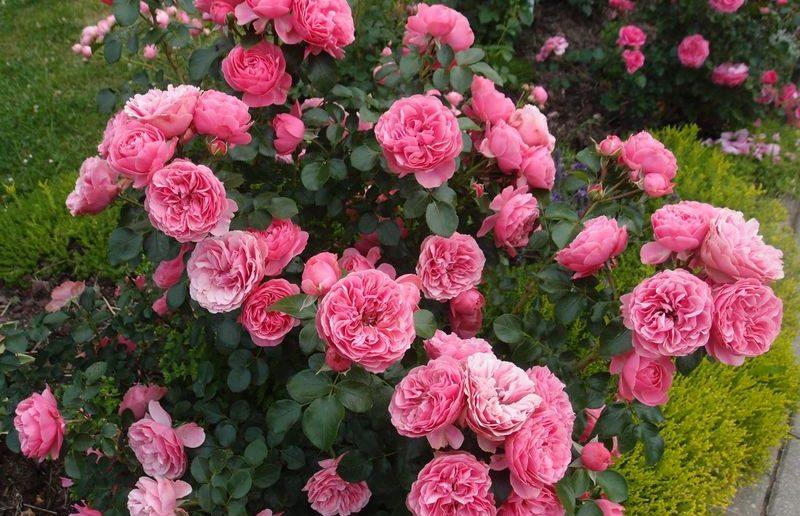
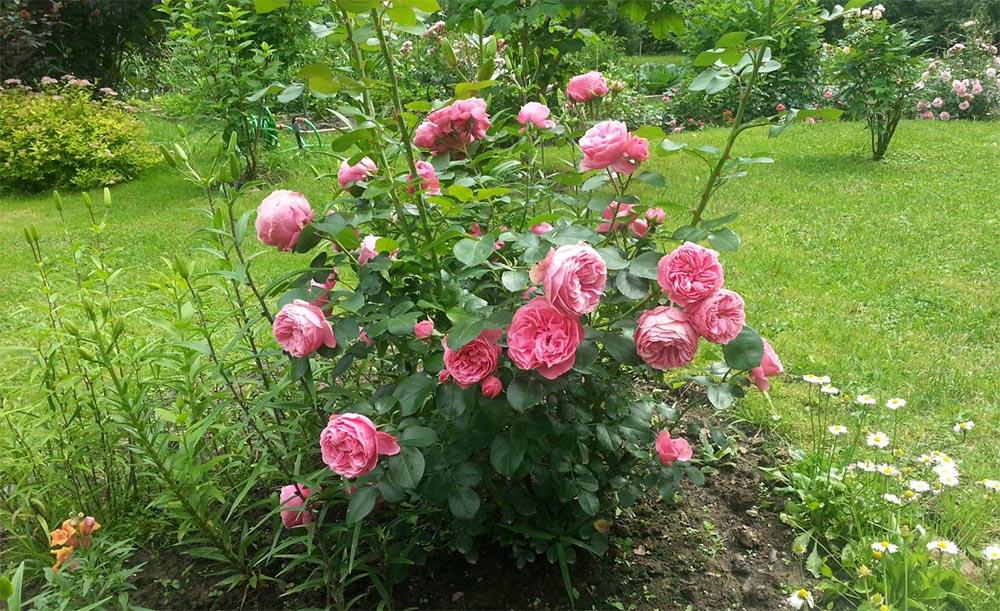
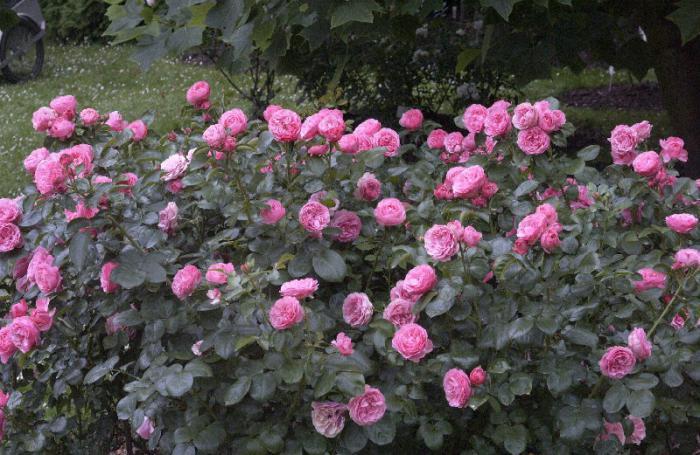
The Leonardo da Vinci floribunda rose was bred by French specialists in 1993. They crossed three varieties: Sommerwind with Milrose and Rosamunde. The resulting hybrid boasts vigorous stems with raspberry-purple buds. The height of the bushes, depending on growing conditions, ranges from 70 to 150 centimeters. The branches have sparse thorns. The flower clusters consist of 3-5 densely double, goblet-shaped buds. The flowers open to a diameter of 7-10 centimeters. During flowering, the bushes exude a delicate fruity fragrance.
Additional information: Leonardo da Vinci looks spectacular as a solitary specimen and in group plantings. However, it attracts particular attention when grown as a standard.
Features of flowering
The buds open in mid-June. Flowering lasts about three weeks. Then comes a short break, after which a new wave of flowering begins. In warmer regions, buds can form until the first frost.
The petals hold firmly, do not fly off in gusts of wind, and do not fade in the hot rays of the sun.
Advantages and disadvantages of using in landscape design
The spectacular Leonardo da Vinci rose is very popular with gardeners. It boasts the following positive characteristics:
- compact size of the culture;
- the buds are large, densely double;
- spectacular view of flowering bushes;
- pleasant aroma;
- long flowering;
- ease of care;
- frost resistance.
No disadvantages of using roses on the site were identified.
Planting Leonardo da Vinci roses
Purchase the plant from a reputable nursery or flower shop. Select healthy seedlings, free of blemishes, dents, or other signs of disease. To disinfect, place the root system in a container with a potassium permanganate solution for 2-3 hours.

Site selection and preparation
Roses need a well-lit location, protected from cold winds. The soil should be well-drained. If moisture accumulates at the base of the shoots, the bushes can be susceptible to fungal diseases. For this reason, the plant is planted at a slightly elevated position.
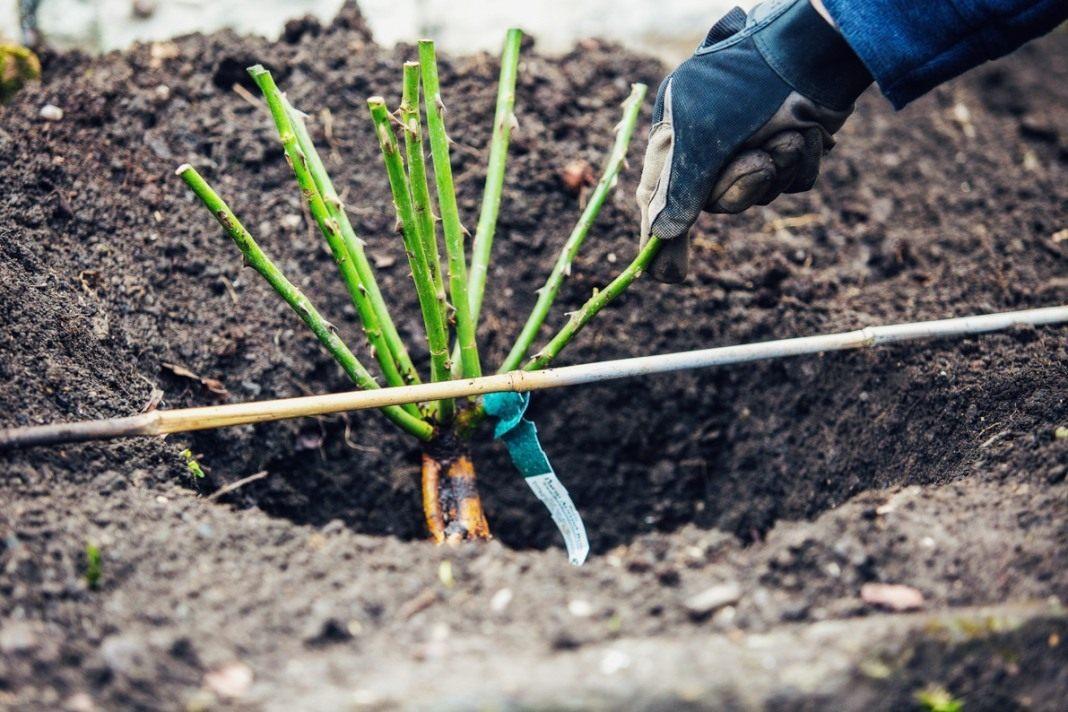
The area is cleared of plant debris and dug over. The hole is dug 2-3 weeks before planting. It is filled with a substrate consisting of garden soil, compost, peat, and river sand. To improve the soil quality, you can add a cup of wood ash.
Timing and technology of planting
In warmer climates, roses are planted in spring or fall. The key is to plant them 3-4 weeks before the first frost. In colder climates, they are planted only in spring. This will allow the rose to establish itself well, helping it survive the winter.
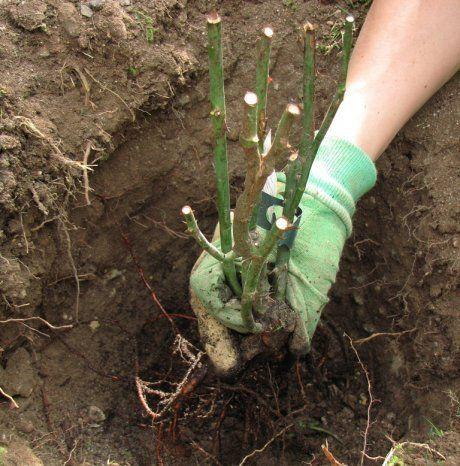
Planting is carried out as follows:
- dig a hole 60 centimeters deep and wide;
- a drainage layer is placed on the bottom;
- add fertile substrate;
- a seedling is placed vertically in the middle and covered with soil;
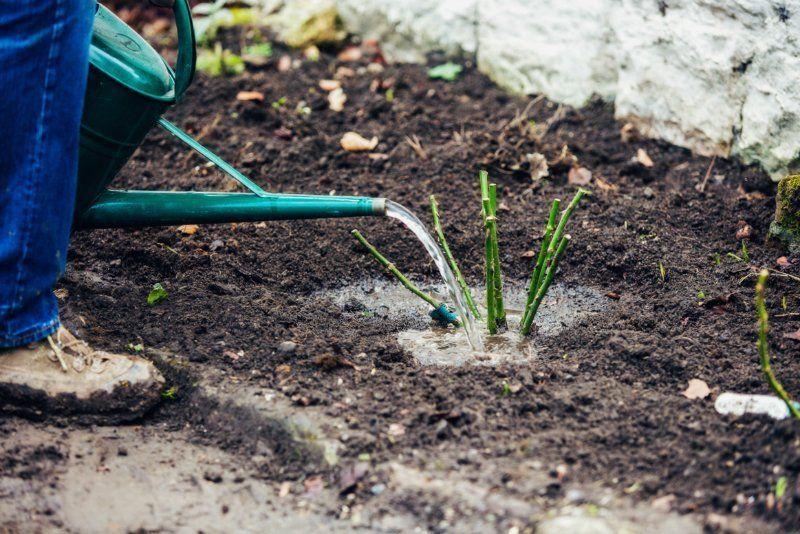
- watered generously.
Further care
The Leonardo da Vinci rose requires timely watering, fertilizing, and loosening of the soil. Pruning is also crucial. Drying buds are also removed. This procedure enhances the rose's decorative appearance and promotes reblooming.
Watering
Water the soil under the bushes in the morning or evening. Watering should not be shallow. At least 15-20 liters of settled water should be added to the soil under a mature rose. Avoid allowing water to fall on the buds and foliage, as this can cause fungal diseases.
Top dressing
In spring, nitrogen fertilizers are applied twice to promote abundant bush growth. Potassium and phosphorus are applied during the first and subsequent budding periods. After flowering, a complex mineral fertilizer or organic matter is applied. Nutrient solutions are applied to the soil after watering.

Trimming
Throughout the season, dry, diseased, and broken branches are pruned. In the fall, thin, immature shoots are removed. They will freeze over the winter anyway. In the spring, branches are shortened by 4-5 buds. Pruning should be done so that the center of the bush is free. A dense crown can encourage the growth of pathogenic microorganisms.
Loosening and mulching
The day after watering, loosen the soil. This promotes root respiration and, consequently, the development of flowering shoots. Loosen the soil carefully, being careful not to damage the plant. The root zone can be mulched. This will retain moisture in the soil for a long time and prevent weed growth.

Preparing for the winter period
In warm regions, the Leonardo da Vinci rose overwinters well without cover. It's enough to mound it with a mixture of garden soil and humus and cover it with spruce branches. In colder regions, a frame is additionally installed over the plant. When the temperature drops to -10°C, agrofibre is draped over it.
Diseases and pests of the variety
The Leonardo da Vinci rose has good immunity. However, it can still be susceptible to diseases and pests if not properly cared for. Frequent rainfall or overhead watering can lead to powdery mildew. Potassium deficiency can also cause black spot.
The main pests of roses are spider mites and aphids. These insects suck the sap from leaves and young shoots, which can cause the bushes to die. Insecticides are used to control these pests. For prevention, and when fungal diseases appear, the bushes are treated with fungicides.
Reproduction
Roses are typically propagated from cuttings. This procedure is carried out in early summer. Well-ripened shoots are used. The cuttings are performed as follows:
- cut off shoots about 1 centimeter thick;
- cut them into pieces 10-12 centimeters long;
- the lower leaves are removed from the cuttings;
- the cuts are powdered with Kornevin;
- planted in a container or on a plot, watered;
- cover with film.
The cuttings are watered periodically. Once they take root and develop new foliage, they are transplanted to a permanent location. Besides cuttings, gardeners can propagate roses by layering or grafting. Seed propagation is performed only by breeders.
Take a look Also

Difficulties arising from improper care
An inexperienced gardener may encounter some challenges when growing roses. The main difficulties are:
- The bushes have grown vigorously, but the blooms are weak. The likely cause is an excess of nitrogen. This nutrient is only necessary in early spring, as it promotes foliage growth. To promote abundant blooms, add potassium and phosphorus.
- The year after planting, the bush becomes trapped in the ground. This occurs when the plants are planted in a freshly dug hole. The hole should be prepared 2-3 weeks beforehand.
- The bushes are developing poorly. A possible cause is shallow watering. The soil under the roses should be moistened infrequently, but thoroughly. At least 15 liters of water should be poured under the bush.
- Repeat blooms are weak or absent altogether. This problem may occur because the gardener fails to prune shoots with dried-out buds. Dried flowers remaining on the bush signal the rose that it's time to prepare for winter.
- In the spring, after removing the covering, the roses are often found to be rotted. This happens if the covering is removed too late. It is removed at the first rays of spring sun.
- The shoot tip is wilting and falling off. The cause is the rose sawfly. It can be controlled by spraying the rose with a special preparation.
Growing the Leonardo da Vinci rose is a fascinating process. With proper cultivation, it will delight you with its spectacular blooms almost all season long.
Related posts:
 Description of the Cordana rose, planting and care at home
 Top 7 varieties of shrub roses, their planting and care in open ground for beginners
 Top 12 Floribunda Rose Varieties: Planting and Care in the Open Ground
 Top 50 best new rose varieties of 2025 with descriptions and characteristics
 Planting and caring for park roses in open ground, growing rules
 How to plant roses in autumn and at what distance, and further care
 Top 16 Peony Rose Varieties, Planting and Caring for Them in the Open Ground
 The best varieties of groundcover roses, rules for planting and growing them