
Asters are a common garden plant, captivating with their vibrant colors and abundant fragrance that lasts until frost. Among the main varieties, there are over 400 cultivars. A wide variety of asters can be combined to create various compositions and enhance landscape design.
What types of asters are there?
The only things that remain constant in each species of aster are the straight stems and solid leaves with serrated edges; everything else changes.
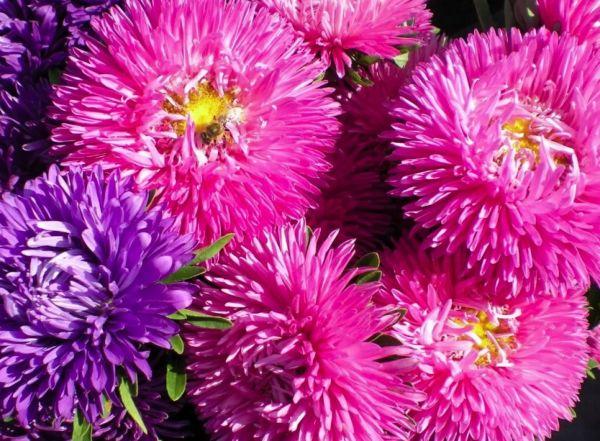
By color palette
Since shades are not included in the classification of luxurious asters, several basic colors characteristic of the plant can be distinguished:
- Hot tones are burgundy, red, yellow.
- Transitional colors are pink, purple, lilac.
- Cool palette - blue, cream.
- The neutral shade is white.
- Two-tone and three-tone coloring. Popular combinations include white and red, blue and violet, lilac and purple, and yellow and cream.
There are all sorts of colors of asters in nature, but there are no green or orange ones.
By shape and size of inflorescences
Inflorescences vary in shape and size. Depending on the size of the bud, the following varieties are found:
- small, when the diameter of the flowers does not exceed 4 cm;
- medium-sized, with baskets no larger than 8 cm;
- large, the size of their inflorescence varies from 9 to 11 cm;
- giant, with a bud measuring more than 12 cm.
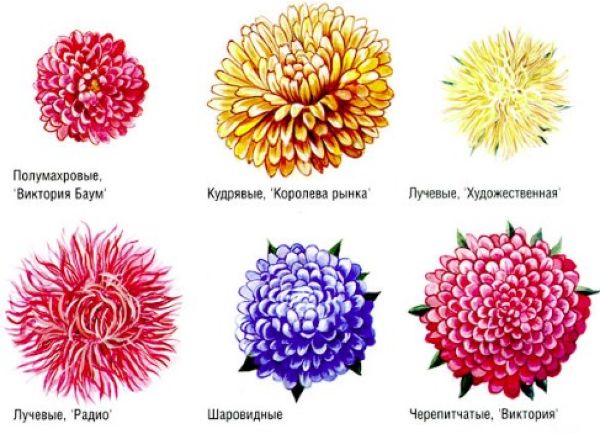
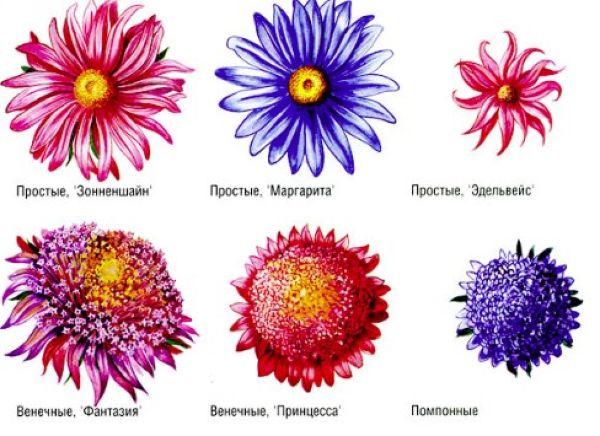
Based on the shape of their inflorescences, asters are divided into the following types:
- tubular buds that are completely devoid of ligulate parts;
- transitional inflorescences consisting of both parts in equal quantities;
- ligulate - in them the tubular parts are absent or are located in the middle under the overgrown canopy of petals, so that they are completely invisible.
There are also flat and spherical baskets that can complement any landscape design. Double varieties look unusual in flowerbeds and continue to rapidly gain popularity, surprising with their uniqueness.
By height and structure of the bush
Due to the wide range of species and varieties of asters, they can be used for a variety of purposes.
Plant classification by height:
- Tall varieties grow over 80 cm. Their peduncles are robust, and their inflorescences are large. These varieties are ideal for commercial cutting and for creating elegant bouquets.
- Low-growing (35-40 cm) or dwarf (less than 25 cm) varieties. They produce numerous small, spherical inflorescences. They are specifically bred for creating a beautiful garden or landscape design.
- Versatile varieties. This variety features long, yet fairly compact flower stalks and medium-sized flower heads. These plants are suitable for both luxurious bouquets and garden decoration.
The type of crop to be grown on your plot should be chosen depending on the further purpose of the plants.
Asters are also differentiated by their bush structure. Therefore, when choosing a suitable variety, it's important to consider these characteristics.
Bushes can be:
- weakly branched, when one trunk is clearly defined;
- highly branched, where there is no difference between the main and lateral stems;
- compact, so they don’t take up much space on your garden plot;
- spreading, covering large areas.
Varieties with spreading bushes will look good in individual flower beds, while compact ones are suitable for creating hedges.
By the shape of the bush
Bushes can have the following shape:
- Pyramidal. The bush gradually widens toward the root zone. This shape is considered compact and doesn't take up much space, but it does have a considerable height.
- Columnar. Typically tall, compact plants, often used to create hedges.
- Spherical. The bush blooms in a spherical shape, so it requires a large area.
- Border varieties are medium-sized, oval-shaped and look interesting in flowerbeds.
 To improve and refine the shape of the bush, regular formative pruning should be carried out.
By flowering time
When designing compositions and selecting planting material, it is necessary to take into account the flowering time of the crop.
There are varieties depending on the flowering period:
- Early. Flowers bloom in May and last for 83 to 106 days.
- Mid-season or summer. Buds appear in the second ten days of July, more than 100 days after planting.
- Late. Massive flower heads begin to form in late August. However, it's recommended to plant them early, as they don't bloom until three months after germination.
Many specialists, when designing flower beds, choose varieties with different bud opening times to create the effect of continuous flowering.
By life expectancy
The flowering period for all varieties and species ranges from 35 to 60 days. The shortest lifespan, 40 days, is for the Victoria aster group. American Bush, Waldersee, and Peony asters bloom for over 1.5 months.
The most common types
Among the common types, the following can be distinguished.
Heather-like
This is a small-flowered species, with all the flowers in the ray-shaped inflorescence being white and rarely pink. The shoots are strong, vigorous, and highly branched. The plant height varies from 70 to 100 cm. Externally, they resemble a wide, shaggy bush, resulting in small, needle-like upper leaves. These varieties tolerate dry weather and severe frosts. The flowers are not damaged in autumn, even if the temperature drops to -6 degrees Celsius. The plant requires timely staking and formative pruning.
Among the known varieties:
- Herbstmirte. This variety grows over 1 m tall. The flower heads are about 10 cm long, in the form of light lilac panicles with a yellow center. The flowers bloom in September.
- Erlkönig. A variety with delicate lilac petals and a yellow center. It blooms profusely from September to November.
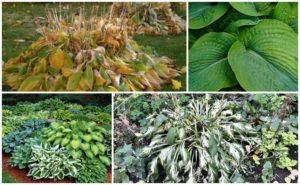

Peony-shaped
The species gets its name from the resemblance of its inflorescence to a peony. The beautiful ball shape is created by the elongated upper petals and short central petals. The bush reaches 40-70 cm in height, so most varieties are medium-sized. The plant maintains its shape due to its moderate branching. The asters' bloom period is also impressive: you can admire the vibrant blooms from early July until October.
The following varieties should be noted:
- American Browning. The petals are distinguished by a rich red-blue transition. The bush grows to a height of no more than 70 cm.
- Silver Tower. The flower heads are a gradient from purple to a snow-white center. The double inflorescences are no more than 10 cm in diameter. Flowering lasts from August to September.
Shrub
The bush has a luxurious spherical shape due to the extensive branching of its stems, which is where the species gets its name. The plant grows tall, about 1 meter. The variety is covered with green leaves with a serrated edge, hairy on the top and smooth underneath.
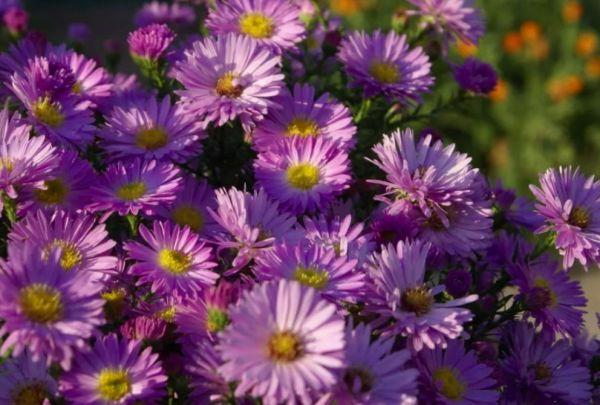
The following varieties are widely used:
- Alice Haslam. The bush grows up to 30 cm tall, with small lilac flowers. Flowering lasts from September to late October.
- Blau Lagoon. A compact, ball-shaped plant with blue and purple flowers no more than 3 cm in diameter. They bloom only at the end of August, but delight with their picturesque colors until the onset of severe frost.
- Lady in Blue. A low-growing plant, only 40 cm tall, covered in small blue flowers. The hybrid is resistant to all diseases typical of this cultivar.
New Belgian
This species of aster ranges in height from 30 to 150 cm. They are most often used to decorate gardens in the fall, as they bloom late. The inflorescences are no larger than 3 cm. The stems are thin but strong, with extensive branching, creating a dense, large, rounded bush. The compact size of these asters allows for any design idea for flowerbeds to be realized. They are often used to decorate borders.
 The plant is not afraid of pruning and trimming if they are required to create the planned design.
They bloom exclusively from the first ten days of September until frost sets in. Therefore, they are difficult to cultivate in temperate climates, where summers are short and often cool.
Popular varieties:
- Marie Ballard. This cultivar boasts blue flower heads. It's a vigorous bush, growing up to 95 cm tall. Flowering lasts for about 60 days. This variety has a long cut life and is ideal for creating unique bouquets.
- Violetta. The bush is compact. Its blue-violet flowers are eye-catching. It's recommended for use in the foreground of flowerbeds.
- White Lady. This variety is known for its ligulate petals, which are white or purple. The bush grows 1.5 m tall. It looks stylish when planted in groups.

Alpine
This aster has creeping stems, so they are often used as groundcover. They are suitable for borders, rockeries, and alpine gardens in a contemporary style. The height of this plant does not exceed 10-40 cm. The foliage is inconspicuous. The size and color of the flower heads depend on the variety.
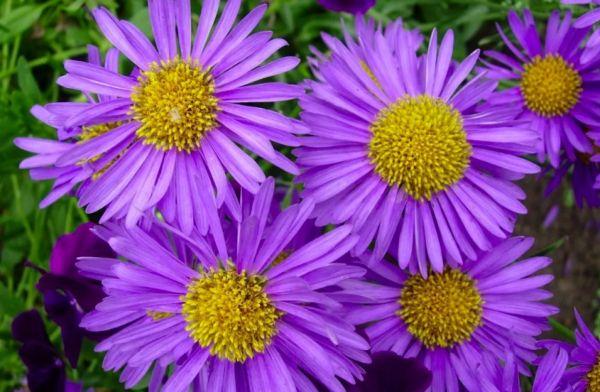
Commonly used varieties include:
- Dunkle Schone. A bushy aster with small, fluffy flowers. The outer petals are purple, while the center is bright yellow. This variety is frost-hardy.
- Rosea. A long-blooming member of the alpine aster family. Flowering begins in June. The inflorescence resembles a wild rose, hence its name.
- Goliath. This interestingly shaped bush is adorned with green foliage that clings closely to the stems. Large flowers, up to 6 cm in diameter, captivate with a delicate purple hue.
- Superbus. A beautiful plant growing up to 20 cm tall. This variety is prized for its blue semi-double flowers, 3.5 cm in diameter. It blooms in June and July.
New England (American)
A beautiful, branched bush with lush asters. The blooms delight from September until frost sets in. The buds are 3-4 cm in diameter. This variety is prized for the color of its flower heads, which can range from bright red to blue.
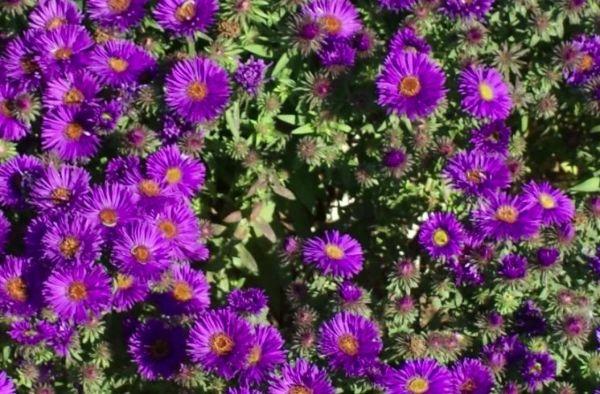
Experienced gardeners note the following varieties:
- Konstgans. This tall cultivar produces racemose inflorescences with dark purple edges and yellow-red centers. The plant forms dense purple carpets.
- Bars Pink. A tall, bushy plant with numerous branches. The racemes are no more than 4 cm in diameter. Flowers are of two types: the flower heads are crimson and the central tubular ones are yellowish. The plant looks impressive both singly and in groups. This variety is used for cut flowers.
Gardeners favor this gorgeous aster for its highly decorative qualities. Its vibrant colors, graceful form, and ease of cultivation have made it a favorite garden flower.
Related posts:
 80 Best Eggplant Varieties for Different Regions with Descriptions and Characteristics
 The best eggplant varieties for growing in a polycarbonate greenhouse: planting and care
 What varieties of tomatoes are best to plant in a polycarbonate greenhouse?
 Description of varieties of sowing peas and cultivation, to which family they belong
 Planting and caring for asters in open ground, propagation and description of species and varieties
 The best grape varieties for growing in the Urals, planting and care rules in summer
 Characteristics and descriptions of the 40 best red currant varieties
 Description and characteristics of the 40 best blackberry varieties, yield indicators