
- The best varieties of asters for growing outdoors
- Shrub asters
- New Belgian and New England
- Alpine
- How to sow asters for seedlings
- Optimal sowing time
- Seed preparation
- What kind of soil do asters like?
- Direct seed planting
- Into containers
- In peat tablets
- In self-rolled cigarettes without soil
- Into snails
- Rules for caring for seedlings
- Lighting, humidity and watering
- Fertilizer
- Hardening
- When and how to transplant seedlings into open ground
- Requirements for soil and planting site
- Essential care for the growth and lush flowering of asters
- Garter and pruning
- Irrigation
- Adding nutrients to the soil
- Protection from diseases and insects
- Preparing for the winter period
- Reproduction
- Root division
- Cuttings
- Sowing seeds
- Tips and recommendations from gardeners
- Potential problems with the flower and ways to solve them
- How can I prolong the flowering of asters?
- How to get beautiful cut asters and larger flowers?
Asters rightfully occupy a leading position among autumn flowers. The diversity of varieties and species, shades, and flower shapes allows you to create a colorful flowerbed in your garden and lift your spirits on a gloomy autumn day. To ensure trouble-free planting and care of asters outdoors, it's important to research seedling cultivation techniques, planting times, and advice from experienced gardeners. A few simple tricks can help you achieve more lush blooms and extend the blooming period of this queen of autumn.
The best varieties of asters for growing outdoors
Among the hundreds of varieties of this flower, gardeners identify the best representatives, which are most often chosen for planting in their gardens. These include shrub, New England, New Belgium, and Alpine aster varieties and hybrids. Each category offers specimens with different bud colors, inflorescence shapes, and bloom times, so gardeners will have no problem choosing.
Shrub asters
This category includes both annuals and perennials. The former belong to the genus Callistephus sinensis, while the latter belong to the genus Aster. These varieties range in height from 30 to 100 cm, and there are summer and autumn cultivars. Shrub asters characterized by a fibrous root system and oval-toothed leaves.
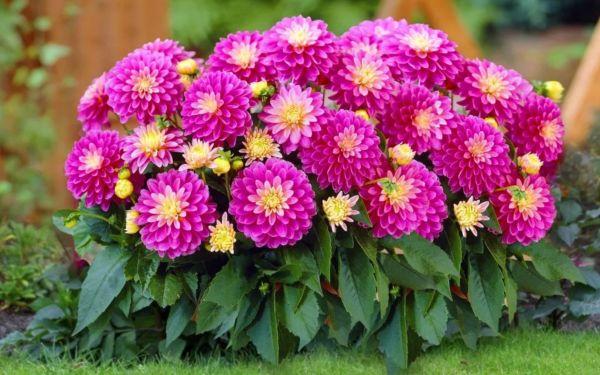
Among the thousands of hybrids and varieties, gardeners prefer the following:
- Apollo. Reaches 20 to 50 cm in height, with hemispherical bushes. Beginning in early September, the bushes are covered with heads of white flowers, and the flowering period continues until the first frost. Low-growing Apollo varieties are used to create borders, while taller varieties are used to create hedges.
- Jenny. Considered a favorite among gardeners. During flowering, the bushes produce crimson-red flower heads with yellow centers. Despite its compact size, this plant is characterized by abundant blooms. Jenny thrives in a well-lit area, away from a high water table. Otherwise, a drainage layer is provided.
- Starlight. Pinkish-purple rosettes cover the bush during flowering. Starlight is well-branched, with stems reaching up to 50 cm in height. The first flower heads, 3 cm in diameter, appear on the bushes in late August, and the flowering period lasts for a month and a half. This aster tolerates frost well, but does not tolerate dampness. Only sunny sites with good drainage are suitable for growing it.
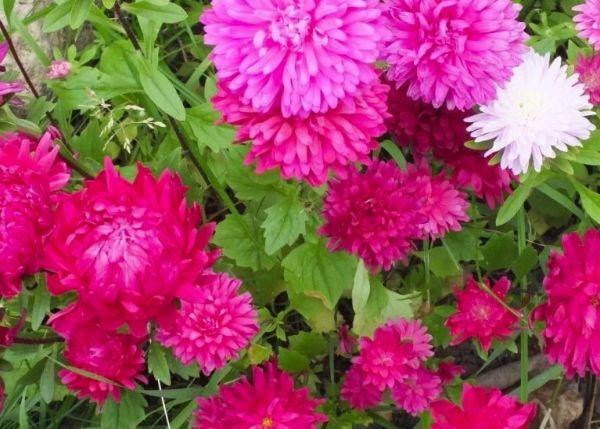
- Lady in Blue. This winter-hardy and easy-to-grow variety of shrub aster boasts bright blue flowers, hence its name. The flowering period begins at the end of the first month of autumn and lasts until the first frost. The spherical bushes look delicate and elegant against the yellow hues of the autumn garden.
- Blau Lagune. Characterized by a rich blue-violet hue to its inflorescences. The first flowers appear on the bushes in late summer, and the last ones delight the eye until the first frost. The spherical bushes reach a height of up to 50 cm. This variety is ideal for creating flower beds and rock gardens. It prefers sunny locations but also thrives in partial shade.
- Anneke. The signature feature of this shrub aster variety is its pink-crimson flowers. The flowering period lasts from late summer until the first morning frosts. Anneke is undemanding in terms of soil, but thrives and blooms profusely in well-drained soils. It's ideal for group plantings on lawns.
New Belgian and New England
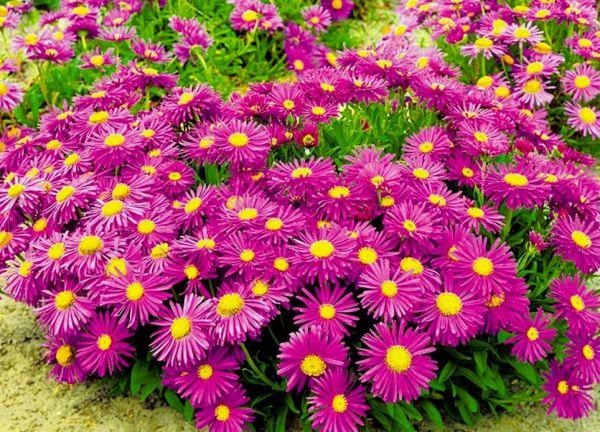
Despite its name, New Belgian aster - a native of North America. There are over a thousand varieties in this category, the first specimens appeared in Europe in 1911. Depending on the variety, the height varies between 50 and 150 cm.
Among the most popular among gardeners are the following representatives:
- Saturn. It has a spreading bush, reaching 150 cm in height. The flowers have a rather rare shade for an aster—a soft blue—and large rosettes—up to 4 cm. The flowering period lasts about a month.
- Nancy Ballard. Also a representative of the tall New Belgian asters, its bushes reach up to 150 cm. During flowering, the bushes are adorned with pinkish-purple rosettes, 3 cm in diameter. The first flowers appear in late summer.
- Planty. The bushes grow up to 140 cm and are characterized by strong branching. In September, large (up to 4 cm) pink rosettes of flowers appear.
- Beauty of Kalval. A member of the medium-sized group, it grows up to 100 cm. The bush is characterized by its dense growth, with large (up to 5.5 cm) double inflorescences of a white-lilac hue. The rosettes appear in September and bloom until the first snow.
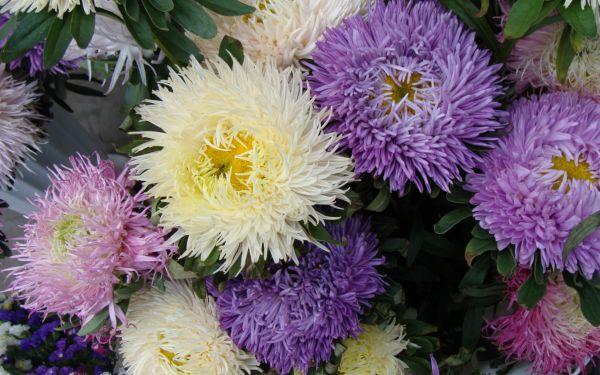
- Maria Ballard. Flowers appear on bushes up to 100 cm tall in early to mid-autumn. The densely double rosettes are lilac-blue in color. One of the most prolifically blooming varieties of the New England group.
- Amethyst. The petals on the branches of this variety are arranged in five rows, and the bush grows up to 100 cm tall. The rosettes are a deep purple hue. The flowering period lasts about a month, with the first flower heads appearing on the bushes in September.
- Porzelan. A member of the low-growing group, used for borders. It grows to a height of no more than 50 cm and bears delicate lavender-hued flowers. Flowering begins in September and ends before the first frosts in November.
- Beechwood Rivell. These asters grow to a maximum height of 70 cm and feature purple-red rayed flowers. The flowering period lasts about a month.
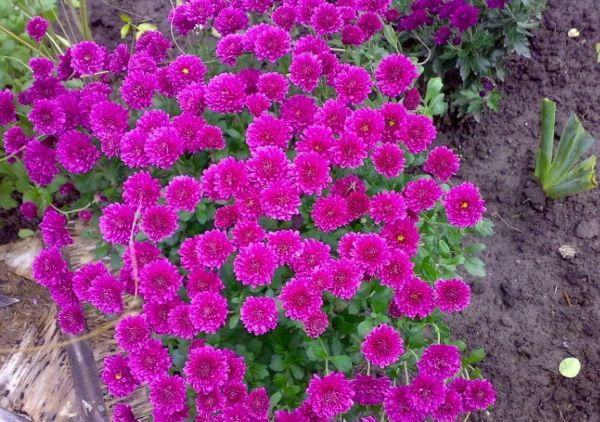
New England, or American aster Characterized by increased cold tolerance and undemanding growing conditions, some bushes can reach 200 cm in height. Flowers are either ligulate or tubular.
The most popular representatives:
- Gerberosa. This graceful, tall bush boasts extensive branching and reaches a height of up to 150 cm. The flowers, gathered in short clusters, are a soft pink.
- Lill Fardell. Grows up to 130 cm, the bush is branched. The inflorescences are up to 3.5 cm in diameter, ligulate, and rich pink. Excellent for cutting bouquets.
- Bars Pink. A 150-centimeter shrub with dense branches and abundant foliage. Dense clusters of 4-cm-long inflorescences come in yellow or carmine hues.
- Gloire de Kronstadt. A medium-sized specimen, growing up to 130 cm. Large, numerous inflorescences are held in loose racemes. The ligulate flowers are lilac-violet in color.
- Brauman. This branched and pubescent shrub grows up to 120 cm. The flowers are ray-shaped and violet-lilac in color. Brauman begins blooming in September and has a long flowering period.
- Septemberrubin. This densely foliated shrub grows up to 150 cm tall. The inflorescences are 3.5 cm in diameter and ray-shaped. They are pinkish-red in color and are suitable for cutting and bouquets.
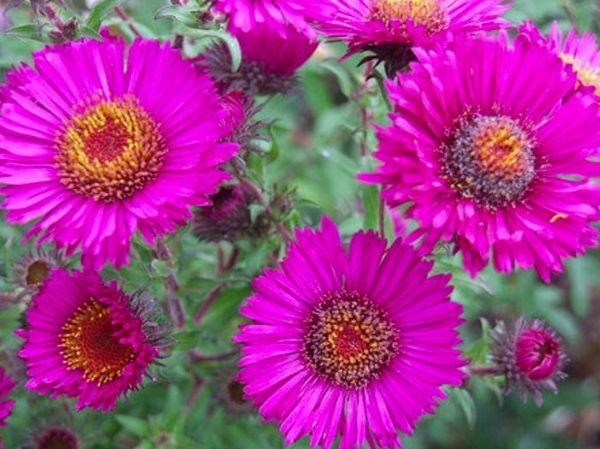
Alpine
It has been grown in gardens since the 16th century and is found in the wild in the south of Europe, in the Crimean and Carpathian mountains, and in the Caucasus.
Among the best representatives perennial alpine aster such varieties:
- Dunkle Schone. It has a fluffy inflorescence measuring 3 cm in diameter. The flowers are ray-shaped and dark purple in color. It is characterized by increased frost resistance.
- Alba. A dense, 40-centimeter bush with numerous, elongated leaves. Semi-double, white flowers up to 3 cm in diameter.
- Goliath. Elongated leaves, tightly arranged on the stems, are set off by delicate purple flowers. The flowering period lasts about a month.
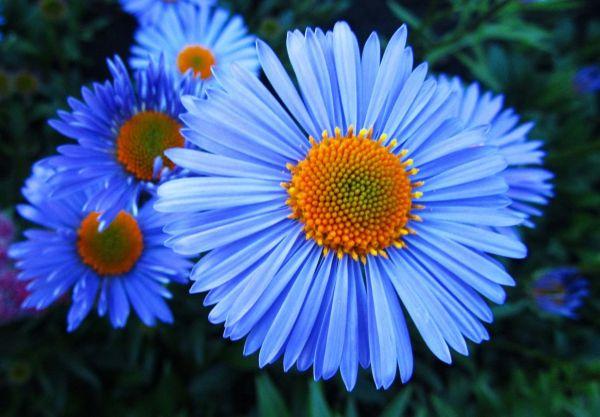
- Glory. Flowers up to 4 cm in diameter are a soft blue. A bright yellow center adds a striking accent. Looks beautiful when planted with evergreens.
How to sow asters for seedlings
To grow beautiful and abundantly blooming asters in their garden, gardeners most often sow seeds for seedlings first, and only then transplant the mature seedlings into open ground, placing them in flowerbeds, borders, and rock gardens to suit their taste. There are several ways to do this, each with its own characteristics, advantages, and disadvantages.
Optimal sowing time
It's important not to miss the right time to sow seeds for seedlings. If you do this too early, the seedlings will overgrow and have a hard time establishing themselves in flowerbeds. If you delay the process, you may not see any flowers this year. Experienced gardeners say the optimal time to begin work is from the end of March to mid-April.

Seed preparation
To improve seed germination, it's important to prepare the seeds properly. Since seeds lose viability very quickly, only fresh seeds are used. They are either treated with a solution of any fungicide or simply mixed with dry Fundazol.
When working with chemicals, take safety precautions: protect your hands with gloves and your respiratory tract with a gauze bandage.
What kind of soil do asters like?
To avoid the hassle of preparing soil, some gardeners buy ready-mixed seedling soil from a gardening store. If they decide to make their own soil mixture, they follow these proportions:
- 2 parts peat;
- 1 part garden or turf soil;
- 0.5 parts of washed river sand.
For every 5 liters of potting soil, add half a cup of wood ash and 2 tablespoons of dolomite flour. You can also add half a cup of perlite to improve aeration. It's a good idea to sift the soil and steam it in the oven or microwave to kill fungal pathogens. Store-bought potting soil doesn't require this procedure.
Direct seed planting
There are several ways to plant aster seeds; everyone chooses the most convenient one for themselves.
Into containers
You can sow seeds in plastic containers:
- Place the prepared soil into containers.
- Pour warm water over it generously.
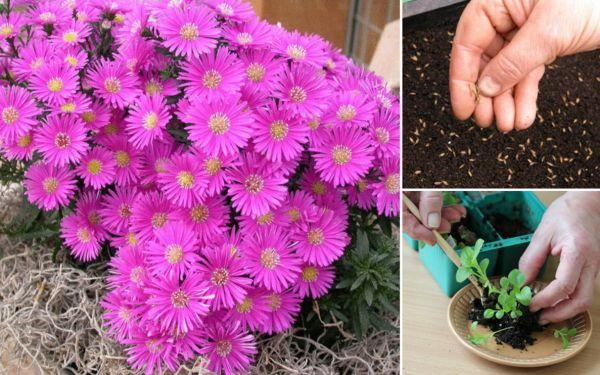
- Carefully spread the seed material over its surface (it is convenient to use a sheet of paper folded in half for this).
- Sprinkle the seeds on top with washed and calcined river sand.
- Cover with glass or a transparent lid and put in a light and warm place (16-20 degrees).
In peat tablets
This method simplifies the gardener's task and allows for the skipping of soil preparation. The procedure for sowing aster seeds in peat pellets is as follows:
- Soak each tablet in 2 glasses of water and let it sit for about 15 minutes to swell.
- Place the wet tablets on a tray.
- Place a few seeds in each cup and deepen them by 1 cm.
- Cover with glass or film and put in a warm, dark place.
In self-rolled cigarettes without soil
When sowing seeds, this method allows you to do without soil altogether. Here's how:
- Take strips of polyethylene film about 10 cm wide.
- A layer of toilet paper is placed on the film.
- Spray it with water from a spray bottle.
- Stepping back 1.5 cm from the edge of the strip, lay out the aster seeds at a distance of 4 cm.
- Cover the top with another strip of film.
- Roll it into a roll and secure it with a regular elastic band.
- Place the structure in a plastic cup and fill it with 4 cm of water.
- Cover with a plastic bag with holes made for ventilation.
Into snails
This method is similar to the rolling-your-own method. Instead of plastic wrap, regular garbage bags are used, but not black ones.
Rules for caring for seedlings
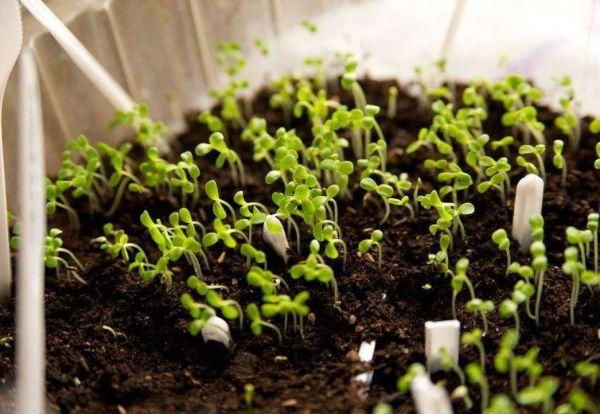
As soon as young aster seedlings appear, it is important to provide them with proper care.
Lighting, humidity and watering
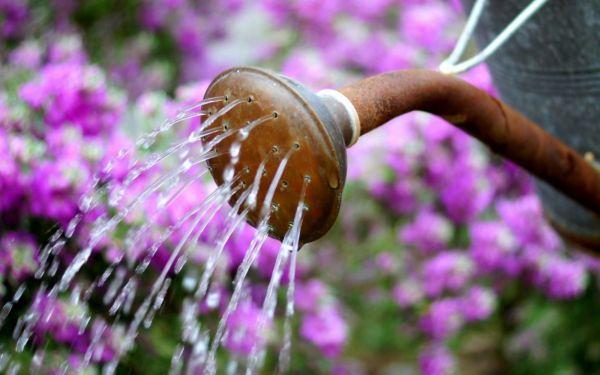
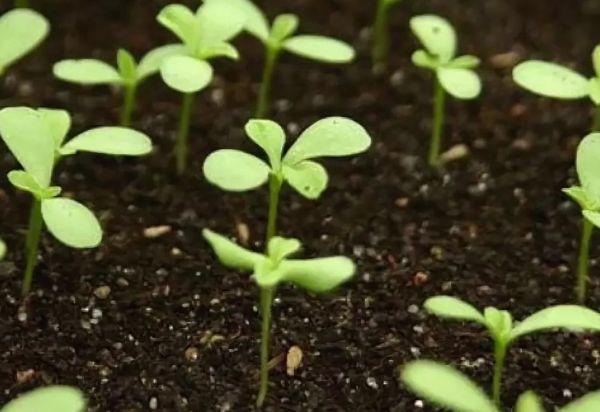
The cover is removed to avoid excess moisture, which can lead to blackleg in the seedlings. Aster seedlings should receive sufficient sunlight; if this is not possible, artificial lighting is provided. Watering should be done sparingly, as excess moisture will cause fungal diseases.
Fertilizer
Fertilize aster seedlings immediately after transplanting. Add 10 grams of any mineral fertilizer per 10 liters of water. Special fertilizers are available at gardening stores.
Hardening
Before transplanting into open ground, harden off the seedlings. This is done gradually to avoid damaging the young flowers. Reduce the daytime temperature to 10-12 degrees Celsius, a few degrees a day. Reduce the nighttime temperature to 10-18 degrees Celsius. After two weeks of this treatment, transfer the flowers to the flowerbeds.
When and how to transplant seedlings into open ground
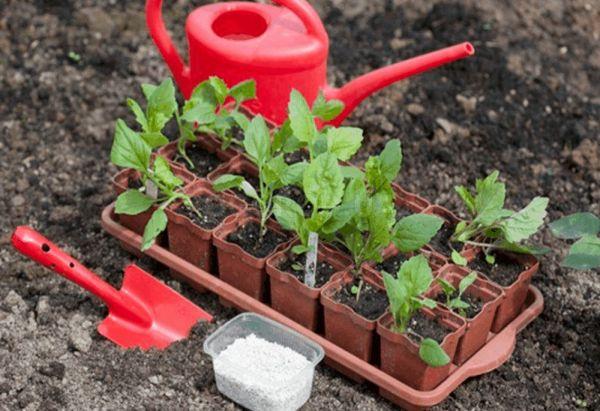
This process begins in mid-May, with the exact timing depending on the region's climate. Two to three days before transplanting the aster seedlings to the flowerbed, they are thoroughly moistened. It is recommended to perform this procedure in the evening.
Requirements for soil and planting site
Choose a well-lit site for planting asters, preferably with loose, well-drained soil. It's best to plant the seedlings in a spot with full sun in the morning and light shade in the afternoon.
Essential care for the growth and lush flowering of asters
To enjoy the lush bloom of asters, it is important to properly care for the plants.
Garter and pruning
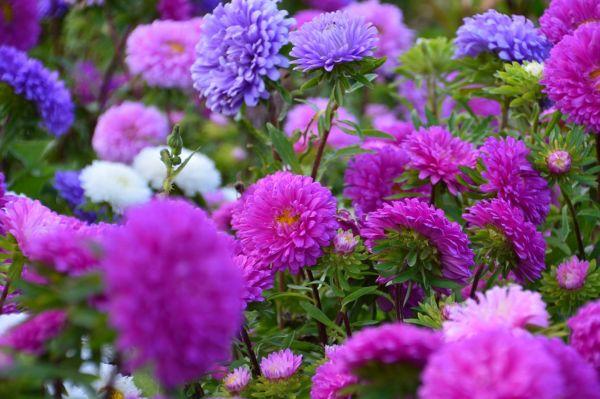
For tall varieties, it's essential to construct supports and tie the plants to them to prevent gusts of wind from breaking them. Shrub-like varieties and low-growing ones planted for borders require regular pruning. This helps create a beautiful shape and give the plants a decorative appearance.
Irrigation
Asters don't require frequent watering, as they don't tolerate stagnant water. This should be done only in hot weather, once a week.
Adding nutrients to the soil
Without this care step, you won't be able to grow profusely blooming asters. Both mineral and organic fertilizers are added to the soil. Humus and phosphorus fertilizers are essential during the active growing season.
Protection from diseases and insects
Common diseases of all aster species include powdery mildew and gray mold. They develop especially rapidly in unfavorable weather. Preventative spraying with systemic fungicides, such as Fitoverm, is recommended.

Among the pests that are especially dangerous for aster flowers are:
- common earwig and meadow bug;
- thrips and spider mites;
- plowed slug and gamma moth.
Any insecticide can be used to control them. Folk remedies that are effective include an infusion of garlic and tobacco dust, and a solution of green soap.
Preparing for the winter period
Despite asters' frost resistance, they still need to be prepared for winter. This is especially true for young plants. Aster shoots are cut back to the ground and covered with fallen dry leaves and compost.
Reproduction
Asters are grown on the plot in several simple ways.
Root division
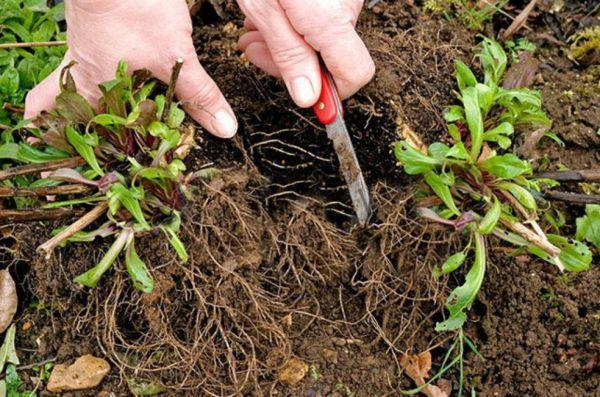
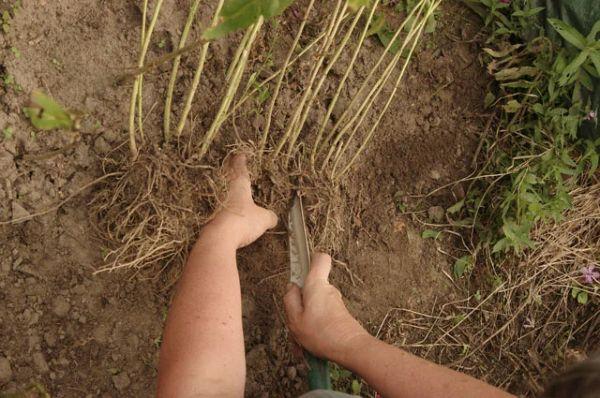
Mature aster bushes are propagated by dividing the rhizome. To do this, thoroughly water the plant and carefully remove it from the soil. Divide it into several pieces (depending on the size of the bush), ensuring each piece retains a full root. Plant them in prepared beds and care for them as for a mature plant.
Cuttings
This is one of the most common methods for propagating asters. This procedure is carried out in the spring, using the tips of shoots 10 to 15 cm long. The lower leaves are completely removed, and the cuttings are made at an angle. The material is soaked in water with a growth stimulant added and planted in makeshift greenhouses under cover until rooting occurs. The asters are periodically aired and watered, and transplanted to their permanent location the following spring.
Sowing seeds
Aster seeds are sown not only at home for seedlings, but also directly into open ground. Such plants have a stronger immune system, but bloom later than those grown from seedlings.
Tips and recommendations from gardeners
Experienced gardeners have their own tricks for growing asters, which they willingly share with less experienced colleagues.
Potential problems with the flower and ways to solve them
The problems that arise when growing asters are as follows:
- Viral diseases of flowers. Timely prevention is essential, as infected plants cannot be saved.
- Fungal diseases. It is recommended to treat asters with fungicides at the first signs of disease.
- Pest attacks. Crop rotation is essential, and asters should not be planted in the same spot for more than five years. In severe cases, insecticides are used.
How can I prolong the flowering of asters?
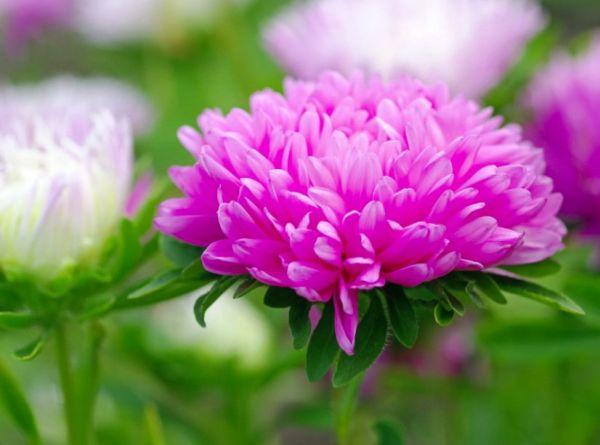
To enjoy the beautiful blooms of asters for longer, be sure to regularly apply mineral and organic fertilizers. You can also repot the flowers with the root ball into a pot and place them on a windowsill when the first frost arrives. This will extend the blooming period by 3 weeks.
How to get beautiful cut asters and larger flowers?
To obtain larger asters for cut bouquets, follow these steps: Leave only 1-2 central shoots and remove all side shoots. For cutting, select flowers with half-open buds; this will help the asters last longer in a vase.
Related posts:
 Description and characteristics of the best varieties of New England aster, planting and care
 Description and characteristics of the best varieties of New England aster, planting and care
 When and how to plant asters in the fall before winter, is it possible
 Classification of aster species by shape, height and flowering period and description of varieties
 Description of cut flower mixtures of Chinese asters, planting and growing rules
 Description of the best varieties of alpine aster, planting and care rules
 Rules for planting and caring for shrub asters, the best varieties and growing features
 Characteristics and descriptions of the most beautiful types of daffodils, names of the best varieties