
- New England aster (American aster): botanical characteristics
- Application in landscape design
- The most popular varieties
- Dr. Ekener
- Rote Stern
- Constance
- Braumen
- Bars Pink
- Planting and caring for New England asters
- Site selection and preparation
- Preparing seedlings
- Methods of planting a plant
- Watering mode
- What and when to feed the plant
- Weeding
- Protection from insects and diseases
- Shelter for the winter
- Potential problems and difficulties
A perennial herbaceous plant like the New England aster, it delights the garden with a riot of color long after other plants have faded. Therefore, every gardener strives to decorate their plot with at least a few specimens of this plant to prolong the feeling of summer and festivity. New England asters are easy to care for, are less susceptible to disease than New England asters, and delight with long and abundant blooms until the first frost.
New England aster (American aster): botanical characteristics
The New England aster, or American aster, belongs to the Asteraceae family. They were recently transferred from the Aster genus to the Symphyotrichum genus. The natural range of these plants is limited to areas of North America.
These herbaceous perennials have straight, strong, and branching stems, giving the bushes a wide and sturdy appearance. American asters grow from 70 cm to 1.7 meters in height. The lanceolate leaves are alternately arranged and have a rich green hue.
The New England aster's flowers are small, no more than 3 cm in diameter, but this is more than compensated for by the countless numbers of them on the stems. The color palette is varied—white, purple, soft blue, and lilac buds are gathered in clusters of intricately shaped inflorescences.
The flowering period of American beauties begins in July and ends before the first frost. Gardeners especially value varieties that delight with color in the autumn months; they look like an original, bright accent against the backdrop of a yellowed garden.
Application in landscape design
Landscape designers consider American asters the best choice for group plantings. These bushy plants create harmonious compositions with any flowers in the area.
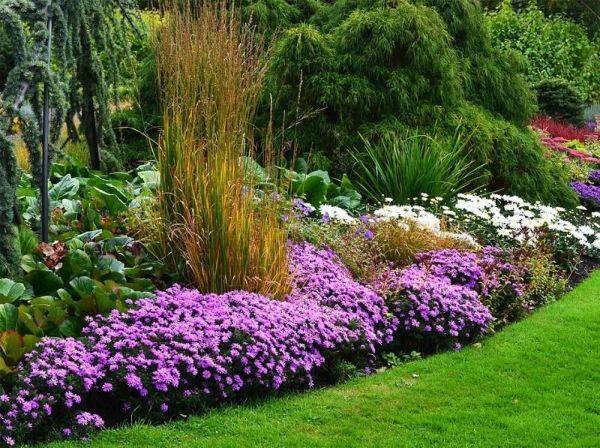
The most common uses of New England aster are:
- When planted in narrow flowerbed ribbons.
- To create borders.
- In small groups on lawns made of groundcover.
- In mixborders and flower beds.
American roses look equally impressive in single arrangements. They are also often used as cut flowers. In a vase, they retain their attractive appearance for a long time.
The most popular varieties
Over time, gardeners have developed favorites in this group of asters, which they often choose for planting. However, breeders continue their experiments, and each year the New England aster collection is replenished with new, more advanced specimens.
Dr. Ekener
This variety is tall and can be propagated in a variety of gardens using several simple methods: rhizome division, seeds, and cuttings. The flowers are up to 4 cm in diameter and are borne in dense clusters. The tubular petals are yellow or brown. The ligulate buds are purple-red.

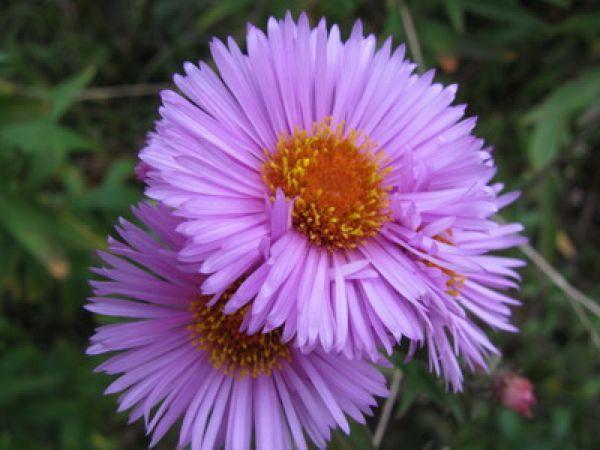
The Doctor Ekener variety's flowering period begins in early October and lasts for a month. This aster performs well as a cut flower—it retains virtually its pristine beauty for 15 days, but daily water changes are recommended. Experienced gardeners add a spoonful of sugar or an aspirin to the water to prolong the aster's decorative appearance.
Rote Stern
This aster is characterized by a tall bush—up to 150 cm. This variety has some of the largest inflorescences in the New England group. The tubular flowers are brown and yellow, while the ray buds are a deep ruby hue.
Constance
The Constance aster is one of the last to bloom. In fact, the buds remain on the bushes until the first snow falls. This Swiss-bred variety begins blooming in late September. The narrow, dark purple petals stand out strikingly against the yellow-red center. Since this shrub grows quite tall—around 180 cm—it's best planted near a fence or provided with additional support to prevent the flowers from breaking in strong winds.
Braumen
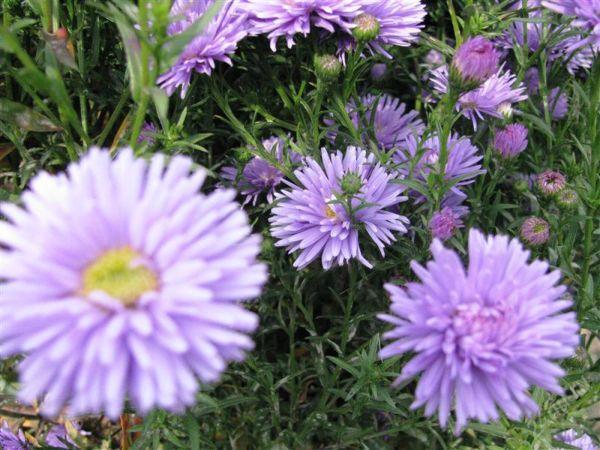
This variety is especially popular with gardeners for creating hedges. The shrub grows up to 1 meter tall and is adorned with numerous lush, rich lilac-hued clusters. The petals are edged with a violet tint. The 'Browman' variety has one of the longest bloom periods in the New England group. The first flowers delight gardeners as early as July, and the last blooms appear on the bushes in November, before the first frosts. Thanks to its upright, stiff stems, the bush holds its shape well and requires no staking.
Bars Pink
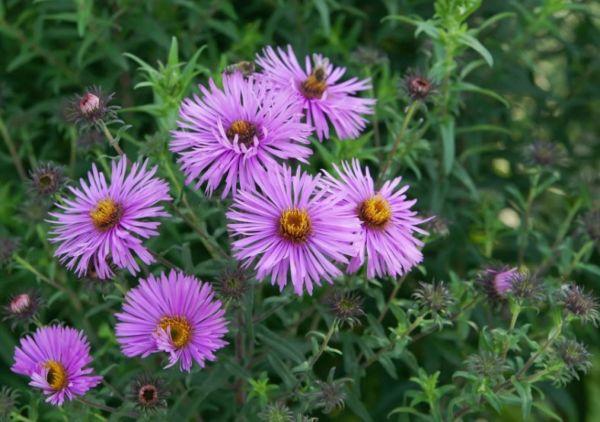
The American aster variety Bars Pink blooms from August to September. During this time, small, pinkish-purple flowers, up to 3 cm in diameter, appear on the bushes. The shoots are stiff and heavily branched at the top. They reach up to 170 cm in height and 90 cm in width. The advantage of this variety is that its bushes do not fall apart, so they require no additional staking or support.
Planting and caring for New England asters
To obtain a profuse and long-flowering plant, it is important to carry out the planting process correctly and provide the asters with the necessary agricultural care in the future.
Site selection and preparation
When choosing a location for growing American asters, keep in mind that the plant is drought-resistant and sun-loving. However, the flowers do not tolerate excess moisture and respond with disease and a lack of abundant blooms. Therefore, the site for New England asters should receive good daytime sun. This is especially true in northern regions characterized by harsh winters.
If low-growing varieties are being planted, the location can be open; for tall varieties, protection from drafts and strong gusts of wind, which will break the plant, is a must.
The soil in the selected area should preferably be fertile, loose, and well-drained. American beauties won't die in poor soil, but don't expect large buds or abundant flowers. Before planting, dig the soil, remove weed roots, and apply fertilizer. You'll need 50-60 grams of mineral fertilizer and a 10-liter bucket of organic fertilizer per square meter.

Preparing seedlings
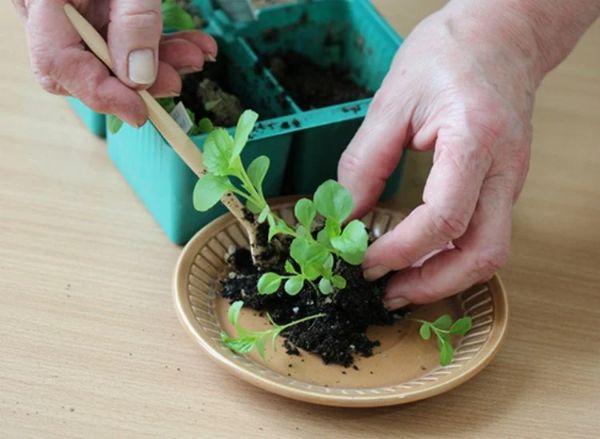
Before planting, young New England aster seedlings are prepared. The roots are carefully inspected—dry, rotten, or deformed ones are trimmed off. Afterwards, the aster's root system is treated with a fungicide and growth stimulant to promote rooting.
Methods of planting a plant
Experienced gardeners say the best time to plant American aster is mid-spring or the first half of September.
The step-by-step landing algorithm is as follows:
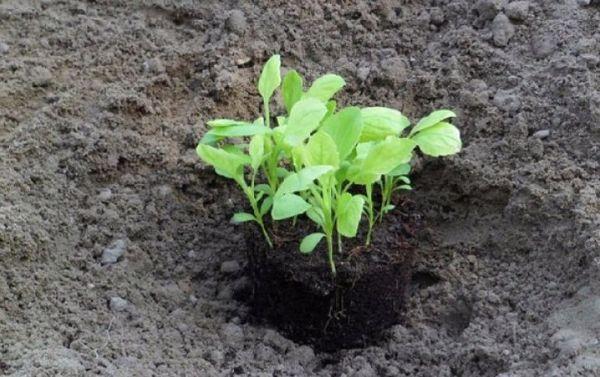
- In prepared and fertilized soil, make an individual hole for each aster seedling; its size should correspond to the volume of the plant's root system.
- Maintain a distance of 40 cm for medium-sized varieties and 50 cm for tall specimens between holes.
- A little river sand is poured onto the bottom, which acts as a drainage system.
- Carefully straighten the roots in the hole and cover them with the remaining soil.
- Sprinkle the asters with a small layer of sand on top and mulch them if desired.
- Moisten the soil a little.
If tall American asters are planted, supports are installed immediately.
Watering mode
The New England aster's drought tolerance means it can thrive without additional watering. This is especially true during periods of ample rainfall. During particularly hot months, additional watering is needed, but sparingly and no more than once a week. It's important to remember that asters don't tolerate cold water, so warm the water first in the sun.
What and when to feed the plant
Fertilizing is especially important for American asters during the budding and flowering stages. Without nutrient supplements, flowering will not be as abundant as with fertilizer. Fertilizing New England varieties follows this procedure:
- Before flowering, mineral compounds and potassium-phosphorus fertilizers are added to the soil.
- The same procedure is repeated at the stage of active flowering and upon its completion.
Weeding
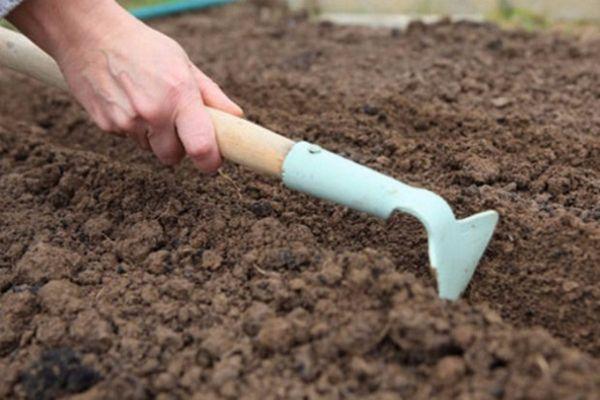
To prevent weeds from robbing American asters of nutrients, it's essential to weed the area regularly. To reduce the number of weeding steps, experienced gardeners recommend using a mulch layer consisting of wood chips and peat chips. Furthermore, weeds and uncollected plant debris often cause diseases and insect pests on asters.
Protection from insects and diseases
Another essential step in plant care is prevention and protection against diseases and insect pests.
Among the diseases considered dangerous for New England aster are:
- Rust. A distinctive sign of the onset of the disease is the formation of blisters on the underside of the leaf blade. The disease is caused by fungi, most often spreading to flowers from conifers. Over time, the leaves wilt, dry out, and fall completely from the bush. The affected foliage is completely cut off and treated with a fungicide, not only the plant but also the surrounding soil. Treatment continues until the plant is completely cured.
- Powdery mildew. The main symptom of the disease is the formation of a powdery, whitish coating on leaves and flower stems. Over time, the leaf blades turn yellow, the flowers take on an uncharacteristic, misshapen shape, and eventually the bushes wither. In the early stages of the disease, prepare a solution of green soap and wash the affected areas with it. For mild infestations, folk remedies such as nettle, onion, or garlic infusions can help. In case of widespread infestation, treatment with copper sulfate is essential.
- Yellows. This is a viral disease that spreads very quickly from one bush to another. Characteristic signs include foliage turning pale green and developing a yellow coating. Numerous buds form on the bushes, which then develop into deformed flowers. The leaf blades become brittle and completely lose their color, then curl and fall off. At the initial stage of infection, all affected foliage is removed, and the flowers are treated with an insecticide solution. If the infestation is severe, all bushes are dug up and burned outside the garden to prevent widespread infestation.

Pests that damage New England asters:
- spider mite and earwig;
- meadow bug and thrips;
- cutworm and bud aphid.
To control insects, insecticidal preparations such as "Aktara", "Intavir", "Karbofos", "Aktellik" are used.
Shelter for the winter
American asters survive winter without problems, even in northern regions. To protect the root system, mulch the area around the tree with sawdust or fallen dry leaves.
Potential problems and difficulties
One of the most common problems with asters is root rot due to overwatering. Also, with age, the bases of American asters become bare, and the plant no longer looks as attractive as it did in its youth. Therefore, it is recommended to divide aster bushes every 3-4 years to rejuvenate the flowers.
Related posts:
 Planting and caring for asters in open ground, propagation and description of species and varieties
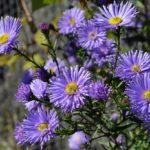 Description and characteristics of the best varieties of New England aster, planting and care
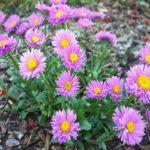 Description of the best varieties of alpine aster, planting and care rules
 Rules for planting and caring for shrub asters, the best varieties and growing features
 When and how to plant asters in the fall before winter, is it possible
 Description of cut flower mixtures of Chinese asters, planting and growing rules
 The best eggplant varieties for growing in a polycarbonate greenhouse: planting and care
 Classification of aster species by shape, height and flowering period and description of varieties