
- Benefits of planting asters in winter
- For which regions is autumn flower planting possible?
- The best varieties of asters for winter sowing
- How to plant asters outdoors in autumn
- Optimal timing
- Preparing the site and beds
- Direct sowing
- Covering seedlings for the cold period
- Tips and recommendations from gardeners
Asters are popular worldwide, commonly grown in city flowerbeds and used to decorate squares, parks, and even gardens. But to ensure truly beautiful, lush, and long-lasting blooms, it's important to plant them on time. However, in the spring, time is often short, and gardeners often face a pressing question: is it possible to plant asters starting in late fall, just before winter?
Benefits of planting asters in winter
Planting flowers in winter has many advantages over spring planting, and they are as follows:
- the plants will have strong immunity to diseases and will better withstand spring (recurrent frosts);
- Seed germination is increased by winter (natural) stratification. Therefore, there is no need to freeze seeds in the refrigerator, which is common practice for spring planting;
- the seeds germinate earlier, the asters themselves also bloom a week earlier, plus the flowering will be abundant and long-lasting;
- saves time and energy for gardeners, which is so lacking in the spring;
- the risk of planting too late in spring disappears, which is especially relevant for southern regions with the early arrival of heat;
- there is no need for labor-intensive cultivation of seedlings;
- You can sow asters at any time after the onset of cold weather, even if there is snow.
For which regions is autumn flower planting possible?
Gardeners often wonder whether it's possible to plant asters in the fall in northern regions. The timing of fall sowing depends on the region. However, it's important to pay attention to the weather forecast to avoid surprises like early severe frosts and subsequent thaws. Such temperature fluctuations in the fall often cause seeds to germinate, but the seedlings then die.

The correct time to sow is when consistently cool weather sets in. The main planting times are:
- In the Moscow region, gardeners begin sowing asters from the end of October to the beginning of November;
- in the Urals, as well as in Siberia, flowers are planted from the end of September to the beginning of October;
- In the southern regions, sowing begins in early November.
The best varieties of asters for winter sowing
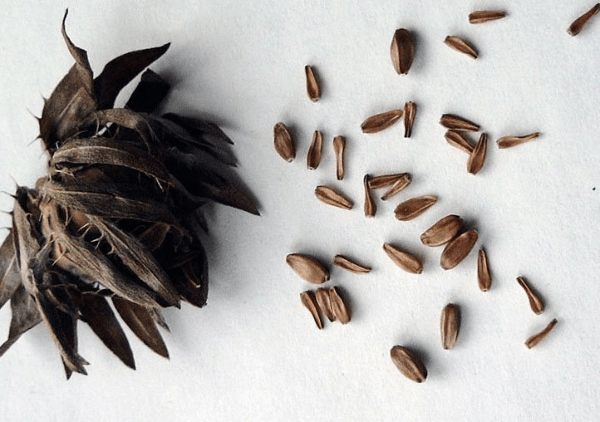
For sowing, you can use either store-bought planting material or home-grown seeds. However, the best option is, of course, to purchase branded seeds in their original packaging.
An important point is to strictly adhere to expiration dates – expired, old planting material quickly loses its germination capacity.
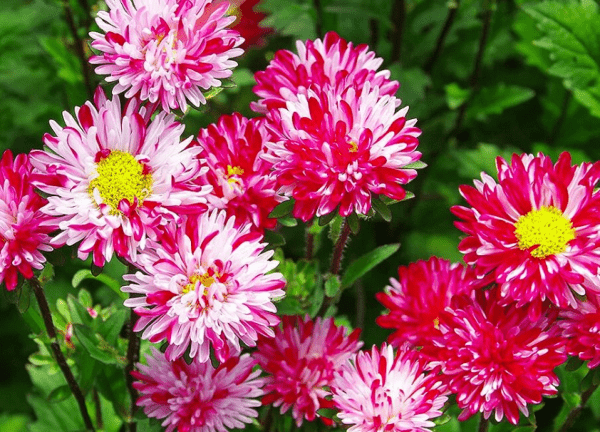
For winter sowing, pom-pom asters are the first choice, as they are more susceptible to fusarium wilt when planted in spring. However, in the fall, you can safely plant needle-shaped and other varieties. types of astersBreeders have developed a magnificent variety of cultivars, the most popular of which are:
- Winter cherry;
- Richard;
- Pompom mixture;
- Pearl;
- Krakowiak;
- Super princess;
- Gray-haired lady;
- Blue Vortex;
- Roter Turm;
- Peony mixture.
How to plant asters outdoors in autumn
This procedure is straightforward for a gardener. The key is to plant flowers with high-quality seeds, at the right time, and properly prepare the soil.
Optimal timing
The optimal timing varies depending on the growing region. In each region, winter sowing should only be done after stable frosts have set in. If asters are planted earlier, the seeds may sprout and die during thaws.
Preparing the site and beds
To ensure lush, long-lasting, beautiful blooms, good growth energy, and the health of your favorite asters, a gardener must choose the right location for the beds and prepare them properly in advance.
List of necessary agricultural measures:
- When creating beds, choose well-lit or slightly shaded areas. Only then will the asters' blooms be most spectacular.
- the beds should not be flooded in the spring; places with groundwater close to the soil surface are not suitable;
- The soil should never be acidic, dense, or heavy. It should be neutral or alkaline, and permeable to moisture and air;
- To prepare the beds, it would be correct to add the following during digging: non-acidic nutritious peat, rotted manure or bird droppings, as well as mineral fertilizers (Nitroammophoska, superphosphate or potassium sulfate);
- Crop rotation is important. Marigolds, green manure, and calendula are excellent predecessors. It's best not to plant asters in the same spot where carnations, tulips, or the asters themselves grew last season.
- To protect against the dangerous disease fusarium wilt, it is recommended to add wood ash during tillage and apply fungicides. Fundazol has proven effective;
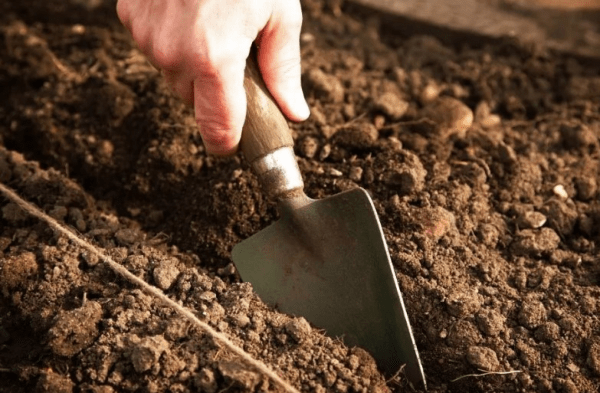
- After deep digging, the soil is leveled with a rake, watered, and then loosened again;
- furrows 1.5-2 centimeters deep are made in the garden bed, and then everything is covered with agrofibre (lutrasil, spunbond) and left to “rest” until the onset of stable cold weather;
- At the same time, you can prepare protective mulch or peat soil mixture, which will be used to cover the crops for the winter.

Direct sowing
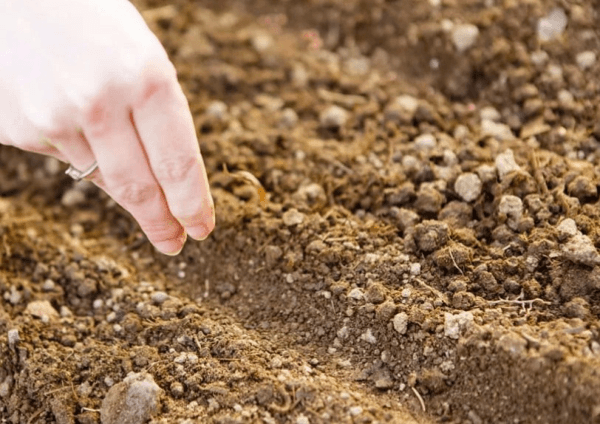
Once the soil freezes and the weather becomes consistently cool, gardeners can begin planting. Asters should be sown thickly, with ample seeding, in pre-prepared furrows. This is one of the downsides of this method of planting—seed consumption is significantly higher than with the spring method. And, of course, it's much higher than with the economical seedling method.
After this procedure, the furrows containing the planting material are filled with a pre-prepared planting substrate. It should be loose, light, nutritious, and definitely not frozen. It's best to add the substrate a couple of centimeters above the soil level.
Covering seedlings for the cold period
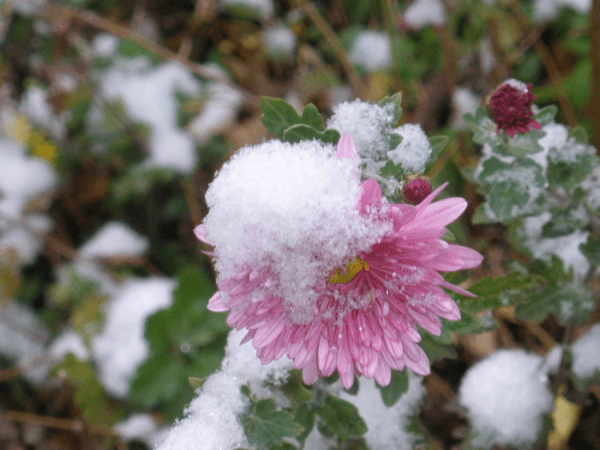
To ensure the seeds survive the winter and severe frosts, the crops need to be protected. This is achieved by applying a protective layer of mulch, which can be organic or inorganic. Suitable materials include fallen leaves, pine needles, peat, rotted manure, sawdust, or any non-woven material such as agrofibre. The organic mulch layer should be at least 5 centimeters thick.
Tips and recommendations from gardeners
To grow beautiful, healthy flowers, novice gardeners should heed the advice of experienced gardeners. Key considerations include choosing the right site, preparing the soil, using high-quality seeds, and planting at the right times.
The main disadvantage of winter sowing is the high seed consumption. Gardeners should take this into account when purchasing planting material.
Related posts:
 Planting and caring for asters in open ground, propagation and description of species and varieties
 Description and characteristics of the best varieties of New England aster, planting and care
 Description and characteristics of the best varieties of New England aster, planting and care
 Description of the best varieties of alpine aster, planting and care rules
 Description of cut flower mixtures of Chinese asters, planting and growing rules
 Classification of aster species by shape, height and flowering period and description of varieties
 Rules for planting and caring for shrub asters, the best varieties and growing features
 The best eggplant varieties for growing in a polycarbonate greenhouse: planting and care
Take a look Also
