
- Botanical description
- Pros and cons of using in landscape design
- Specifics of planting and caring for the Red Ice cinquefoil
- Features of planting operations
- Preparing the site and seedlings
- Planting dates and patterns
- Proper plant care
- Irrigation
- Top dressing
- Weeding and mulching
- Shaping and pruning the bush
- Preventive treatments
- Frost protection
- Methods of flower propagation
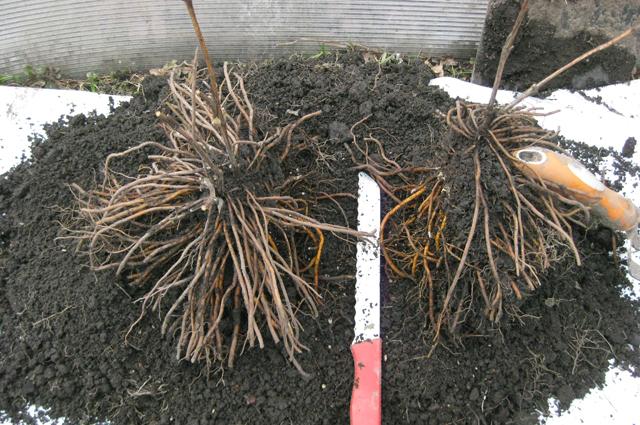
- Dividing the bush
- Collecting seeds
- Layering
- Cuttings
- How is cinquefoil used in medicine and cosmetology?
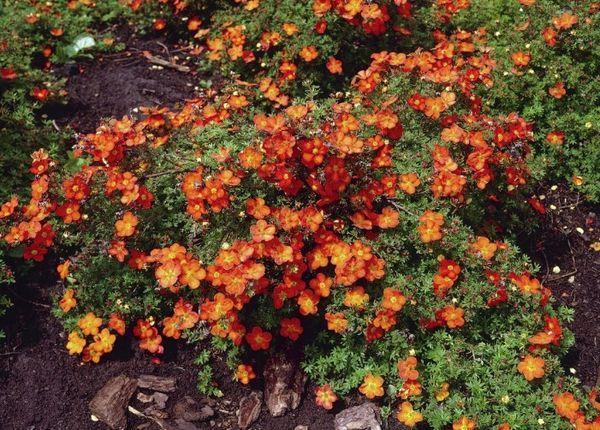
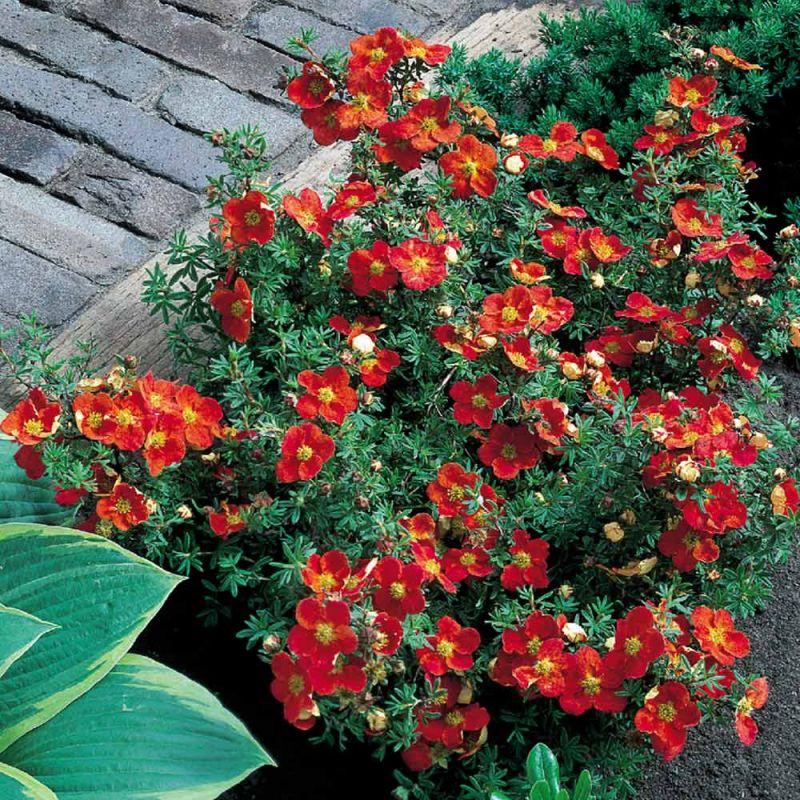
Red Ice is an ornamental variety of shrubby cinquefoil. It differs from wild species in its large orange-red flowers and abundantly branched shoots. Red Ice was bred in the UK. The shrub is resistant to smoke and exhaust fumes and can be planted as a hedge along a road. This ornamental plant has medicinal properties. Its roots and leaves are used in traditional medicine.
Botanical description
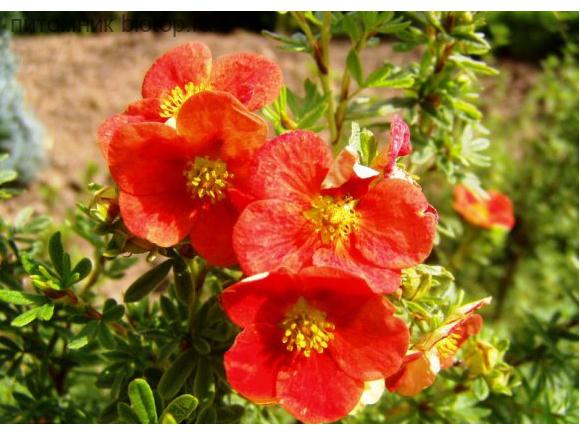
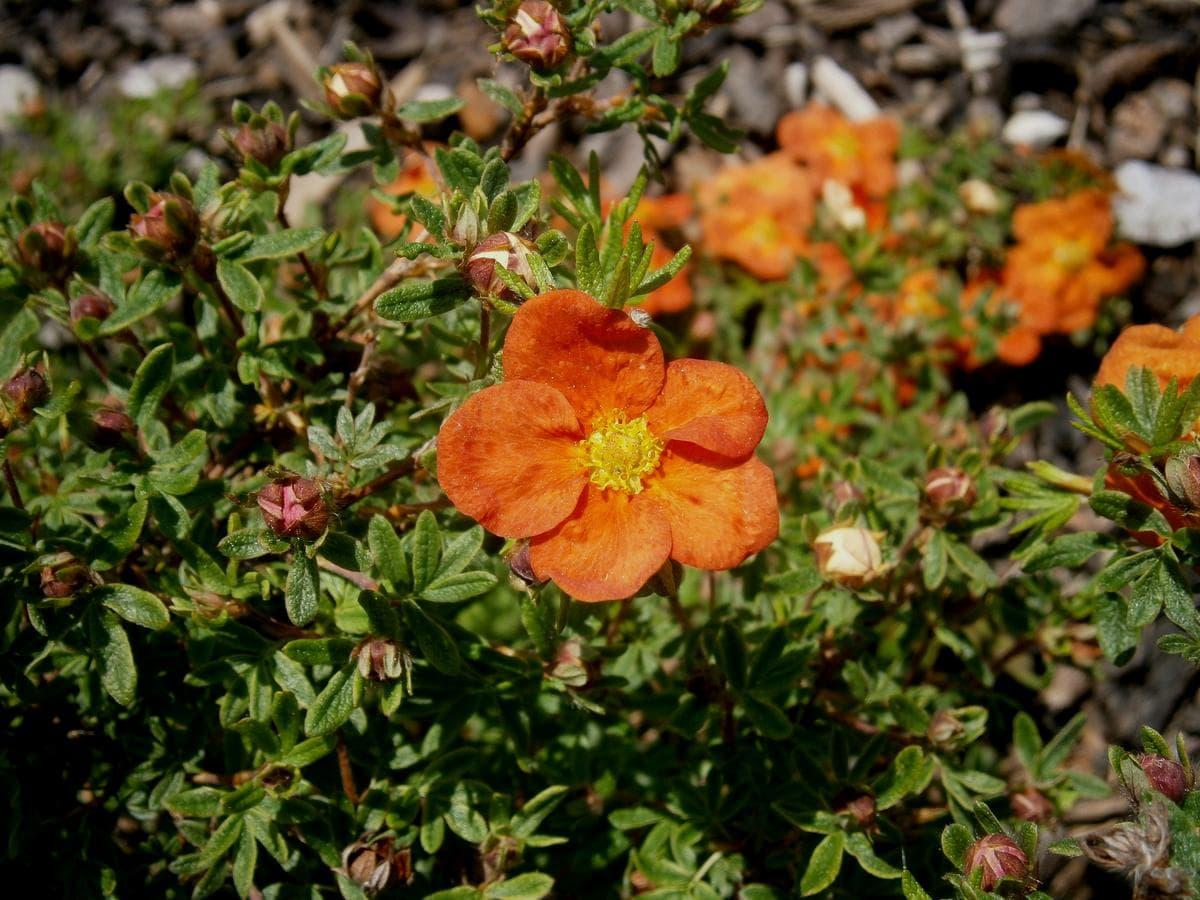
The plant's scientific name is Potentilla Fruticosa Red Ace. Gardeners call it Red Ice or Ace for short. The shrub's external characteristics include:
- red-brown bark;
- light green leaves are collected in cinquefoils;
- height – 60-70 centimeters;
- width – 120-140 centimeters;
- the buds consist of 5 petals;
- red-orange flowers turn yellow mid-bloom;
- fruits are seed capsules.
The shrubby cinquefoil Red Ice blooms from early June to mid-October.
Pros and cons of using in landscape design
Red Ice is a perennial shrub that adapts well to its environment and blooms vibrantly throughout the summer and into autumn. This versatile variety pairs well with annuals and conifers. Red Ice is used in the design of:
- flower beds;
- alpine slides;
- park alleys;
- access roads.
Potentilla bushes are planted in pots and arranged on porch steps, on the veranda, and around the gazebo. The plant is frost-resistant and grows in one place for a long time. The Red Ice variety is used as the centerpiece of the arrangement, with different annuals planted around it each year, changing the garden's appearance.
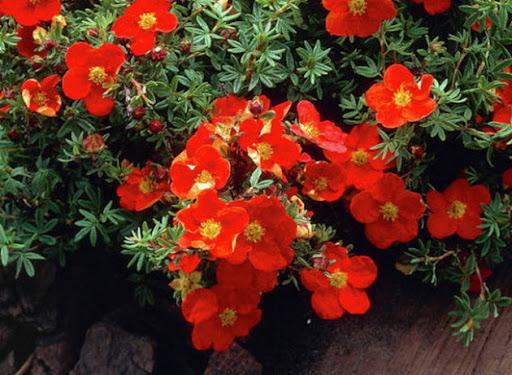
A disadvantage of cinquefoil is its slow growth in shade. Therefore, it should be planted in level, bright areas. Bushes grown in full sun have more vibrantly colored flowers.
Specifics of planting and caring for the Red Ice cinquefoil
The red cinquefoil variety is generally easy to grow. However, for best growth and flowering, it requires the following conditions:
- loamy soil - clay soil accumulates moisture, dampness promotes the development of fungal diseases, therefore, when planting, the clay should be diluted with fine river sand;
- bright light - a sunny place in the morning and afternoon, with partial shade from 11 am to 1 pm is suitable for cinquefoil;
- fresh air - strong wind and drafts are not scary for low bushes.
Young seedlings need to be watered more frequently than mature bushes. In dry weather, pour a bucket of water under each seedling every three days. In rainy weather, they can survive without watering. However, if there has been no significant rainfall for three days, it's best to water the seedlings additionally.
Features of planting operations
To plant Red Ice cinquefoil, prepare the site in advance to allow the soil to settle and absorb the fertilizer. Drainage is essential to prevent moisture accumulation—such as broken brick, crushed stone, or pebbles.
The seedlings are planted so that the root collar is above the ground. After watering, the soil will settle, and the stem will descend to the desired depth.
Preparing the site and seedlings
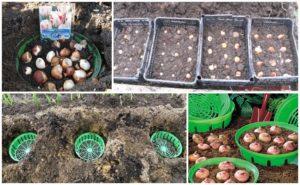
The area for the Red Ice cinquefoil is prepared two weeks before planting:
- Dig holes the size of the roots, with an average depth and width of 50x50 centimeters. A trench of the same depth is dug for the hedge;
- a 20-centimeter layer of drainage is placed at the bottom of the holes and trenches;
- The soil excavated from the holes is mixed with humus, and 100 grams of superphosphate is added to each hole. Wood ash and sand are also added;
- The holes are filled halfway with the soil mixture.
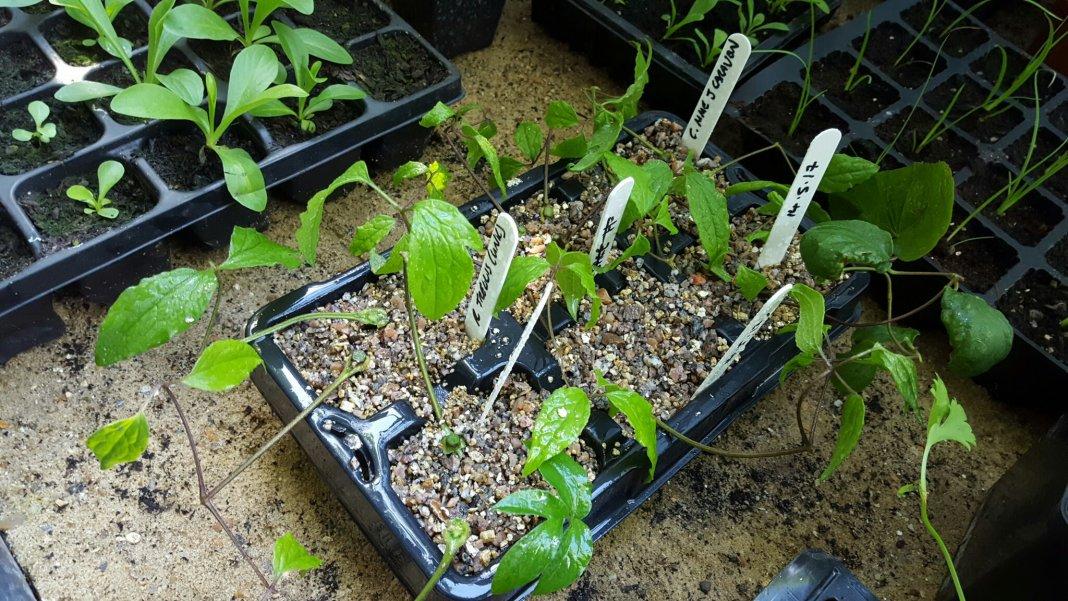
The seedlings are prepared on the day of planting:
- exposed roots are inspected and damaged shoots are removed;
- soak for an hour in a pale pink solution of potassium permanganate to prevent diseases;
Seedlings grown in pots are planted with a lump of earth.
Planting dates and patterns
Red Ice cinquefoil is planted in the fall and spring. For fall planting, choose a sunny, dry day in the second half of September. The seedlings will root within a month. Spring planting is best in late March and early April. It's best to plant cinquefoil immediately after warm weather sets in. If planted in March, the shrub will have 2-3 weeks to develop roots. Cinquefoil planted in April will focus its energy on crown development, but a weak root system will not provide it with sufficient nutrition.
Holes for seedlings are dug in a single line or staggered. The distance between bushes is 100 centimeters, and within the trench, 80-90 centimeters. The average crown width of shrubby cinquefoil is 130 centimeters, but annual pruning can help control its growth.
How to plant a seedling in a hole or trench:
- pour a small mound of soil mixture onto the bottom;
- straighten the roots;
- put on top of the hill;
- fill with earth, compact;
- pour warm water.
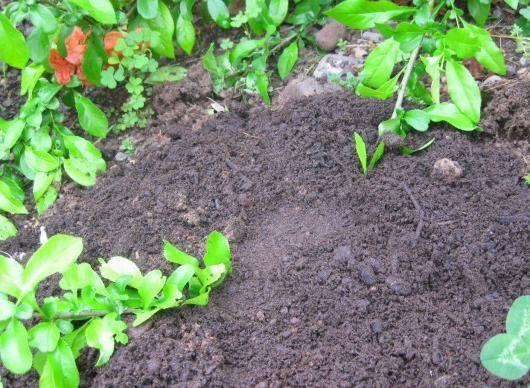
One bucket of liquid is used per plant. To ensure the water reaches the optimal temperature, it is left to stand in the sun.
Proper plant care
Cinquefoil is native to Europe and Asia. The ornamental variety Red Ice differs from its wild relatives in its vibrant flowers, but is just as hardy and undemanding. Proper cultivation of this shrub in the garden involves moderate watering, sprinkling, and annual pruning.
Irrigation
In warm, dry weather, cinquefoil should be watered 2-3 times a month. During drought, the soil beneath the bushes should be moistened 1-2 times a week. The soil should be moderately moist. Therefore, it is important to choose a site with loose soil and ensure adequate drainage. During the first year of growth, the bushes are given a sprinkler irrigation. For spraying, use room-temperature water, warmed in the sun.Sprinkling is carried out once a day - in the morning or in the evening, at sunset.

Top dressing
During the first year of growth, Red Ice cinquefoil does not require fertilization. The seedlings benefit from the nutrients in the soil and the fertilizer added during planting hole preparation to ensure crown growth and root strengthening.
In the second year, the bushes will begin to bloom actively, so they will need to be fed three times:
- nitrogen is added before the buds open;
- during bud formation - superphosphate and potassium;
- after flowering - potassium and phosphorus.
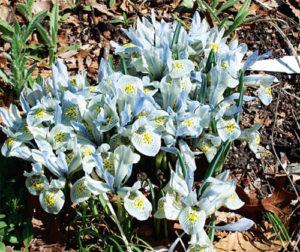
Fertilizers are dissolved in water for irrigation.
Weeding and mulching
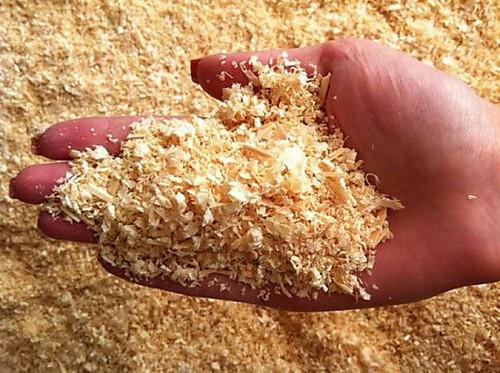
The soil is mulched after planting seedlings, in the fall, before frost, and after watering. Peat, sawdust, and nut shells are used for mulching. Mulching prevents water evaporation and inhibits weed seed germination.
Shaping and pruning the bush
Cinquefoil Red Ice is pruned 1-2 times a year:
- In spring, before the sap starts to flow, remove branches damaged during the winter that grow inside the bush;
- In autumn, faded shoots are cut back by a third.
Old cinquefoil branches must be pruned, as they bloom only once. The following year, the bushes produce new shoots, which then bloom. Last year's branches crowd the plant and rob the new stems of nutrients. Without pruning, the bushes bloom less frequently and produce smaller flowers.
Every three to four years, rejuvenation pruning is performed in the fall. Branches are cut back almost completely, leaving 20 centimeters above the ground. Formative pruning is also performed in the spring to maintain the bush's shape. Cinquefoil is pruned into a ball or flat cushion. The plant holds its shape well, so topiary pruning is also performed every three years.
Preventive treatments
Cinquefoil is resistant to diseases and pests. If improperly cared for, the plant is susceptible to fungus and spider mites. The bushes also pick up rust from coniferous trees.
Preventive measures for fungal diseases:
- do not allow water to stagnate in the soil;
- thin out the bush so that it allows air and sunlight to pass through, which pests do not like;
- monitor the condition of the leaves, remove damaged branches.
A mixture of boron and sulfur is used against rust. To prevent spider mites, cinquefoil is treated with Bordeaux mixture in the spring, before flowering.
Frost protection
Red Ice cinquefoil is a frost-hardy shrub. In southern regions, it can grow without cover.
In the northern and central regions, the plant is prepared for winter:
- cut the branches by a third;
- water and mulch the soil with peat.
The thickness of the mulch layer is 15 centimeters.
Methods of flower propagation
The Red Ice variety of cinquefoil is easily propagated by seed and vegetatively. In the wild, the bushes produce basal suckers, and the wind carries the seeds through the air. Gardeners often propagate cinquefoil by layering and cuttings. Dividing the bush is suitable for plants that have been in the same location for more than five years, have grown wide, and are producing small flowers. Seeds should be germinated in containers.
The advantage of cuttings and layering is that plants develop in open ground. Seedlings planted in the spring can be transplanted to their permanent location as early as the fall.
Dividing the bush
The procedure is carried out in the spring, before the sap begins to flow:
- dig up the bush;
- divide the rhizome so that each part has 2-3 buds;
- planted in a new location in a pre-prepared planting hole.
The cuttings are already blooming this year.
Collecting seeds
A more labor-intensive method of propagating cinquefoil is growing seedlings from seeds:
- the contents of the seed pods are sown in large boxes or flowerpots;
- cover with film;
- Once a week, ventilate and, if necessary, moisten the soil;
- in the spring, when strong shoots with 2-3 leaves appear, the seedlings are transferred to the garden;
- For the winter, young bushes are covered: the soil is mulched and covered with spunbond.
In the second year, the seedlings are ready to be transplanted to a permanent place in the garden, and in the third year, you can observe flowering.
Potentilla seeds have a high germination rate. They can be germinated naturally by sowing them in the fall. They will undergo natural stratification over the winter and germinate in the spring. The downside of seed propagation is that the plants do not retain their varietal characteristics.
Layering
This method is suitable for propagating bushes 2-3 years old:
- in spring, select the lower branch;
- they dig a ditch underneath it;
- bend to the ground;
- cut from the outside;
- They lower the cut into the ditch and bury it.
Over the course of three summer months, the cutting will take root. By autumn, a separate spot is prepared for it in the garden. In September, the new plant is dug up, separated from the main bush, and replanted.
Cuttings
Cuttings are taken in summer and autumn:
- the tops of shoots with dense bark are cut off at a length of 10 centimeters;
- kept in a solution of root growth stimulator;
- mix garden soil with peat and sand and fill the seedling boxes;
- cuttings are planted.

Seedlings prepared in the fall can be transplanted into individual pots and planted in the garden in the spring. Summer cuttings are rooted in open ground. After roots appear, they are planted in soil and covered with plastic or glass jars. Once leaves appear, the jars are removed. Seedlings in containers and in the garden should be watered and misted regularly.
How is cinquefoil used in medicine and cosmetology?
Cinquefoil is known as Kuril tea. The leaves and twigs are brewed like regular tea. In folk medicine, the rhizome, rich in tannins, saponins, the flavonoid quercetin, and resins, is used. Wild varieties of cinquefoil have medicinal properties: goose, white, and erect galangal. Due to their high iodine, selenium, zinc, and magnesium content, their rhizomes are used to treat skin conditions, gastrointestinal tract, and thyroid disorders.
Kuril tea has a calming effect, has an anti-inflammatory effect, strengthens the immune system and normalizes metabolism.
The plant accumulates the most beneficial substances during flowering. Leaves and branches are cut throughout the year for infusions, and the rhizomes are dug up in early spring. When taken internally, cinquefoil strengthens hair and nails. The plant extract is added to cosmetic hand and face creams. The leaves and rhizomes of the ornamental Red Ace variety can also be brewed into teas and infusions, using them as an additional tonic.
Related posts:
 Rules for planting and caring for cinquefoil in open ground, growing and pruning
 The best varieties and types of cinquefoil, their description and growing characteristics
 Description and methods of using Potentilla Goldfinger, planting and care rules
 Nepalese cinquefoil varieties, their cultivation and use in landscape design
 Planting, growing, and caring for white cinquefoil in open ground
 Description and characteristics of the Potentilla variety Princess, planting and care instructions
 Useful properties and contraindications of white cinquefoil, rules of application
 Useful properties and contraindications of Potentilla erecta