
- Characteristics of the Pink Queen variety
- Advantages and disadvantages
- Comparative characteristics with the Cobalt variety
- Examples of use in landscape design
- Planting and caring for the Pink Princess
- Site selection and preparation
- How to prepare seedlings
- Time and layout of the landing
- Watering and fertilizing requirements
- Bush formation
- Loosening the soil and removing weeds
- Protection against diseases and parasites
- Propagation of Potentilla Pink Queen
- Seeds
- Dividing the bush
- By layering and cuttings
From summer to fall, cinquefoil bushes are completely covered in beautiful flowers, which, depending on the variety, have different diameters and bud colors. Gardeners love the Princess cinquefoil for its compact size, low-maintenance nature, and large pink flowers. Below are characteristics of the plant, information on planting and care, propagation, and its use in landscape design.
Characteristics of the Pink Queen variety
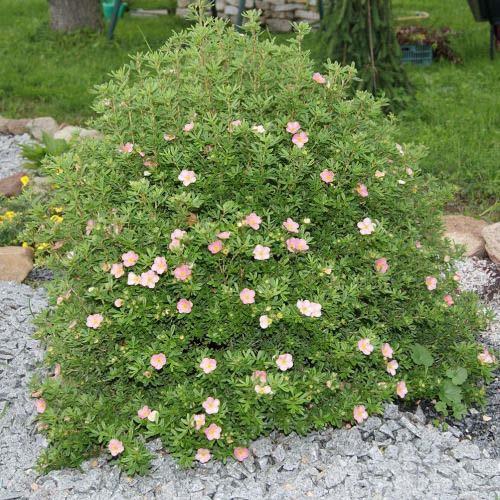
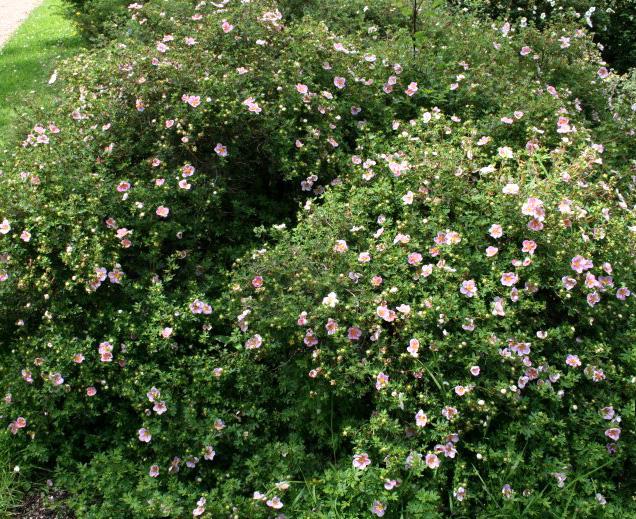
The shrub's shoots reach a height of 60-70 centimeters. The lower branches are prostrate. The crown diameter is 1-1.2 meters. The shoots are densely covered with small, oblong leaves. They are green above and silvery below.
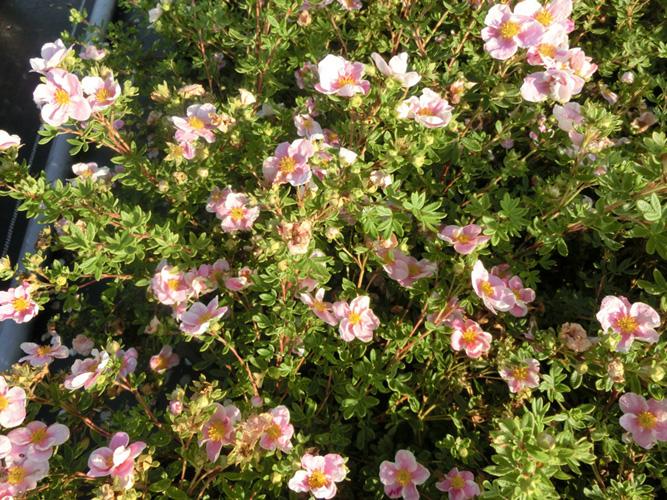
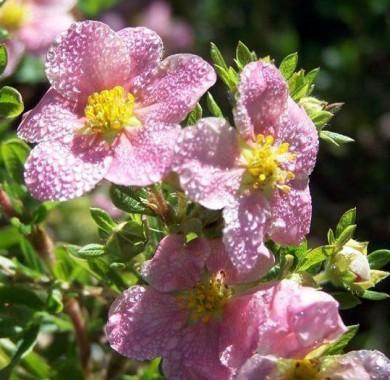
The flowers reach 5 centimeters in diameter. They grow solitary, gathered in corymbs. The petals are pink. Yellow stamens are located in the center of the flower. The buds open in June. Flowering lasts until mid-autumn. Potentilla Queen adapts well to a variety of climatic conditions, making it suitable for planting in any region.
Its beautiful appearance and ease of care make cinquefoil one of the most beloved garden plants.
Advantages and disadvantages
The positive qualities of the Potentilla Princess include the following:
- beautiful and long-lasting flowering;
- universal use in landscape design;
- ease of care;
- good immunity;
- ease of reproduction.
No disadvantages have been identified for the Potentilla Princess.
Comparative characteristics with the Cobalt variety
Breeders have developed many varieties of cinquefoil. They are similar in some ways, but also have significant differences in others. Kobold has the same characteristics as Princess. The only difference is that Kobalt has yellow petals.
Examples of use in landscape design
Pink Princess is planted alone against a lawn backdrop, or in combination with other plants. Cinquefoil is used as an understory for tall trees. Low-growing ornamental foliage and flowering plants are planted against it.
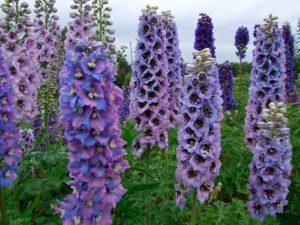
Cinquefoil Pink Queen is used as an edging along paths. It also makes a beautiful hedge. It is planted in Chinese and Japanese gardens, rockeries, and alpine gardens. It is also incorporated into mixed borders, combining it with other ornamental plants.
Planting and caring for the Pink Princess
The Pink Queen cinquefoil is easy to grow and can thrive even in less favorable conditions. However, for abundant and long-lasting blooms, it requires conditions close to natural ones. Care includes timely watering, fertilization, and disease and pest control.
Site selection and preparation
Choose a sunny location, protected from cold winds. During hot midday hours, the bushes should be protected from bright sunlight. Otherwise, the rose petals may fade. Clear the area of debris and dig it up. Two weeks before planting, dig a hole. Prepare a loose, lightweight substrate consisting of leaf mold, humus, and river sand. Add 100-130 grams of mineral fertilizer mixed with soil to the bottom of the hole.
Important! Groundwater in the area where cinquefoil is planted should not be too close to the soil surface.
How to prepare seedlings
Buy bushes from a nursery or a market, where they're sold by reputable sellers. Only then can you be sure you're buying the right variety and are free of diseases and pests.
The root system of the bushes is placed in a potassium permanganate solution for 30-40 minutes. This is necessary to prevent diseases. Excessively long roots are trimmed before planting. Some gardeners recommend dipping the root system in a clay slurry before planting.
Time and layout of the landing
Potentilla Princess is planted outdoors in spring or fall. Follow these steps:
- dig a hole 70-90 centimeters deep and 50-60 centimeters wide;
- a 15-centimeter layer of drainage is placed on the bottom;
- a mixture of soil and mineral fertilizers is poured in the same layer;
- fill the hole with fertile, loose soil;
- The bush is planted after straightening out the roots.
The planting hole is watered generously and mulched with sawdust, mown grass, or straw. Cinquefoil tolerates cold well; winter protection is not required.

Watering and fertilizing requirements
Water the Princess cinquefoil as needed. It doesn't tolerate stagnant water well, as its root system can become infected with fungus. Therefore, ensure the soil has time to dry out between waterings. Allow the water to settle beforehand.
Soil composition is improved by fertilizing several times throughout the season. In the spring, urea or carbamide are used to promote bush growth. Before bud formation, potassium and phosphorus are added to promote long-lasting and abundant flowering. In the fall, potassium is added to ensure the Pink Queen cinquefoil survives the winter safely.
Bush formation
Plants can be shaped into any desired form. To achieve this, shoots are trimmed to the desired length in the spring. Throughout the season, diseased branches, those broken by wind or animals, are removed. Stems that are crowding the crown are also removed. After five years, the bushes are rejuvenated by cutting back old branches to the roots.
Loosening the soil and removing weeds
After watering, a crust forms on the soil, preventing root aeration. To prevent this, the soil needs to be loosened. This procedure is performed 2-3 days after watering. To conserve moisture, the root zone is covered with mulch.
Weeds quickly form in fertile soil. They can carry diseases and pests. Therefore, weeds around the cinquefoil must be regularly removed.
Protection against diseases and parasites
If bushes are properly cared for, they rarely become diseased or attacked by pests. Dry and diseased branches are removed. Leaves and plant debris are raked from under the bushes in the fall. These debris can harbor pest larvae and pathogenic spores over the winter.
In the spring, cinquefoil is sprayed with special preparations for prevention. Fungal diseases are treated with fungicides. Insecticides are used against harmful insects. This procedure is carried out in calm weather.
Propagation of Potentilla Pink Queen
The plant is propagated by seeds, layering, and cuttings. Once established, the bushes are divided into sections, each planted separately. By propagating the Princess cinquefoil using one or more methods, gardeners can create a hedge or plant it as a border along a path.
Seeds
Propagation by seed is done in early spring. Low-sided containers are used for this purpose. The seeds are first soaked in a solution of potassium permanganate. Planting is done as follows:
- the box is filled with a mixture of peat and sand;
- make shallow grooves;
- sow the seeds and spray with water;
- fill with substrate;
- The box is covered with film.
The crops are tended to: ventilated and watered periodically. When seedlings emerge, the film is removed. The grown bushes are transplanted into individual pots. Once the plants have established themselves, they are planted out in the garden.
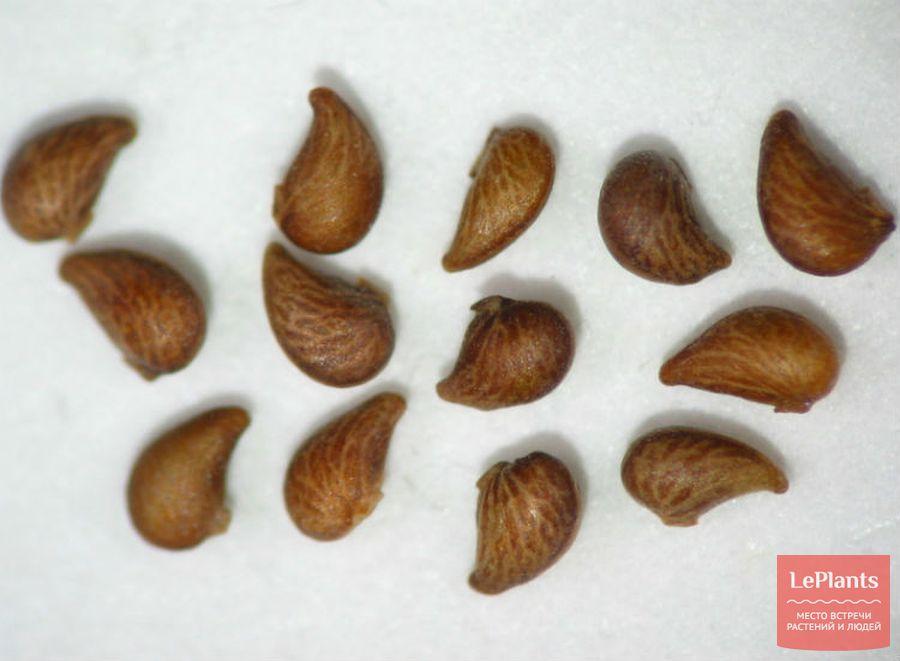
Please note! Propagation by seed is labor-intensive. Furthermore, the Pink Princess cinquefoil may not inherit all of its parental traits.
Dividing the bush
This is how mature plants are propagated. To do this, the bush is dug up and divided into sections with a sharp shovel. To prevent the spread of diseases, the tool is disinfected beforehand. The divisions, each containing shoots and a root system, are planted in the garden.
By layering and cuttings
The easiest way to propagate Potentilla Princess is by layering. Use branches located in the outer circle of the bush. Furrows are made around the plant, and the shoots, stripped of their leaves, are placed in these furrows. The layers are secured with bent wire and covered with soil.
Throughout the season, they are cared for: watered, weeded, and the soil loosened. Soon, roots will appear on the shoots. After this, the cuttings are separated from the mother plant and planted in pre-prepared individual holes.
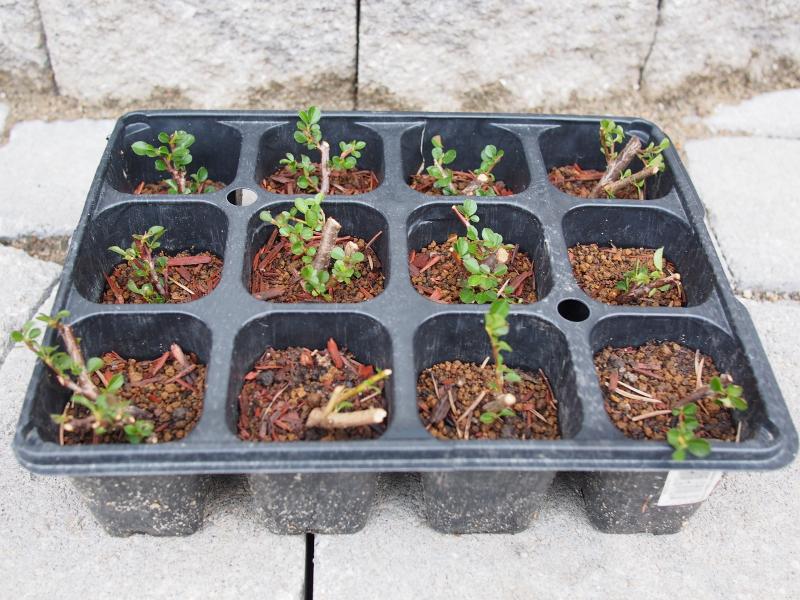
Another popular method of propagating Potentilla Princess is by cuttings. This procedure is carried out in the summer. The cuttings are taken and placed in a greenhouse or container covered with plastic film. Soon, a root system will begin to form, and new shoots will emerge. The Potentilla is planted in its permanent location after a year.
Related posts:
 Rules for planting and caring for cinquefoil in open ground, growing and pruning
 Description and rules for growing the Red Ice cinquefoil variety, planting and care
 Description and methods of using Potentilla Goldfinger, planting and care rules
 Nepalese cinquefoil varieties, their cultivation and use in landscape design
 The best varieties and types of cinquefoil, their description and growing characteristics
 Useful properties and contraindications of white cinquefoil, rules of application
 Planting, growing, and caring for white cinquefoil in open ground
 Useful properties and contraindications of Potentilla erecta