
- Characteristics of cinquefoil and its features
- Application in landscape design
- Varieties and types
- Groundcover varieties for rockeries and alpine slides
- For the garden and flower beds
- For hedges and borders
- Growing conditions requirements
- Features of planting and caring for the crop
- Site selection and preparation
- Preparing planting material
- Timing and sowing patterns
- Watering
- Fertilizer
- Loosening and mulching the soil
- Shaping and pruning the bush
- Transfer
- Preparing for the winter period
- Pests and diseases of cinquefoil
- How does a plant reproduce?
- Cuttings
- By dividing the bush
- Layering
- Seeds
- Gardeners' reviews of cinquefoil
Garden owners choose low-maintenance yet beautifully flowering plants to decorate their plots, which require little time to care for. One such plant is cinquefoil, a member of the Rosaceae family. Its large flowers last a long time, decorating flowerbeds for a long time. Planting and caring for cinquefoil outdoors is easy, even for novice gardeners.
Characteristics of cinquefoil and its features
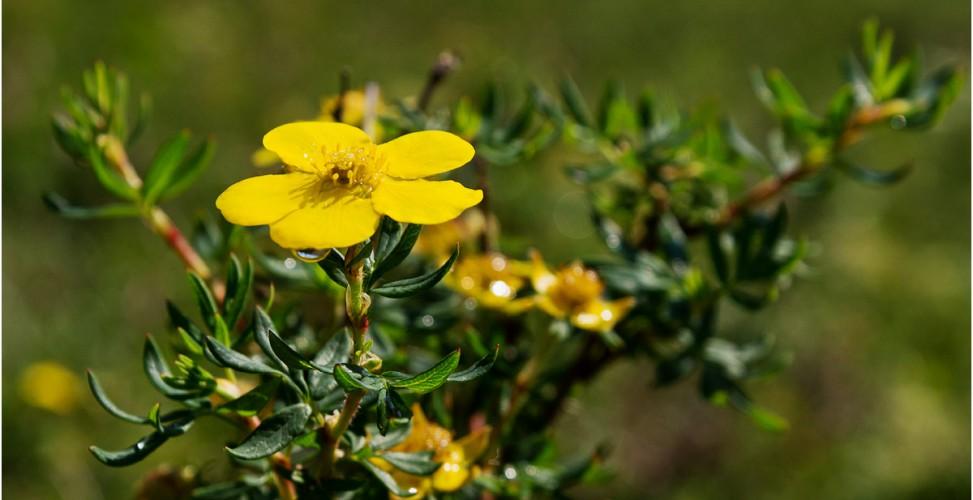
The genus Potentilla includes over 500 species, including shrubby plants and creeping plants. The plant is used not only for landscaping but also as a medicinal plant and in cooking. In its natural habitat, cinquefoil is most often found in sunny forest edges, as well as on the banks of lakes and rivers. It is grown as an annual or perennial plant, depending on the variety. The flower's name, derived from Latin, translates as "strong" or "powerful."
Cinquefoil has a woody, superficial rhizome. The plant's height varies from 30 cm to 1.5 meters. The shoots can be either creeping or erect. The leaves are pinnately dissected and bright green.
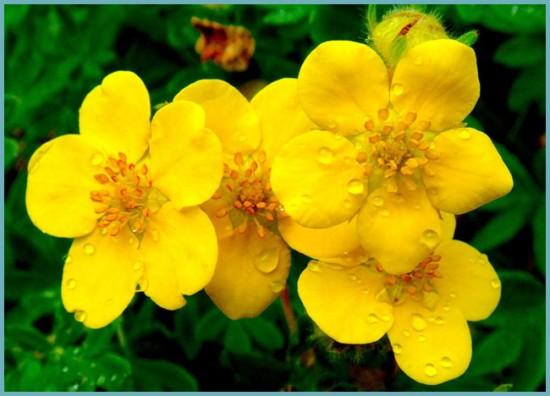
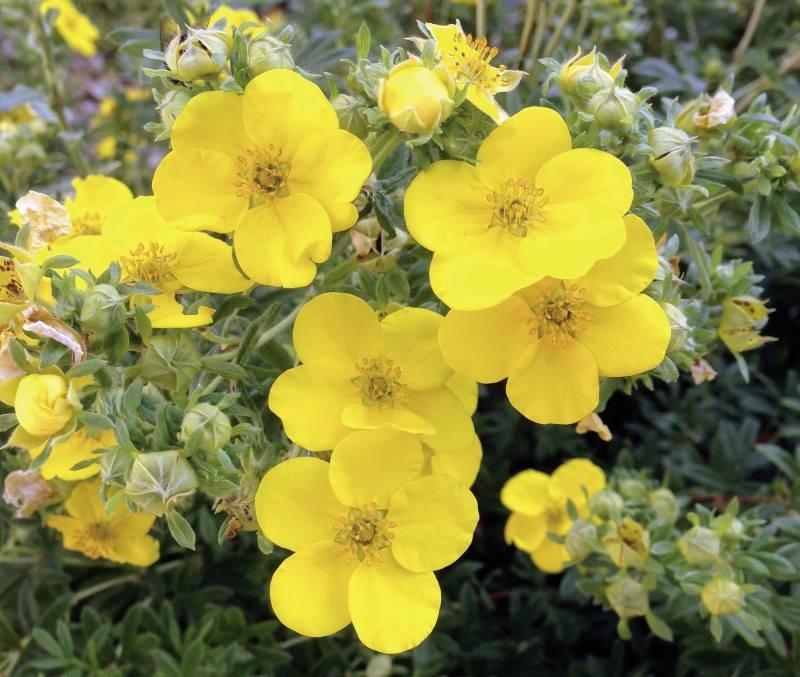
Potentilla flowers are gathered in corymbose or paniculate inflorescences located at the ends of shoots. However, they can also be solitary or borne on tall, erect stems. Potentilla blooms in late spring or early summer, depending on the growing region. The petals are solid or bicolor, and the color range is quite varied: orange, pink, yellow, and white.
Three weeks after pollination, which occurs with the help of insects or wind, the cinquefoil produces fruits, which are dark olive-colored nuts.
Application in landscape design
Depending on the variety of cinquefoil grown, its use in landscape design varies:
- To create a hedge. In this case, cinquefoil becomes the border of a compositional object or the edging of a border. It is recommended to plant the plant at some distance from the path to allow it to spread.
- In flower gardens and flower beds. The plant is used to create multi-flowered arrangements, and yellow or orange cinquefoil becomes the main accent of the flower bed.
- In alpine gardens. Against a backdrop of conifers and creeping greenery, the plant looks especially bright and striking, becoming a natural addition to the composition.
- To decorate the banks of ponds. When growing cinquefoil near a decorative pond, reduce the frequency of watering to prevent the plant from rotting.
- For decorating gazebos. Bright cinquefoil bushes pair beautifully with flowers in hanging pots.
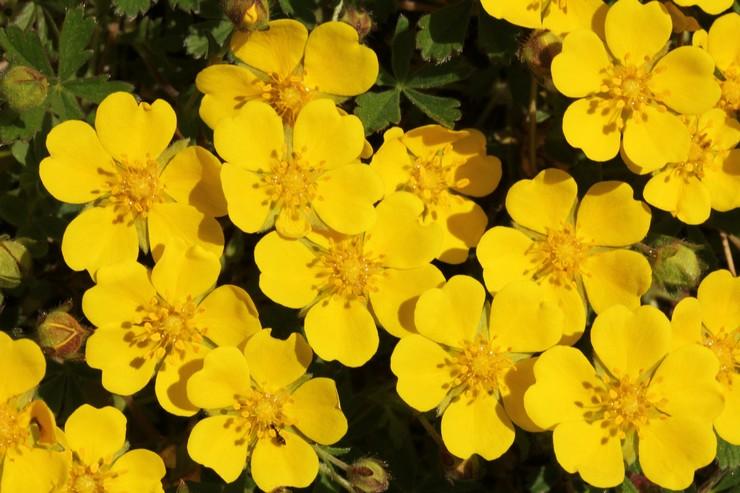
Varieties and types
Before choosing a cinquefoil for your garden, you need to study the characteristics of its varieties and cultivars and decide what purpose the plant will be used for.
Groundcover varieties for rockeries and alpine slides
Several varieties of cinquefoil are used to decorate rockeries and alpine slides:
- White. This herbaceous perennial is highly decorative during flowering. In late April, large flowers, no more than 25 mm in diameter, appear on the white cinquefoil. They have five petals and are attractive, but lack a strong fragrance. This variety is renowned for its low maintenance and increased frost resistance. It grows to a maximum height of 10 cm.
- Climbing cinquefoil. Characterized by creeping stems no longer than 50 cm, it is a perennial plant. Flowering occurs in late May, when bright yellow flowers, about 10 mm in diameter, appear on the climbing cinquefoil.
- Hybrid. The most popular hybrid cinquefoil varieties include Master Floris, which has yellow flowers with a reddish tint and blooms until the first month of autumn, and Yellow Queen, which grows to a height of no more than 30 cm and has yellow flowers.
- Brilliant. Pink flowers stand out as a striking accent against a carpet of silvery-green leaves. It tolerates dry periods and prolonged exposure to sunlight well.
For the garden and flower beds
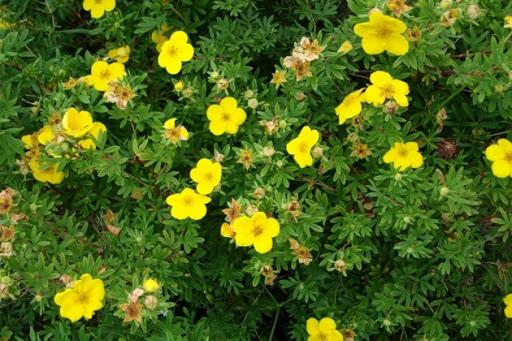
Gardeners choose cinquefoil for their gardens because of its long flowering period, which continues almost until the first cold snaps of autumn. The most popular varieties include:
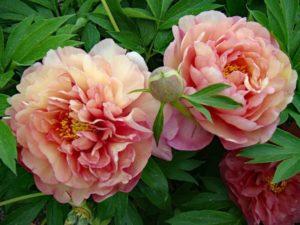
- Nepalese cinquefoil. Also classified as a herbaceous perennial, it rarely exceeds 50 cm in height. Nepalese cinquefoil flowers are 3 cm in diameter and are characterized by a light pink color with clearly visible reddish veins. They are gathered in paniculate inflorescences. The first flowers appear in late June and delight with their decorative beauty until the end of August.
- Dark Red Blood. This shrubby cinquefoil has pubescent, upright stems and grows up to 60 cm in height. Glossy red flowers, gathered in paniculate or corymbose inflorescences, are 5 cm in diameter. The flowering period lasts 50 days and begins in June. The most famous cultivar of dark red blood is Gibson Scarlet.
For hedges and borders
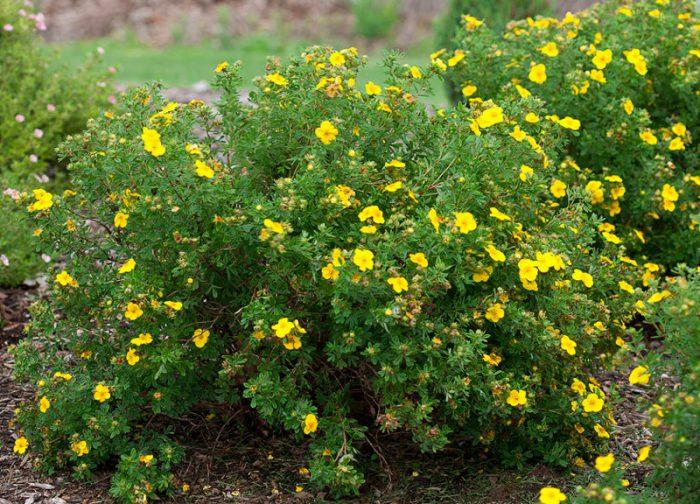
Shrubby varieties of cinquefoil are used to create hedges and borders. The most popular varieties are:
- Kobold. The cinquefoil grows to a height of no more than 50 cm, with a cushion-shaped crown reaching 120 cm in diameter. The first flowers appear in July, and the flowering period ends in October. The cinquefoil petals are light yellow.
- Tilford Cream. Compact bushes, no more than 60 cm tall, are covered with creamy-white flowers. Flowering lasts from the last month of spring until September.
- Goldfinger. The plant's main highlights are its lush green foliage and large yellow flowers, approximately 5 cm in diameter. Goldfinger blooms in June and continues until October. It's ideal for creating a tall hedge, as it grows impressively, reaching up to 150 cm.
- Red Ace. This low-growing variety grows to a height of no more than 65 cm. At the start of flowering, which occurs in June, the flowers are pinkish-red, turning orange-yellow in autumn. The crown is fluffy and voluminous, reaching up to 120 cm in diameter.

Growing conditions requirements
To ensure trouble-free cultivation of this ornamental plant, consider its growing conditions. Choose an open area that receives partial shade during the hottest part of the day. Without sufficient sunlight, the growth and development of the plant's shoots are slowed, and direct exposure to hot rays can cause the petals to fade, losing their decorative appeal. The exception is white cinquefoil, which prefers shady locations.
As for soil, slightly alkaline soil is considered ideal. Varieties with pink petals are more sensitive to acidity. Otherwise, cinquefoil has no special growing conditions.
Features of planting and caring for the crop
Before planting cinquefoil in your garden, prepare the soil and planting material. Experienced gardeners also recommend adhering to the seed sowing schedule, which varies by region. Generally, there are no difficulties with agricultural care—watering, fertilizing, and disease prevention are the main measures that receive special attention.
Site selection and preparation
The site should preferably be sunny but protected from midday sun. When preparing the site, dig up the soil, remove weed roots, and, if necessary, add nutrients. This could include humus or mineral fertilizer.
Preparing planting material
If you plan to grow cinquefoil from seeds, it's recommended to first prepare the seedlings indoors and then transplant them outdoors. Shrub varieties are most often planted from seedlings purchased from gardening stores.
Such specimens do not require any special preparation; before starting work, soak the plant roots in water with a growth stimulator for several minutes.
Timing and sowing patterns
The timing depends on the growing region and the variety of cinquefoil. Herbaceous varieties are recommended to be planted before winter. During the cold season, they will undergo a natural stratification process, and in the spring, the seedlings that emerge from the soil are transplanted into flowerbeds. If the gardener didn't have time to do this in the fall, seeds can be sown indoors in early spring for seedlings.
It's important to remember that cinquefoil seedlings develop slowly and are transplanted outdoors only in late summer. Flowering with this method of cultivation doesn't occur until the following year. For shrub varieties, spring planting is preferable. Follow the following procedure:
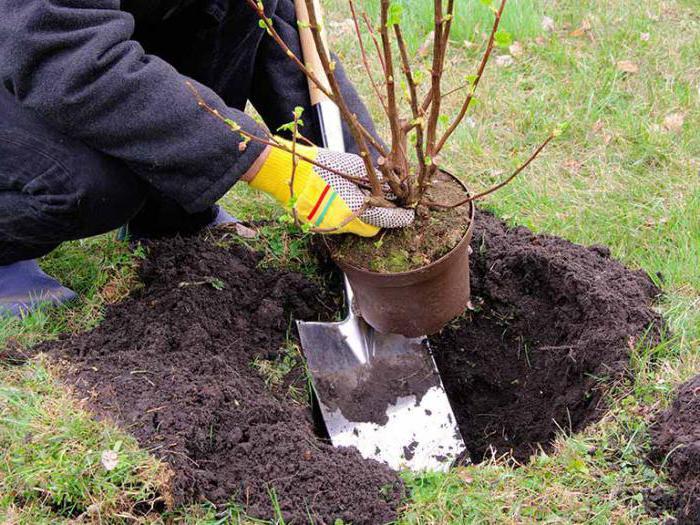
- Due to the superficial root system of cinquefoil, the depth of the planting hole varies from 50 to 60 cm, and the distance between seedlings is maintained from 30 to 80 cm.
- A drainage layer must be placed at the bottom of the hole. This can be created using broken brick or pebbles.
- A nutrient-rich soil mixture consisting of leaf mold, humus, and river sand is placed on top of this layer. The ratio is 2:2:1. If the soil is poor, add an additional 100 grams of complete mineral fertilizer.
- The seedling is placed on this soil cushion, carefully straightening the roots and ensuring that the root collar is above ground level.
- Then add the remaining soil and water the seedlings generously. To prevent moisture from evaporating too quickly, mulch the root zone using dry bark or sawdust.
Watering
Although any variety of cinquefoil is drought-resistant and easy to grow, it thrives in well-moistened soil, both in spring and throughout the summer. This is especially important when caring for the plant. Water the plants 2 or 3 times a week during extremely hot weather. During rainy summers, cinquefoil thrives on natural rainfall, requiring no additional watering.

The plant's root system reacts extremely negatively to cold water, so it should first be allowed to settle and warmed in the sun to room temperature. If it's hot outside, you can also mist the cinquefoil in the evening. Young plants require especially frequent watering; use at least 10 liters per seedling.
Fertilizer
Adding nutrients is another important agricultural practice, essential for a healthy, strong, and abundantly flowering plant. During the first growing season after planting outdoors, there's no need to add fertilizer; the cinquefoil thrives on the nutrients added to the hole. Starting in the second year, apply nutrient supplements according to the following algorithm:
- Spring is the period of active growth for cinquefoil. Use potassium sulfate and phosphate—30 grams of each, dissolved in 10 liters of water, which is then used to water one plant.
- Budding and flowering periods. Apply potassium-phosphorus fertilizers, diluted according to package instructions.
Loosening and mulching the soil
To ensure oxygen reaches the cinquefoil root system, the soil is loosened after each watering or rainfall. This is done carefully and shallowly to avoid damaging the roots close to the surface. While loosening, weeds are removed, as they rob the cinquefoil of some of its nutrients and can cause diseases.
To avoid loosening the soil and retain moisture in the root zone, apply a mulch layer. This can be made using shredded bark or sawdust.
Shaping and pruning the bush
To create a decorative appearance, cinquefoil is regularly pruned and shaped. The first time is done in early spring, while the buds are still closed. A third of the shoots are pruned again in the fall, before preparing for winter frosts.
Remove all broken and diseased shoots, and trim back any branches growing inward. This promotes the plant's natural rejuvenation. Pruning creates a cushion-shaped or spherical crown.

Transfer
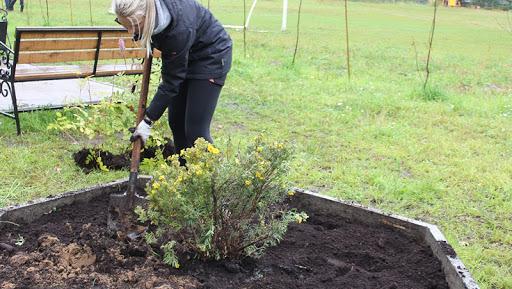
Annual varieties of cinquefoil don't need to be replanted. After the flowering period ends, they are simply dug up and destroyed, and new specimens are planted in the spring. If a perennial needs to be replanted, proceed as follows:
- Water the soil around the bush.
- Carefully dig up the plant from all sides and remove it from the ground.
- They are transplanted to a new area and watered again.
It is important to remember that only 3-4 year old specimens are replanted; older bushes will not take root in a new location and will die.
Preparing for the winter period
Since all varieties of cinquefoil are highly frost-resistant, there's no need to cover them for the winter. A layer of mulch and spruce branches is only needed for young seedlings planted outdoors in the fall. Covering is also necessary if grown in regions with harsh winters and little snow.
Take a look Also
Pests and diseases of cinquefoil
An ornamental plant, cinquefoil is rarely affected by diseases and is unattractive to insect pests. However, one disease that significantly damages the plant's ornamental appearance is rust. The first symptoms of the disease are the appearance of yellowish-brown spots on the green leaves of the cinquefoil. If this sign is not addressed promptly, the leaves will quickly dry out and fall off.
To combat the disease, compounds containing boron and copper, such as Bordeaux mixture, are used. Treatment with a highly concentrated solution of potassium permanganate is also considered effective..
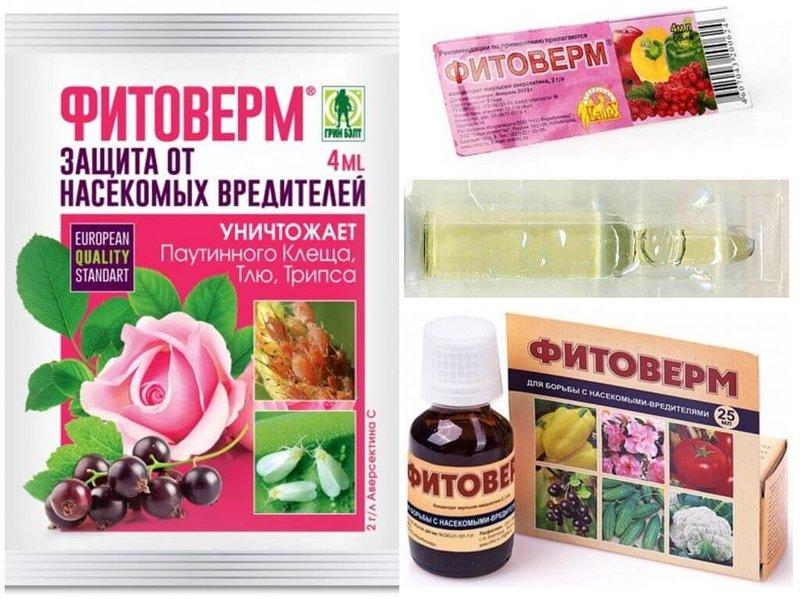
To prevent this disease from developing, it's recommended to avoid planting near conifers, as they are the primary cause of the disease. Among other pests, cutworms can sometimes attack cinquefoil. Insecticides such as Fitoverm or Fufanon can be used to control these pests.
How does a plant reproduce?
Gardeners use four methods to grow cinquefoil in their gardens. Each gardener chooses the method that suits them best.
Cuttings
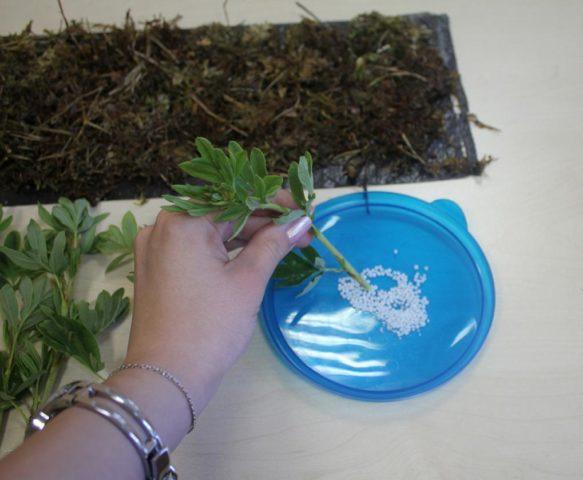
Propagation by cuttings is carried out by following these instructions:
- The procedure begins at the end of July or in August.
- Flowers and leaf blades are plucked from healthy shoots from last year.
- Cut into pieces 8 to 10 cm long.
- Rooting is carried out in wet perlite or sand.
- Cover the top with a cut plastic bottle, periodically removing the cover to water the plant and provide an influx of fresh air.
- If buds form on the cuttings, they must be removed, as they slow down the rooting process.
- The following spring, young specimens are planted in prepared flower beds.
By dividing the bush
For dividing into several parts, select a bush no older than four years old, free of disease. Carefully dig up and remove the cinquefoil from the soil, then rinse the rhizome to remove any remaining soil under running, but not cold, water. Using a disinfected and sharp knife, divide it into several equal parts. Treat with any rooting solution and replant in prepared areas. This procedure is best performed in September or April.
Layering
One of the easiest ways to propagate a plant involves using one of the lower shoots. Make a small cut on its outer side and place it in a dug trench. Metal staples are used to secure it. This method is suitable for spring propagation; by autumn, the young plant is separated from the main bush and planted in a flowerbed.
Seeds
This method is quite time-consuming compared to others, so it's rarely used by gardeners. Cinquefoil seeds are sown in containers with a nutrient mixture and covered with plastic. Once the seedlings emerge and the first true leaves appear, they are transplanted. Disposable cups or peat pellets are used for this.
Gardeners' reviews of cinquefoil
Valentina Igorevna Samosova, 48, Saratov: "I planted cinquefoil bushes in my garden to decorate the area around the gazebo. The seedlings took root quickly, didn't get sick, and delight us with their abundant blooms every year."
Inna Aleksandrovna Rokotova, 39, Perm: "I was looking for suitable plants to complement my rock garden. I chose cinquefoil on the recommendation of a neighbor. It's a very low-maintenance plant, requires little care, and is very beautiful, especially when in bloom."
Related posts:
 The best varieties and types of cinquefoil, their description and growing characteristics
 Planting, growing, and caring for white cinquefoil in open ground
 Useful properties and contraindications of Potentilla erecta
 Nepalese cinquefoil varieties, their cultivation and use in landscape design
 Description and rules for growing the Red Ice cinquefoil variety, planting and care
 Useful properties and contraindications of white cinquefoil, rules of application
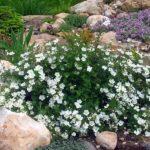 Description of the shrubby cinquefoil variety Abbotswood, planting and care instructions
 Description and methods of using Potentilla Goldfinger, planting and care rules