
Potentilla erecta is popularly known as stomach cinquefoil or galangal. The plant can be found in the Caucasus, the forests of Siberia, and the fields of central Russia. Thanks to its beneficial properties and few contraindications, Potentilla erecta has become popular among gardeners. The dried root is used to prepare decoctions for internal and external use, as well as alcohol tinctures. Raw rhizomes are used in ointments.
Cinquefoil erecta – plant characteristics
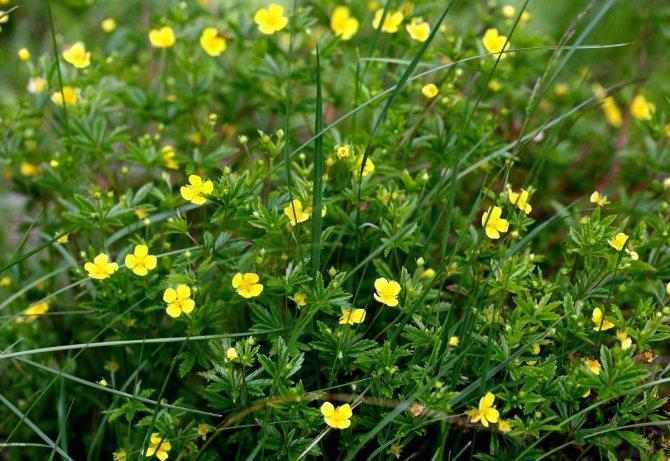
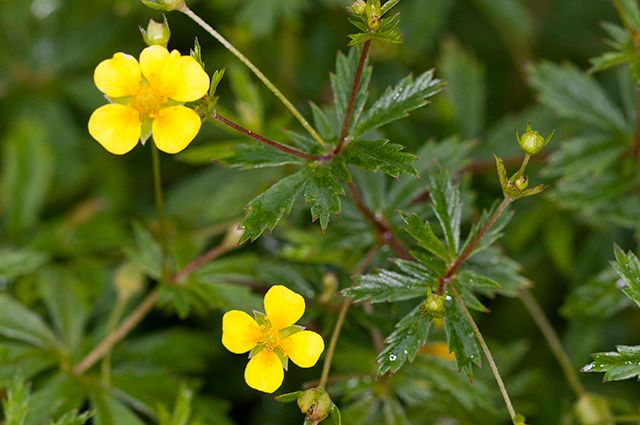
Galangal is a perennial plant. External characteristics:
- the stems reach 40 centimeters in height;
- at the top the stem branches out in a fork;
- leaves are trifoliate with two stipules;
- the basal leaves are petiolate, and the upper ones are closely spaced along the stem;
- The stems are rough, with a bristly covering.
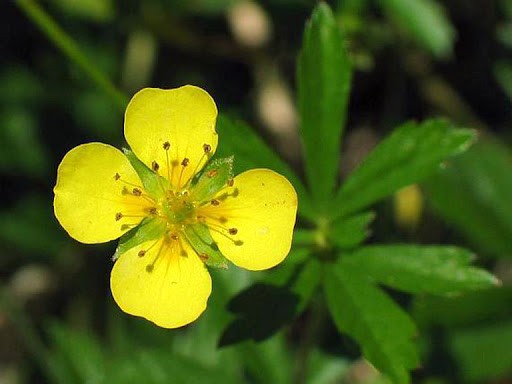
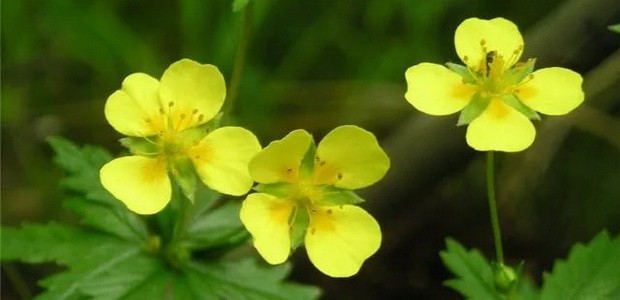
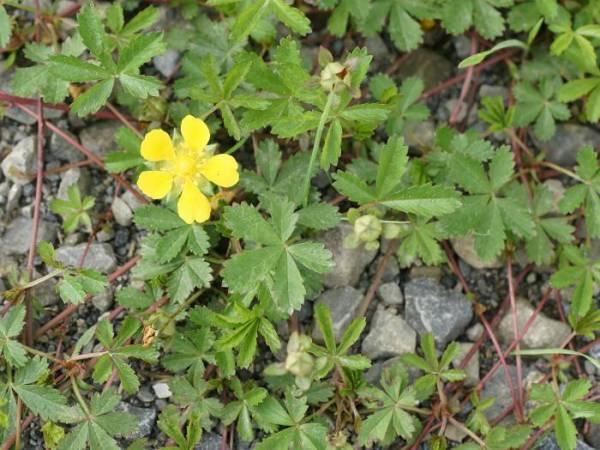
The main characteristic of the erect cinquefoil is its yellow flowers with four petals. Other species have five petals in their buds. Wild galangal root is harvested during flowering, as after flowering, it is difficult to distinguish erect cinquefoil from other species.
The plant's second characteristic is its small roots. Wild cinquefoil is difficult to dig up and remove from the sod. For medicinal purposes, galangal is best planted in a garden plot. Galangal prefers slightly acidic, loose soil in a sunny location with partial shade. Drainage must be provided when planting.
In your own garden, cinquefoil rhizomes are harvested in the fall or spring. At this time of year, they accumulate the most nutrients. The plants are dug up, the stems and thin roots are trimmed. The rhizomes are washed, dried in the sun, and then laid out in a dry room to finish drying.
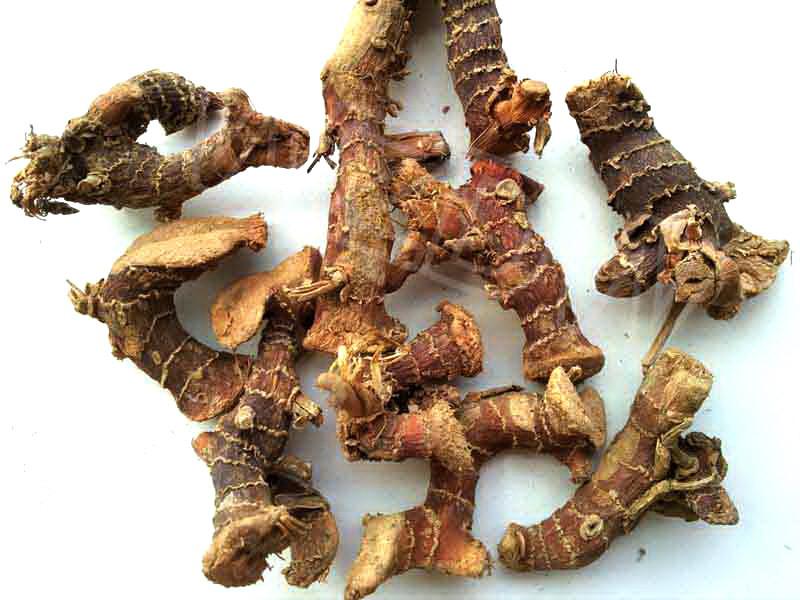
Galangal root can be dried using a modern method—in an electric dehydrator at 60 degrees Celsius. The medicinal properties of dried rhizomes are preserved for over 4 years. Fresh cinquefoil root is irregularly shaped and light pink when cut. After drying, it turns dark red or brown. It is unpleasant to eat because of its strong astringent taste.
Chemical composition
Ancient Russian furriers tanned leather using galangal root. Tannins make up 30-35% of the plant's chemical composition. The root of cinquefoil is also rich in:
- tannins;
- triterpene saponins;
- flavonoids;
- glycoside tormentillin;
- essential oil with cineole;
- phloroglucinol;
- antioxidant protocatechuic acid;
- gum;
- starch.
Microelements and minerals in the composition of the root of the galangal herb:
- calcium;
- iron;
- potassium;
- magnesium;
- copper;
- iodine;
- zinc;
- chromium;
- barium;
- boron;
- selenium.
The root of the erect cinquefoil accumulates zinc, selenium, nickel, strontium, and molybdenum.
Beneficial properties of the herb
Cinquefoil has astringent, anti-inflammatory, choleretic, and analgesic properties. Tannins help stop bleeding gums due to gingivitis and stomatitis, and soothe irritation of the stomach and intestinal mucosa due to gastritis and enteritis. Cinquefoil's anti-inflammatory and astringent properties result from capillary constriction. Thanks to its flavonoids, which reduce inflammation, galangal decoctions are effective in treating:
- digestive disorders;
- dyspepsia;
- diarrhea;
- bleeding ulcer;
- hemorrhoids;
- hepatitis;
- liver cirrhosis;
- cholecystitis.
Cinquefoil acts as an antibiotic against intestinal infections. Antioxidants help combat poisoning.
Galangal herb has a healing effect on skin conditions such as weeping eczema, dry skin, and neurodermatitis. Topical application of a decoction promotes skin recovery after burns. Compresses are also used for muscle and joint pain.
Cinquefoil beneficially regulates metabolism and normalizes mood in cases of neurosis and depression.
For men
Galangal root tincture is a remedy for increasing potency. Cinquefoil-based remedies help with prostate inflammation. A decoction is used to combat baldness. Cinquefoil nourishes hair roots and acts as a tonic.
For women
The hemostatic and analgesic properties of cinquefoil are used to treat hypermenorrhea and uterine bleeding. Douching with a decoction of galangal root helps with the following gynecological conditions:
- colpitis;
- vaginitis;
- cervical erosion.
In cosmetology, cinquefoil root is used to restore skin elasticity and heal acne scars. Infusions are added to strengthening hair masks. Cinquefoil restores shine and imparts a honey-golden hue to hair.
For pregnant women and children
Gargling with a decoction of cinquefoil root helps children with persistent sore throats, sore throats, and tonsillitis. Ointments and infusions can help combat teenage acne and pustules. Problem areas can also be sprinkled with a fine powder of grated galangal root.
During pregnancy, the beneficial properties of galangal help combat excessive sweating. An infusion of the root is used for body wraps and foot baths. Internal consumption of the infusion is contraindicated.
Indications and contraindications for use
In medicine, cinquefoil is indicated for the following conditions:
- inflammatory processes in the gastrointestinal tract, fermentation, flatulence;
- bleeding in internal organs;
- infections of the oral cavity, larynx;
- tuberculosis, pulmonary emphysema with bloody discharge when coughing;
- jaundice;
- rheumatism, gout.
The plant is taken internally for eczema, dermatitis, and trophic ulcers, and applied topically for hematomas, furunculosis, and acne. Galangal is sometimes recommended for thyroid disorders. The plant can help if endocrine dysfunction is caused by iodine deficiency.
Contraindications for internal use of decoctions and tinctures:
- hypertension;
- allergy;
- high temperature;
- increased blood clotting;
- decreased stomach acidity;
- pregnancy;
- breastfeeding.
Home remedies and medical preparations containing cinquefoil are contraindicated for children under 12 years of age.
Medicinal recipes with cinquefoil
Treatment with cinquefoil root is carried out in courses of 2-4 weeks. Dried galangal is also added to herbal teas for bronchitis and stomach upset.
Powder
To prepare the powder, galangal root must be thoroughly dried and ground in a mortar to a powder. This is used as a dusting powder to speed up wound healing. Galangal root powder is used to treat oily skin prone to acne. Wounds and skin should be cleaned and disinfected before use.
Ointment
Method of preparation:
- Pour 50 grams of crushed rhizomes with a glass of melted butter;
- boil for 5 minutes;
- strain;
- apply 2 times a day.
You can use olive oil instead of butter:
- Pour 10 grams of roots with a glass of olive oil;
- Heat for 30 minutes in a water bath.
Ointments with cinquefoil are used against dermatological problems, as well as cracks on the lips, heels and elbows.
Tincture
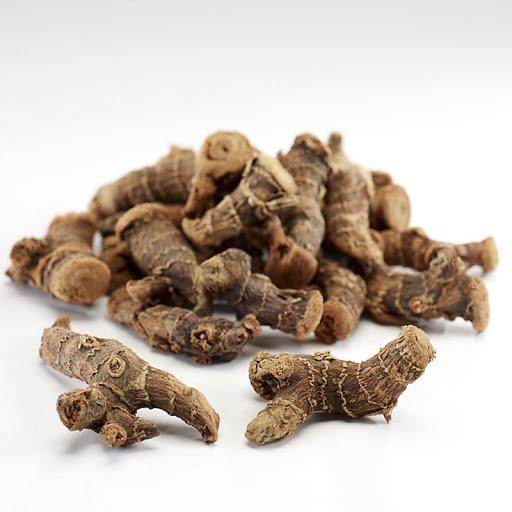
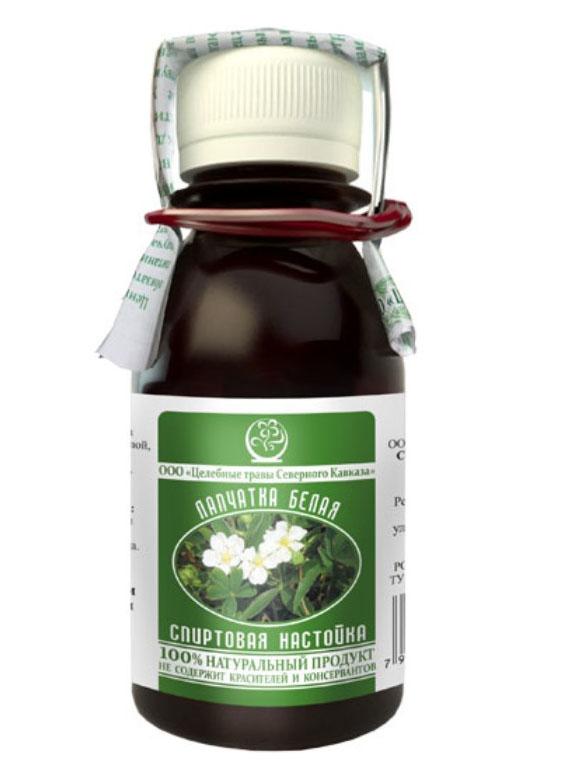
To prepare an alcohol tincture, crushed galangal rhizomes are steeped in alcohol at a ratio of 1:5 and left in a dry place for 14 days. The infusion is then strained. Take 40-50 drops of the tincture 2-3 times daily. It is also used as a rub.
Moonshine or vodka are also used for preparation:
- for 100 grams of crushed cinquefoil root use 1 liter of liquid;
- insist for 3 weeks in a dark place;
- filter.
The product is used to increase potency.
Potentilla infusion is easy to prepare in a thermos:
- add a tablespoon of rhizomes;
- pour a glass of boiling water;
- leave to infuse for 3 hours;
- strain.
A tablespoon of the infusion is taken before meals as a choleretic agent.
Decoction
Method of preparation:
- Pour a tablespoon of dried root into a small saucepan and pour a glass of boiling water;
- heat for a minute;
- place the saucepan in a water bath and leave for half an hour;
- strain the finished broth.
Take the remedy orally twice daily. For gargling, external use as compresses, and rubbing, dilute the decoction with water. Instead of boiling water, you can steep the root in hot milk and then steam it. Take a tablespoon of the milk decoction three times daily before meals to relieve coughs. To prepare a decoction for baths, compresses and douches, 30 grams of root are boiled in 500 milliliters of water for 15 minutes.
Tea
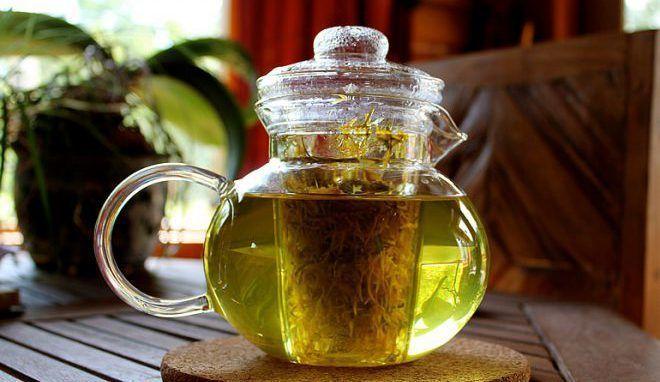
Recipe for making a tea drink from cinquefoil:
- pour 150 milliliters of boiling water over a teaspoon of galangal root;
- boil for 10 minutes;
- pass through a fine sieve.
2-3 cups of galangal tea a day help get rid of diarrhea.
Possible side effects
Galangal tea contains high levels of tannins and can cause nausea. Therefore, it's important to strictly follow the recommended dosage. Individual sensitivities, such as skin allergies and digestive upset, are also possible.
What doctors and experts say
Herbal treatments are used in conjunction with drug therapy. If medications fail to provide relief over a long period of time, a folk remedy can help replenish micronutrient deficiencies and strengthen the immune system. In individual cases, herbs are more effective than medications.
Zinc, found in the rhizome of Potentilla erecta, is included in medicinal and cosmetic products for problem skin. Therefore, galangal-based ointments and powders regulate sebum secretion, reducing the appearance of acne. However, if a dermatologist has prescribed medicinal cosmetics containing zinc, do not apply galangal ointments or powders in addition.
Dried galangal root is available in pharmacies. However, doctors recommend that treatment with home remedies and dietary supplements should be carried out after a medical diagnosis. This will help avoid unwanted side effects.
Related posts:
 Rules for planting and caring for cinquefoil in open ground, growing and pruning
 The best varieties and types of cinquefoil, their description and growing characteristics
 Useful properties and contraindications of white cinquefoil, rules of application
 Description and rules for growing the Red Ice cinquefoil variety, planting and care
 Nepalese cinquefoil varieties, their cultivation and use in landscape design
 Planting, growing, and caring for white cinquefoil in open ground
 Description and methods of using Potentilla Goldfinger, planting and care rules
 Description and characteristics of the Potentilla variety Princess, planting and care instructions