
- Plant characteristics
- Pros and cons of growing
- Examples in landscape design
- Features of planting operations
- Preparing the site and seedlings
- Planting dates and patterns
- Proper care is the key to lush flowering
- Irrigation
- How and what to fertilize the Goldfinger cinquefoil with
- Weeding and removing weeds
- Shaping and pruning the bush
- Protection from insects and diseases
- Shelter for the winter
- Flower propagation technique
- Dividing the bush
- Collecting seeds
- Layering
- Cuttings
- How is cinquefoil used in medicine and cosmetology?
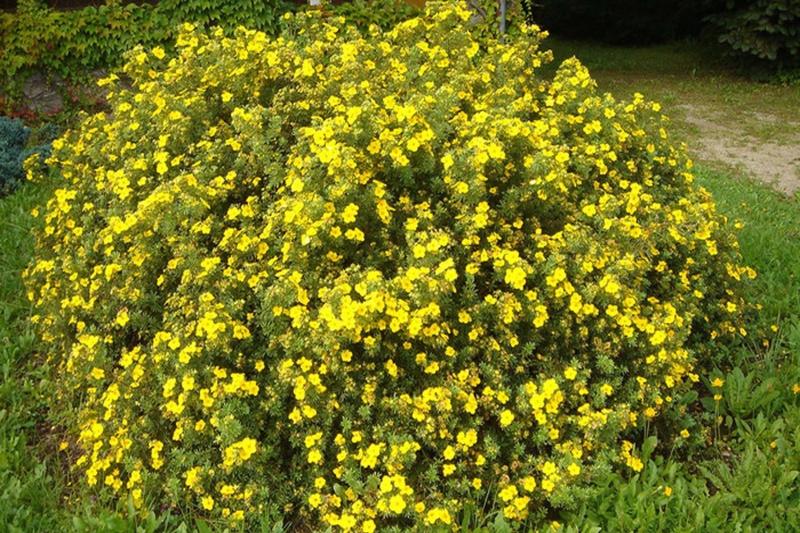
Potentilla can be planted alone, in combination with other plants, or as a hedge. It is a favorite among gardeners for its abundant and long-lasting blooms. Potentilla Goldfinger produces large yellow buds. It is planted in city parks and private gardens. Below is a description and characteristics of the plant, planting considerations, and its use in landscape design.
Plant characteristics
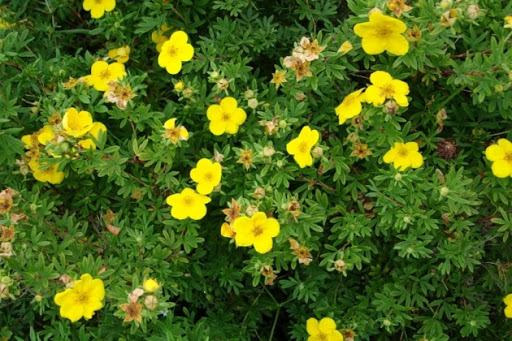
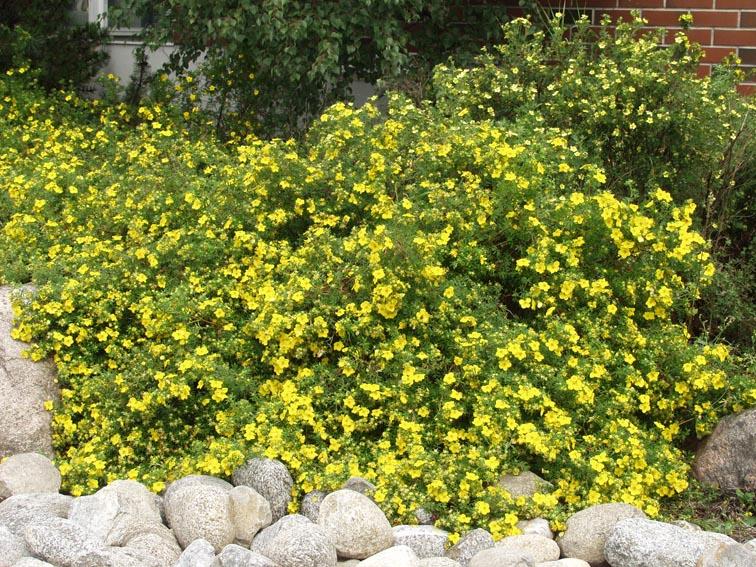
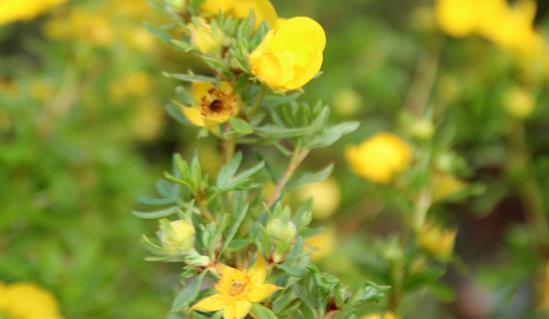
Goldfinger cinquefoil is a perennial shrub with shoots reaching 1.5 meters in height. It is characterized by slow growth, with shoots growing only a few centimeters per year. Its roots extend to a depth of 0.6-0.8 centimeters. The shoots are straight. Lanceolate, green leaves grow from them. The flowers are large and yellow. When fully open, the buds reach 4-5 centimeters in diameter. After flowering, a fruit with seeds forms.
Flowering begins in late spring and ends in early fall. During this period, the bushes look particularly decorative. The shrubby cinquefoil 'Goldfinger' is hardy and frost-resistant. The plant tolerates polluted air well, making it suitable for planting near roads.
Pros and cons of growing
The positive aspects of growing Potentilla Goldfinger are as follows:
- the culture serves as a decoration of the site due to its long and abundant flowering;
- the plant has good immunity;
- the bushes are easy to propagate;
- the culture is unpretentious in care;
- The bush easily tolerates severe frosts.
The slow growth rate of the Goldfinger cinquefoil can be both an advantage and a disadvantage. Some gardeners dislike slow-growing shrubs. Furthermore, the shrub requires ample watering, as it does not tolerate drought well.
Examples in landscape design
Cinquefoil looks decorative when planted alone against a green lawn. It also looks equally beautiful when paired with conifers, ornamental foliage, and flowering plants.
Goldfinger cinquefoil is planted as a hedge instead of a plain fence. It can also be used to create a border. To keep the bushes planted in a line looking neat, they are trimmed several times per season.
Features of planting operations
Potentilla can grow in the same spot for many years, so its location must be carefully selected. Seedlings are purchased from reputable sellers. Bushes are inspected, and any with spots, visible dents, dry shoots, or roots are discarded. Planting poor-quality plants can lead to pathogenic microorganisms infesting the area.
Please note! Potentilla should be planted immediately after purchase. A dried-out root system will reduce the seedling's survival rate.
Preparing the site and seedlings
A sunny site is chosen. In shade, the plant develops more slowly, and the flowers are smaller. The area is cleared of plant debris and dug over. The hole is dug two weeks before planting. The seedlings are inspected; any damaged parts are removed. The cut areas are sprinkled with charcoal. The cinquefoil bushes are placed in warm water for 1-2 hours. Potassium permanganate can be added to the water to disinfect the plant.
Planting dates and patterns
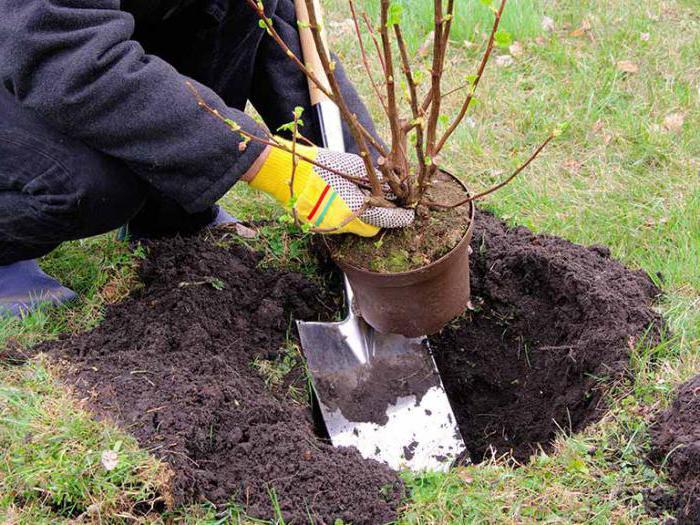
Goldfinger cinquefoil can be planted in spring or fall. The former is preferred in cold climates. By the time frost sets in, the seedlings will have time to adapt and survive the winter safely. Plant the bushes as follows:
- They dig a hole 50 centimeters wide and deep.
- A drainage layer approximately 10 centimeters high is created. It can consist of expanded clay, broken bricks, or small stones.
- Add a fertile substrate made up of garden soil, compost, peat, and sand.
- A seedling is placed in the middle of the hole and the root system is carefully straightened.
- Fill with substrate and compact lightly. The root collar should be level with the soil.
- Water generously with settled, warm water.
The soil around the shrub is covered with mulch. It can be made from straw, mown grass, or sawdust. Mulch helps retain moisture.
Proper care is the key to lush flowering
The growth of cinquefoil, as well as its ornamental appearance, depends on timely agricultural practices. The shrubs require timely watering, periodic fertilizing, and the removal of emerging weeds. In the spring, seedlings are treated with special preparations for prevention.
Irrigation
Water the Goldfinger cinquefoil when the top layer of soil dries out. Stagnant moisture in the soil can lead to root rot. Pour at least a bucket of water under the bush. Young plants are watered once a week, while mature plants should be watered much less frequently. Allow the water to settle beforehand.
How and what to fertilize the Goldfinger cinquefoil with
To promote shoot growth, nitrogen fertilizers are added to the root zone in the spring. Before flowering, a mixture of phosphorus and potassium is used. These elements promote the abundant formation of large buds. In late summer, mineral fertilizers are applied.
Take a look Also

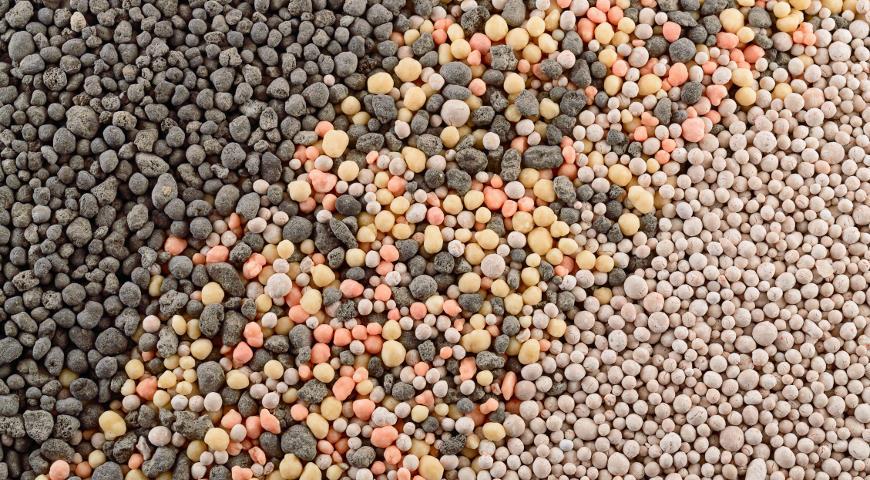
Important! Fertilizer must be applied to moist soil. Otherwise, the root system will be burned.
Weeding and removing weeds
After each watering, loosen the soil around the Goldfinger cinquefoil. This prevents the topsoil from drying out. Loose soil allows better air and moisture access to the root system. Overgrown weeds block the cinquefoil from sunlight. Insufficient light reduces the bush's decorative appeal. Furthermore, the weeds can harbor disease carriers and pests.
Shaping and pruning the bush
Pruning of the Goldfinger cinquefoil is done in spring or fall. Remove frozen, dead, and diseased branches. To give the bush the desired shape, branches are cut back by a third. To renew the plant, all shoots older than five years are completely cut off. Use sharp, disinfected tools.
Protection from insects and diseases
The Goldfinger cinquefoil has a strong immune system. It can become infected with fungus due to excess moisture. To prevent this, treat the shrub with copper-containing preparations in the spring. If the plant does become infected, use fungicides. Harmful insects generally avoid the cinquefoil.
Shelter for the winter
Potentilla Goldfinger tolerates frost without cover. Only young shoots are susceptible to frost. To prevent this, cover the bushes with a 15-20 cm layer of mulch in late fall. Only young seedlings can be covered with agrofibre. In early spring, remove the covering material to prevent root system and shoots from rotting.
Please note! A moisture-recharging irrigation performed in mid-autumn will help ensure the crop survives the winter safely.
Flower propagation technique
Goldfinger cinquefoil can be propagated in several ways: by cuttings, layering, and division. If you collect seeds, you can try to germinate them and then plant the young seedlings in your garden.
Dividing the bush
Plants older than 4 years are divided. The procedure is performed in the spring as follows:
- the bush is dug up on all sides with a shovel;
- they take it out of the planting hole and wash the roots;
- divide the plant into 2-3 parts;
- each division is planted separately.

Planted cinquefoil bushes are watered generously. To conserve moisture, the area around the seedlings' trunks is mulched.
Collecting seeds
In the fall, collect the seeds of the Goldfinger cinquefoil and dry them thoroughly. Before planting, soak them in water. For disinfection, potassium permanganate can be added to the solution until it acquires a rich color. To prevent burning the seeds, thoroughly mix the powder with water.
The seeds are first planted in a low-sided container. Once the bushes grow, they are transplanted into individual pots. The cinquefoil is planted in the garden one year after sowing.
Layering
To propagate the crop by layering in the spring, perform the following steps:
- dig furrows;
- the shoots are cleared of leaves and cuts are made on them;
- bend the stems into the furrows and press them down with a stone;
- watered, covered with substrate.

During the season, the cuttings are watered, fertilized, and the soil around them is loosened. If all steps are completed correctly, the stems will develop roots and new shoots. The following spring, the bushes are separated from the cuttings and planted in their permanent location.
Cuttings
Propagation of Goldfinger cinquefoil by cuttings is carried out in the spring, before budding begins. Follow the procedure as follows:
- the apical cuttings are cut off with a sharp tool;
- leaves are removed from the lower third;
- the cuts are powdered with Kornevin;
- plant the cuttings in a container with loose substrate;
- cover with film.
In greenhouse conditions, the cuttings will root quickly. The plantings are aired daily. After about two weeks, the film is removed. The grown plants are replanted in the garden the following spring.
How is cinquefoil used in medicine and cosmetology?
All parts of the cinquefoil plant contain many beneficial substances. It contains more vitamin C than currants and lemons. A drink made from Kuril tea is used as a gargle for colds, to treat gastrointestinal problems, and to improve heart function.
Tea boosts immunity and promotes productivity. The plant is used to make cosmetics, including acne lotion, hair rinse, and wrinkle masks. People who drink the tea and use cinquefoil-based cosmetics enjoy good health and a youthful appearance.
Related posts:
 Rules for planting and caring for cinquefoil in open ground, growing and pruning
 Description and rules for growing the Red Ice cinquefoil variety, planting and care
 Nepalese cinquefoil varieties, their cultivation and use in landscape design
 The best varieties and types of cinquefoil, their description and growing characteristics
 Description and characteristics of the Potentilla variety Princess, planting and care instructions
 Planting, growing, and caring for white cinquefoil in open ground
 Useful properties and contraindications of white cinquefoil, rules of application
 Description of the shrubby cinquefoil variety Abbotswood, planting and care instructions