
- Botanical characteristics of heather aster
- Benefits of using in landscape design
- The most popular varieties
- Golden Spray
- Blue Star
- Lady in Black
- Herbstmyrthe
- Snow Flurry
- Pink Cloud
- How to plant a flower in a garden
- Soil and planting site requirements
- Seed method
- Growing from seedlings
- Plant care
- Watering and fertilizing
- Trimming
- Protection from insects and pests
- Loosening the soil
- Wintering
- Propagation of perennials
- Seeds
- Green cuttings
- Layering
- By dividing the rhizome
- Tips and advice on growing from experienced gardeners
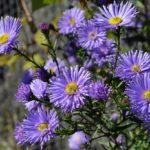
This attractive, creeping shrub native to North America is also known as the Virginia aster. It requires little care, blooms profusely, and creates a lush carpet of flowers in flowerbeds. Three to five delicate, subtly scented flowers bloom on a single stem. Heather aster is used in garden design to create alpine gardens, borders, Japanese-style arrangements, and hedges.
Botanical characteristics of heather aster
The heather aster is native to North America. The shoots of this shrubby perennial grow to 80-100 cm, branching, and can be smooth or covered with hairs. The leaves at the top of the branches are small, no more than 1.5 cm long, and serrated, while the leaves at the bottom are large, thick, and palmate, reaching 6 cm. The foliage is a rich green. The leaves are arranged alternately on the shoots, giving the aster a lush appearance.
The creeping aster blooms throughout the fall, from September to late November. The fruit is a small, flat achene. This heather-like plant is resilient to adverse environmental factors, easily withstanding prolonged frost, drought, and sudden temperature fluctuations. Its profuse flowering continues even in temperatures as low as -5°C.
Benefits of using in landscape design
Gardeners love the heather aster for its ability to cover the soil with a dense carpet. This property makes the plant a striking addition to rock gardens and lawns between conifers.
Heather shrubs are an excellent choice for a short hedge. They can be used to conceal unsightly walls and fences. Perennial asters can be a beautiful addition to mixed borders when combined with chrysanthemums, rudbeckia, faded goldenrod, and liatris. In flower beds, they provide a lush backdrop for low-growing annuals.
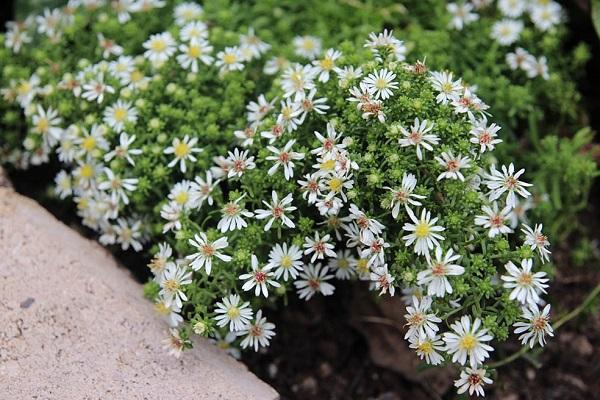
In a Japanese garden, groundcover aster looks wonderful next to spirea. It creates a vibrant autumn accent against a backdrop of red maples and yellowing shrubs.

The most popular varieties
Heather aster has many varieties, differing in the color of the petals.
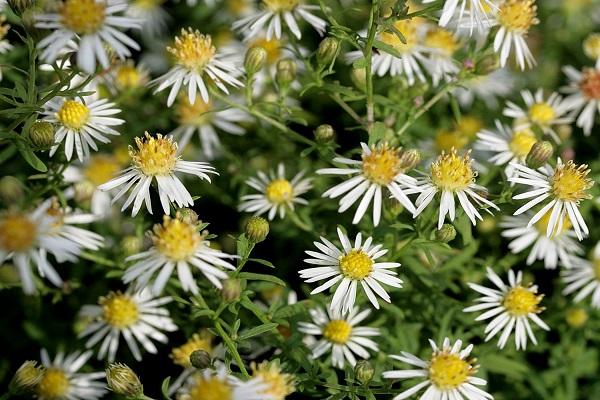
Golden Spray
Lush, pyramidal-shaped bushes are covered with small flowers. The flower centers are deep yellow, and the petals are white.
Blue Star
This creeping shrub reaches a height of 70 cm. The flowering aster resembles heather in shape. The light blue flowers last until frost. The leaves are small, narrow, and reminiscent of pine needles.
Lady in Black
This aster variety is distinguished by its unusual combination of leaf and petal colors. The leaf blades are dark green, almost burgundy or black, and the flowers are white with a reddish-brown center.
Herbstmyrthe
The shoots extend up to 1 m. The flowers are small, lilac-white, up to 1 cm in diameter. The flower center is reddish-yellow. Flowering lasts from September to the first half of October.
Snow Flurry
An excellent choice for an alpine garden, this creeping aster, reaching no more than 10 cm in height, forms a dense carpet that cascades gracefully over large rocks. Its abundant, snow-white flowers contrast beautifully with the dark green foliage.
Pink Cloud
This spherical aster is covered in delicate pink flowers. Its blooming is long-lasting, only ceasing with the arrival of frost.
How to plant a flower in a garden
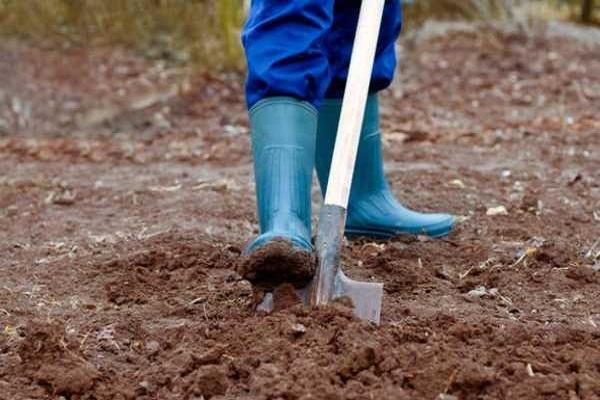
Early May is a good time to plant. It's best to do this on a cloudy day or in the evening. If the weather is clear, protect the young plants from the sun until they take root.
Soil and planting site requirements
Heather aster loves full sun, but even dappled shade is fine. Sandy loam or loamy soil is ideal.
The groundwater level should not be high, as asters wither with excess moisture.
Seed method
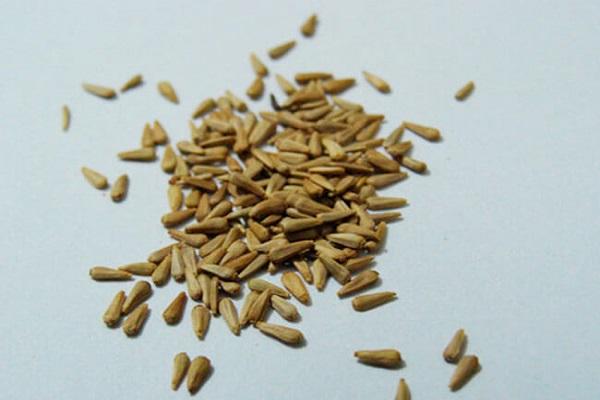
The seeds are planted in the soil early in the spring, buried 1 cm deep, and not watered, but sprayed to prevent them from floating away. The seeded area is covered with compost to retain soil moisture.
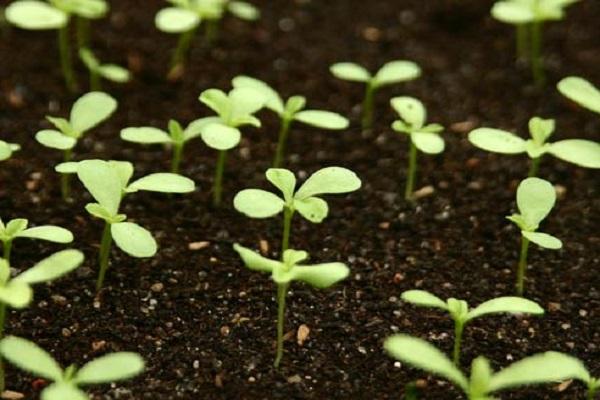
The sprouts should emerge within a week. Once they emerge, loosen the soil periodically and remove weeds. When the first true leaves emerge, transplant the plants.
Seeds can be planted in the fall, once the soil has frozen. The seeded area is mulched thickly with compost. Seedlings can be expected in the spring, but the heather aster will not bloom for another season.
Growing from seedlings
Seeds for seedlings are sown in March. They are first kept on a moistened cloth until the sprouts emerge. Then, they are planted in a container, buried 0.5 cm into the substrate. The container is covered with plastic to create a greenhouse effect and left indoors at a temperature of approximately 20°C.
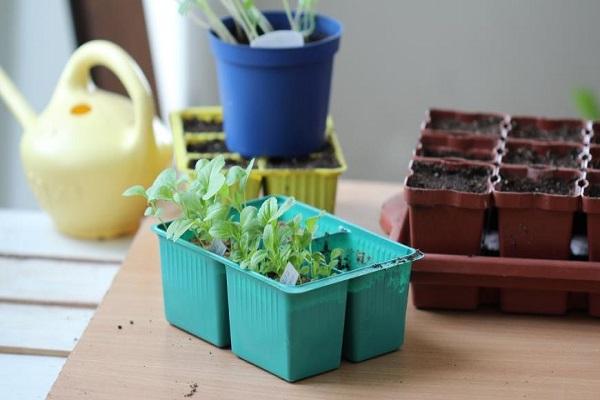
When the sprouts become visible, remove the plastic wrap and place the container in the light. Young plants should develop at a daytime temperature of 18°C and a nighttime temperature of 16°C. Pricking out occurs when three true leaves appear. Planting in open ground occurs when six leaves have unfurled and the stem reaches 8 cm. Before this, harden off the seedlings by periodically placing them outdoors.
When planting in the chosen location, maintain a distance of 20-25 cm between plants. The distance between rows should be at least 0.5 m. The planted area is watered and mulched. Leave the plants alone immediately after planting, and resume watering after a week.
Plant care
Heather asters don't require much care. To ensure they bloom profusely and stay healthy, simply follow standard growing guidelines.
Watering and fertilizing
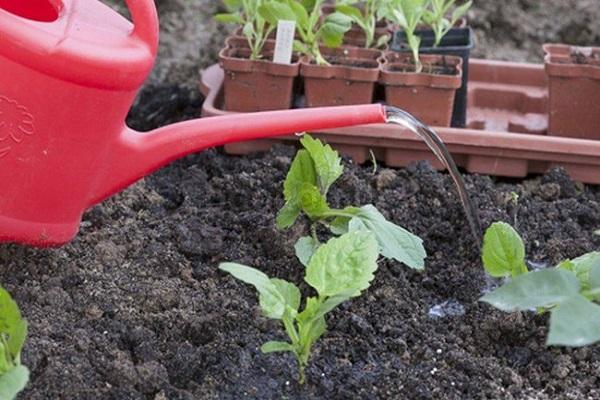
Heather plants are watered as the surface soil layer dries out, watering in moderate quantities.
Fertilize the bushes 3 times during the season:
- at the beginning of the growing season;
- in the budding phase;
- after flowering begins.
Use a complex fertilizer, combining organic and mineral ingredients.
Trimming
Heather bushes are inspected periodically, and any diseased or damaged shoots and leaves are pruned. Faded flowers are also removed to prevent them from slowing the plant's growth.
Protection from insects and pests
Heather aster has a strong immune system, but is sometimes affected by infectious diseases and insects.
Powdery mildew develops when plantings are too dense and there's a lack of nutrients. Fungicides are used to combat it. Bordeaux mixture and Fundazol are effective against ring spot. Copper sulfate is used against gray mold, which develops due to excess nitrogen and waterlogged soil.
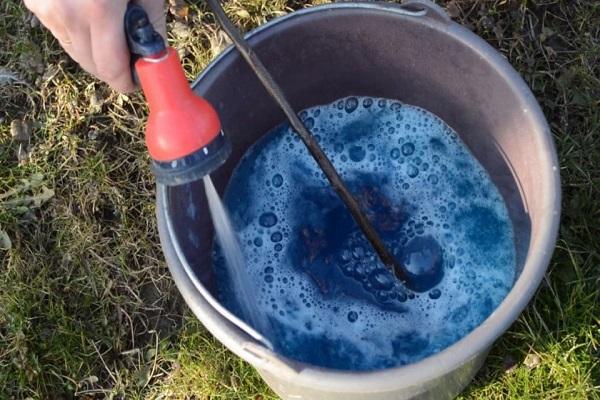
If heather bushes are attacked by spider mites, they are treated with an acaricide. There is no treatment for nematode infestations; the affected plants are uprooted and burned.
Loosening the soil
To ensure sufficient oxygen for the roots, the soil is loosened and weeded. Loosening should be shallow, otherwise the tool may damage the roots.
Wintering
Heather aster is cold-hardy and doesn't require shelter. However, before the onset of cold weather, the above-ground shoots are cut back, leaving 20-30 cm above the soil surface.
Propagation of perennials
They practice seed and vegetative propagation.
Seeds
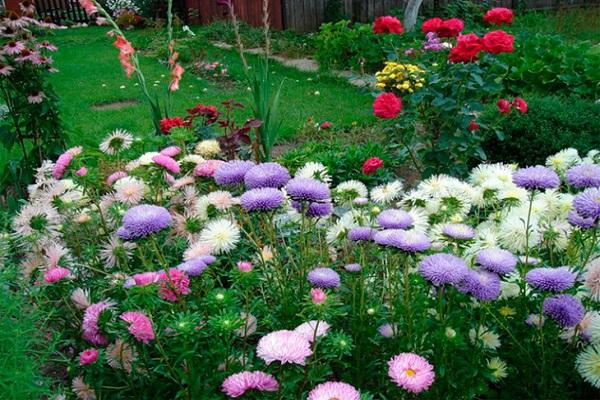
Since heather aster blooms late, and the seeds reach maturity when frosts have already arrived, obtaining viable seed material in our latitudes is almost impossible.
Seeds are either purchased in the store or cut unripe. However, in the latter case, germination is minimal. Some gardeners dig up heather bushes in the fall and grow them indoors until the seeds ripen.
Green cuttings
Propagation by this method is rarely successful. In June, 10-cm-long cuttings are taken, placed in a root growth stimulant solution, then planted in a container, creating a greenhouse effect, and periodically ventilating. In the spring, the rooted cuttings are planted in open ground. The heather aster will bloom within a season.
Layering
Several lateral shoots with roots are cut from the mother bush and planted in the chosen location. The top of each shoot, containing buds, is trimmed off.
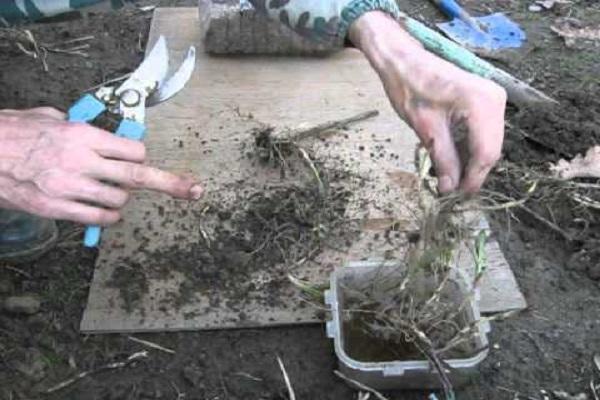
By dividing the rhizome
The most effective propagation method. The procedure is carried out in the fall, using heather asters that are three years old or older. The separated plants are covered with spruce branches or leaf litter for the winter.
Tips and advice on growing from experienced gardeners
Heather aster is an unpretentious plant, but it wouldn't hurt to consider the recommendations of experienced gardeners:
- Avoid planting bushes in the shade. Their weakened immune system will make them susceptible to insect attack.
- To help the aster grow faster, add 20g of nitrogen fertilizer to the soil in the spring before planting.
- If the soil in the area is acidic, it is neutralized with dolomite. If the soil is too moist, drainage is installed.
- Heather aster feels good in the area where calendula used to grow.
- You cannot plant a bush in the place of bulbous crops, which often leave behind a fungal infection in the soil.
- To prevent infectious diseases, the plant is replanted every 4 years.
Heather aster grows best in conditions that are as close to natural as possible.
Related posts:
 Description of the best varieties of alpine aster, planting and care rules
 Rules for planting and caring for shrub asters, the best varieties and growing features
 Description and characteristics of the best varieties of New England aster, planting and care
 Description of cut flower mixtures of Chinese asters, planting and growing rules
 Classification of aster species by shape, height and flowering period and description of varieties
 Description and characteristics of the best varieties of New England aster, planting and care
 The best eggplant varieties for growing in a polycarbonate greenhouse: planting and care
 The best grape varieties for growing in the Urals, planting and care rules in summer