
- History of origin
- Description and characteristics of the Regale lily
- Pros and cons of the variety
- Features of growing flowers
- Choosing a landing site
- Choosing bulbs
- The landing process
- Recommendations for plant care
- How to water properly
- Mulching
- How to fertilize
- Preparing for winter
- Protection from diseases and pests
- How to propagate correctly
- Examples of use in landscape design
The large-flowered perennial lily, Regale (Lilium regale), is a variety of trumpet lily found on almost every continent. Its natural resilience, low maintenance, and gorgeous blooms are a popular choice among gardeners. Grown outdoors, it will enhance any garden. Learning about the Regale variety and its growing guidelines will help increase its following.
History of origin
The Regale lily originally grew naturally in China. English botanists took notice, and beginning in the early 20th century, its bulbs began to spread to other regions. The flower was domesticated, and new varieties were developed from it that retained its natural resilience and undemanding nature.
Description and characteristics of the Regale lily
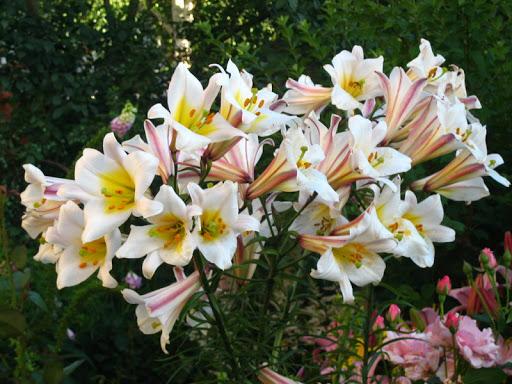
This tall plant reaches a height of 120 cm or more. The Regale variety's stems are strong and sturdy, requiring no support when properly cared for. Large (10-15 cm in diameter) snow-white flowers are bell-shaped and hang downwards. The tubular inflorescence in the center and the stamens, gathered in an upward-facing crown, are bright yellow. The plant blooms in June-July, emitting a strong, unique fragrance.
Pros and cons of the variety
Among flower growers, the Regale lily has earned a reputation for a number of advantages:
- Attractiveness and elegance.
- Requires minimal maintenance.
- No annual repotting required.
- It has high winter hardiness and can withstand frosts (up to -40 °C) when covered.
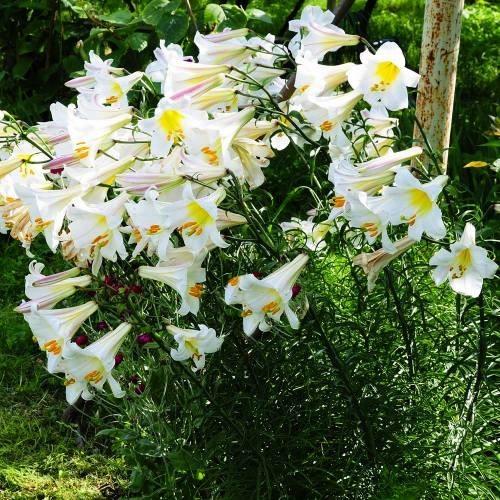
The Regale lily's very strong scent during flowering is both an advantage and a disadvantage. It envelops the entire garden in an intoxicating aroma, but it can cause allergies, so it's not recommended to plant it near open windows or sitting areas.
Please note: Cut flowers should not be left in bedrooms or children's rooms.
Features of growing flowers
To ensure that the plant delights with abundant flowering every year, it is necessary to create favorable conditions for the lily.
Choosing a landing site
The Regale lily prefers loose, well-drained soils with a slightly alkaline pH. If the site is at risk of overwatering, drainage ditches should be provided. For acidic soils, add wood ash, chalk, or dolomite flour. Profuse flowering is possible only in sunny, well-lit areas.

Choosing bulbs
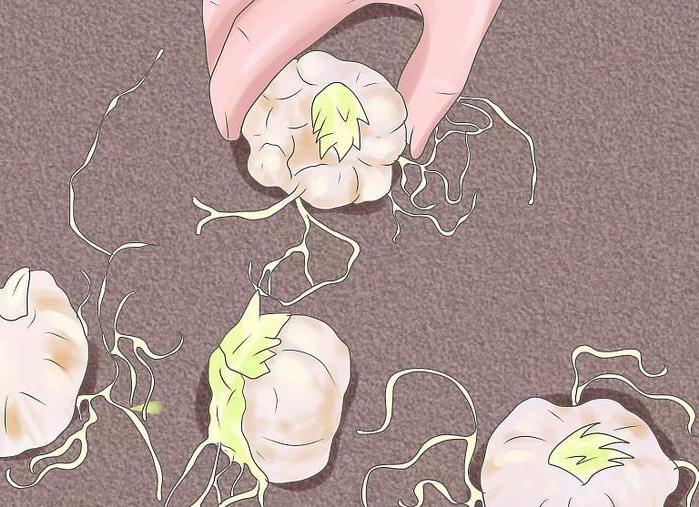
Regale lilies are most often propagated from bulbs, which are carefully inspected for mechanical damage and disease before planting. The planting material should be healthy, free of rot, have a characteristic pinkish color, and be of a regular shape. The bulbs must be free of old scales and dead roots.
The landing process
The Regale variety grows productively in one location for 4-5 years, after which the bulbs need to be replanted. The optimal time for planting outdoors is mid-September, allowing the plant to establish roots before the onset of cold weather. If the fall planting deadline is missed, the work can be done in the spring—late April or early May. The soil must be carefully prepared, as the lily will be left in one location for a long time. In heavy soils, add sand, humus, and peat. In poor, sandy soils, add up to 8 kg of humus per square meter. Phosphorus-potassium fertilizers are added during tillage, along with organic matter.
Caution! Overfeeding can lead to rapid growth of the aboveground portion at the expense of bulb development, resulting in reduced winter hardiness and disease resistance.
Deep holes are prepared in advance, and a protective layer is placed at the bottom. This can be washed river sand mixed with wood ash.
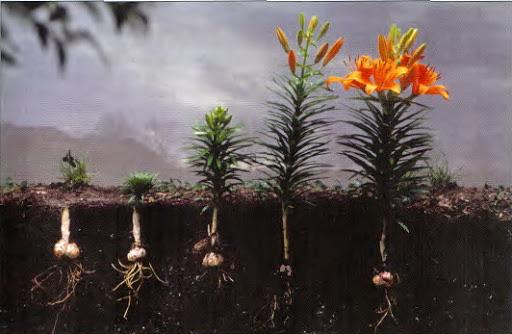
The planting depth of Regale lilies depends on the bulb size and soil type. The lighter the soil and the larger the planting material, the deeper the planting depth. The depth should be three times the bulb diameter. Cover the bulbs with a fertile soil layer. Planting patterns are individualized, but it is important to ensure at least 30 cm between plants and at least 50 cm between rows.
Recommendations for plant care
The quality of flowering directly depends on care.
How to water properly
Regale lilies especially need watering in the first half of summer, when buds are forming and developing. For full development, the plant requires moderate watering with warm, preferably settled or rainwater. Prolonged stagnant watering or constant overwatering at low temperatures can lead to rotting and bulb death. After watering, it is recommended to loosen the soil. In low-lying areas, during rainy weather, drain excess water by digging shallow trenches.
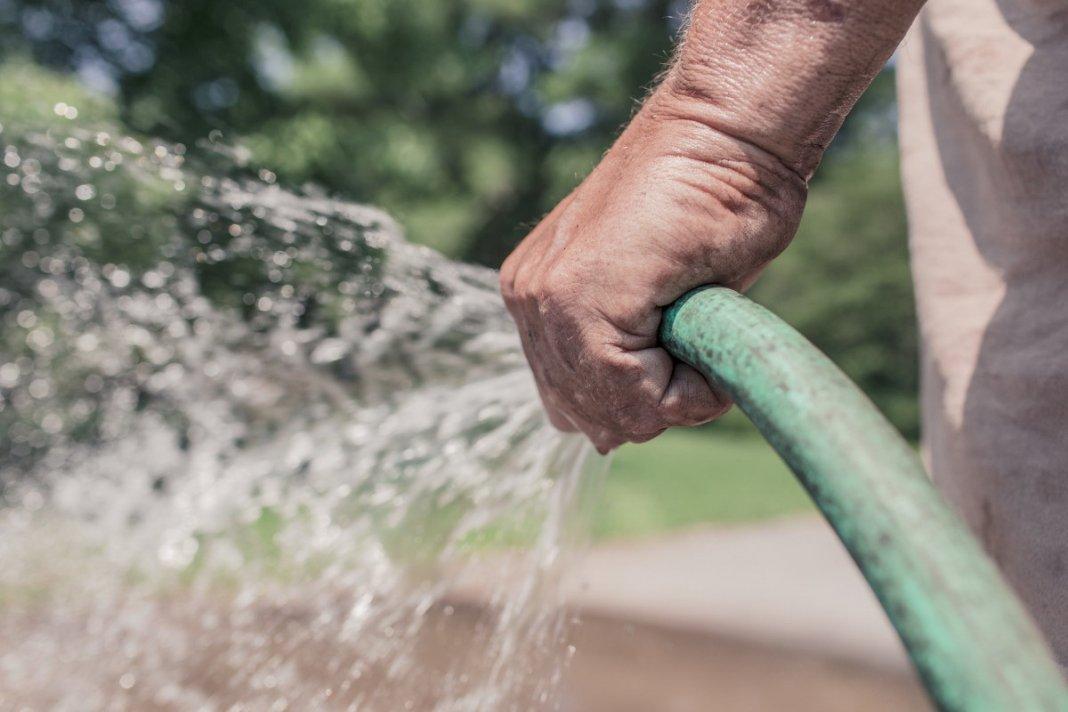
Caution! Avoid getting water on leaves, flowers, and buds.
Mulching
To conserve moisture and prevent weed growth, lily soil is mulched with sawdust, shavings, and leaf mold with added ash. Good mulch also improves soil fertility. Acidic peat and unrotted manure are not suitable mulching materials.
How to fertilize
Lilies don't bloom in poor soil. To ensure abundant blooms, the Regale variety requires fertilizing—3-5 times per season. The number of applications and application rates depend on soil fertility:
- In early spring, before germination, apply a granular complex fertilizer for bulbous plants at the manufacturer's recommended rates. When using liquid complex fertilizers, apply the first feeding when the shoots reach 10-12 cm in height.
- The beginning of budding. You can use the same complex fertilizer.
- After flowering, use nitrogen-free fertilizers to promote bulb ripening. For example, potassium sulfate (30 g) and superphosphate (10 g) per 1 m².

It is advisable to use dry wood ash as a top dressing or when watering at a rate of 100 g per 10 liters of water.
Preparing for winter
Moderate watering, regular fertilizing, and prompt removal of faded buds allow the lily to form a healthy bulb that will successfully overwinter. In the fall, stop watering and fertilizing. During periods of heavy rainfall, the soil can be covered with plastic to prevent excess autumn moisture. Stems are cut back to a height of 7-10 cm before wintering. The Regale lily overwinters well; in cold climates, mulching is recommended. Humus (no more than 7 cm) and dry leaves (about 20 cm) are suitable. Place plastic or plywood on top to prevent the mulch from getting wet. Cover the lilies when the soil begins to freeze.
Caution! Over-covering early in the season can cause the bulbs to rot.
In the spring, before the shoots begin to sprout, the covering is removed.
Protection from diseases and pests
First of all, for prevention purposes it is necessary:
- observe agricultural cultivation techniques;
- maintain optimal humidity;
- prevent the growth of weeds and thickening of plantings;
- promptly remove vegetative organs with signs of damage and plant debris;
- do not plant in one place all the time.

Fungal diseases such as rot, fusarium, pythium, rust, and blue mold pose a threat to lilies. To combat these diseases, spray the plants with a fungicide: Alirin-B, Bordeaux mixture, HOM, Abiga-Peak, or Gliocladin. In early spring, it is recommended to water the soil with a solution (1 tablespoon of copper sulfate and 1 tablespoon of ammonia per 10 liters of water).
The main pests are the lily beetle, lily and bulb flies, root bulb mites, aphids, wireworms, and rodents. It's best to prevent widespread pest infestations with insecticides such as Inta-Vir, Tanrek, and Agravertin.

Tip! You can protect the bulb from rodents by placing a fine mesh net at the bottom of the hole. To control rodents, place poisonous bait on the soil surface.
How to propagate correctly
There are several ways to propagate lilies:
- Dividing the bulb nest.
- With baby bulbs.
- Obtaining bulbs from scales.
- Stem bulbs.
- Cuttings of stems and leaves.
Examples of use in landscape design
The striking Regale lilies are hard to get lost in a flowerbed; they always command attention. They harmonize well with other liliaceae varieties. Ferns and junipers complement the arrangement. The Regale variety's blooms look beautiful against a backdrop of arborvitaes and cypresses, provided they don't create shade.
Only the base of the stem needs to be shaded in open areas, for which low-growing perennials are suitable: mint, sage, bellflower. Pink mallow, snapdragon, carnation, and marigold will create a beautiful background for the white lily.
Related posts:
 Description of the snow-white lily, planting and caring for candidum in open ground
 How to properly plant peas in a greenhouse and open ground
 How to grow ginger in the open ground at your dacha, planting and care
 How to propagate and grow peas, cultivation technology, and care in open ground
 The best grape varieties for growing in the Urals, planting and care rules in summer
 The best eggplant varieties for growing in a polycarbonate greenhouse: planting and care
 Description of varieties of sowing peas and cultivation, to which family they belong
 Description of the Nizina grape variety, planting and care in open ground