
- Description and characteristics of the culture
- What are the benefits of chicory?
- Popular plant varieties
- How to grow chicory correctly?
- Seed preparation
- Planting dates
- Preparing a landing site
- Sowing seeds
- Secrets of chicory care
- Fertilizers
- Watering
- Weeding and loosening
- Protecting chicory from diseases and pests
- Methods of plant propagation
- Harvesting and storage
Chicory is a perennial plant distinguished by its beautiful blue flowers. It is grown in private gardens as a coffee substitute or for making medicinal infusions. To preserve chicory's beneficial properties when grown in the garden, it's important to follow a few simple planting and care guidelines.
Description and characteristics of the culture
Chicory is distinguished by its large size: the herb can reach a height of a meter or more. The plant is characterized by the following features:
- large, soft blue flowers that close at night;
- a thick and hard root that goes deep into the ground;
- good frost resistance (withstands temperatures below +10 degrees);
- prefers to grow in light loams and sandy loam soils with a neutral pH;
- withstands short-term drought.
Chicory grows in various regions. However, areas located in northern regions are considered optimal for this plant.

Chicory stands out from other crops in that it begins to bloom in the second year after planting. The plant reproduces independently, scattering seeds across the plot. The flowers are bisexual. Chicory buds open by mid-June and fall with the onset of autumn.
The plant is notable for the fact that its flowers die quickly. However, new buds immediately take their place. Over the course of a season, a single bush produces up to 20,000 seeds.
What are the benefits of chicory?
Chicory contains inulin, intibin, and a number of other substances with immune-boosting properties. The plant replenishes the following micronutrient deficiencies:
- fructose;
- carotene;
- vitamin C;
- B vitamins;
- iron;
- calcium;
- sodium;
- magnesium.
These microelements are found in the plant's roots, which are used to prepare medicinal infusions beneficial for diabetics. The bushes are also used to treat inflammatory eye conditions, kidney diseases, skin diseases, and spleen disorders.

The seeds are used as a coffee substitute. An infusion of the seeds stimulates circulation, promotes the passage of gallstones, and strengthens the body. Drinking this drink during the day can restore nervous system function and relieve insomnia.

Popular plant varieties
Breeders have developed approximately 12 varieties of this plant. Gardeners most often grow the following varieties:
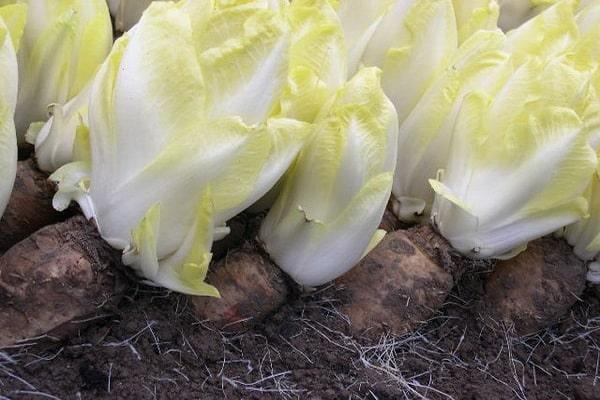
- Salad. Three other varieties have been developed from this variety: Witloof, Escarole, and Endive. The leaves of this chicory are used in salads, side dishes, and meat dishes.
- Common. This variety is grown as an ornamental plant or for making medicinal infusions.
If the crop is being planted to produce a beverage that can replace coffee, it is recommended to choose the root variety. In Russia, the Yaroslavsky variety is more popular.
How to grow chicory correctly?
Chicory can be grown both indoors and outdoors. If you choose the latter option, plant the seeds after the soil has warmed sufficiently. If you sow the seeds in the garden during cold weather, the plant will flower prematurely, but the root system will not have time to develop. This will result in the death of the plant.
Seed preparation
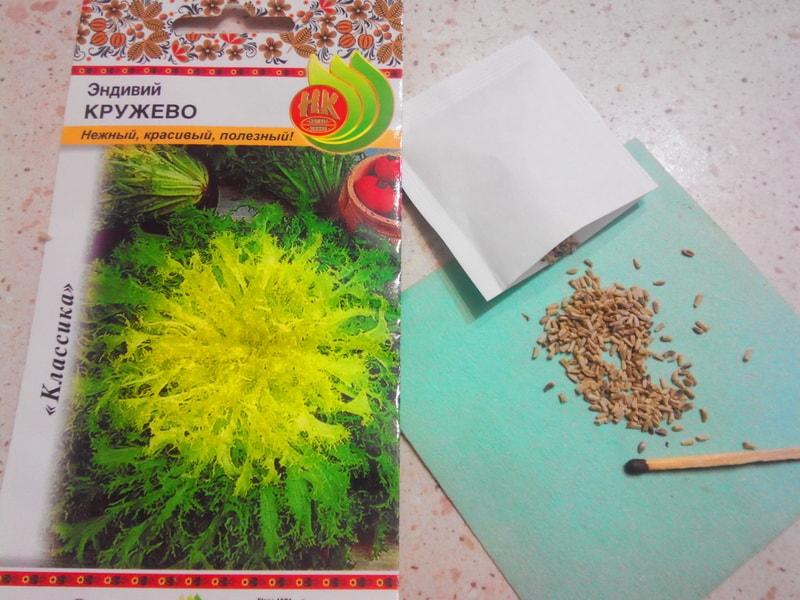
Common chicory seeds are sown directly into open ground. The seeds of this variety require no preliminary preparation. Salad varieties must first be germinated indoors. To do this, place the seeds in a damp cloth or napkin for several days. To speed up germination, it is recommended to place the seeds on a radiator for 2-3 days. It is also necessary to constantly moisten the cloth to prevent the seeds from drying out. Warm water is best for this purpose.
To increase yield, some gardeners soak the seeds in a suitable stimulant, keeping the grains there for 5-6 hours.
Planting dates
Varieties intended for salads and other dishes are recommended to be planted in May. Some gardeners sow seeds in mid-July. This approach allows them to produce plants that will germinate the following season.
Preparing a landing site
Chicory seeds germinate in soil with a neutral pH. If the soil is acidic, add lime before planting. Before sowing, the bed should be dug over and leveled.
It's recommended to plant the crop in well-lit areas. Chicory blooms best if the buds receive direct sunlight throughout the day.
Although the plant thrives in almost any area with the specified soil composition, many gardeners fertilize the soil before planting. For this, they use complex mineral fertilizers, applying three tablespoons per square meter of the bed. A mixture of humus, peat, and nitrophoska can also be used as a top dressing.
After preparation, the area is thoroughly watered. Then, even furrows should be made in the bed at 35-centimeter intervals. Any type of seed can be planted next to each other. varieties of chicoryWhen choosing a location for sowing seeds, keep in mind that chicory attracts pests. Therefore, it should be planted away from other fruit and vegetable crops.

Sowing seeds
It is recommended to plant seeds at a depth of 1-1.5 centimeters. Failure to do so will result in longer germination times. Seeds should be planted 8 centimeters apart. This distance is necessary because chicory is a tall plant with a large crown.
If the gardener neglects this condition, then after the seeds germinate the plant will have to be replanted.
The first shoots appear within 1-2 weeks. As the plant develops, individual plants should be removed or replanted, increasing the distance between mature chicory plants to 30 centimeters. Otherwise, larger plants will suppress the growth of smaller ones.
Secrets of chicory care
Caring for chicory is quite simple. To ensure its normal development, periodically thin the bed, weed, loosen the soil, water, and fertilize. If necessary, you can treat the plants with fungicides or other medicinal compounds.

Fertilizers
Mineral fertilizers are used as a top dressing for chicory:
- compost;
- wood ash;
- humus.
The plant is also fertilized with potassium salt, ammonium nitrate, or superphosphate. These fertilizers are used in small quantities at the garden. Fertilizers should be applied every 2-3 weeks. Gardeners recommend alternating fertilizers.
Watering
The optimal humidity level for chicory is considered to be 75-80%. Water the plant based on the frequency and amount of precipitation. Overwatering the soil is highly recommended, as this will cause root rot. To prevent the soil from drying out, apply mulch.
Watering frequency depends on the chicory variety. Salad varieties require more frequent watering than others. Medicinal varieties require less frequent watering.
Weeding and loosening
Despite its easy survival rate, chicory is demanding when it comes to growing conditions. Therefore, the bed where it grows must be periodically weeded to remove weeds. The soil should also be loosened after each watering to ensure oxygen reaches the roots.

Protecting chicory from diseases and pests
Common chicory is highly resistant to various diseases and pests. Salad varieties are recommended to be treated with fungicides after germination. These varieties are often susceptible to leaf spot. If watering is not adequate, salad varieties can develop rot.
The following pests are most often found on chicory:
- wireworms;
- root mite;
- leaf aphid;
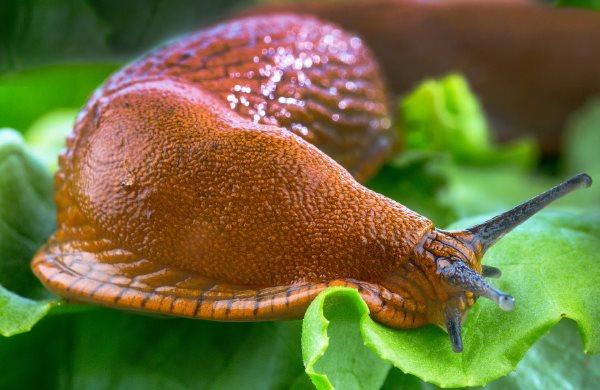
- slugs.
Slugs are removed from the bushes by hand. After treatment, the area around the trunks of the plants should be sprinkled with crushed eggshells or sand.
To prevent infection, it is recommended to thin out the garden bed and water the garden regularly. If signs of spotting are detected on one of the chicory plants, the affected plant should be removed and burned immediately. This fungal disease quickly spreads to neighboring plants, causing the death of all crops. There are no effective methods for protecting against chicory infection. Therefore, to avoid infection, it is necessary to follow the care instructions for the plants.
Methods of plant propagation
Chicory can be propagated by seeds or cuttings. The first option is the simplest. To obtain a new plant, simply separate a portion of the root system and grow it in a separate pot.
To obtain seeds suitable for planting, you need to cover the flowers with a piece of gauze and wait three weeks.
After the specified period, the buds, along with the stem, should be cut and hung in a dark, ventilated room for several days.
Harvesting and storage
Varieties used for medicinal purposes are harvested in the second year after sowing the seeds. The rhizomes can be harvested during the first season. Before the onset of cold weather, the leaves should be cut off, leaving the plant in this form for the winter.
Salad varieties are harvested in mid-autumn. The leaves are stored in a cool, dark place or in the refrigerator.
Related posts:
 How to properly harvest and dry chicory at home, harvesting rules
 The beneficial properties and contraindications of chicory, what the flower helps with and how to take it
 Botanical description of chicory varieties and types, beneficial properties and contraindications
 How to propagate and grow peas, cultivation technology, and care in open ground
 How to properly plant peas in a greenhouse and open ground
 How to plant grapes step by step, with a description of the process and care
 Description of varieties of sowing peas and cultivation, to which family they belong
 How to grow ginger in the open ground at your dacha, planting and care