
- Description and characteristics of the snow-white lily candidum
- Main advantages and disadvantages
- Specifics of growing lilies
- Planting dates
- Choosing a location
- Preparation of planting material
- The landing process
- How to properly care for a plant
- Watering
- Humidity
- Lighting
- Top dressing
- Preparing for winter
- Diseases and pests of lilies
- Flower propagation
- Use in landscape design
Not every gardener dares to grow lilies, considering them capricious flowers. However, if you research the plant's growing requirements in advance, the process won't present any particular problems. One of the most beautiful representatives of the family is the snow-white lily, also known as candidum. This group includes numerous varieties, so every gardener can find a specimen to suit their taste.
Description and characteristics of the snow-white lily candidum
The Candidum group includes varieties united by one distinctive feature: snow-white petals. The white lily is one of the oldest, valued even in ancient times not only for its ornamental qualities but also for its medicinal properties. Today, white-flowered lilies can be found in the wild in the Balkans and Western Asia. The humid Mediterranean climate is ideal for the plant's growth.
This perennial bulbous plant reaches 1 meter in height, with up to 20 bisexual buds forming on a single bush. These buds are large and funnel-shaped. Flowering begins in early July. The main drawback of white lilies is their poor resistance to diseases and insect pests. Therefore, to ensure abundant blooms, preventative treatments are administered throughout the growing season.
When growing lilies candidum in your garden, be aware that the flowers emit a very strong fragrance. To avoid headaches and nausea, it is not recommended to arrange bouquets of the plant or display them indoors.
Main advantages and disadvantages
The lily variety Candidum has many advantages over other groups, but also many disadvantages.
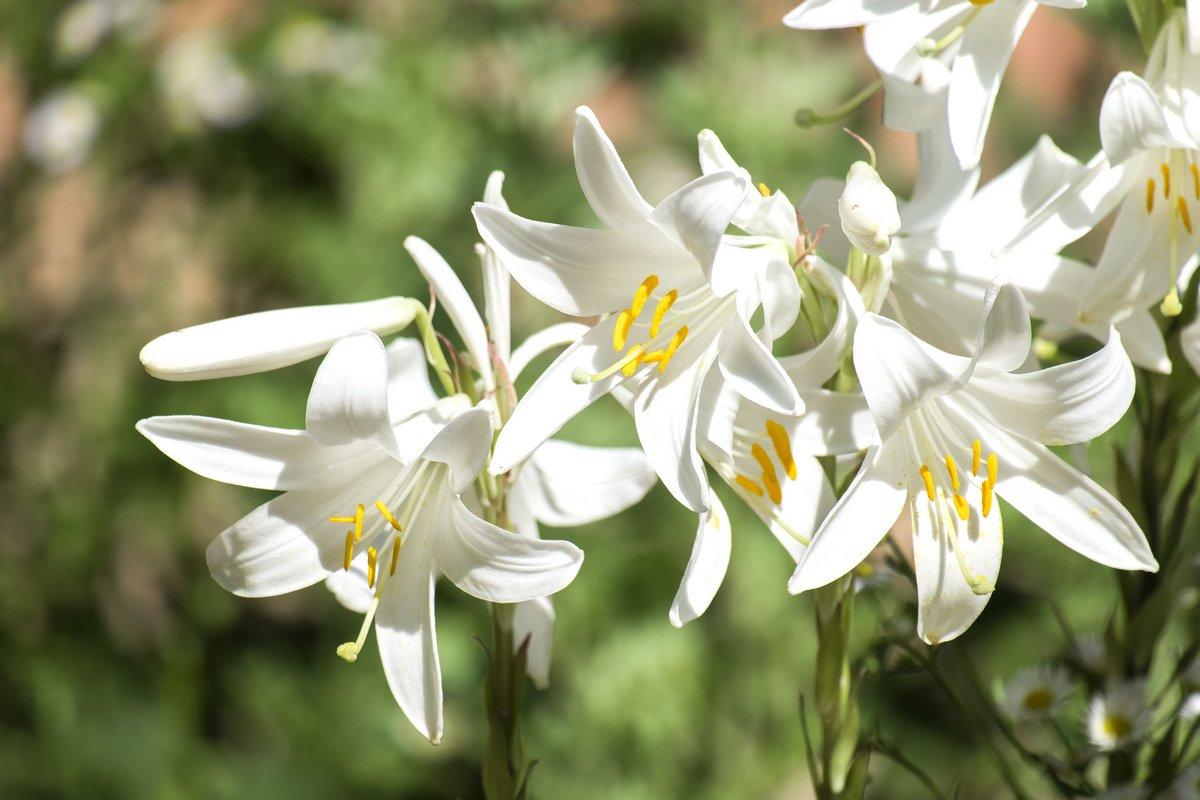
The advantages of flowers include:
- Spectacular appearance of flowers.
- The ability to use a lily with white petals in combination with any other plants in a flowerbed.
- Large buds, formed in large quantities on one bush.
- The healing properties allow the culture to be used in medicine and cosmetology.

The disadvantages of these lilies include:
- Weak immunity to fungal diseases.
- Demanding to soil composition and placement location.
- The need for shelter in regions with cold winters.
- A pungent smell that causes dizziness.
Specifics of growing lilies
To ensure successful cultivation of the snow-white candidum lily, it is necessary to heed the advice of experienced gardeners and properly prepare the site for this capricious plant.
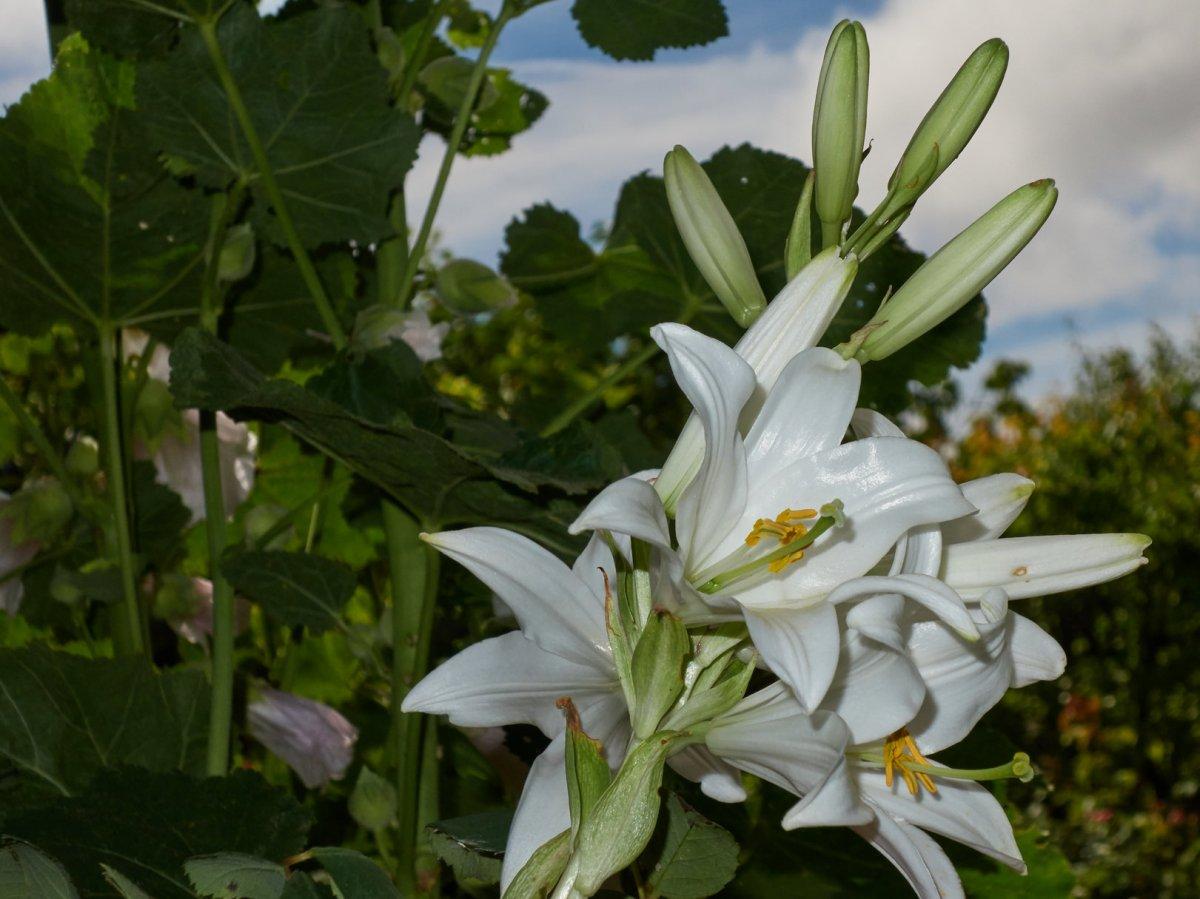
Planting dates
The best time to plant snow-white candidum lilies is considered to be late August. It's best to complete the work by September 15th so the plant can fully root and produce its overwintering rosette. Otherwise, even with protection, the plant won't survive the cold season.
Choosing a location
All varieties of Candidum lilies have particular requirements for their location. Otherwise, diseases are inevitable, and you won't be able to enjoy the abundant, decorative blooms. If you plan to plant the plant in regions with cold winters, be sure to select an open area that receives full sun for most of the day. Lilies thrive in alkaline soil with good drainage. To prevent water stagnation around the roots, plant them at a slightly elevated site.
If the soil on the site is clayey, it must be improved by adding sand and compost, and also treated with a solution of potassium permanganate for preventive purposes.

Advice! When adding additional components, remember that all Candidum species react negatively to manure and fresh organic matter.
Preparation of planting material
Purchase snow-white lily planting stock only from specialized retailers. Make sure the bulbs have roots attached to the base. If there are spots or signs of rot, discard the bulbs—these materials will not produce a beautiful, healthy plant. Before planting outdoors, the bulbs must be prepared. Soak them in a weak solution of any fungicide. This prevents fungal diseases and rot, which often affect Candidum lilies.
The landing process
The planting pattern for snow-white lilies is 15 cm between bulbs and 25 cm from other flowers. Follow the following procedure:

- A drainage layer consisting of river sand and wood ash is placed at the bottom of the planting holes.
- They form a small mound on which they place the bulbs, spreading their roots in different directions.
- The planting material is filled with sand for a third of the way, and then the prepared soil is added.
Important! Keep in mind that the soil around the bulbs of snow-white lilies should not be compacted; add soil as it settles.

If the weather is hot outside, water the planted plants sparingly during the first few weeks—this will help them take root faster in their new location.
How to properly care for a plant
Care for snow-white lilies in open ground requires due attention, otherwise the plant will not delight you with abundant and long-lasting blooms. The complex of agricultural measures includes irrigation and nutrient application, preparation for winter, and preventative treatments.
Watering
Snow-white lilies don't require abundant watering. Water infrequently and only in hot weather, soaking the soil to a depth of 30-40 cm. For irrigation, use warm, settled water, to which a weak solution of potassium permanganate is added as a preventative measure.

Humidity
Candidum lilies should not be planted next to plants that thrive in high humidity. This will negatively impact these snow-white beauties, leading to the development of fungal diseases.
Lighting
Adequate daylight is essential for the beauty of these snow-white lilies and their disease-free growth. Avoid planting Candidums near tall trees and shrubs, as they may block sunlight from reaching the flowers.
Top dressing
Snow-white lilies don't require frequent fertilization. Fertilize twice during the growing season using complete mineral fertilizers or formulations specifically designed for bulbous plants.

Preparing for winter
Lilies with snow-white petals are prepared for the winter cold. To do this, the resulting rosette of leaves is covered with a mulch of dry leaves. In regions with frosty winters, spruce branches or any non-woven material are placed on top.
Diseases and pests of lilies
The most dangerous diseases to which lilies have no immunity are considered fungal. These are botrytis and fusarium. Botrytis affects the leaves, which become covered with whitish spots. Fusarium damages the plant's bulb, so preventative treatment of planting material is important. For treatment, use the fungicide Maxim, a solution of which is applied to the soil around the plants.

The most dangerous pest is the lily beetle. Its larvae feed on plant leaves, causing the flower to lose its decorative appeal. If the pests are few in number, they are removed from the plants by hand; otherwise, an acaricide is used.
Flower propagation
Only vegetative methods are used to propagate these snow-white beauties. Since almost all varieties in this group are hybrids, sowing seeds does not guarantee a plant with the same qualities as the mother plant. Furthermore, the process of growing bulblets from seed is quite lengthy and is primarily used by plant breeders. Since several offspring form around the main bulb each year, they are carefully separated and further grown indoors under cover. After a few months, they are transplanted into the open ground.
Candidum scales are also suitable for propagating. They are placed in a bag with nutrient-rich substrate, leaving holes in it for ventilation. After roots appear, they are planted in containers for further growth.
Use in landscape design
Snow-white lilies are versatile plants that are used:
- In small flower beds and mixborders.
- In rockeries and alpine gardens.
- In compositions with coniferous plants.
In addition, candidum group plants look great with any perennial flowers.
Related posts:
 Description and characteristics of the Regale lily variety, planting and care in open ground
 Growing and caring for hazelnuts in open ground, rules for planting hazelnuts
 Causes and treatment of eggplant pests and diseases, how to combat them at home
 How to grow ginger in the open ground at your dacha, planting and care
 Description of varieties of sowing peas and cultivation, to which family they belong
 How to propagate and grow peas, cultivation technology, and care in open ground
 How to properly plant peas in a greenhouse and open ground
 Technology for growing corn in open ground and greenhouses, planting and care