
- New England aster: plant description
- The most beautiful varieties and cultivars
- Crimson Brocade
- Starletta mix
- White Ladies
- Royal Ruby
- Marie Ballard
- Sam Benham
- Benefits of using in landscape design
- Features of cultivation
- Selecting a location and preparing the area for planting
- Timing and rules for sowing seeds
- Flower care
- Watering
- Fertilizer
- Protection from insects and diseases
- Preparing for the winter period
- Methods of reproduction
- Collection and preparation of seeds
- Dividing the bush
- Cuttings
This perennial plant with a European name but North American roots is popular with gardeners worldwide. New England aster, or Virginia aster, comes in tall, medium, and low-growing varieties. Therefore, this plant is indispensable in landscape design. Especially when autumn fades the garden's colors, New England aster brightens the dull landscape and becomes a vibrant accent.
New England aster: plant description
New England aster, or as it is also called Virginia aster, is a perennial plant. Its natural habitat is North America (eastern regions). The first mention of this plant dates back to 1686. These flowers arrived in Europe in the 17th century, brought by a monk from China. Since then, September daisies have rightfully occupied a prominent place in Russian gardens. The flowering period of New Belgian daisies coincides with the feast of the Archangel Michael, which is why they are also called St. Michael's daisies.
Virginia asters belong to the Asteraceae family, a category that boasts numerous varieties and hybrids that delight gardeners every year. The following characteristics stand out among all varieties:
- Rapid growth.
- Bush-shaped form.
- Creeping and branching rhizome.
- Numerous thin stems, completely covered with leaves and flowers.
- Lanceolate, dark green, glossy leaf blades about 12 cm long.
- Ligulate form of flowers.
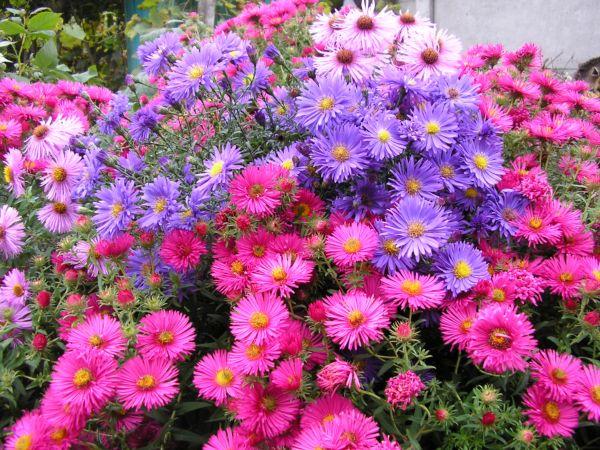
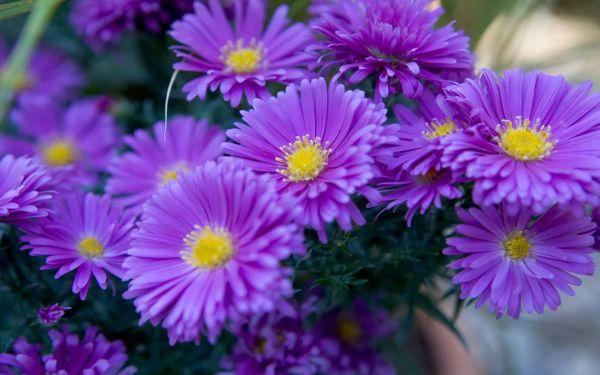
New England asters reach a height of 60 to 120 cm. The color of the buds and the time and duration of flowering vary for each variety. Some varieties bloom in July, while others delight with their colors in September or October. Petal shades range from purple, white, pink, and lilac.
The most beautiful varieties and cultivars
For many decades, breeders have been working on breeding the best varieties of New England asterThe following varieties are ranked among the most popular among gardeners.
Crimson Brocade
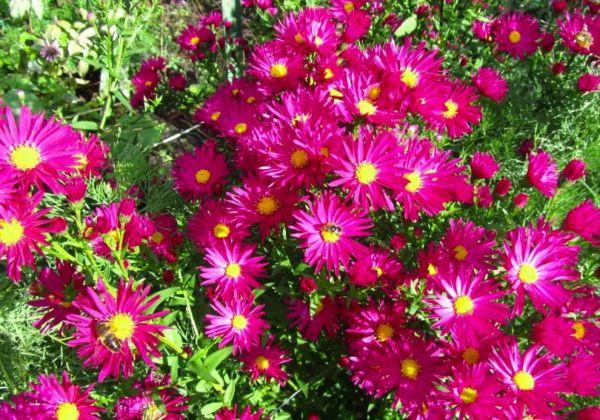
One of the most spectacular varieties, consistently popular with Russian gardeners. Its distinctive feature is the vibrant crimson-scarlet hue of its petals. The sun-kissed, fiery center of the flower provides a contrast. The diameter of each bud is small—only 3 cm—but this is compensated for by the abundance of flowers on the bushes. The flowering period of the Crimson Brocade variety lasts approximately 30 days. The robust bushes reach a height of 130 cm and are densely covered with glossy, dark green foliage.
Starletta mix
The bushes of this variety are distinguished by strong immunity, increased frost resistance, and low maintenance requirements. During flowering, they are covered with large purple flowers. The buds of Starletta Mix bloom long and profusely. A contrasting accent is the yellow center with white stamens.

White Ladies
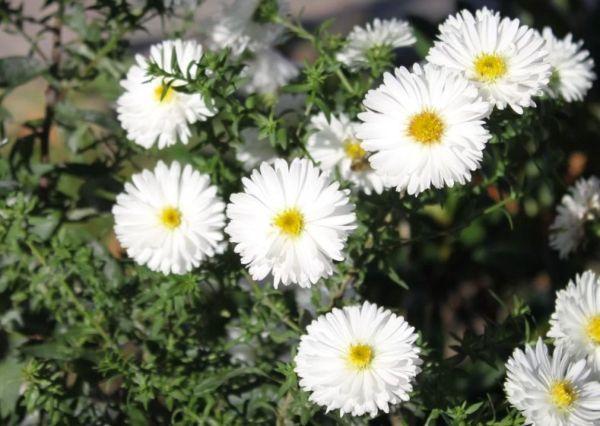
White Ladies bushes grow up to 1 meter tall and are distinguished by good winter hardiness. The flowers are not particularly large, but there are quite a few of them on the plant. During the flowering period (September to late October), the bush seems shrouded in a snow-white haze. White Ladies is a vigorous bush, so it is often grown without support. It is suitable for both cut flowers and garden decoration.
Royal Ruby
This sun-loving yet winter-hardy plant grows up to 90 cm in height. Its highlights include glossy, dark green foliage and raspberry-colored flowers. They are semi-double and have a bright yellow center. The 2-3 cm flowers open almost simultaneously on the bush. This occurs in early September and lasts for over a month. The bush has an inverse pyramidal shape and is characterized by rapid growth.
Marie Ballard
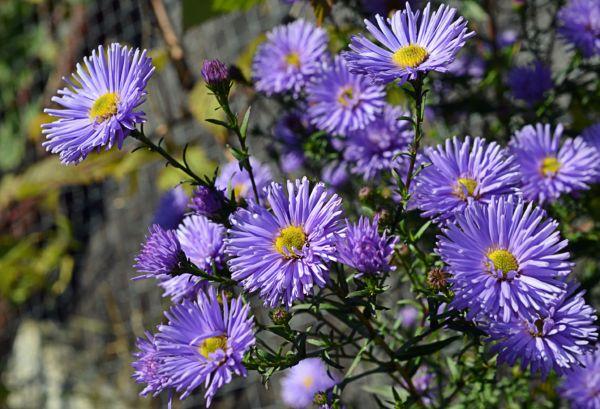
The delicate lilac flowers of the Marie Ballard variety delight for about two months. They have the longest blooming period of all New England aster varieties. The height of the bushes does not exceed 95 cm, and the flower diameter is 5 cm. The first mentions of this variety date back to 1955, when Ernest Ballard bred a new variety and named it in honor of his beloved wife, Marie.
Sam Benham
One of the most popular white-flowered varieties. The shrub has an oval shape, is quite wide, and reaches a height of 1.5 meters. The upright stems are densely covered with oblong, dark-green foliage. Their surface is glossy. Gardeners can see the first buds on the plant from early September, and the flowering period lasts for about a month. The flowers are 4 cm in diameter and have a yellow center, which creates a striking accent against the snow-white petals.
Benefits of using in landscape design
The popularity of New England asters in landscape design stems from the vibrant color they add to a dull garden in autumn. They are low-maintenance, tolerate frosts without issue, and, with proper care, produce abundant and long-lasting blooms. Gardeners use these robust, tall varieties to form hedges and create unusual green sculptures.
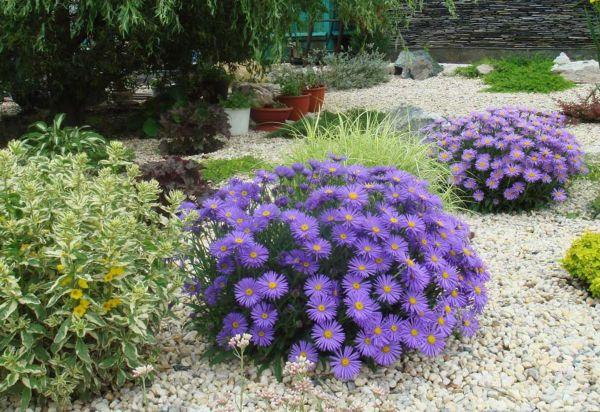
Flowers have also found their place in the design of rockeries and alpine slides, and low-growing varieties are indispensable in the design of borders.
When creating multi-colored aster arrangements, designers advise sticking to a combination of shades and not using more than three in one flowerbed.
Features of cultivation
To enjoy abundant aster blooms, it's important to choose the right location, prepare the seedlings, and follow the planting instructions.
Selecting a location and preparing the area for planting
A sunny site is recommended for growing New England asters, with partial shade being acceptable at best. In shady areas, the flowers won't be as vibrant in color as in full sun, and the blooming period won't be as long. Asters don't like low-lying areas or damp, stagnant water, as this can lead to powdery mildew.
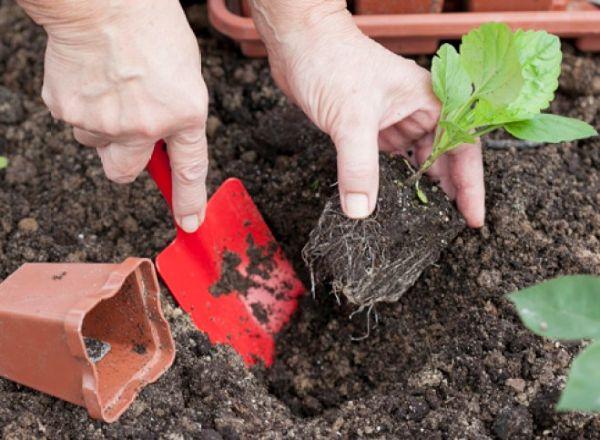
Fertile soil with a neutral pH is preferred. If the soil is too acidic, be sure to correct the situation by adding lime or wood ash. Before planting, dig the soil and remove weed roots.
Timing and rules for sowing seeds
Flower seeds can be sown directly into garden beds, but gardeners prefer to first grow seedlings indoors or in a greenhouse and then plant them in flower beds. This way, the flowering period for New England roses is approached. It is important to note that the seeds of this variety do not retain their germination capacity for long, so only fresh material is used.
If you decide to sow the seeds directly into open ground, do so before winter, in November. First, place the seeds in the refrigerator for several days, then soak them in warm water for 2-3 hours. This hardens the seeds.
Seeds are sown for seedlings in April. By the time warm weather arrives, the seedlings will have strengthened and can be transplanted into open ground. Various methods are used for this, including growing in a common container, in peat pellets, or in soil-free roll-ups.
Flower care
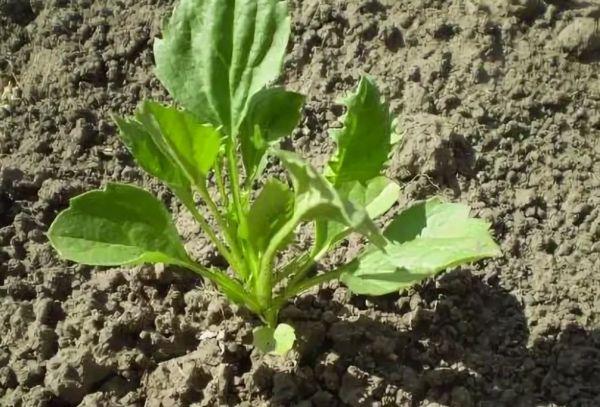
Once the seedlings emerge, they need to be properly cared for. This will prevent diseases and other problems. growing New England aster.
Watering
Water this plant sparingly. Asters are drought-tolerant plants, so it's better to underwater than overwater. Excessive moisture can lead to the development of fungal diseases. If there's sufficient rainfall during the season, additional watering is unnecessary. Water only during extremely dry periods, and the water should be lukewarm. Ensure that no droplets of water fall on the leaves or flowers; water directly at the roots.
Fertilizer
Without adding nutrients during aster cultivation, achieving abundant flowering is difficult. Therefore, this stage of gardening is given special attention. In early spring and mid-autumn, a small amount of compost is added to the bushes.
The remaining stages of fertilizing asters are carried out according to the following algorithm:
- Two weeks after planting asters in open ground, use ammonium nitrate, superphosphate and potassium sulfate.
- The second feeding is done at the bud formation stage. Potassium sulfate and superphosphate are used.
- The same components are used to fertilize plants for the third time at the very beginning of flowering.
Protection from insects and diseases
Of the diseases affecting Virginia aster, the most dangerous are:
- Rust. Symptoms include swelling on the underside of the leaf. Bordeaux mixture is used to treat asters.
- Jaundice. Asters stop blooming, and the foliage turns yellow. In this case, insecticide treatment is essential, as the disease is transmitted by insect pests.
- Powdery mildew. The main symptom is a whitish coating on the leaves and stems of asters. Prevention with special chemicals is important—they create a protective film on the plant's surface and prevent the disease.
The most dangerous insects for asters are earwigs, aphids, cutworms, and spider mites. In the early stages of infestation, folk remedies are used; in cases of severe pest infestation, insecticides are used.
Preparing for the winter period
If the aster variety isn't frost-hardy, cut all stems back to the ground for the winter and cover them with dry leaves or spruce branches. This is especially necessary for young, immature plants.
Methods of reproduction
Virginia aster is propagated in several ways.
Collection and preparation of seeds
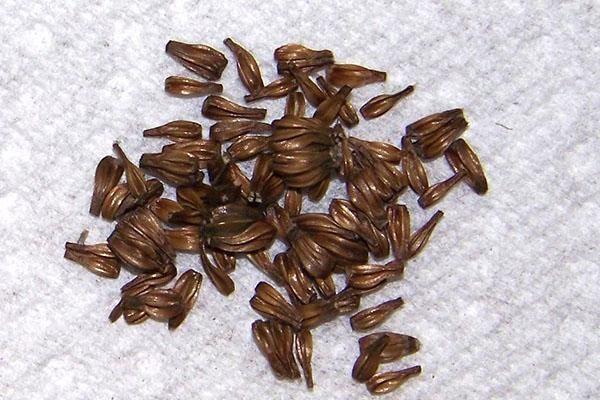
To harvest aster seeds in the fall, select the largest buds that have already bloomed and dried slightly. If they don't have time to ripen on the bush, they are cut and dried at home before harvesting the seeds. Store aster seeds in a paper bag at a temperature not exceeding 5 degrees Celsius.
Dividing the bush
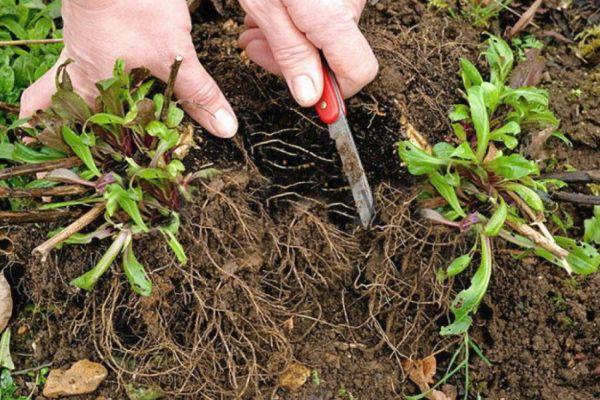
This is the simplest and fastest method for propagating asters, popular among gardeners. This procedure is carried out in early spring. The bush is carefully removed from the soil and divided into several parts, ensuring each has a full root. The asters are planted in prepared beds and cared for as if they were mature plants.
Cuttings
The upper part of the aster is used to prepare cuttings. They should be 5 to 8 cm long. The cuttings are planted in boxes filled with nutritious potting soil. It is recommended to initially cover the plantings with glass and periodically uncover them for moisture and ventilation. Once the asters have taken root, they are transplanted to their permanent location in the garden. The advantage of this method is that it can be used from May throughout the summer.
Related posts:
 Planting and caring for asters in open ground, propagation and description of species and varieties
 Description and characteristics of the best varieties of New England aster, planting and care
 Description of the best varieties of alpine aster, planting and care rules
 Rules for planting and caring for shrub asters, the best varieties and growing features
 When and how to plant asters in the fall before winter, is it possible
 Description of cut flower mixtures of Chinese asters, planting and growing rules
 Classification of aster species by shape, height and flowering period and description of varieties
 Characteristics and descriptions of the most beautiful types of daffodils, names of the best varieties