
- The best varieties for a given region
- Low-growing flowers
- Pansies
- Anemones
- Periwinkle
- Subulate phlox
- Medium-sized perennials
- Day-lily
- Mountain cornflower
- Garden chamomile
- Gypsophila paniculata
- Tall perennial flowers
- Perennial rudbeckia
- Echinacea purpurea
- Delphinium
- Hollyhock
- Curly representatives
- Actinidia
- Maiden grapes
- Chinese magnolia vine
- Clematis
- The specifics of growing perennial flowers in the Urals
- General care rules
Not all plants are capable of producing decorative blooms when grown in harsh conditions. Even if buds form, they may not open before the end of summer. Therefore, perennials that can tolerate the harsh climate are selected for the Urals. Below is information about the best plants for this region, growing specifics, and general care guidelines.
The best varieties for a given region
You need to select plants that can thrive in harsh conditions. Not all bushes in the Urals produce buds throughout the season. However, you can select plants to create flower beds that bloom all summer long. To achieve this, plant bushes of varying heights and flowering times in a group.
Low-growing flowers
Small plants are used to decorate borders and rock gardens, and to line the trunks of trees and shrubs. They also serve as the foreground for flower arrangements. Some plants can quickly choke out weeds.
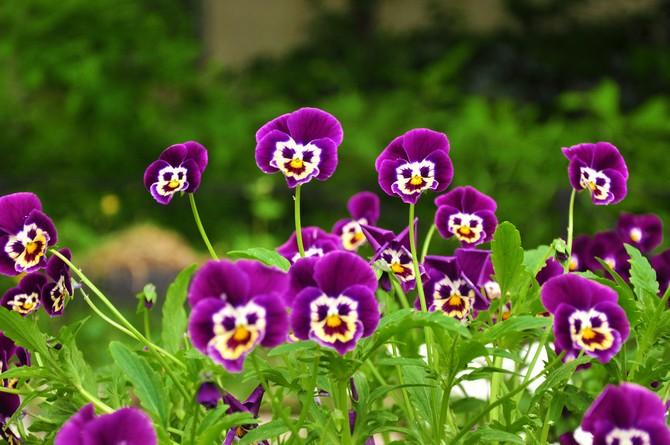
Pansies
Depending on the variety, the bushes may have small or large inflorescences. To ensure long-lasting blooms, regularly remove wilting buds. Popular varieties include Flamenco Red, Moulin Rouge F1, Rococo, and Swiss Giant.
Anemones
These plants are among the first to bloom in early spring. Anemones boast a variety of bud colors. Petals come in white, red, blue, lavender, and pink. Popular varieties include: Anemone tegmene, Anemone sylvestris, Anemone d'arte, Anemone d'arte, Anemone d'arte, Anemone d'arte, and Anemone d'arte.
Periwinkle
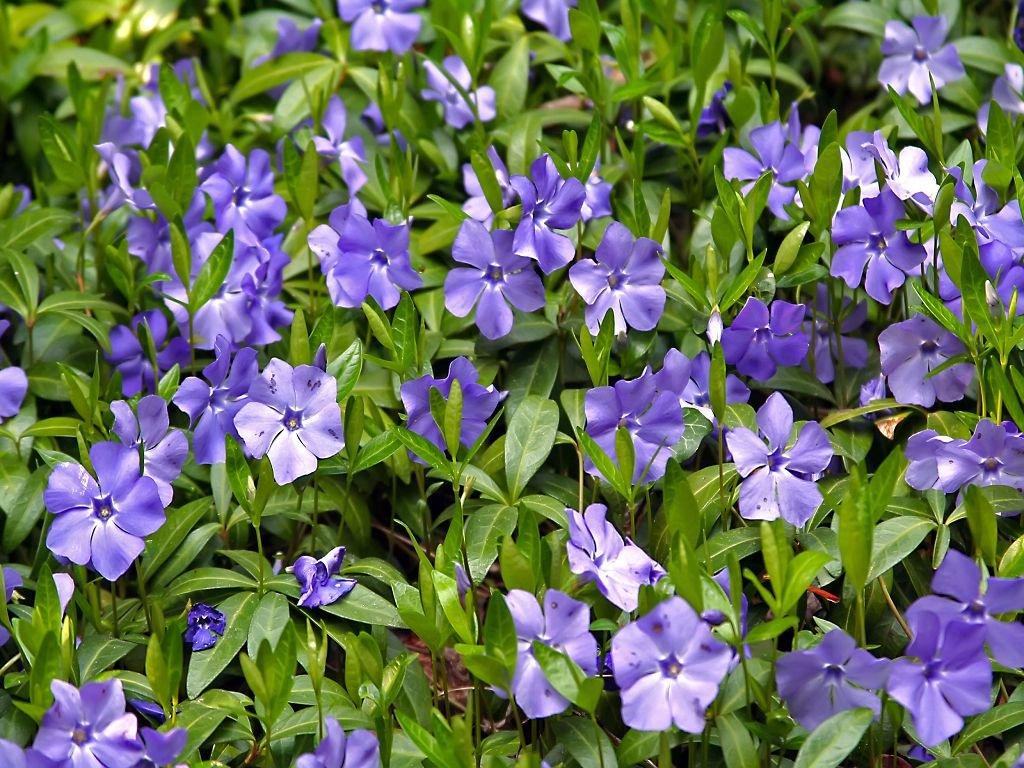
This groundcover plant quickly fills empty spaces with its shoots. Flowers come in white, pink, and blue. The hardy lesser periwinkle is suitable for the Ural climate. The following varieties are used: Alba, Rubra, Sabinka, and Dart's Blue. Periwinkle blooms from spring to fall.
Subulate phlox
The height of the bushes varies from 5 to 21 centimeters. The flowers are small. The petals are colored in shades of white, pink, blue, cream, and red. The inflorescences open in May-June, and again in September. During flowering, the plants emit a delicate fragrance. The following varieties are planted: Scarlet Flame, Emerald Cushion Blue, and Candy Stripes.
Medium-sized perennials
When landscaping a site, medium-sized bushes are planted behind low plants.
Day-lily
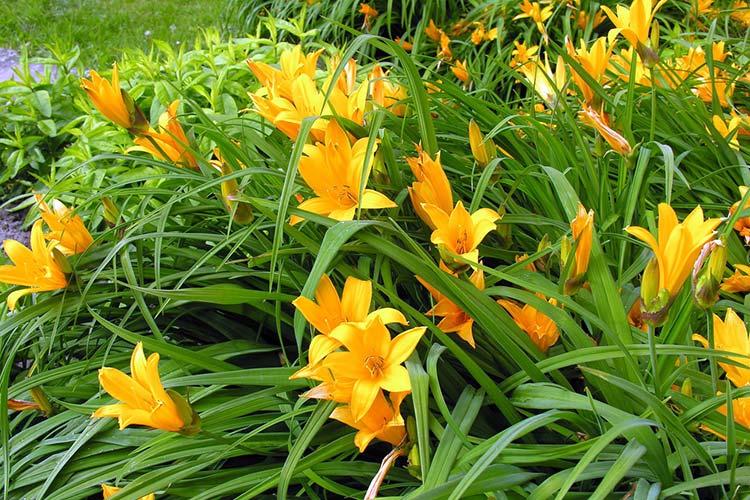
This is a beautiful, low-maintenance plant. By selecting several varieties, a gardener can enjoy daylily blooms from spring to late fall. The buds come in a wide variety of colors. Ornamental and low-maintenance varieties include Stella D'Oro, Strawberry Candy, and Double River Vine.
Mountain cornflower
The plants grow to about 60 centimeters tall. Blue flowers appear on the bushes throughout the summer. Mountain knapweed requires little care and propagates easily by rhizomes and self-seeding. Popular varieties include Violetta, Alba, and Grandiflora.
Garden chamomile
The shoots of the chamomile grow up to 60 centimeters tall. The white flowers of the garden chamomile can visually expand a small garden plot. Buds form in early June, and flowering lasts for two months. Gardeners in the Urals plant the Alaska, Beethoven, and May Queen chamomiles.
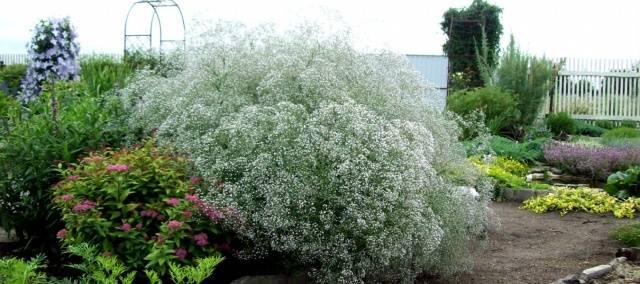
Gypsophila paniculata
During flowering, the bushes are covered with numerous small white buds. These can be single or double. With age, the bushes take on a spherical shape. Popular varieties include Snezhinka, Bely Prazdnik, and Pautinka.
Tall perennial flowers
Tall perennials serve as a backdrop for medium-height plants. They can also be planted as a hedge.
Perennial rudbeckia
This plant prefers to grow in a sunny location. In such conditions, rudbeckia buds turn a vibrant yellow. The decorative effect lasts from July to October. Preferred varieties include Marmalade, Cappuccino, Yantar, and Golden Ball.
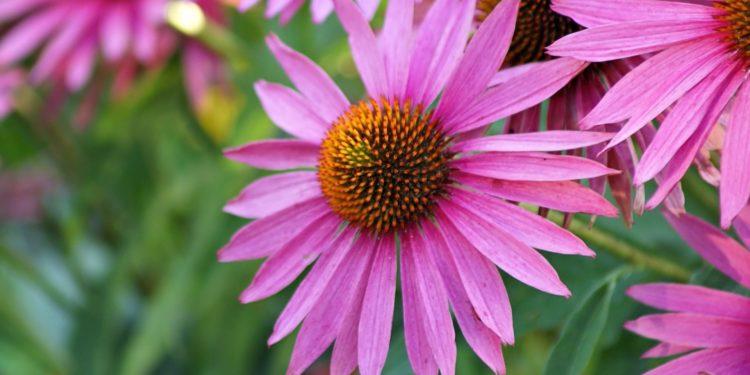
Echinacea purpurea
The plant's bushes reach a height of 1.2-1.3 meters. The plant is not only beautiful but also medicinal. A drink made from parts of this flower is used to boost immunity. The following echinacea varieties are suitable for growing in the Urals: Granatshtern and Sonnenlach.
Take a look Also
Delphinium
Delphinium shoots reach a height of 2.5 meters. They are densely covered with single or double inflorescences. From a distance, the plants look like multicolored candles. Delphiniums are drought- and frost-resistant. If the shoots are cut back after the buds have dried, reblooming may occur on young branches in the fall.
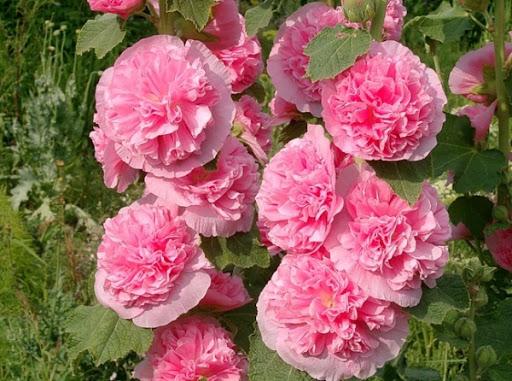
Hollyhock
Hollyhock has long been popular with gardeners for its beauty and ease of care. Hollyhock stems reach heights of up to 2 meters. Petals come in yellow, pink, red, purple, lilac, and white. Hollyhock enthusiasts prefer the tall Chaters Double Strain group.
Curly representatives
Vines can provide vertical support in landscape design and conceal unsightly structures. Some even produce tasty and nutritious fruits.
Actinidia
The shoots of this plant reach heights of 8-15 meters. Therefore, actinidia requires support in the form of a tree, trellis, or arch. The plant produces small fruits with a flavor reminiscent of kiwi and gooseberries.
For them to form, you need to plant two actinidia of different sexes next to each other.
Maiden grapes
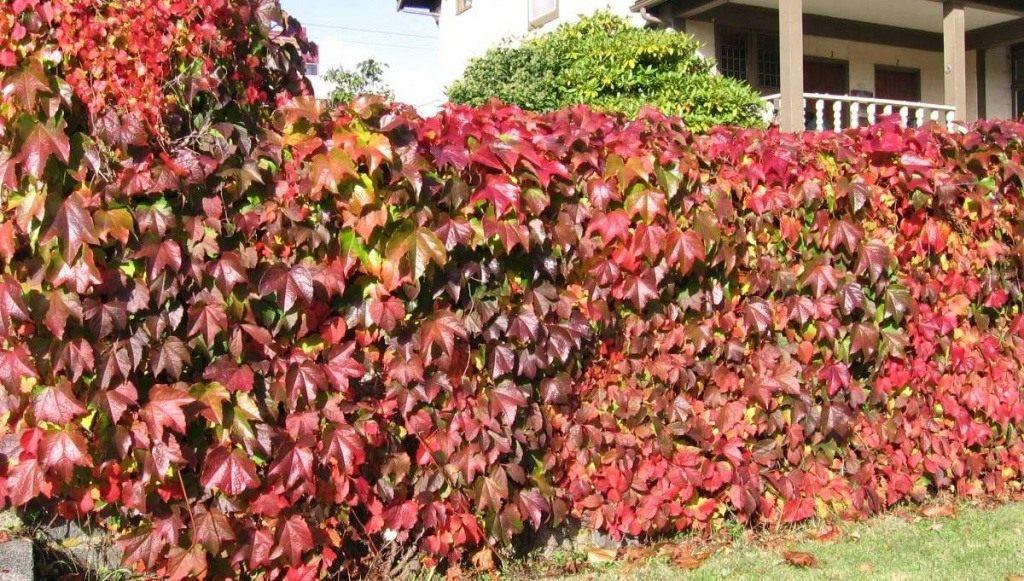
The plant's blooms are inconspicuous. Its beauty lies in the decorative leaves that form on shoots approximately 20 meters long. In summer, the leaf blades are green, turning purple in autumn. After flowering, small inedible berries form.
Chinese magnolia vine
The shoots of this perennial vine are colored in shades of red. The leaves are green in summer and yellow in autumn. During flowering, the plant exudes a delicate fragrance. The vine produces clusters of red berries, which have medicinal properties.
Clematis
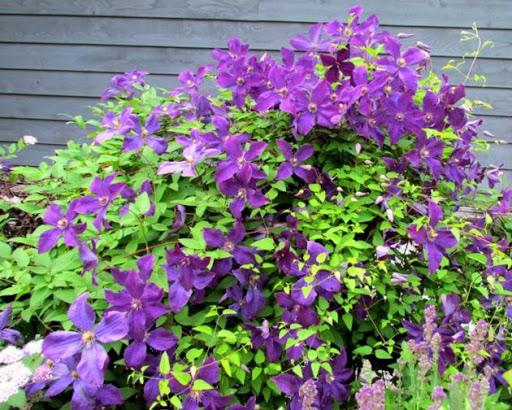
Clematis of the Jackmani group are suitable for growing in the Urals. The vines grow up to 4 meters tall and have lilac-colored flowers. Another recommended group of clematis is Vincella, whose buds are colored in shades of pink and red.
The specifics of growing perennial flowers in the Urals
When choosing garden plants, you should select varieties that can thrive in less favorable conditions. Purchase seeds or seedlings from reputable sellers at nurseries or garden centers. Before planting, disinfect them in a potassium permanganate solution.
All flowers generally require planting in a well-lit, wind-protected location. Groundwater should not be too close to the soil surface. Keep in mind that perennials reproduce quickly. Therefore, leave plenty of space between planting holes.
General care rules
Perennial garden plants growing in the Urals require the same care as those in other regions. Immediately after planting, the bushes are watered and mulched with sawdust, peat, and compost. Further watering is done as the topsoil dries out.
In mid-autumn, carry out moisture-recharging irrigation, which will help the plants survive the winter.
Perennials are fertilized periodically. Nitrogen is applied in the spring, and a complex mineral fertilizer is used in the summer. In the fall, the trunk area is sprinkled with wood ash, which contains potassium. This substance promotes a safe overwintering of the bushes. If cold-hardy perennial varieties are selected, they do not require shelter.
Related posts:
 The best grape varieties for growing in the Urals, planting and care rules in summer
 Descriptions of hosta species and the top 25 most beautiful varieties, growing rules
 Description and characteristics of the best seeds of pea varieties and types
 Description and characteristics of the best tomato varieties for outdoor cultivation in the Urals
 The best eggplant varieties for growing in a polycarbonate greenhouse: planting and care
 Description of the best potato varieties of domestic and foreign selection
 Top 15 Korean Chrysanthemum Varieties, Planting and Care in the Open Ground
 How to propagate and grow peas, cultivation technology, and care in open ground