
- Selecting a variety
- Brain varieties
- The Miracle of Kelvedon
- Large pea seeds
- Prelado
- Gribovsky 11
- Sweet peas for planting
- Sugar
- Oscar
- Zhegalova
- Sugar slider
- Children's sugar
- Peas growing without support
- Alpha
- Avola Peas
- Shelling peas
- Dakota
- Fork
- Adagumsky
- Voronezh green
- Dinga
- Tall
- Madonna
- Rocket
- The best varieties for the Moscow region
- Moscow delicacy
- Slovan
- Salamanca
- Gothic
- Belmondo
- Suitable varieties for Siberia
- Altai emerald
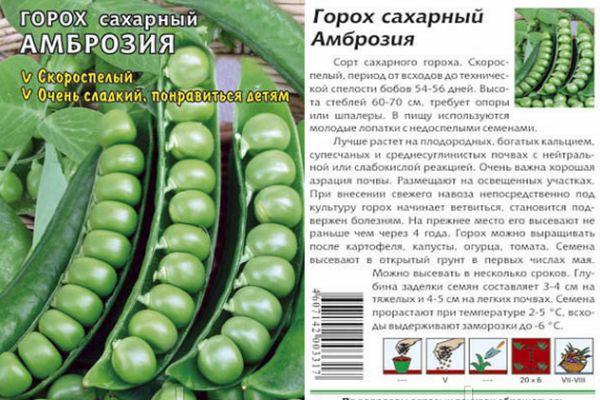
- Ambrosia
- Seed preparation
- Soaking before planting
- Peculiarities of growing peas at home and in the ground
- Conclusion
Many vegetable growers plant pea seeds in their gardens to produce a pea crop. However, before planting, they have to spend time choosing the right variety. It's recommended to familiarize yourself with the different types of peas in advance to make the right choice.
Selecting a variety
The selection of pea varieties must be taken seriously, as the quality of the resulting harvest depends on it.
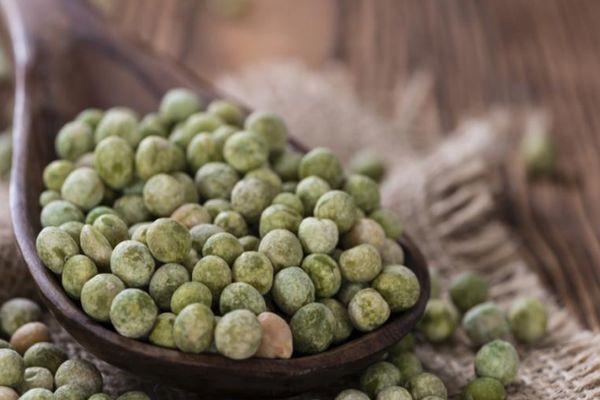
All varieties of legumes are divided into two main groups, which include different varieties:
- Sugar. This type green peas Sugar snap peas are selected and planted for culinary use. Ripe pods can be eaten whole, as they lack the parchment layer. Distinguishing features of the legumes in this group include virtually no starch and a high sugar content. This is precisely why sugar snap peas have such an excellent flavor. All varieties of sugar snap peas require proper care and pest control.
- Shelling. This variety is less flavorful because it contains a lot of starch and no sugars. Shelling beans are planted for cooking hot dishes or making vegetable preserves for the winter. They are not recommended for eating fresh, as they are not very tasty.
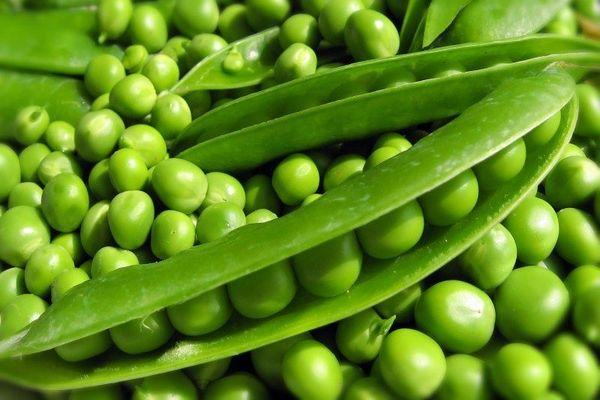
Also, depending on the color, size and structural features of the pod, legumes are divided into three small subgroups:
- Table peas. These are tall plants whose harvest is used to make jelly, soups, borscht, and other dishes that require heat treatment. Fresh table peas are practically inedible because they lack sugar.
- Canning. Legumes of this type are grown to produce a versatile crop that can be used for canning or preparing vegetable dishes. They are high in sugar, making them very tasty.
- Versatile. The composition of ripe peas is very similar to canned peas, as they also contain large amounts of sugar. The beans are used for further freezing or canning.
Brain varieties
Brain pea varieties get their name from the wrinkled, brain-like appearance of their pods. These peas are particularly demanding in terms of temperature and soil moisture.
There are several types of legumes that are suitable for growing in garden plots.
The Miracle of Kelvedon
This legume is popular among lovers of brain-bearing varieties. The Kelvedon Miracle pea harvest matures within a month and a half, making it considered an early-ripening variety. This variety can be distinguished from others by its relatively tall bushes. When grown at temperatures around 15-20°C (59-68°F), the plant's stems grow to 80-90 cm (32-35 inches). To prevent the tall bushes from breaking, tie them to sturdy supports.
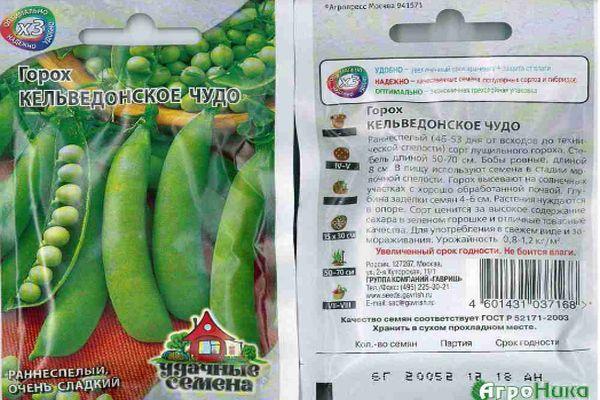
The Kelvedon Miracle's fruits are round and small, measuring 6-8 cm in diameter. It is recommended to harvest the crop at the milky stage of ripeness, as fully ripened beans develop an unpleasant, bitter taste.
Experienced gardeners who have been growing the Kelvedon miracle for several years recommend planting it in the first half of March in order to harvest the ripe beans in mid-summer.
Large pea seeds
Many vegetable growers grow large pea varieties because of their large, tasty fruits. Due to their large size, the average pod length reaches 15-20 cm. To prevent the stems from breaking under the weight of such a large crop, it is recommended to install supports around the plants.
Prelado
This large pea variety is considered one of the earliest-ripening legumes. The growing season of Prelado peas is approximately 35-40 days, allowing for a fresh harvest in late May or early June. The surface of the peas is covered with large wrinkles and is a dark greenish color. Each pod produces more than six peas. Prelado's stems are tall, reaching 75-80 cm in height. If planted in a greenhouse, the plant can reach 90-100 cm in height.
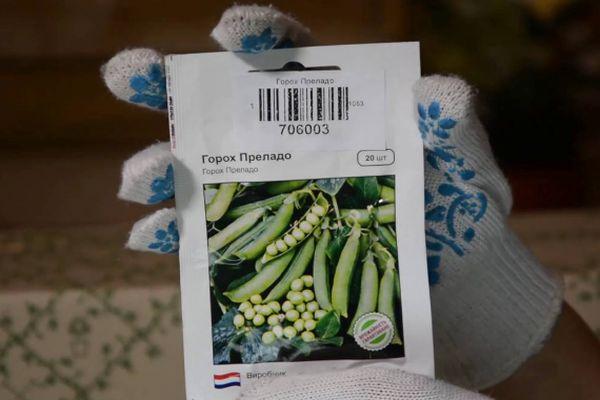
Prelado's advantages include its ability to adapt to high temperatures. This allows for a good harvest even when grown in hot climates.
Gribovsky 11
This variety was developed by domestic breeders for cultivation in the northern regions of the country. Gribovsky 11 peas ripen fairly quickly—within 40-50 days after planting. The plant's bushes are low, growing only up to 40 cm. Therefore, when growing Gribovsky 11, staking the stems is not necessary.
The pods are straight, with a slight curve near the tip. A fully ripe pod grows to 10-12 cm in length and 1-2 cm in width. Gribovsky 11 seeds have a wrinkled surface and are yellowish with a green tint. Peas have a pleasant flavor, so they are often frozen for the winter or added to vegetable dishes.
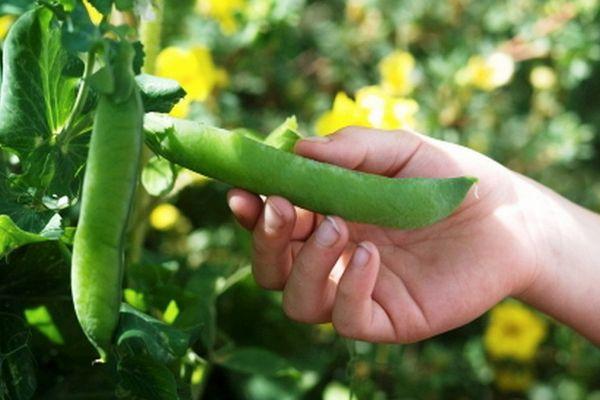
Sweet peas for planting
People who plan to eat beans fresh choose sweet pea varieties for planting. Their high sugar content gives them an excellent flavor. The pods of these varieties lack the parchment layer, so many people eat them whole instead of shelling them.
Sugar
Among the early-ripening sweet varieties, sugar snap peas stand out, fully ripening within two months. The plants need to be supported by sturdy supports, as they grow to 80-85 cm when grown outdoors. Sugar snap peas are highly productive. Each plant produces 4-5 pods, each containing at least five large seeds.
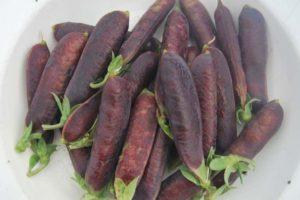
Among the main advantages of this variety is its resistance to ascochyta blight. The bushes also tolerate cold weather well. Low temperatures do not reduce growth or yield.
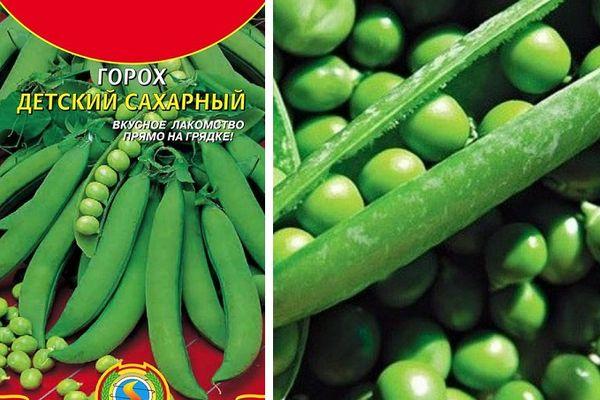
Oscar
Among the productive sugar snap pea varieties, the Oscar variety stands out. This early-maturing plant produces pods that ripen in 60-70 days. Pea seedlings grow up to 90 cm tall, so experienced gardeners recommend placing stakes or trellises near the beds to support the stems. As Oscar peas ripen, dark pods 10-12 cm long form on the bushes. Each pod contains 8-10 seeds.
When growing Oscar, it is recommended to use preventative measures against common vegetable plants, as the variety has average disease resistance.
Zhegalova
The Zhegalov 112 pea variety is considered an early-ripening variety. Harvesting of ripe peas is possible 55 days after sowing. This legume is considered the tallest, with stems growing up to 150 cm. Due to its height, Zhegalov 112 has poor lodging resistance, so staking is necessary to minimize contact between the peas and the ground. Staking should be done using stakes at least 1-2 meters high. It is best to install the stakes immediately after planting or during the first few weeks of growing sweet peas.
Sugar slider
Gardeners who want a quick, ripe harvest grow the Sakharok Polzunok pea. The beans of this variety fully ripen within 45-50 days. A distinctive feature of this pea is its fruiting period, which is much longer than that of other early-ripening beans.
The stem of the Sakharka creeper reaches 80 cm in height when grown in suitable temperatures. Despite their height, the bushes can be grown without additional support, as they do not lodge. Mature pods grow to 8-9 cm in length. They are frozen, canned, and eaten fresh.
Children's sugar
This variety is often confused with the "Children's Joy" pea, which isn't even considered a sweet bean. A distinctive feature of the "Children's Joy" pea is its bush height, which reaches 120-130 cm. During the growing season, small pods, approximately 10 cm long and 1-2 cm wide, form on the bushes. The plant is resistant to fusarium wilt and other dangerous pests.
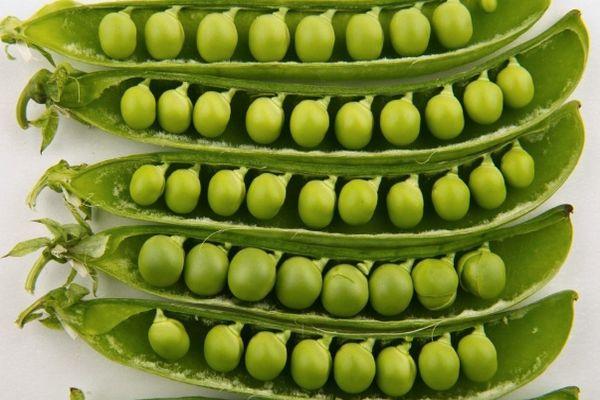
Peas growing without support
It's no secret that all tall plants require additional support to support their stems. However, there are pea varieties that don't require support. These include all low-growing bean varieties, which grow no more than 65-70 cm tall. Before growing these plants, it's important to familiarize yourself with popular varieties.
Alpha
Gardeners who enjoy early-ripening plants and want a high-quality harvest should consider planting Alpha peas. The first harvest can be collected 55 days after planting the pea seeds in the garden.
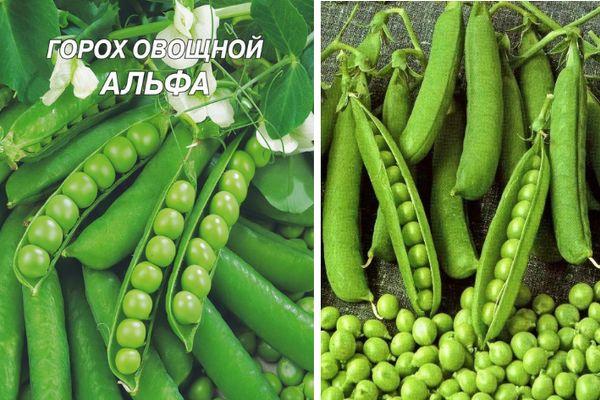
The bushes are distinguished by their low growth and resistance to heavy loads. They do not require supports and grow well without staking. However, some gardeners still install stakes near the bushes and tie them up, as this has a positive effect on yield.
During the growing season, the plant produces 7-8 cm long pods containing 7-9 beans. Ripe Alpha fruits are very nutritious, rich in vitamins and proteins.
The variety's drawbacks include its demanding soil conditions. Alpha grows well only in light, well-fertilized soils.
Avola Peas
Among the low-growing pea varieties, Avola is gaining popularity. It can be grown without support or additional staking. This variety is considered one of the earliest, as it takes 40-50 days for the peas to ripen. Avola's distinctive feature is its stems, which grow only to 45 cm. The bushes produce several inflorescences, each containing 2-3 pods. The ripe peas have an excellent flavor, making them ideal for canning or fresh salads.
Avola is undemanding to climatic conditions and is therefore grown in open ground at low temperatures.
Shelling peas
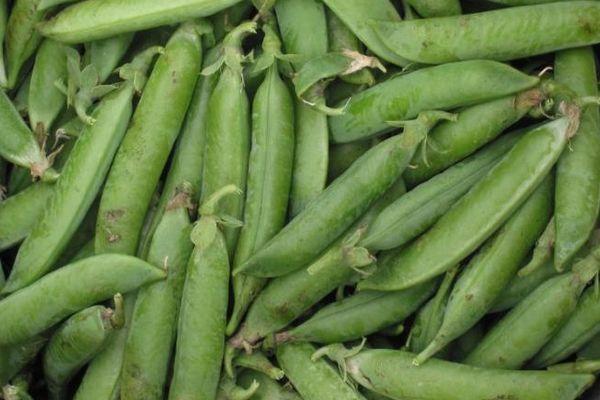
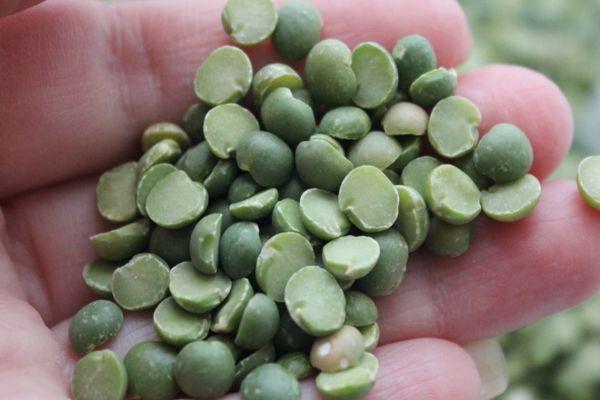
Shelling peas are very high in calories, contain a lot of starch, and are low in sugar. Because of this, they are used only in hot dishes. Among the many varieties of shelling peas, five varieties stand out as having high yields.
Dakota
The Dakota variety is an early-maturing shelling pea, with beans that mature in 60 days. When grown in greenhouses, seedlings reach a height of 75 cm. Dakota peas have poor lodging resistance, so the plants must be tied to supports with rope.
Small, oblong pods about 10 cm long form on the stems. They contain 5-6 green peas, which darken slightly during technical ripeness. Once ripe, the variety is resistant to weather changes and diseases.
The advantages of Dakota include the ability to store crops for a long time.
Fork
Tuning Fork is a common variety of pea popular among gardeners. Before growing the Tuning Fork pea variety, it's important to familiarize yourself with the plant's characteristics and description.
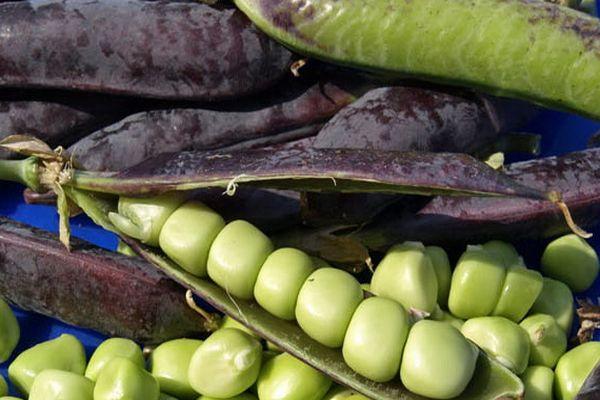
A distinctive feature of pea plants is their height, reaching up to one and a half meters. Without additional support, the Tuning Fork stems break and therefore need to be tied up. With proper care, the plants will begin to produce pods containing 3-5 beans. The main advantage of the Tuning Fork fruits is that they do not fall off.
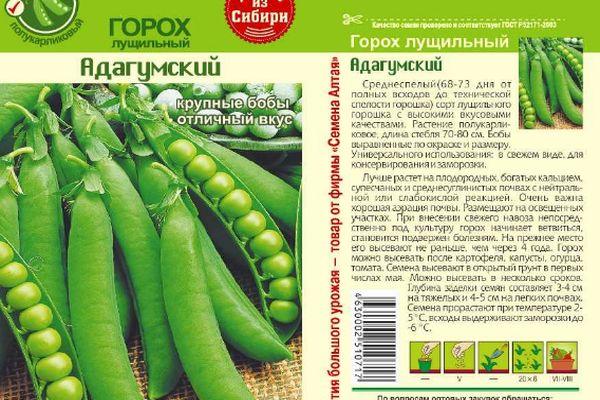
Adagumsky
The Adagumsky variety is considered the most delicious and juicy shelling pea. Its advantages include not only its unique taste but also the beneficial properties of its fruit. Adagumsky peas are ideal for gardeners who have never grown legumes before, as they require little maintenance.
The stems of mature plants grow up to 70 cm and are resistant to lodging. The first harvest of Adagum peas is collected 45 days after planting and germination of the seedlings. During this time, pods appear on the stems, growing up to 8 cm in length. At least five pods form on each plant.
Voronezh green
The Voronezh Green Pea is popular among lovers of low-growing bean varieties. The plant reaches a maximum height of 65-70 cm. It is considered an early-ripening variety, maturing in 40-50 days. Distinctive features of the Voronezh Green Pea include its dark color and a light waxy coating on the stem surface.
This variety is distinguished by the uniform ripening of its beans, which form on the bushes during the growing season. A yield of at least one and a half kilograms can be harvested per square meter.
Dinga
Ding peas have many advantages, including high yields and rapid ripening. They reach full maturity in 45-55 days. Unlike the previously discussed varieties, Ding peas require support, as their stems grow to 90-95 cm. Five plants can yield approximately 1-2 kg of beans.
Tall
Tall varieties are considered good plants for open ground. This category includes all varieties of peas that reach a height of 110-120 cm. If all cultivation practices are followed, the stems can grow over two meters. Before growing tall peas, it's important to familiarize yourself with popular varieties of these plants.
Madonna
This German variety was developed by breeders specifically for outdoor cultivation in cool temperatures. This is possible because Madonna pea seeds are resistant to temperature fluctuations and germinate well in cool soil.
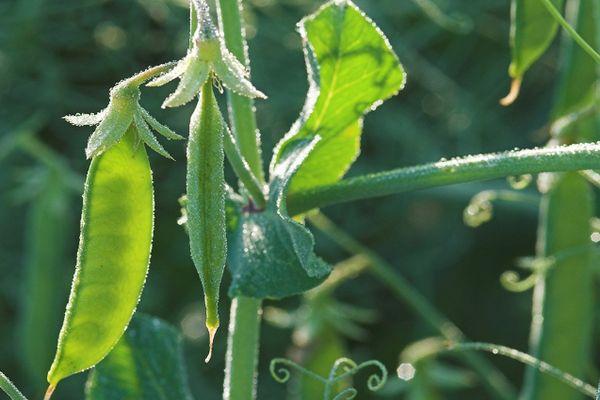
Madonna's growing season is short, so technical maturity occurs in 65 days. Its advantages include its high yield, which allows for over 50 centners of fruit to be harvested per hectare. When growing Madonna, disease prevention is essential, as the variety is susceptible to root rot and ascochyta leaf spot. To strengthen the seedlings, you will have to periodically feed them with organic and mineral fertilizers.
Rocket
Before growing Rocket peas, study the variety description to become more familiar with its characteristics. This variety was developed in 2010 by German breeders. The main advantage of Rocket peas is their high yield, which allows for a harvest of 2-3 kg per square meter.
Mature bushes need to be supported, as they grow up to a meter tall and often break without support. Gardeners are comfortable growing Rocket outdoors, as it rarely suffers from gray mold and ascochyta leaf spot. When caring for the bushes, it is recommended to add nitrogen fertilizer to the soil to increase yield.
The best varieties for the Moscow region
Gardeners living in the Moscow region should consider pea varieties suitable for outdoor cultivation. There are several varieties that can cope with the region's climate.
Moscow delicacy
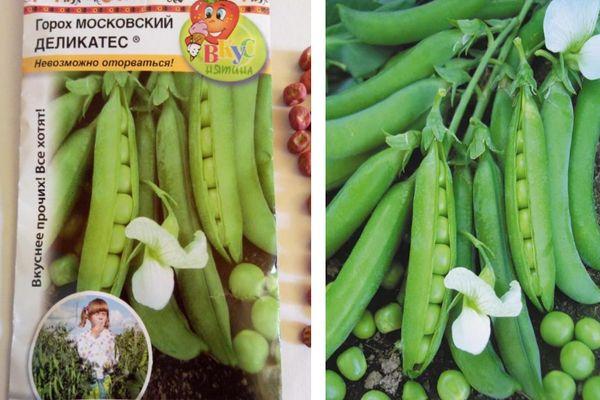
Many gardeners grow the Moskovsky Delikates pea variety, as it's considered a high-yielding variety. It takes at least three months from germination to technical maturity. The plant is characterized by compact bushes that grow to 55-60 cm. They don't need to be supported, as their strong stems prevent them from breaking.
During flowering, pods appear on the bushes, gradually growing to 10-12 cm. This Moscow delicacy requires periodic watering and loosening of the soil to increase yield.
Slovan
Among the leafless legume varieties, the Slovan pea variety stands out for its quick maturation and abundant yield. Its early ripening makes it popular among gardeners who want to harvest quickly. When grown properly, the beans reach full maturity in 50-65 days.
Slovana bushes grow up to 120 cm, so many recommend staking them to prevent them from breaking. Staking the stems also slightly increases yield.
Slovan is ideal for beginners, as it is undemanding in terms of soil fertility, watering and fertilizing.
Salamanca
Anyone planning to grow Salamanca peas should familiarize themselves with the variety's description. This early-maturing plant matures within 40 days. Salamanca plants reach 90 cm, so it's recommended to install stakes along the rows to tie the stems to. With good watering, Salamanca produces impressive yields, reaching 4-5 kg per square meter.
The variety doesn't tolerate frost well, so it's grown in greenhouses in the Moscow region in early spring. Salamanca can only be planted outdoors in the second half of April.
Gothic
A description of the Gothic pea variety will help with its subsequent cultivation, so it's worth familiarizing yourself with it in advance. Peas are among the most productive legume varieties. Another advantage of the Gothic variety is its excellent taste, which is why housewives often use its fruits in hot dishes or preserves.
The bushes are tall, reaching a height of approximately 90-95 cm. Strong gusts of wind often cause the stems to break, so it's best to secure them to a trellis. The pods on the bushes grow up to 10 cm, containing approximately 8-10 large beans.
Belmondo
By reading the description of the Belmondo pea variety, you can learn all the distinctive characteristics of this plant. Belmondo's advantages include its small stature and simple, sturdy stem. Other notable advantages include excellent drought tolerance and pest resistance.
Suitable varieties for Siberia
It's no secret that peas are an easy-to-grow plant that thrives even in adverse weather conditions. However, not all pea varieties grow well in Siberia. Therefore, before growing peas in this region, it's important to select the best pea varieties for the Urals.
Altai emerald
Siberian residents who want to grow early-maturing plants should check out the Altai Emerald pea. This early-ripening variety fully matures within 45 days. The low-growing Altai Emerald bushes make growing it much easier, as gardeners don't need to worry about staking. The average height of a mature plant is 40-45 cm.
A month after planting, twisted pods 7-8 cm long form on the bushes. They contain a lot of protein and vitamins, giving them a pleasant and rich flavor.
Ambrosia
The Ambrosia pea variety is one of the most common legume varieties in Siberia. The plant's distinguishing features include early maturity and immunity to dangerous diseases.
The bushes begin to bear fruit six weeks after planting. At temperatures above 10-15 degrees Celsius, Ambrosia stems grow up to 65 cm. The variety yields 1-2 kg per square meter.
Seed preparation
Once you've selected the best pea varieties, you should begin pre-planting. This will protect the seedlings from insects and significantly increase yields. Pre-planting treatment is the same for all pea varieties, regardless of plant species.
Preliminary preparation begins with selecting the seedlings for germination. Only large, healthy seeds are selected for planting. Small and wrinkled seeds are best discarded immediately, as they will germinate poorly.
To select only high-quality seeds for sowing, place them in a salt solution for 10-15 minutes. During this time, any spoiled seeds that will not grow well will float to the surface.
To ensure better germination, experienced gardeners warm the seeds beforehand. To do this, spread the entire seedling on a small piece of thick cloth and place it on a heated radiator. In summer or late spring, the seeds are taken out into the sun to warm up. Avoid heating the seeds for more than two hours, as this will impair their germination.
Soaking before planting
To speed up the germination of vegetable crops, soaking the seeds is recommended. This will speed up the emergence of the first shoots of different pea varieties by 2-3 times.
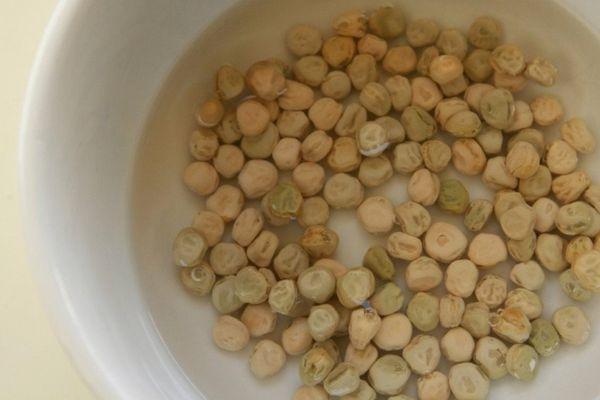
The procedure is carried out two weeks before planting. To soak the seeds, a deep container is half-filled with warm water. After this, all the seeds for planting are placed in a cloth bag, which is then immersed in the container of water. After 12-14 hours, the peas are removed from the water and thoroughly dried in the sun. Some gardeners recommend repeating the procedure 2-3 times to ensure better germination.
Peculiarities of growing peas at home and in the ground
Almost all pea varieties require proper care, so it's best to familiarize yourself with the nuances of growing this plant in advance. Caring for planted peas involves several stages, including:
- Watering. High temperatures often cause the soil to dry out quickly, which can hinder pea plant growth. It's recommended to moisten the soil beforehand to prevent it from drying out completely. During the first 1-2 weeks, water the plants twice a week. During the growing season, the plant requires more water, so daily watering is necessary. Soil moistening is also recommended more frequently in mid-summer, when temperatures rise.
- Fertilizing. It's best to apply fertilizer before watering to ensure better absorption of the nutrients. A nitroammophoska solution is used for fertilizing pea seedlings. To prepare it, mix two teaspoons of the solution with 10 liters of water. This amount of mixture is enough to treat one square meter. Organic fertilizers such as humus and compost are also added to the soil during the flowering period.
- Support. After the seedlings emerge, it's a good idea to install reliable supports near each bush. For this purpose, install iron rods or stakes 1-2 meters high in the area. A string is stretched between each support, to which the stems are tied.
- Disease and pest protection. Many gardeners are interested in ways to protect peas from fungus. This involves removing the infected plant from the plot to prevent infection of neighboring healthy plants. The area where the infected seedling grew is treated with a potassium permanganate solution and watered with hot water. Neighboring plants are sprayed with fungicides as a preventative measure.
Conclusion
Peas are a common plant often found in gardens. Before planting and growing peas yourself, it's important to familiarize yourself with detailed descriptions of popular varieties and their growing requirements.
Related posts:
 How to properly plant peas in a greenhouse and open ground
 How to propagate and grow peas, cultivation technology, and care in open ground
 Description of varieties of sowing peas and cultivation, to which family they belong
 The health benefits and harms of peas for men and women, and recipes for treating diseases
 The health benefits and harms of green peas, composition, calorie content, and properties
 80 Best Eggplant Varieties for Different Regions with Descriptions and Characteristics
 Description of blight-resistant tomato varieties for open ground and greenhouses
 How to plant, grow, and care for peas at home on a windowsill or balcony