
- Why is late blight dangerous for tomatoes and what causes it?
- Characteristics of tomatoes resistant to late blight
- Varieties for greenhouses
- Academician Sakharov
- Alaska
- Budenovka
- De Barao is black
- Cardinal
- Carlson
- Karotinka
- Gardener
- Snowdrop
- Resonance
- Wind rose
- Snow Fairy Tale
- Soyuz 8 F1
- Tatiana
- Gypsy
- For open ground
- Anyuta F1
- Betta
- Oak tree
- Lazybones
- Perseus
- Tsar Peter
- Tarasenko's anniversary
- Representatives of low-growing varieties
- Adelina
- Alenka F1
- Canned F1
- White filling
- Buyan (Wrestler)
- Dwarf
- Grotto
- Beam
- The Little Prince
- Snowstorm
- Lights of Moscow
- Orange miracle
- Solar
- Berry
- Phytophthora-resistant varieties for the Moscow region
- Alsou
- Arctic Rose
- Lark F1
- Juggler F1
- Far North
- Sanka
- Ultra-early
- The best varieties for the Urals
- Iceberg
- King of Siberia
- Kostroma
- Lelya F1
- Honey-Sugar
- Mongolian dwarf
- Beautiful Lady F1
- Varieties resistant to late blight for Belarus
- Varieties for Ukraine
- Specifics of cultivation and care
- Reviews from experienced gardeners
- Conclusion
Most gardeners grow various varieties of tomatoes. Experts recommend growing blight-resistant tomatoes, which are less susceptible to disease. Therefore, before planting, it's important to familiarize yourself with the main blight-resistant tomato varieties and their characteristics.
Why is late blight dangerous for tomatoes and what causes it?
Late blight is a dangerous disease that causes the death of tomato plants. To detect this disease early, it's important to inspect the seedlings periodically. Late blight appears as small dark spots on the leaves. Initially, the disease affects only the lower parts of the plants, but gradually the spots appear on the upper leaves as well. Within a few days, symptoms will also appear on the tomato fruits. Late blight causes hardened spots to appear under the skin, which will gradually enlarge and darken.
The main danger of the fungus is that its spores spread and multiply rapidly. Therefore, it is recommended to promptly remove infected plants.
There are several reasons why this pathology appears:
- high humidity levels;
- low temperature;
- lack of sunlight;
- lack of nutrients in the soil;
- the growth of weeds in the garden.
Characteristics of tomatoes resistant to late blight
To prevent disease in your vegetables, it's recommended to plant late blight-resistant varieties with strong immunity. The characteristics and descriptions of these tomatoes will help you understand their key features.

It's worth noting that no plant is 100% immune to late blight. Breeders have so far succeeded in developing tomato varieties that are better protected against this disease than others. However, there is still a small risk of infection by the fungus.
Many experienced gardeners claim that the most resilient tomatoes are determinate, low-growing tomatoes with early ripening periods.
Their main features include the following:
- the bushes have few lateral stems, which allows them to be better ventilated;
- high yield;
- long fruiting;
- slow growth after the appearance of the third ovary.
There are also indeterminate tomatoes, which rarely suffer from fungal diseases, but there are much fewer of them..

Varieties for greenhouses
Some gardeners grow vegetables in polycarbonate greenhouses. Several greenhouse varieties are reliably protected from late blight.
Academician Sakharov
This tomato was developed by breeder Igor Maslov for greenhouse cultivation. The bushes grow up to two meters tall, so they are tied to supports and pruned periodically. Among the advantages of the Academician Sakharov variety are its resistance to fungus and large fruits weighing 200-300 grams.
Alaska
An early-ripening, low-growing vegetable whose fruits ripen by the first half of June. Although the plants grow only to 50 centimeters, they still need to be tied to supports. Ripe tomatoes weigh about 80-90 grams, so a single plant yields 1-2 kilograms.

Budenovka
An indeterminate plant that grows up to one and a half meters in greenhouse conditions, it requires proper care and periodic pruning. Budenovka's main advantage is its high yield and delicious fruit.
De Barao is black
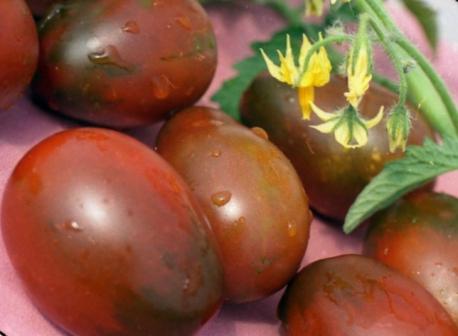
Among fungus-resistant tomatoes, the black De Barao stands out, growing well in greenhouses. The tomatoes ripen 3-4 months after planting. They are dark with a cherry hue and weigh 60-70 grams. With proper care, a De Barao seedling can yield 5-6 kilograms.
Cardinal
This is a tall variety, growing up to 190 centimeters. A distinctive feature Tomatoes are considered a cardinal, which have a heart-shaped form. If the greenhouse is properly maintained and regularly ventilated, Cardinal will never become infected with late blight.
Carlson
The Karlson tomato has a medium ripening period, lasting 2-3 months. Its oblong shape, with a small, raised tip, distinguishes it from other tomatoes. The average ripening weight is 220 grams.

Karotinka
A low-growing variety that can't be grown outdoors due to its frost intolerance. Karotinka's bushes don't grow taller than 45 centimeters and therefore don't require pruning. Its advantages include its excellent flavor and resistance to most fungal diseases.
Gardener
A salad tomato that fully ripens 110 days after transplanting. It's a determinate plant, reaching a height of 90-120 centimeters. It's considered a high-yielding tomato, producing 4-6 tomatoes weighing around 200 grams per plant.
Take a look Also


Snowdrop
Snowdrop is a versatile variety that can be grown both in greenhouses and outdoors. Among its advantages are its resistance to insects and fungi, as well as its high productivity. Over 15 kilograms of fruit can be harvested per square meter.
Resonance
To avoid having to fight late blight, people plant Resonance in their gardens. This indeterminate vegetable grows up to one meter in optimal conditions. Resonance is a heat-loving plant, so it's best grown in greenhouses.

Wind rose
Gardeners who want to harvest a ripe crop quickly are advised to plant the Windrose variety. The fruits ripen within 40-55 days after sowing the tomato seeds. Windrose is known for its excellent yield, with 2-3 bushes yielding 10-12 kilograms of tomatoes.
Snow Fairy Tale
Among the common superdeterminate tomato varieties, the Snow Fairy Tale stands out with its enhanced immunity to fungal diseases. Distinguishing features of this variety include rapid fruit ripening and accelerated bush growth.

Soyuz 8 F1
A determinate vegetable with vigorous bushes reaching two meters in height. When grown in greenhouses, Soyuz 8 yields 7-8 kilograms per seedling. Some plant this variety outdoors, but under such conditions, the yield is significantly reduced.
Tatiana
Tatyana is considered the most productive greenhouse tomato, resistant to late blight. A square meter of greenhouse yields 6-7 kilograms of juicy tomatoes.
Even inexperienced gardeners can grow this variety, as it does not require careful care.
Gypsy
Gardeners planning to grow tomatoes under plastic covers should consider the Gypsy variety. The plant doesn't require staking or pruning, as it doesn't spread out. Round fruits weighing 135-145 grams ripen on the bushes 100-130 days after planting.

For open ground
Breeders have developed hybrids for outdoor cultivation that are virtually immune to fungal diseases. Among them, seven varieties stand out as growing better outdoors than others.
Anyuta F1
Anyuta is considered the most popular ultra-early tomato, resistant to late blight and frost. The first ripe fruits appear on the bushes six weeks after planting. Anyuta's main advantages:
- excellent taste characteristics;
- rapid ripening;
- compactness of bushes;
- transportability.

Betta
Betta is considered a stamped tomato variety with early ripening fruits that can be harvested within three months. The harvested fruit is excellent for pickling and creating vegetable dishes.
Oak tree
This variety was bred in the early 2000s specifically for outdoor planting. Currently, Dubok is popular among gardeners due to its resistance to late blight. Dubok produces small, flattened tomatoes. They have a pleasant, aromatic flavor with a slight tartness.
Lazybones
The largest harvest is achieved when growing Lentyayka. The average ripe fruit weighs 450 grams. The ripe, fleshy tomatoes are used in cooking to make tomato paste, sauces, salads, and pickles.
Perseus
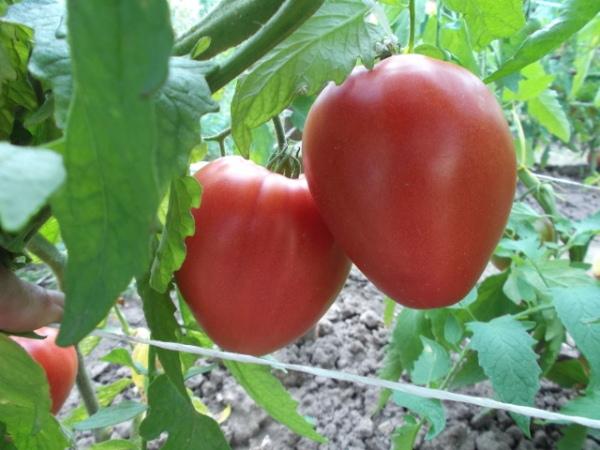
A popular Moldovan tomato that is resistant to temperature fluctuations, late blight, and pest attacks. Perseus produces large tomatoes, weighing 200-300 grams. The fruits have little dry matter and are therefore often used to make tomato juice and ketchup.
Tsar Peter
Tsar Peter is grown both outdoors and in small plastic greenhouses. In greenhouses, the harvest ripens in 85-90 days, while in the garden, it takes 100-115 days. Tsar Peter is considered a versatile vegetable that can be used for canning, pickling, and salting.

Tarasenko's anniversary
This variety cannot be grown in small greenhouses, as its bushes reach a height of up to three meters. Therefore, experienced gardeners recommend planting Yubileyny Tarasenko outdoors. Its advantages include:
- long-term storage;
- immunity to fungi;
- frost resistance.
Representatives of low-growing varieties
Most of the vegetables resistant to late blight are low-growing varieties.

Adelina
Adelina is a low-growing tomato variety bred for outdoor planting. The plants are compact, reaching a maximum height of 40 centimeters. Adelina seedlings require no shaping, staking, or careful care.
Alenka F1
This determinate tomato is planted in greenhouses, as it can be killed by night frosts. Gardeners often plant Alenka because it is resistant to common vegetable diseases. The advantages of this tomato include high yield and early maturity.

Canned F1
These tomatoes are an excellent choice for gardeners interested in early-ripening varieties. Experienced farmers recommend planting the "Banochny" variety in small farms and gardens. The ripe harvest is most often used by homemakers for canning.
White filling
White Naliv was developed by Kazakh breeders in the second half of the 1970s. In greenhouse conditions, seedlings grow up to 80 centimeters, while outdoors they only reach 55 centimeters. Therefore, to harvest a larger, ripe crop, you'll need to grow them in a greenhouse.

Buyan (Wrestler)
Farmers who don't want to harvest too late can grow Buyan tomatoes, which are harvested two and a half months after sowing. Buyan's fruits are not very large, weighing only 75 grams. However, this doesn't affect the yield, as a single plant can yield over 7-9 kilograms of tomatoes.
Take a look Also

Dwarf
This variety gets its name from its low-growing bushes, which grow to 35-45 centimeters. Gnome is easy to care for, as it doesn't require pinching or constant tying to supports. Other advantages of this tomato include tasty fruits, high yields, and frost tolerance.
Grotto
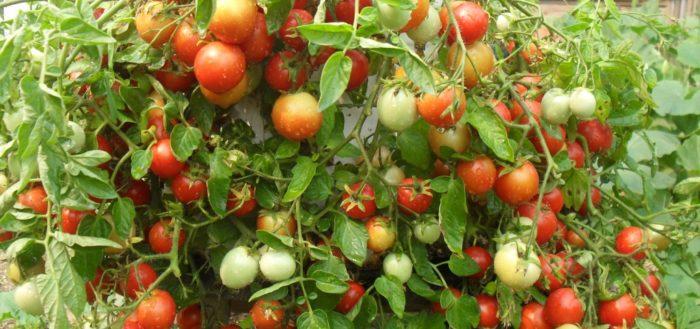
Another common low-growing tomato variety is Grotto. It differs from other low-growing tomatoes in that its stems need to be tied. If the plant isn't tied to a support, its branches may break under the weight of the fruit.
Beam
Fans of exotic tomato varieties should consider Luch. This variety differs from other low-growing tomatoes in the appearance of its fruits. They are oblong in shape and bright yellow. The average weight of ripe tomatoes is 55-75 grams.
The Little Prince
A popular dwarf tomato variety is the Little Prince, which is grown by homemakers in small pots. The maximum seedling size is 40 centimeters, so they don't need staking or side-shoots. The Little Prince yields 3-5 kilograms per seedling.

Snowstorm
Metelitsa tomatoes are distinguished by their gently ribbed, rounded fruits covered in light red skin. These tomatoes have a low dry matter content, making them quite juicy. Farmers grow Metelitsa tomatoes to use the ripe harvest for pickles, salads, and preserves.
Lights of Moscow
These tomatoes are ideal for small plots because they don't spread out. Moskvy Lights don't require side shoots, staking, or sparring, and require little watering. Their yield is meaty, sweet, and juicy. The average ripe fruit weighs 80-90 grams.

Orange miracle
Many farmers in Siberia grow Orange Miracle because it's resistant to low temperatures. Even with frequent cold spells, the variety's yield doesn't decrease. A single plant can yield over six kilograms of vegetables.
Solar
It differs from many tomato varieties in its small bushes and insect resistance. Gardeners recommend planting Solnechny outdoors, as it tolerates frost and nighttime temperature drops.
Berry
The most popular Chinese tomato grown by farmers in the CIS countries. The Yagodka's main characteristic is its size, reaching up to 15 grams in weight. They are juicy, fleshy, and very sweet.

Phytophthora-resistant varieties for the Moscow region
There are several types of late blight-resistant tomatoes that are best planted in the Moscow region.
Alsou
The earliest Tomato for the Moscow region - AlsuThe entire harvest ripens within 100 days of planting. Alsu's main advantages include disease resistance and rapid ripening.
Arctic Rose
Arctic Rose is suitable for planting outdoors in the Moscow region, as it tolerates light night frosts. Tomato plants are very compact, so 5-7 plants fit per square meter of space.

Lark F1
This Transnistrian variety is ideal for planting in the Moscow region. Its characteristic features include:
- resistance to drought and low temperatures;
- juiciness of fruits;
- short crop ripening periods.
Juggler F1
Juggler is considered a new hybrid variety, rarely susceptible to late blight and other fungal diseases. The plant grows well both outdoors and in greenhouses. Juggler yields 5-6 kilograms of vegetables per plant.
Far North
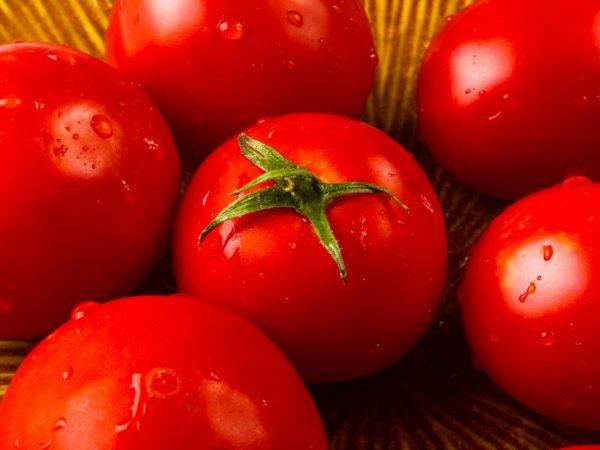
A low-growing plant that doesn't grow taller than 45 centimeters even under optimal conditions, the fruits of the Far North have firm, sweet flesh. They're also juicy, which is why homemakers often use them to make tomato juice.
Sanka
Many farmers value this tomato for its low-maintenance nature and high yield. Sanka tolerates temperature fluctuations, making it suitable for growing in gardens in the Moscow region. Ripe fruits have excellent marketable qualities, which are maintained even during long-term storage.
Ultra-early
As its name suggests, the variety's main advantage is its speed of harvesting. Ripe tomatoes can be harvested six weeks after planting. Ultra-Early Tomato is best grown outdoors.
The best varieties for the Urals
Farmers in the Urals often encounter tomato diseases that reduce yields. However, there are several varieties that are rarely affected by late blight.
Iceberg
Iceberg tomatoes ripen quite early, making them considered an early-ripening vegetable. The seedlings grow to a height of 50-60 centimeters. They don't require pinching or pruning, as they don't grow too large. Ripe tomatoes are sweet and juicy.

King of Siberia
Siberian breeders developed this variety for cultivation in the Urals. Even in the harshest climates, the King of Siberia grows and bears fruit well. The average fruit weight of open-ground grapes reaches 400 grams.
Kostroma
Another frost- and fungus-resistant variety, popular with Ural farmers. The Kostroma variety produces clusters of 5-8 tomatoes. Once ripe, they weigh 100-200 grams.
Lelya F1
Among the compact hybrid varieties for the Urals, the following stand out: Lelya tomatoesThey are grown both outdoors and in greenhouses. Clusters contain 5-6 tomatoes weighing 70-80 grams.


Honey-Sugar
Those who love sweet fruits should grow them in the garden. Honey-Sugar Tomato, which has a pleasant, sweet flavor. Each ripe tomato weighs up to 550 grams, resulting in a yield of 8-10 kilograms per bush.
Mongolian dwarf
These are the shortest growing tomatoes, as the height of the bushes Mongolian dwarf It's only 20 centimeters tall. However, despite its small size, the yield of this plant is impressive. One mature seedling can yield up to 8 kilograms of tomatoes.

Beautiful Lady F1
This greenhouse-grown tomato plant ripens within eighty days. On average, each bush produces five tomatoes weighing 175 grams. The harvested tomatoes do not crack and have a long shelf life under any conditions.
Varieties resistant to late blight for Belarus
Not all tomatoes resistant to late blight grow well in Belarus due to the climate. However, there are several varieties suitable for this country:
- Evgeniya. Belarusian farmers prefer to grow Evgeniya because its bushes are rarely affected by fungal diseases. The variety also produces high-quality fruit that doesn't crack after harvesting and is suitable for pickling.
- Aurora. Gardeners recommend planting Aurora if tomatoes are needed for fresh salads. The flavor of ripe tomatoes will make any vegetable dish much more delicious. It is better to plant Aurora in greenhouses, where the temperature will remain above zero.
- Admiral. An indeterminate, tall plant with bushes reaching 2-3 meters in height. The Admiral harvest has a long shelf life and can be easily transported over long distances.

Varieties for Ukraine
Ukrainian farmers often encounter late blight, a vegetable disease, when growing tomatoes. To prevent tomato plants from becoming infected, it's important to grow varieties resistant to late blight that will thrive in Ukraine. These include:
- Mobil. Ukrainian farmers often plant Mobil because it produces well in many regions of the country. When grown properly, it can yield up to 10 kilograms per plant.
- Rosy cheeks. This heat-loving plant is best grown in the southern regions of Ukraine. Ripe fruits weigh 300-350 grams.
Specifics of cultivation and care
To ensure that tomatoes bear fruit well, you need to familiarize yourself with the nuances of growing and caring for them.

It's crucial for tomato seeds to germinate quickly and produce the first shoots. To speed up germination, the seedbeds should be watered regularly. Initially, the holes should be watered 4-5 times a week, but once the seedlings emerge, watering should be reduced to three times a week. Experienced farmers recommend watering the seedlings at the roots, as watering the leaves negatively impacts plant health.
When caring for tomatoes, you'll also need to fertilize them. This helps to enrich the soil with the nutrients the seedlings need.
The following fertilizers are added to the soil:
- Nitrogen. Added to accelerate the growth of green mass and crop formation. Avoid adding too much nitrogen to the soil, as it will delay fruit ripening.
- Potassium. Fertilizers containing potassium remove nitrates from tomatoes and make them more nutritious.
- Boron with magnesium. These fertilizers are added to the soil during flowering. A lack of magnesium or boron causes flowers to fall off the bushes quickly, and yields are reduced.

Reviews from experienced gardeners
Antonina Petrovna: "I've been growing tomatoes at my garden plot for ten years. During the first few years, I often encountered late blight on my tomatoes. At first, I couldn't figure out why they were drying up and dying. It was only after meeting an experienced gardener that I learned about this disease. He advised me to use blight-resistant varieties, which are much less susceptible to the disease, and it really helped. Since then, I haven't had a single case of late blight on my vegetables."
Galina Sergeevna: "At first, I thought growing tomatoes wasn't my thing. The crop was constantly covered in spots and rotted due to late blight. However, after planting blight-resistant tomatoes, all the problems disappeared, and I decided to plant only these varieties. Therefore, I recommend everyone be more careful when choosing tomatoes before planting."
Conclusion
Late blight is a common disease that often kills tomato plants. To protect your vegetables from this fungal disease, it's recommended to plant special late blight-resistant tomatoes.
Related posts:
 Description of the best pepper varieties for greenhouses and open ground in 2025
 Description and characteristics of the best seeds of pea varieties and types
 Description of the best varieties of cluster tomatoes and growing rules
 How to propagate and grow peas, cultivation technology, and care in open ground
 80 Best Eggplant Varieties for Different Regions with Descriptions and Characteristics
 The best grape varieties for growing in the Urals, planting and care rules in summer
 What varieties of tomatoes are best to plant in a polycarbonate greenhouse?
 How to choose a tomato variety for growing in Ukraine and when to plant seedlings