
- Peculiarities of growing tomatoes in Ukraine
- 14 Best Greenhouse Varieties for Ukraine
- Alamina F1
- Big Beef F1
- Orange
- Pink Bush F1
- Pink Claire F1
- Supernova F1
- Typhoon F1
- Honey Moon F1
- Junior F1
- Bagheera F1
- Pietra Rossa F1
- Rufus F1
- F1 Upgrade
- Which varieties should you choose based on different criteria?
- For garden beds
- For greenhouse cultivation
- Early
- Short stature
- Tall
- Fruitful
- Exotic
- Drought-resistant
- Disease resistant
- Fleshy
- Sweet
- How to sow seeds?
- Preparing the seeds
- Sowing
- When to plant seedlings?
- Tomato planting technology
- Into open ground
- In greenhouses
- How to plant tomatoes under mulch film?
- Further care of tomatoes
- Watering
- Fertilizer
- Garter
- Conclusion
Tomatoes are a common vegetable grown by many gardeners. There are many different tomato varieties that can be grown in different countries. Therefore, Ukrainian vegetable growers should purchase tomato varieties specifically designed for Ukraine, suitable for outdoor planting.
Peculiarities of growing tomatoes in Ukraine
Before planting tomatoes, it's important to familiarize yourself with the key aspects of growing them in Ukraine. This will help you cultivate tomatoes properly and reap a bountiful harvest.
In Ukraine, gardeners grow tomatoes in three ways:
- In greenhouse conditions. This growing method is most often used by residents of the east and the Kharkiv region, which is considered the coldest. Greenhouses produce large, juicy tomatoes. To harvest a good greenhouse crop, crop rotation is essential. Therefore, experienced gardeners advise against planting tomatoes in the same spot every year. This will protect the plant from pests, fungi, and other dangerous diseases.
- Outdoors. Vegetable growers in the south and Donetsk regions can safely grow tomatoes outdoors, as this part of the country has a favorable climate for growing tomatoes outdoors. Before planting, it's important to select a variety that's ideal for the region's climate.
- In pots. With this planting method, tomato seeds are planted in a small pot. Vegetable growers prefer this method because it eliminates the need to waste time weeding and mulching.
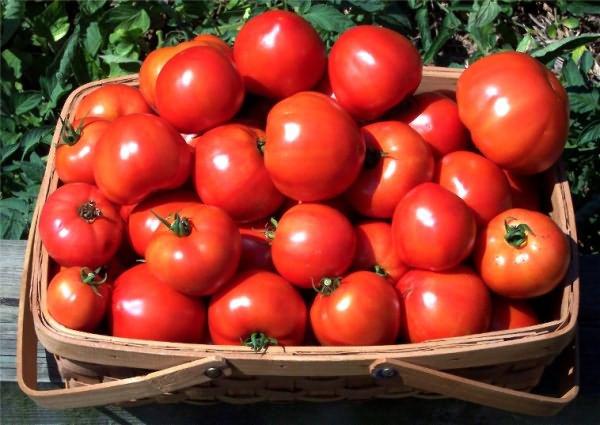
14 Best Greenhouse Varieties for Ukraine
Residents of Ukraine planning to plant tomatoes in greenhouses will need to choose the right variety. There are fourteen tomato varieties that are best grown in greenhouses.
Alamina F1
Some consider Alamine a variety for open ground, as it is resistant to temperature fluctuations. However, experienced gardeners recommend growing it in greenhouses to obtain more ripe fruits. When grown properly, the vegetables are harvested three months after planting.
Big Beef F1
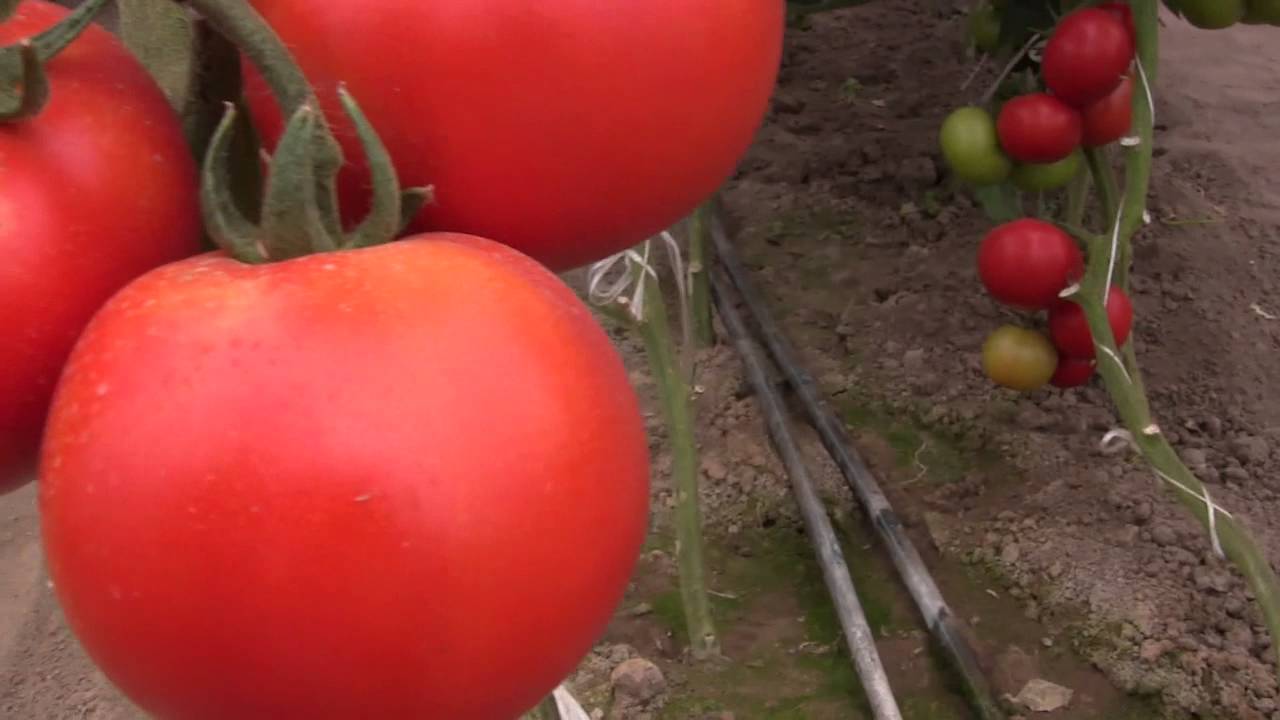
Gardeners who like large-fruited vegetables should pay attention to the hybrid Big Beef tomatoTwo and a half months after sowing the seeds, the grown bushes produce flat-round fruits weighing 270-350 grams. They contain a lot of sugars and carotene, giving Big Beef its sweet taste.
Orange
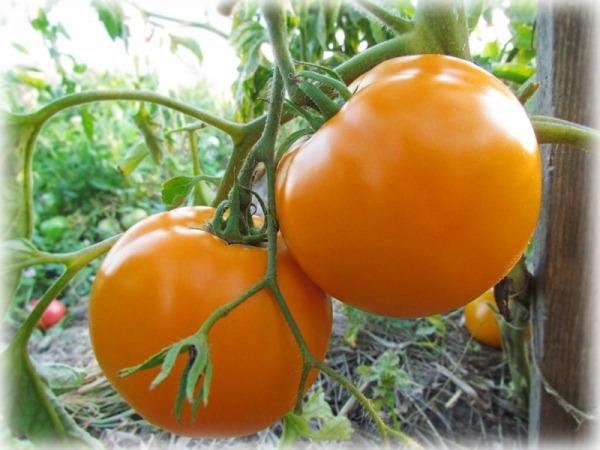
Many Ukrainian farmers grow Orange tomatoes under plastic covers. Their distinctive features include small bushes 55-65 centimeters tall and fleshy orange fruits that fully ripen in 90-95 days. Ripe tomatoes weigh only 85-90 grams. However, this does not affect the yield, as they can harvest over ten kilograms per square meter.
Pink Bush F1
Experts recommend growing the tomato in greenhouses, but those living in southern regions can also plant the Pink Bush outdoors. Its advantages include its low-growing habit, which saves space in the garden. It also boasts resistance to common diseases that often kill other varieties.
Pink Bush is distinguished by its high yield, which allows you to harvest 6-7 kilograms of tomatoes from a bush.
Pink Claire F1
Pink Claire is ideal for gardeners looking for a large, ripe harvest. The average ripe tomato weighs 220 grams, and the yield is 8-9 kilograms per plant. The tomatoes have a rich, sweet flavor with a subtle tartness.
Supernova F1
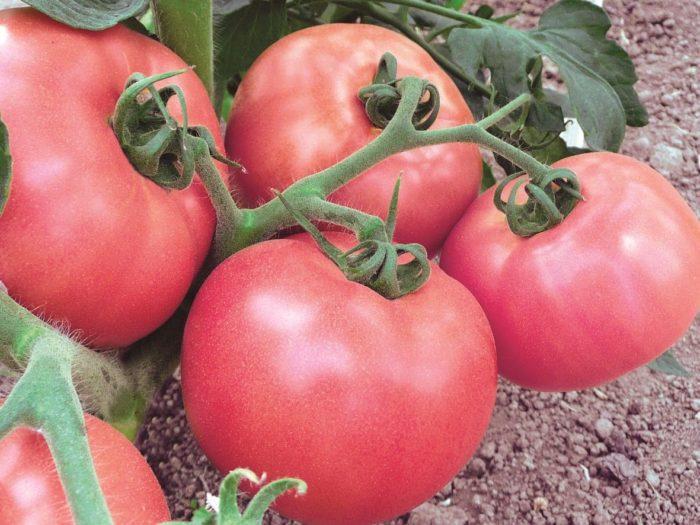
Some gardeners prefer to plant early-ripening vegetable varieties. Supernova is ideal for these people, as its fruits ripen within two months of planting. The variety's distinctive feature is the shape of its tomatoes, which have a slight bulge at the tip.
The main advantage of Supernova is the long-term storage of harvested vegetables without loss of taste.
Typhoon F1
Most farmers plant tomatoes for canning. Typhoon, with its juicy and aromatic fruits, is ideal for canning. It's grown in large greenhouses, as the bushes reach two meters in height. To ensure optimal fruiting, each bush should be tied to a sturdy support.

Honey Moon F1
Among all the early-ripening tomatoes for planting in Ukraine, Honey Moon stands out; its fruits fully ripen in six weeks. The perfectly oval tomatoes have pink-tinted skin. With proper care, the average tomato weight reaches 200-245 grams.
The harvested Honey Moon crop does not spoil for a long time and is therefore ideal for transportation.
Junior F1
Owners of small greenhouses should consider the Junior tomato, which produces compact bushes 40-60 centimeters tall. Two months after sowing the seeds, the bushes produce reddish, round tomatoes weighing 60-65 grams. Each plant yields 3-5 kilograms of tomatoes.
Bagheera F1
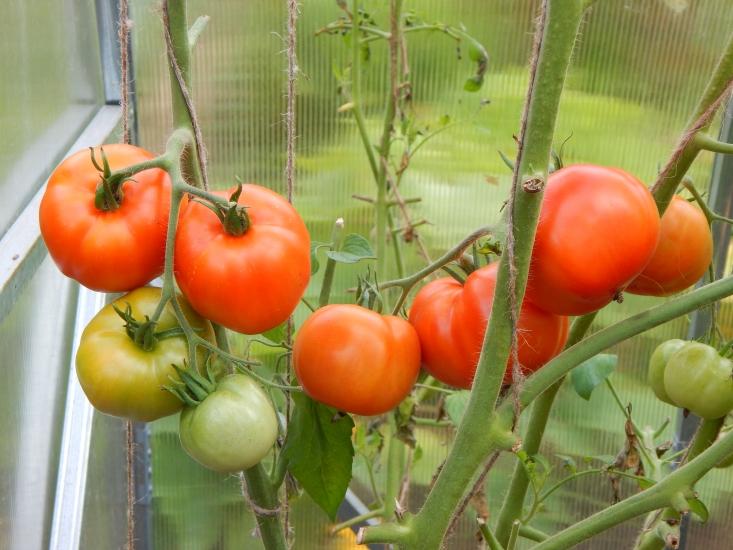
Among the high-yielding species Bagira is allocated tomatoes for Ukraine, which yields over ten kilograms of fruit per square meter. This tomato is poorly protected from frost, so residents of the central and northern parts of the country must grow it in greenhouses. Ripe fruits have juicy and tasty flesh, which is often added to vegetable dishes and salads.
Pietra Rossa F1
These tomatoes are suitable for farmers who don't plan to harvest quickly, as they require three and a half months to ripen. The main advantages of Pietra Rossa:
- productivity;
- disease resistance;
- taste qualities.

Rufus F1
Experienced homemakers recommend planting Rufus for winter preserves. This variety produces small fruits weighing 50-55 grams, which fit whole into jars. Characteristic features of Rufus include:
- compactness of bushes;
- heat resistance;
- ease of care.
F1 Upgrade
Upgrade is considered a tall vegetable, as its bushes grow up to 80-90 centimeters. The plant has a well-developed root system, making it resistant to insect attacks and dangerous diseases. Ripe tomatoes weigh up to 85-90 grams.
Which varieties should you choose based on different criteria?
To select good tomato varieties, you need to familiarize yourself with the basic criteria for their selection.
For garden beds
Those who prefer to plant vegetables outdoors should choose Ukrainian-bred varieties that are resistant to temperature fluctuations and light frosts. Valentina is suitable for vegetable gardens, as its plants do not spoil in sub-zero temperatures. The harvested crop is not only eaten fresh but also used for canning and pickling. Parodista seeds, which have a strong root system, are also sown outdoors.
For greenhouse cultivation
Residents of Ukraine's northern regions are unable to plant vegetables in their gardens due to periodic cold spells in the spring, so they are forced to grow tomatoes in greenhouses. In addition to the greenhouse varieties listed above, experienced farmers recommend planting:
- Midas. A tasty vegetable with yellowish fruits weighing about 150-200 grams.
- Scarlet Mustang. A tall plant that produces oblong-shaped tomatoes.
- Pink Tsar. A high-yielding variety, growing it can yield over eight kilograms of vegetables.
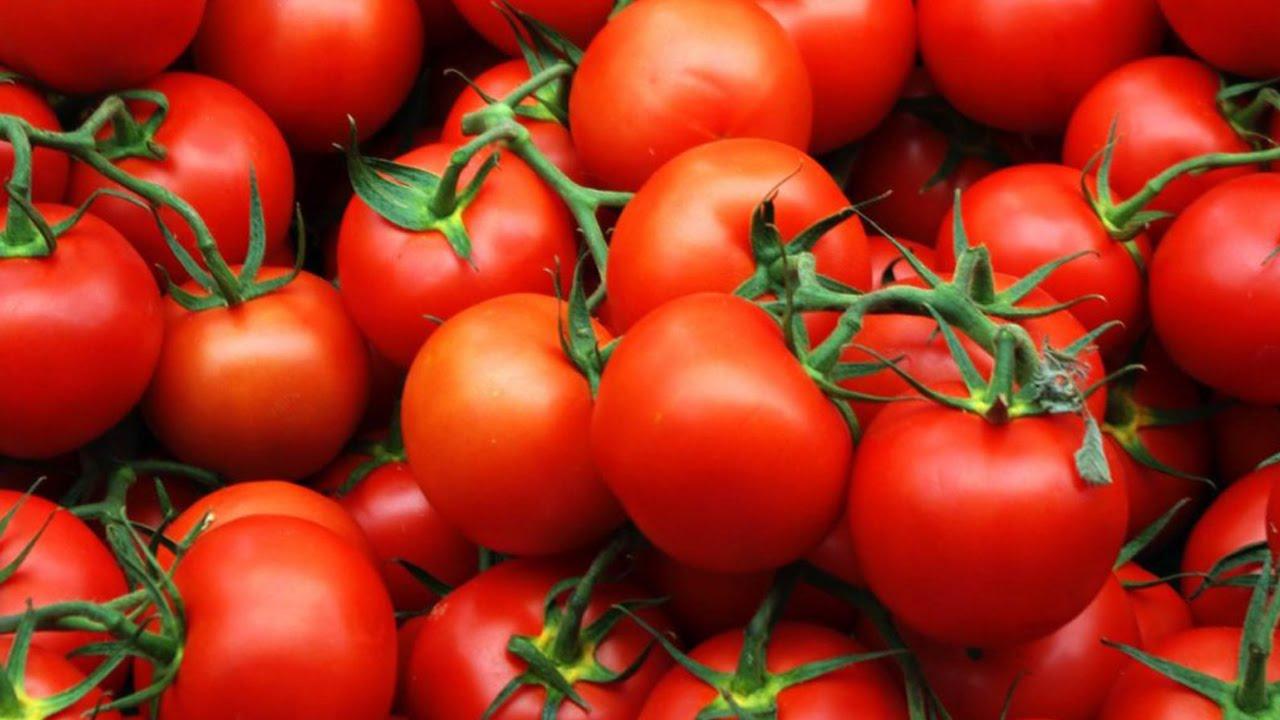
Early
Farmers consider ultra-early and super-early tomatoes, which ripen within one or two months after planting, to be the most popular. The best early vegetables include:
- Marisha. Gardeners consider Marisha a versatile plant, as its harvest is suitable for both pickling and fresh consumption. Ripe vegetables have a long shelf life and withstand long transportation.
- Sanka. It's easy to care for and has excellent frost resistance.
Short stature
People with small gardens prefer to plant low-growing plants with compact bushes that don't take up much space. They don't need additional support, as their height rarely exceeds 50-55 centimeters.
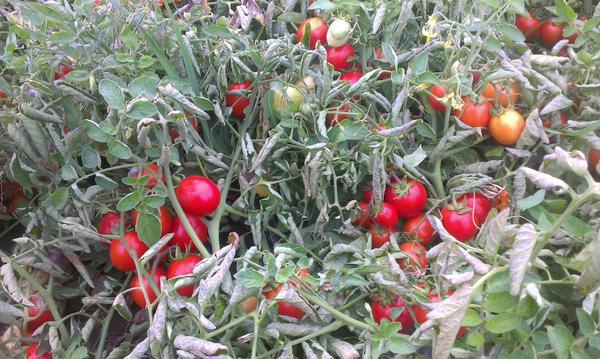
The most popular low-growing tomato is the Bobcat, which grows up to 45 centimeters. Its vines produce large tomatoes weighing over 150 grams. They ripen quickly and store well after harvest.
Tall
Farmers who grow vegetables outdoors plant tall varieties of tomatoes because they produce more fruit. These plants grow up to four meters in height and therefore need to be tied to supports.
Among Among the pink tall tomatoes, Mikado stands outIt has the following advantages:
- resistance to frost and common diseases;
- dense skin that protects against cracking;
- transportability.

Fruitful
Every vegetable farmer dreams of a bountiful harvest. To maximize the tomato harvest, they must plant high-yielding varieties. High-yielding varieties include:
- Stolypin. When growing this vegetable, fruit sets even in unfavorable weather conditions.
- Lukoshko. Lukoshko's distinctive features include its unusual ribbed fruits, weighing over 550 grams.
Exotic
Exotic tomatoes are those rarely found on store shelves. They can only be obtained from private collectors. There are several exotic tomatoes grown in Ukraine:
- Absinthe. Developed by American breeders in the second half of the last century, it doesn't tolerate frost well, so it's best grown in greenhouses.
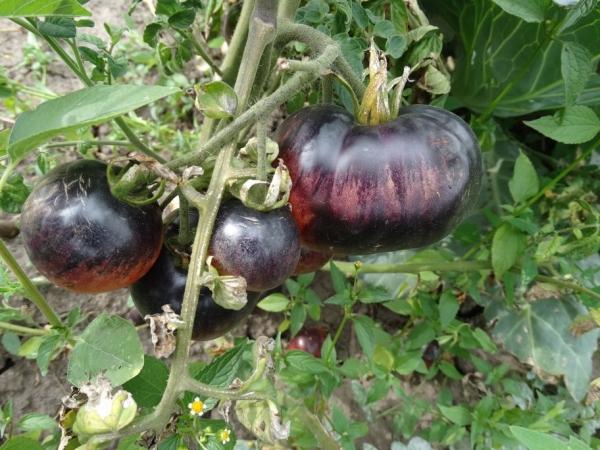
- Amethyst. A tall plant that requires support. Amethyst differs from other tomato varieties in the dark cherry color of its ripe fruit.
Drought-resistant
The southern regions of Ukraine experience dry summers, so only drought-resistant vegetables are planted there. Tomato varieties that cope with the heat include:
- Matryoshka. The plant not only tolerates dry weather but also copes with many diseases. Matryoshka is very tasty, so it is canned and eaten fresh.
- Windrose. These tomato plants are resistant to late blight, making them suitable for outdoor growing.
Disease resistant
Gardeners often fail to harvest ripe vegetables due to diseases. To avoid this problem, plant varieties resistant to common diseases:
- Vologda. These bushes are resistant to cladosporiosis, fusarium, and mosaic, and are not killed by low temperatures.
- Ural. A high-yielding tomato variety resistant to cladosporiosis and mosaic.

Fleshy
Fleshy tomatoes with firm flesh are used in vegetable salads. Experienced farmers recommend planting the Heart of Ashgabat, which produces fruits weighing up to three hundred grams. The high-yielding Tsar Bell is also considered a fleshy tomato.
Sweet
Among the tasty and sweet Honey Savior is a tomato cultivar. with a bright orange harvest. Thanks to its unusual coloring, the fruits resemble melons. Honey Spas can be stored for 2-3 months after harvesting, making it suitable for long-distance transport.
How to sow seeds?
Before you start planting seedlings, you need to learn how to properly sow tomato seeds.
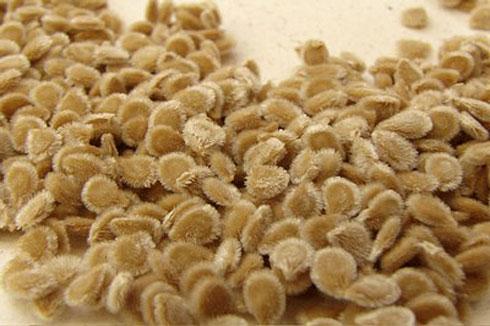
Preparing the seeds
First, the seed material is pre-prepared and disinfected. The following solutions are used to disinfect the seeds:
- Potassium permanganate. Carefully wrap all the seeds in gauze and place them in a shallow container with potassium permanganate for half an hour. Then remove them and rinse with water.
- Baking soda solution. Another common method for disinfecting seeds is using baking soda. The seeds are placed in a 0.5% solution and soaked for 24 hours.
- Fitosporin. To prepare the solution for soaking the seeds, mix a drop of Fitosporin with 150 milliliters of water. Then, soak the tomato seeds in the solution for two hours.
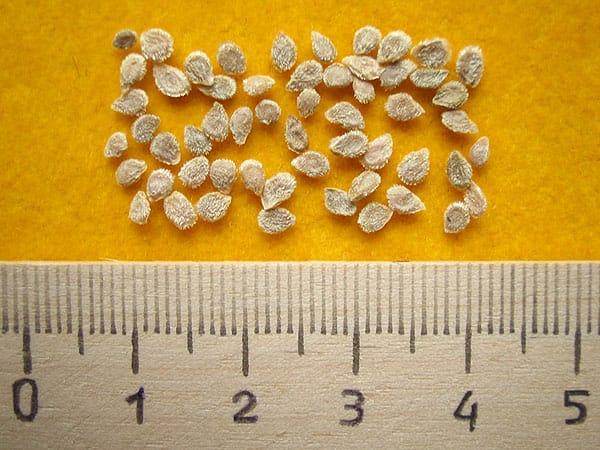
Sowing
Before planting, fill the containers halfway with fertilized and watered soil mixture. Then, make furrows 3-4 centimeters deep in the soil and carefully add the seeds. Space each seed approximately five centimeters apart. Once all the seeds have been planted, water the soil again with warm water.
![Description of the best varieties and rating of tomatoes for greenhouses for [year]](https://harvesthub.decorexpro.com/wp-content/uploads/2019/01/1488884503_grin-kolor-300x181.jpg)
When to plant seedlings?
Those planning to plant tomatoes in their gardens in 2025 are interested in the exact planting dates. The planting period directly depends on the tomato variety chosen:
- Tall vegetables take a long time to grow, so it's best to transplant seedlings early. Experienced gardeners recommend planting them in late April.
- Early and mid-season varieties. Like tall varieties, they are planted in the second half of April, when temperatures no longer drop below freezing.
- Late-ripening. Vegetables that take a long time to ripen should be planted earlier—in early April.
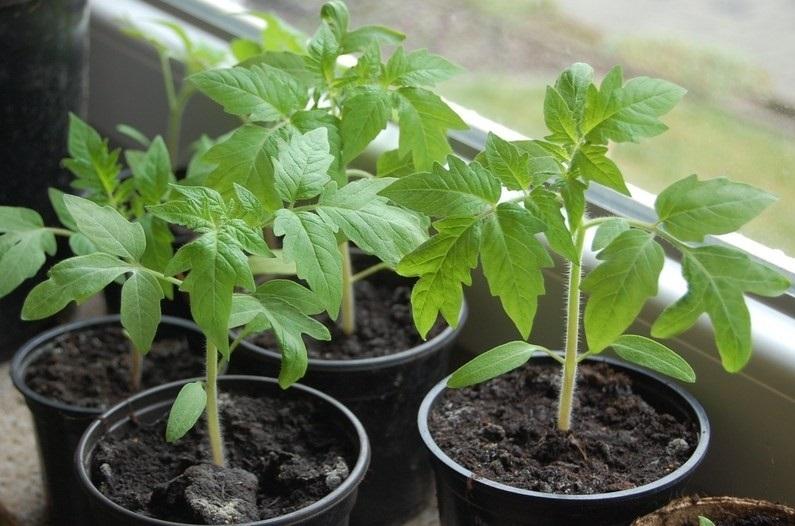
Tomato planting technology
It's no secret that there are various techniques for planting vegetable crops. It's recommended to familiarize yourself with their specifics in advance to ensure proper tomato planting.
Into open ground
Residents of the southern part of the country are transplanting seedlings into their gardens. They use the following planting patterns:
- Nesting. This is most often used when planting tall vegetables. Using the nesting system, seedlings are planted 60-70 centimeters apart.
- Strip planting. This method is universal, as it suits all varieties. With strip planting, shallow trenches are dug at 80-centimeter intervals, into which the seedlings are placed.
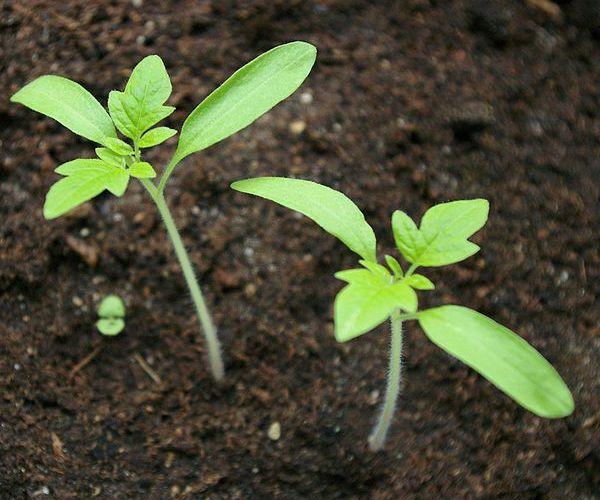
Planted seedlings must be watered so that they take root more quickly in a new location.
In greenhouses
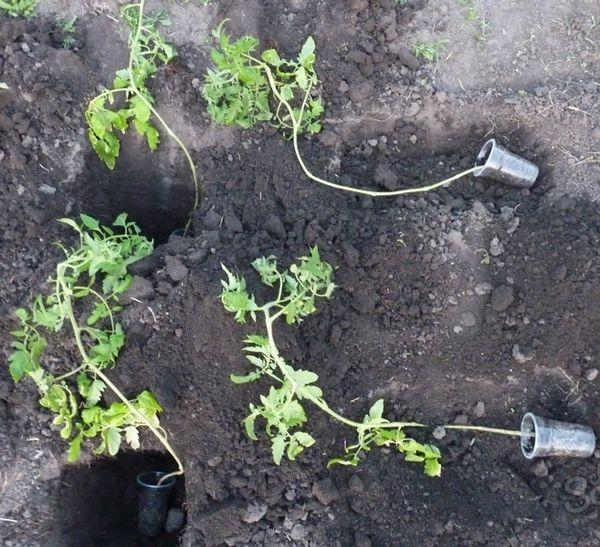
In greenhouses, tomato seedlings are grown at a temperature of 15-20 degrees Celsius. First, holes are dug for planting the seedlings sprouted from seeds. Half an hour before planting, each hole is moistened with water, after which the seedlings are placed into them.Some gardeners advise trimming the root tips of the bushes before planting to encourage faster growth.
How to plant tomatoes under mulch film?
Not all gardeners know how to properly plant seedlings under mulch film. To do it right, follow these guidelines:
- 2-3 days before planting, mulching film is spread along the bed and sprinkled with soil along the edges;
- On the day of planting, holes are made in the film into which the seedlings are carefully planted;
- After planting, all planted plants are watered at the roots.
Further care of tomatoes
To ensure good fruit production, tomatoes need proper care. Therefore, it's best to familiarize yourself with the specifics of caring for your newly planted tomato plants in advance.
Watering
Some people think tomatoes need frequent watering, but this isn't true. They don't tolerate excess moisture and are therefore watered no more than twice a week. Only during droughts should watering be increased to 3-4 times a week. Experienced farmers recommend pouring water at the roots of the plants to prevent drips from falling on the surface of the leaves. It's best to use warm, settled water for watering.
Fertilizer
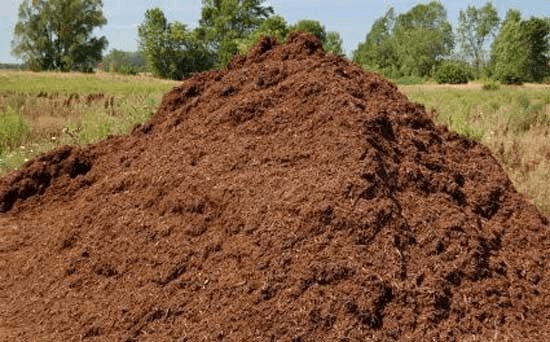
Without regular fertilizing, tomato yields decline and ripening is delayed. Therefore, they are fertilized three times per season, using potassium, phosphorus, and nitrogen fertilizers. To promote growth, bird droppings and boron-magnesium fertilizers are regularly added to the soil.
Garter
Tall plants need to be tied to wooden or metal supports. The first staking is done after the seedling has five leaves. The next time, the stem is tied to the support when the bush reaches 60-70 centimeters in height.
Conclusion
Ukrainians who have their own gardens often plant tomatoes and other vegetables. However, before planting tomatoes, it's best to familiarize yourself with the list of varieties suitable for growing in Ukraine, as well as the key features of growing tomato seedlings outdoors and in a greenhouse.
Related posts:
 Description of blight-resistant tomato varieties for open ground and greenhouses
 Description of the best pepper varieties for greenhouses and open ground in 2025
 Description of the best varieties of cluster tomatoes and growing rules
 What is the best way to feed tomato seedlings to make them plump?
 Description and characteristics of the best seeds of pea varieties and types
 Which tomato varieties are best for open ground?
 What fertilizers and when to use for feeding tomatoes in a greenhouse
 Rules for growing tomatoes in open ground, choosing a variety, planting and care